- Search
- 1.877.235.1004
- Contact Us

Our Prototyping Expertise
Evaluating Value and Risk
Design of devices for the real world starts with ideas and exploring possibilities. Size, form, materials, colors, textures, motion, stress, assembly, durability and many other decisions need to be sorted. The Question – when to build a prototype? Answer – when there is enough uncertainty that it warrants the expensive process of making physical parts and building prototype models to test assumptions and functions.
We build to learn, and for show. From early sketching, 3D CAD and foam models to production tested units, every decision to build a real-world object is intended to systematically reduce big risks and make decisions on the wide variety of choices that make up a final product solution.
Video: Meet our electronics design team (1:45min)
Strategic Prototyping - Avoid Costly Late-Stage Product Failures
Too many prototypes answer the wrong questions. Design companies will build stunning models for investors, then discover critical flaws in the design transfer to engineering and production— late-stage major design modifications can cost 10x more. The same trap catches everyone from Fortune 500 OEMs to first-time entrepreneurs.
Our systematic build-and-test approach identifies risky hypotheses and assumptions about feasibility. We dive into these critical issues early in development as changes to the product design are evolving to reduce and remove risk as we maximize the new product value.
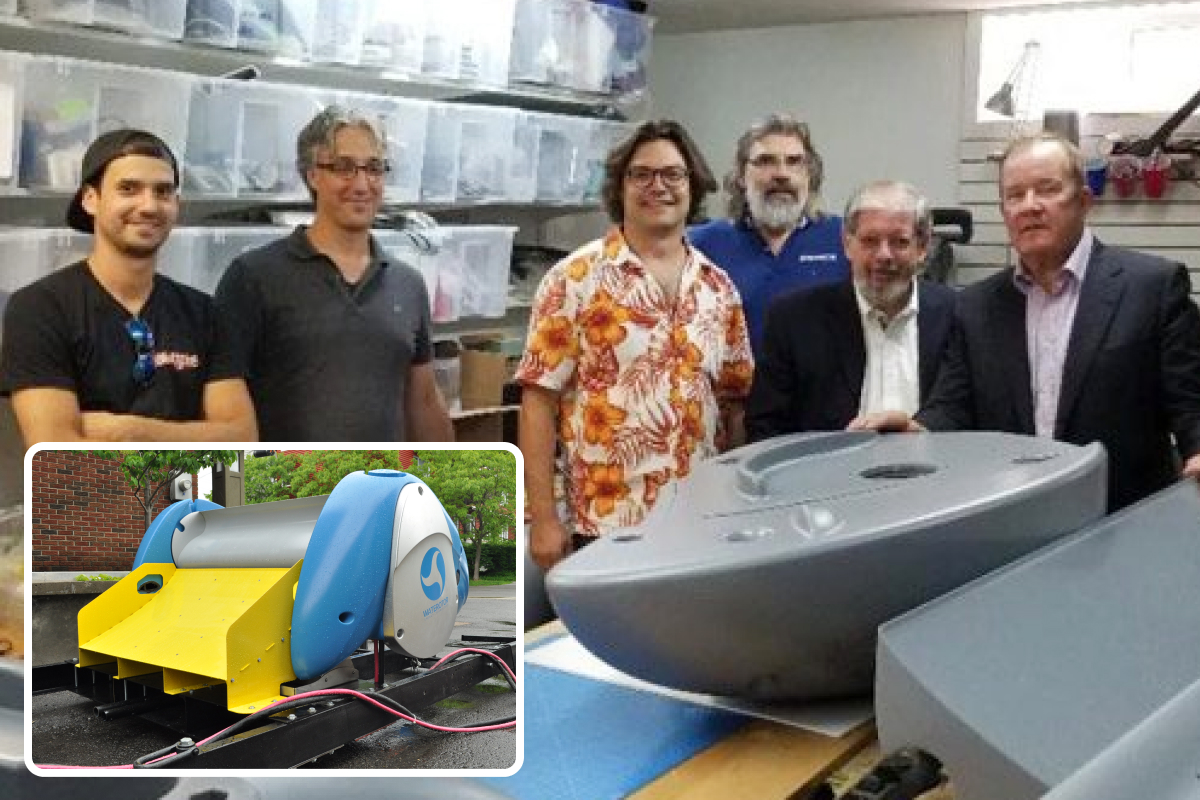
Image: Design 1st team showing Waterotor client finished prototype
We’ve seen teams skip $5,000 bench tests, then face $250,000 tooling changes. Or choose components without verifying availability, forcing complete redesigns when suppliers can’t scale or parts are discontinued. You need experts to identify and qualify risks and provide options.
- Bench model testing to validate risky mechanisms before full integration
- Component sourcing verification during part selections, not after builds
- Progressive risk reduction from bench models through to beta units
- In-house prototyping shortens iteration cycles from weeks to days
- Engineering assessments on feasibility figure out what not to do
Read Feature Article: Design Engineering Magazine – Finding the Happy Path, Interview With Design 1st CEO, Kevin Bailey
Why we Prototype (Build & Test)
Assessing Feasibility, Value and Risk
In the world of designing physical devices, you cannot just build a fully working product each time you want to evaluate a potential solution. Unlike the software world the cost of build and test is orders of magnitude greater and time to design and build each iteration to the fidelity expected by users is many months not days. The only practical way to evaluate and refine a physical product design is to use focussed testing of specific known risky elements to collect specific data to help make design decisions, as your product development progresses.
In-House Prototyping Technology
We build and test ideas in our 1500 sq/ft studio, mechanics, electronics, software and prototype labs. Onsite enables rapid iteration, testing, and early low-volume production
- FDM printing (PLA, ABS, TPU) with 0.2mm resolution
- SLA printing for high-detail parts down to 0.05mm layers
- 3-axis CNC milling for aluminum, steel, and engineering plastics
- 2-part silicone molds for durometer 20A-80A flexible parts
- Urethane casting for ABS-like and polycarbonate-like rigids
- Environmental chamber (-40°C to +85°C, 10-95% RH)
- SMT rework stations with hot air and microscopes
- Spectrum analyzer for RF testing up to 6GHz
- Thermal imaging cameras for heat mapping
- Also see our ID, mechanical, hardware and software pages
Smart Device Electronics Prototyping
Specialized electronics prototyping capabilities for connected products and smart devices:
- Development board prototyping (Arduino, Raspberry Pi, ESP32)
- Wireless systems: WiFi/WLAN (802.11), Bluetooth®, GPS, Cellular, RFID, ZigBee®
- Power systems including custom BUCK/BOOST, battery management, solar power
- Electronic circuit design and schematic capture
- AC/DC and DC/DC design for optimized battery life
- PCB layout for mixed signal/high speed/high layer count (Allegro®, Altium®, PADS®)
- Antenna placement and range testing
- Sensor integration (motion, environmental, biometric)
Build & Test Validation
Systematic validation through progressive prototype testing:
- Mechanism testing with force measurement and cycle validation
- Drop testing from 1-2 meters onto concrete per IEC standards
- IPX4-IPX8 waterproof testing with pressure chambers
- Thermal cycling -40°C to +85°C with functional monitoring
- Vibration testing (random/sine sweep) per MIL-STD-810
- Material fatigue and stress testing under load
- Button/switch activation testing for 10,000-100,000 cycles
- Component validation builds for supplier qualification
Production-Intent Prototyping
Bridge the gap from prototype to volume manufacturing:
- Alpha builds with custom PCBs and injection-molded housings
- Beta prototypes using production-grade materials (PC, ABS, PC+ABS)
- EVT/DVT/PVT builds following standard validation protocols
- Pilot runs of 10-100 units for field testing and certification
- Assembly time studies and workflow optimization
- First article inspection (FAI) documentation
- Production fixture development for repeatable assembly
- BOM cost reduction through component substitution testing
Prototyping should embed Manufacturing Thinking
– and figuring out Feasible Solutions takes Iteration
Part selection and supply strategy runs in parallel with the design of the product. From prototyping to production product and beyond, we can provide manufacturer coordination services to avoid costly mistakes on production builds. By addressing sourcing, costing, and manufacturing strategy right from the start we ensure smooth transitions from idea to prototype to profitable production. Only taking risk where you have to requires experience and a process, but you cannot test everything.
It takes a physical design team with deep experience in mother nature and thousands of products designed and tested to know what the high failure risks may be, so you can carefully and selectively evaluate and minimize the level of risk where possible. We know the difference between passing certification tests and building durable and reliable products that engage customers and deliver new value.
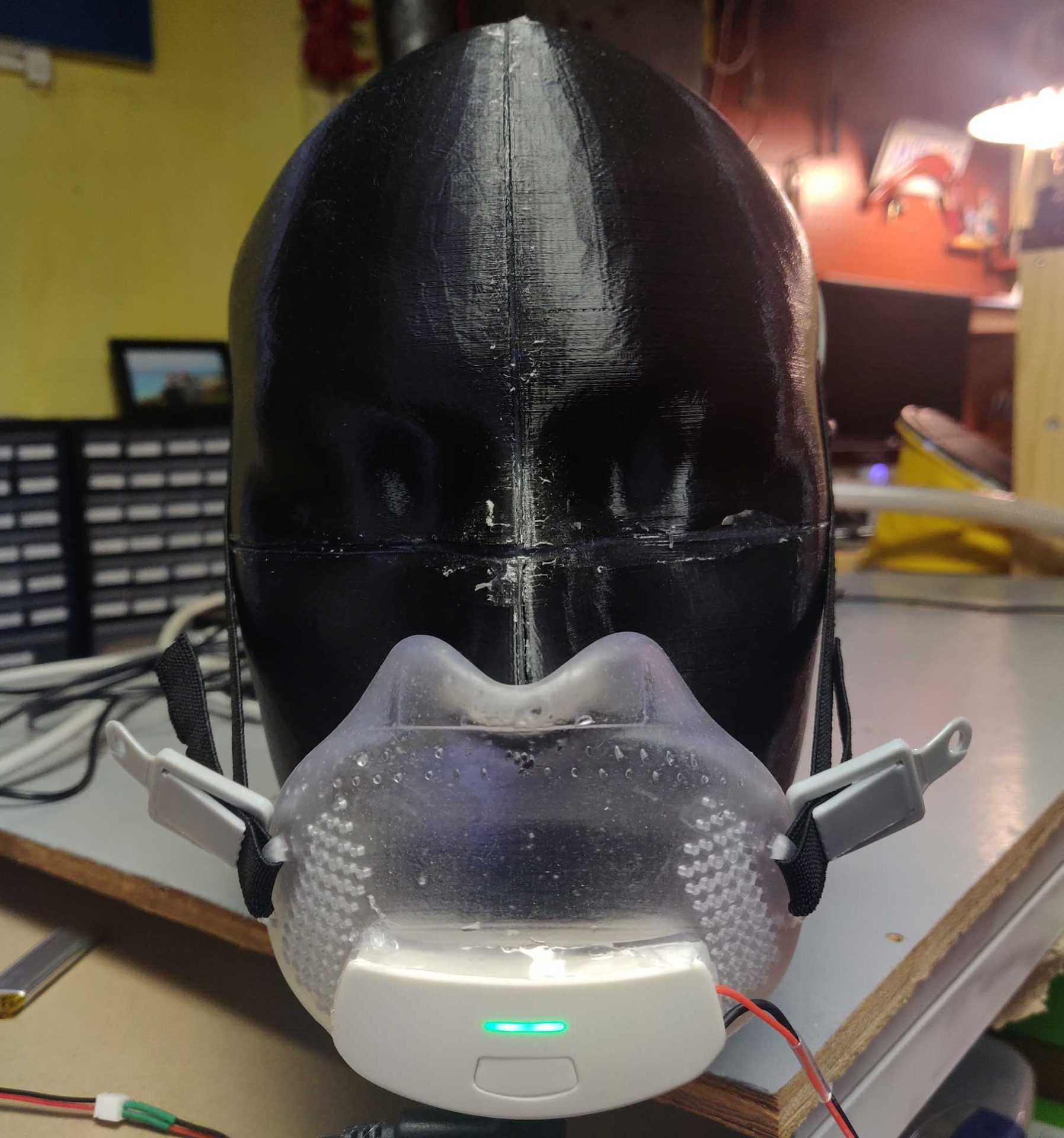
Many Ways to Qualify Risk – from sketches to Bench Models to Pre-Production Units
Every item built to test should answer a specific question before moving to the increasingly expensive next stages of development. Too often design teams build $30,000 prototypes before validating basic user acceptance and ergonomics. Or they skip the $2,000 mechanism test, then discover their new style hinge fails after 1,000 cycles—requiring extensive redesign after production tooling was built.
Our approach is to build and test only what’s needed to answer today’s critical questions—perhaps a show model to attract investment, foam model for ergonomics, user interface model for user evaluations, a lab test to verify a circuit or mechanism, pilot run units for certification and so on.
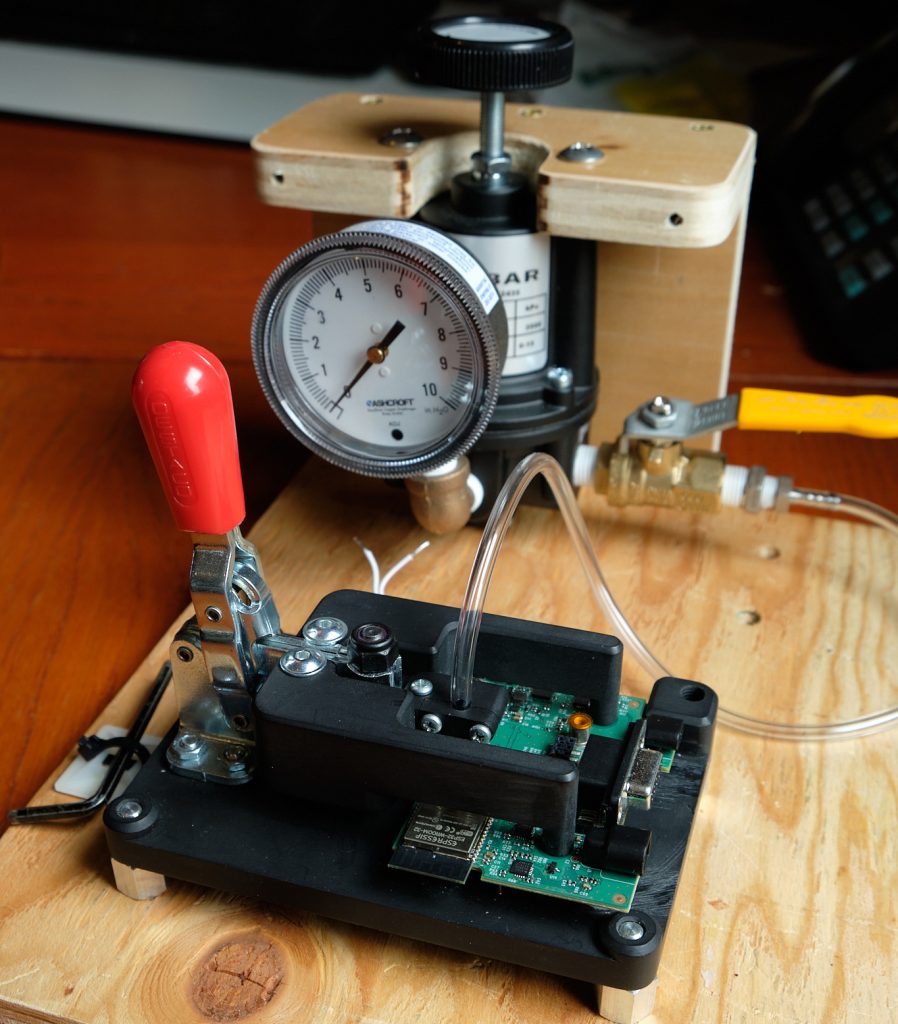
Rapid In-House Prototype Builds and Iterations
Waiting three weeks for a prototype kills momentum while competitors pivot and capture your market when time to market is critical. We build and test risky elements in-house in our studio, mechanics lab, electronics lab and software lab.
With our network of prototype suppliers globally, its fast and low cost to do rapid iterations on risky items at every stage of the development process. We catch costly issues early in development when design choices lock in 70% of lifetime product costs. Rapid iteration means finding ways to test an idea or design change, in hours not days.
We maximize your design development velocity to accelerate the development time to product ready for sale and use.
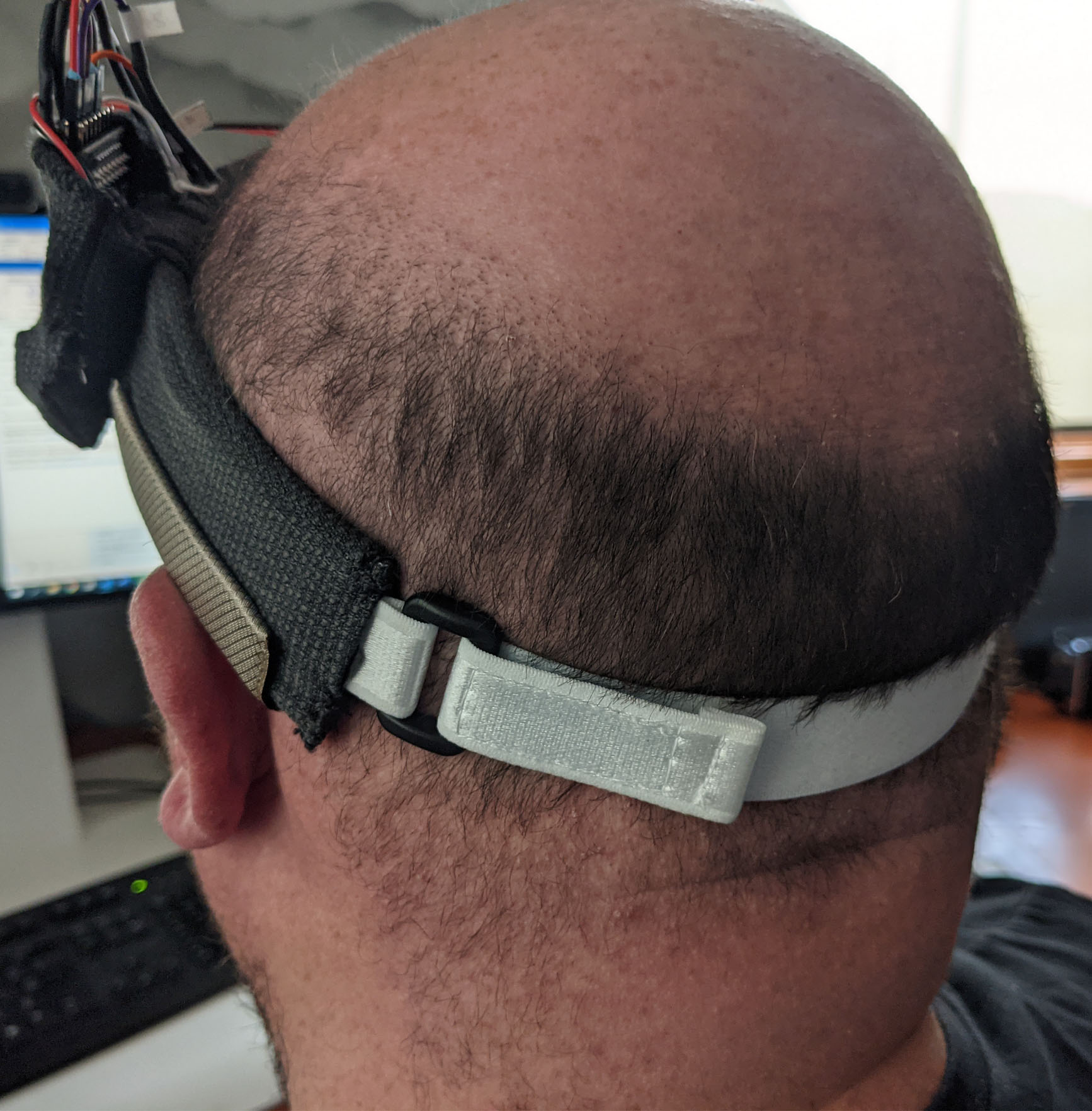
In Use Testing - to Validate Product Fit and User Experience
Lab tests attempt to reflect reality to obtain critical insights and avoid field failures and one-star reviews of your new product. Your prototype survived your planned drop test height, but what about falling from a runner’s armband at mile 20 onto a concrete sidewalk? We simulate actual use conditions— like sweaty hands that chemically attack surfaces, dusty job sites that find their way into moving mechanisms and create havoc, and how about toddlers using your device as a teething toy which presents safety and durability challenges.
Our internal testing pushes limits to find failure points so we know where the product weaknesses are – and minimize them before you get to approvals testing and customers.
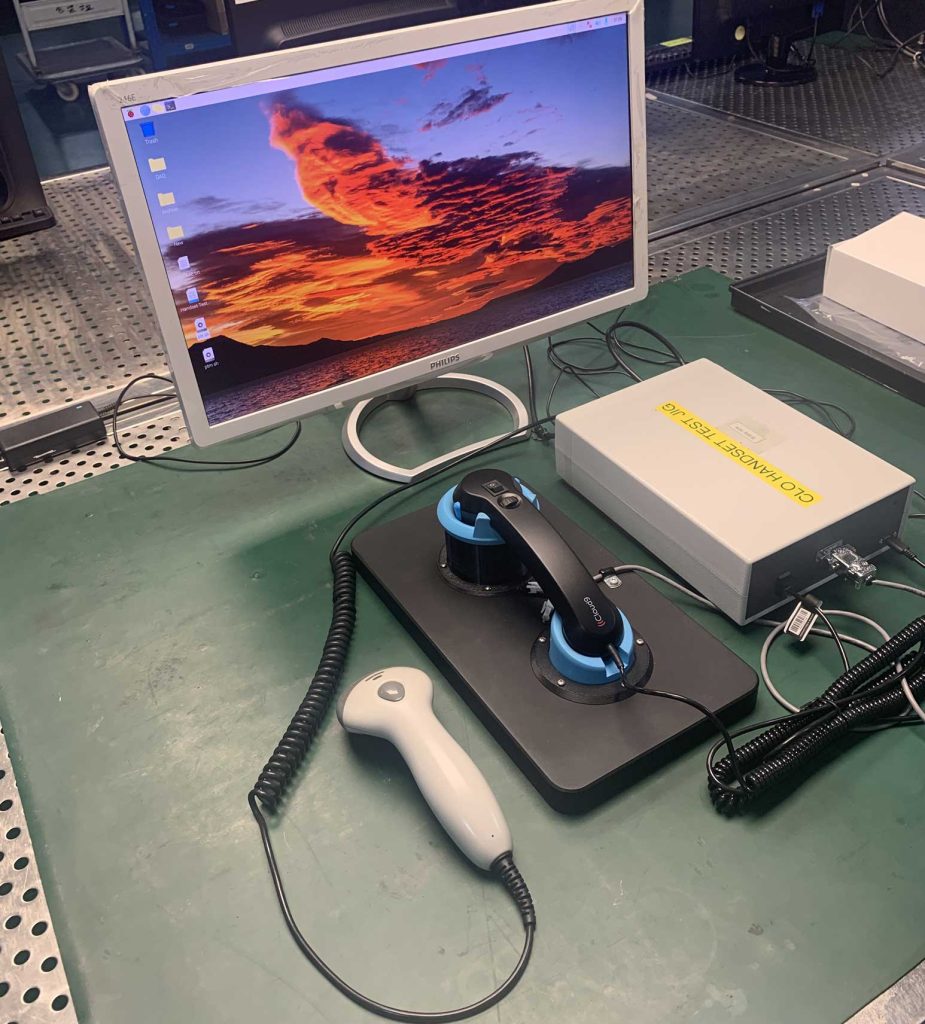
Production-Ready Prototype Builds - with Design for Manufacturer Checks
The prototype works perfectly, then a manufacturer is selected and their way of working is different than the design team envisioned and everything falls apart. Tolerances of the off-tool parts vary more than anticipated and the assembly stacks wrong, assembly takes 2x longer due to process steps not anticipated by design team, that clever snap-fit fails as the gate placement in the tooling design led to material flow weakness at the base of the snap. 95% of the time this is the reality when bringing physical devices to market. Once a product reaches the customer, it only takes one failed component to turn the entire product into landfill. Repair is only an option in the most expensive products.
We are experts at the 1000 failures that poor choices lead to. We think production limitations right from the start. Every model, survey, test and prototype orients around production limitations in process, materials and variation. By the time you’re paying for custom tooling, there are no surprises—just smooth transition as the manufacturer prepares for volume production.
Fully Certified and Award-Winning
Our company and staff are professional engineers with multiple industry certifications.




Need help tackling tough technical challenges in your product development?
Design 1st integrates our knowledge and expertise with yours to bring your product idea to life.
Related Technology Expertise
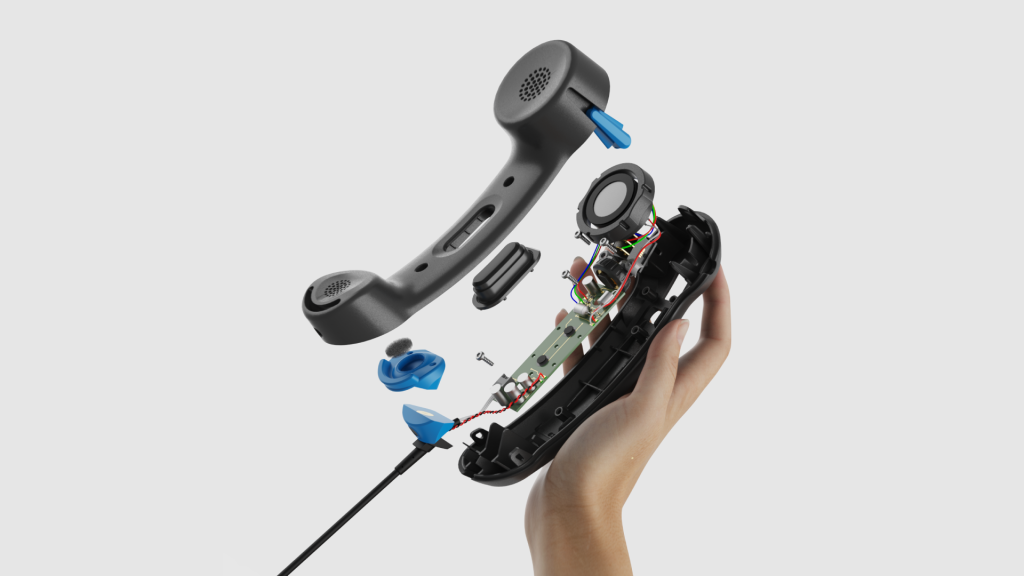
Audio Design
From award-winning HiFi equipment to alarm systems, and phones, we have the expertise to integrate audio into your next project.
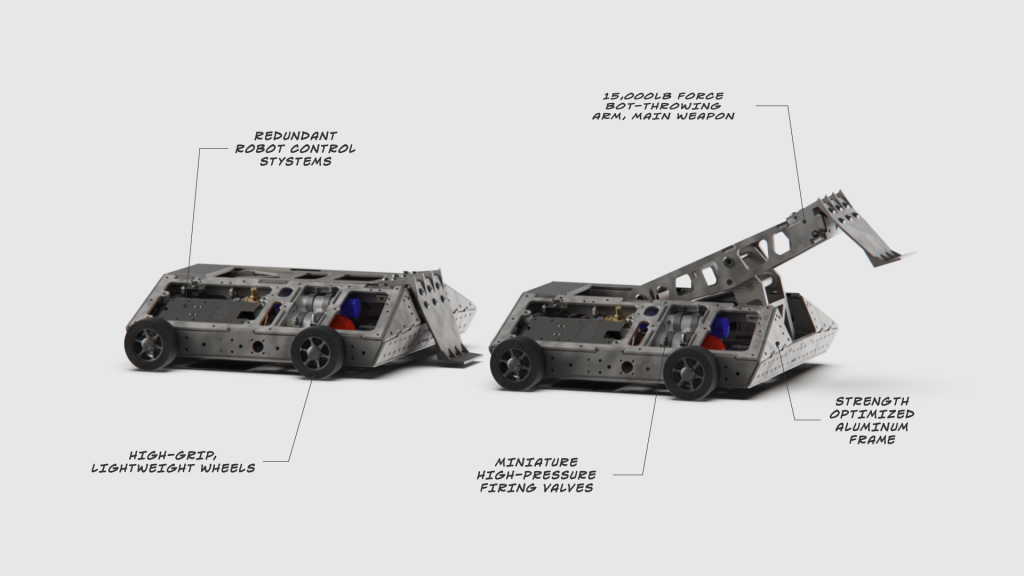
Robotics and Mechanisms
Simple to robust mechanisms, and fully autonomous robotic devices, our integrated design and engineering team can meet your requirements.

Body Worn Devices
Deep wearable expertise for human-worn devices with connectivity, and comfortable ergonomic fits that the needs of your product.