




Molecule came to Design 1st with a problem we love solving.
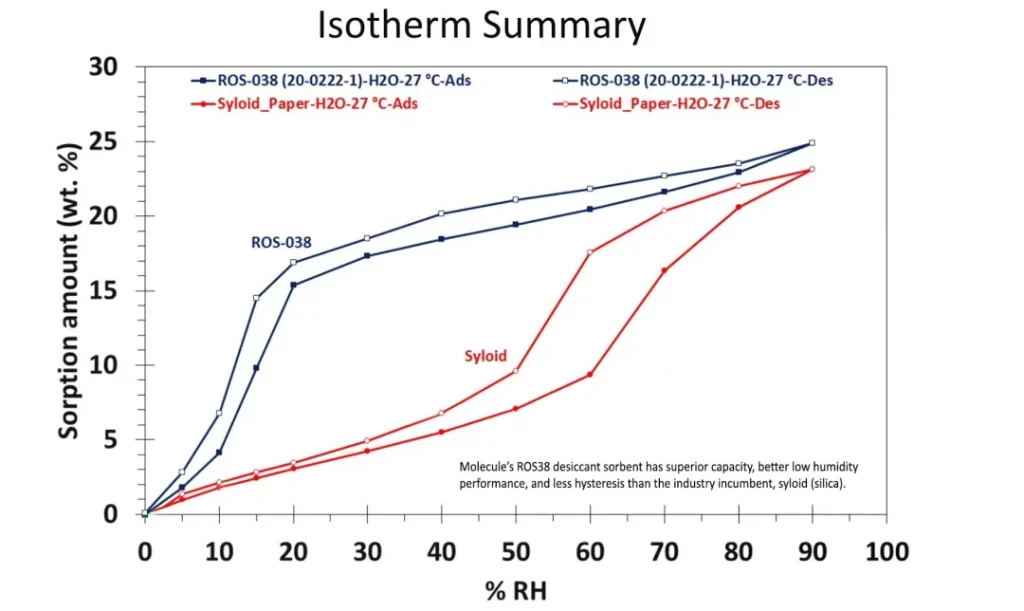
The company had a breakthrough material developed at the University of Limerick. A porous desiccant that could pull moisture from air with impressive speed and energy efficiency. The science worked. The lab results were promising.
But science doesn’t ship. Molecule needed to know if this could actually become a product.
The Challenge
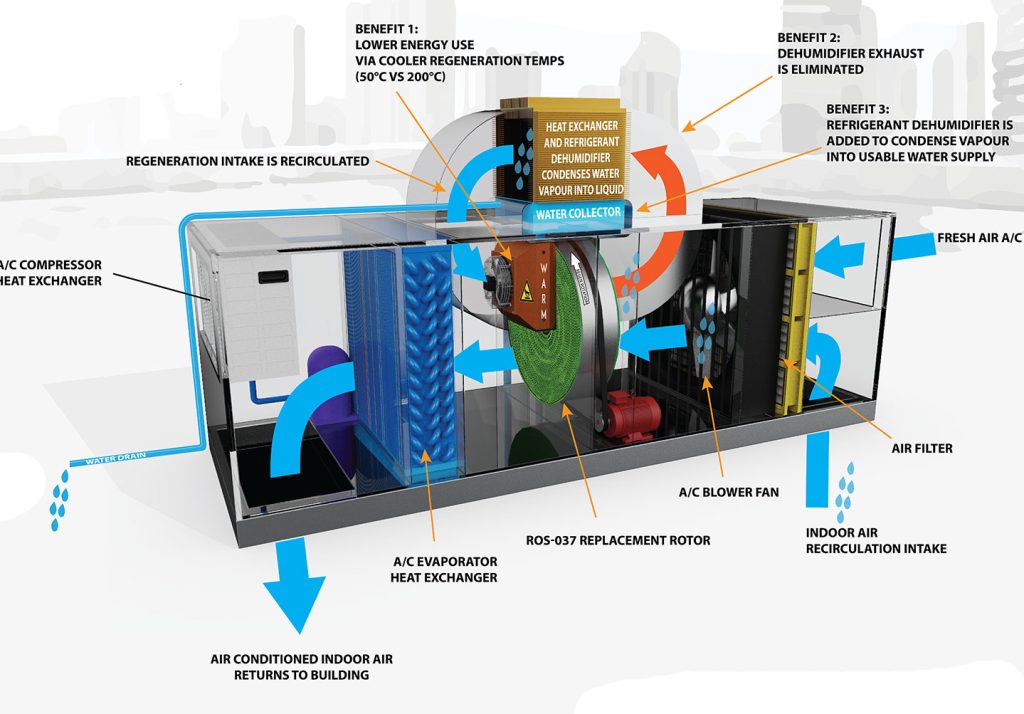
Molecule’s material existed as a powder. To test it in real commercial conditions, the team needed that powder formed into something functional—a desiccant rotor wheel that could handle airflow and temperature swings during absorption and release.
The problem? Companies that manufacture these rotors have spent years and millions of dollars building specialized equipment. Molecule didn’t have years. They needed answers fast.
After evaluating multiple firms, Molecule chose Design 1st. As their CTO Kurt Francis put it: “Design 1st had the deepest bench for technical capabilities. They’ve worked on such a broad range of product development with successful commercialization that they have all the technical expertise we needed in-house.”
What Design 1st Built
The first job was translation. Our engineering team worked with Molecule to understand the physics and chemistry of the material—what it could do, what it couldn’t, and what properties mattered for a real product.
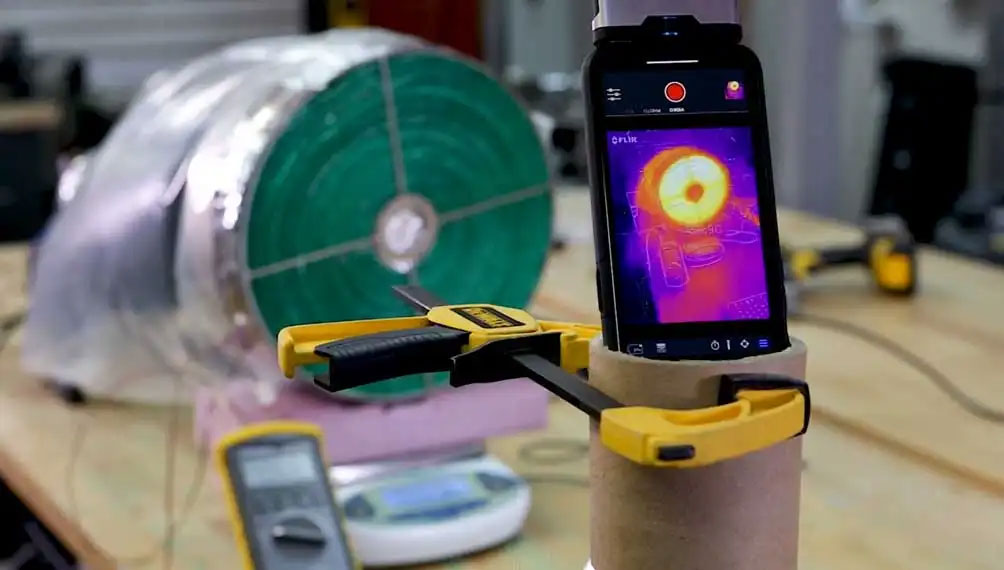
Then came the build. Through rapid iteration and hands-on prototyping, the team constructed a working rotor to test the material’s performance under commercial conditions.
Technical Deep Dive: The Rotor Build
The core challenge was adhering kilograms of desiccant powder to a substrate that could handle high airflow, operate between 15°C and 80°C, and not interfere with the water absorption chemistry.
Existing rotor manufacturers solve this with purpose-built machinery refined over decades. Design 1st had to achieve comparable results in the prototyping shop—no specialized equipment, just experience across hundreds of prior projects and a willingness to try, fail, and iterate fast.
The team tested multiple substrate materials, adhesion methods, and structural configurations until they found something that worked.
The Result
The first prototype didn’t just test well. It generated water.
As one of our engineers described it: “You set up the equipment, get everything running, turn it on, walk away, come back an hour later and there’s a liter of water. It’s mind-blowing.”
That prototype gave Molecule the validation they needed. The company has since progressed from powder to prototype to commercially-produced substrate—and Design 1st continues working with them on the next stages of bringing this technology to market.
R&D Commercialization
Some projects come to us with a clear spec and a known path to manufacturing. That work is satisfying in its own way.
But the projects that get the team fired up are the ones like Molecule’s. Where the technology works in a lab but nobody’s figured out how to make it real yet. Where the first question isn’t “build this” but “can this even become a product?”
That’s the work. Turning research breakthroughs into something you can manufacture, sell, and put in people’s hands.