Communities and individuals are focused on stopping the spread of harmful viruses. Governments are stepping in to help, offering financial and regulatory support to bring new hardware devices to market fast.
Companies are contacting Design 1st to support the country-wide health initiative. Here are seven hardware trends we see developing in 2022, including product examples from our clients.
Trend #1: Personal Air Purifiers
AirTamer Product Features
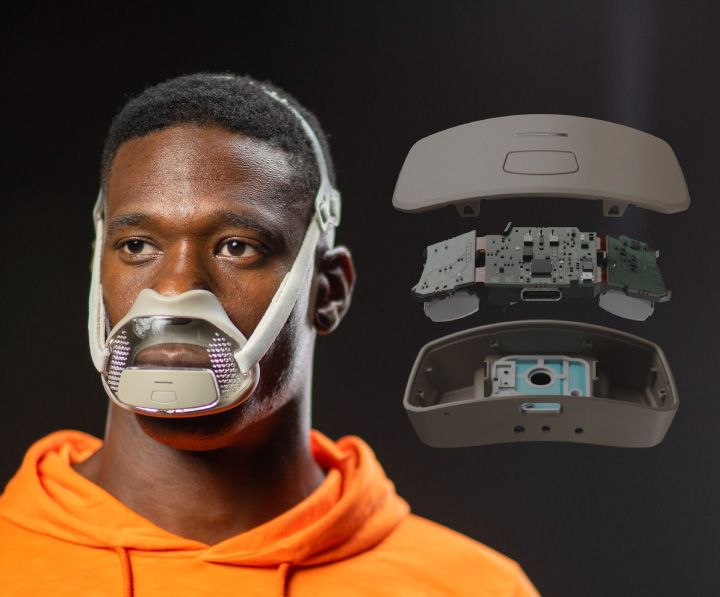
Personal hardware devices that filter pollutant’s, allergens and harmful bacteria from air are in high demand. These include small machines and wearable devices that filter air around personal spaces. The hardware uses a variety of technology including electro-static, ionic, HEPA and UV filtration.
One example is Air Tamers – the industry standard for air purification. Launched in 2004, Air Tamers works by transferring an electrostatic charge to micrometre size particles in nearby air.
The device is popular for frequent travelers and was designed by the mechanical team at Design 1st.
Trend #2: Personal Protection Equipment (PPE)
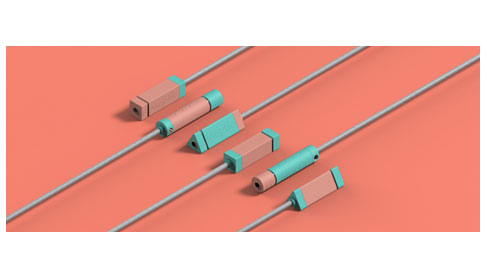
Pre-production prototype of Handsandal
Personal protection equipment helps limit people’s contact with surfaces and environments containing harmful containments. This equipment includes respiratory, hand, mouth, and eye protection products, including those preventing people from touching their face.
Now, a renewed focus on PPE is breathing life into existing products and incentivizing new equipment innovations to limit contact with surfaces.
Handsandal, a simple hardware device, was designed by the Design 1st team to limit contact with surfaces in office settings.
The product effortlessly grips objects like doorknobs, hands, buttons, levers, and rotating surfaces. Allowing for zero-contact interaction in public environments.
Trend #3: UV Light Sanitizers
Mobile Phones UV-C Light Sanitizer
UV-C light sanitizers have seen a surge in demand in 2020. These devices use short-wavelength, ultraviolet light to break apart bacteria, germs and containments destroying pathogens. If you’ve ever had a bad sunburn, you understand the power of UV light.
CleanSlate UV is a Canadian example of a professional UV Light sanitizer system. The Toronto-based company produces a medical grade UV Light Sanitizer device that eliminates pathogens on mobile devices and personal items.
The device allows hospital staff, patients and visitors to sanitize personal items to reduce the spread of infection.
Trend #4: Portable Sanitation Stations
3D Rendering of WashSense Dispenser
As we face the new normal brought on by COVID-19,having better access to personal sanitizing stations will be critical. Workplaces, public venues and schools will all need to rethink their approach to keeping hands clean in their spaces. This will require a new wave of innovation in sanitization stations that go beyond the standalone disinfectant dispersers common today.
One example of a creative sanitization solution is WashSense, a smart handwashing monitor. The California hardware startup monitors and educates users on how to wash their hands correctly, giving them a score out of 100. The point-of-care device provides feedback to facility staff and has reduced infection spread by 30 per cent in assisted living and health care facilities.
Trend #5: Cashless Pay Stations
Portable Cashless Donation Station
The decline of cash transactions is accelerating. Consumers are more likely to carry credit or debit cards for both convenience and to prevent the spread of viruses. This trend is pushing many payment providers into the hardware space as they develop new contactless pay stations, devices and kiosks.
In the charity space, Toronto-based Aviro offers several solutions to help merchants and charities collect payment without exchanging cash. Their KwikGive device is a stand-alone donation box that makes cashless fundraising happen.
In the charity space, Toronto-based Aviro offers several solutions to help merchants and charities collect payment without the exchange of cash. Their KwikGive device is a stand-along donation box that makes cashless fundraising happen without exchange of coins or bills.
Trend #6: Remote Patient Monitoring Hardware
Functional Prototype of Original LifePod
Limiting patient contact in healthcare facilities is critical to stop the spread of infections. A major trend offering to help limit exposure is remote patient monitoring. This includes devices that monitor vital signs, provide caregiving services and conduct medical evaluations.
LifePod helps seniors access healthcare and social interaction in a home setting. The voice-activated devices allow remote caregivers and families to get regular updates on the well-being of loved ones. Design 1st helped move the device from idea to functional prototype. You can learn how here.
Trend #7: Contactless Vital Sign Monitoring
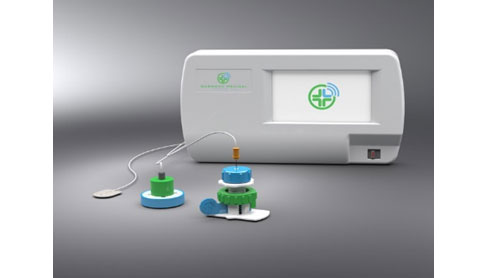
ARC Medical: Wireless Thermometer
In healthcare settings, limiting contact with patients is a top priority. Taking accurate readings of patient’s vital signs without contact slows the spread of viruses. Devices that do this allow clinicians a safer interaction with patients.
Design 1st client ARC Devices Inc. has developed several connected devices that measure vital signs including pulse, temperature and blood pressure. These devices allow healthcare professionals and patients easy access to vital sign information.
Share
Working on hardware to stop the spread of viruses?
We can help take you from idea to design, prototyping, and volume manufacturing.
Companies Are Investing in Durable Medical Equipment Development
As the population ages, the demand for durable medical equipment is rising. Companies across North America are investing into the development of new equipment to meet patients’ needs.
This equipment includes a range of mechanical and connected devices that utilize new technologies. Check-out the top 27 on the market below:
Connected Medical Equipment
The biggest wave of innovation is happening with connected medical devices that allow patients and healthcare professional monitor progress.
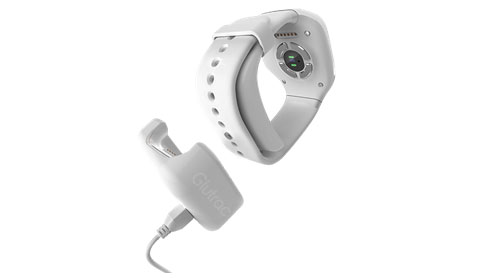
Glutrac is a smart wearable for non – invasive glucose monitoring. It measures signals from human bodies with optical sensors of different wave bands and collects data using four monitoring methods and then build big data powered models for individual users to calculate users blood glucose levels relying on A I and deep learning.
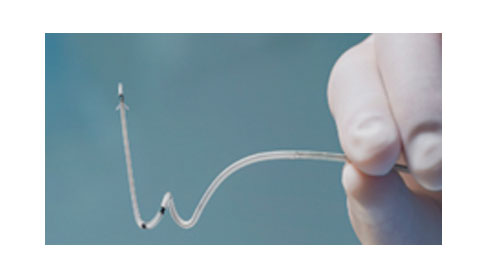
Glaukos’s iStent Inject is designed to reduce intraocular pressure safely and effectively in patients who have been diagnosed with primary open-angle glaucoma, pseudo-exfoliative glaucoma or pigmentary glaucoma.
The injection is implanted through a single-entry point during cataract surgery or during a standalone procedure. It creates a bypass through the primary blockage site to improve physiological outflow, according to the company.
Endomagnetics’s Magtrace and Sentimag magnetic localization system is a magnetic device system that is used to guide lymph node biopsies in patients who are having a mastectomy for breast cancer.
Bilateral anterior thalamic nucleus stimulation using the Medtronic DBS System for Epilepsy is indicated as adjunctive therapy for reducing the frequency of seizures in individuals 18 years of age or older diagnosed with epilepsy characterized by partial-onset seizures, with or without secondary generalization, that are refractory to three or more antiepileptic medications.
The ProAir Digihaler device from Teva Pharmaceutical Industries is a digital inhaler that uses sensors to connect to a companion smartphone app for people who have asthma and chronic obstructive pulmonary disease, according to the company.
Boston Scientific’s Sentinel cerebral protection system is an embolic protection device that captures and removes thrombus/debris during trans catheter aortic valve replacement procedures.
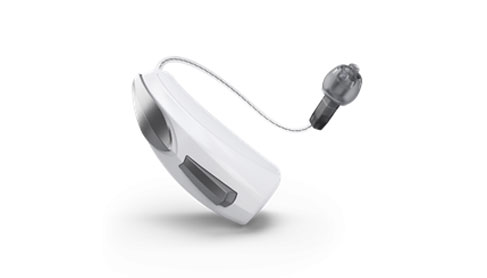
Starkey’s Livio AI is a hearing aid that can track body and brain health. Using integrated sensors and artificial intelligence, Livio AI can detect when users have fallen and can act as an assistant. Livio AI is rechargeable and offers 24 hours of hearing on one charge. When paired with the Thrive smartphone app, users can stream cellphones, TV, music and other media directly to their hearing aid.
Abbott’s FreeStyle Libre system is a glucose-measuring system that eliminates the need for finger sticks or finger-stick calibrations. It measures glucose levels through a small sensor that is applied to the back of a user’s upper arm. The sensor is the size of two stacked quarters and gives real-time readings for up to 10 days, according to the company. The sensor is also able to read glucose levels through clothes.
Abbott’s FreeStyle Libre system is a glucose-measuring system that eliminates the need for finger sticks or finger-stick calibrations. It measures glucose levels through a small sensor that is applied to the back of a user’s upper arm. The sensor is the size of two stacked quarters and gives real-time readings for up to 10 days, according to the company. The sensor is also able to read glucose levels through clothes.
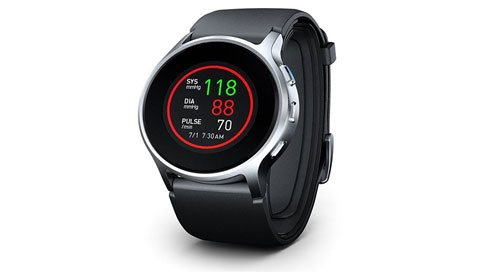
HeartGuide is a wearable blood pressure monitor in the innovative form of a wristwatch. In tandem with its companion app HeartAdvisor, HeartGuide delivers powerful new technology making tracking and managing your blood pressure easier than ever before.
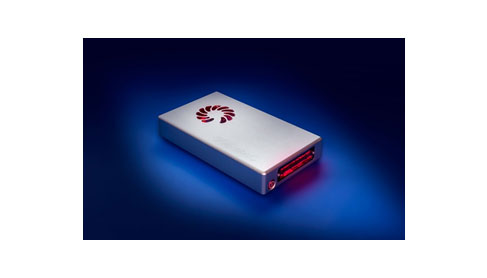
SoeMac is a wellness product which can help you to breathe and sleep better. It works by drawing air inside, and produces a bio-usable form of energized oxygen, known as Singlet Oxygen Energy, or SOE.
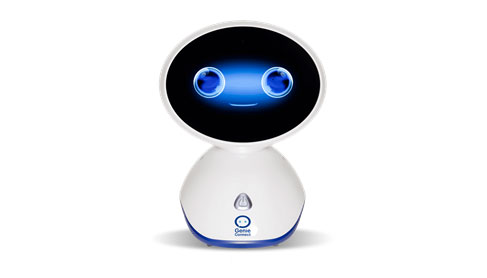
Genie Connect can have a conversation and set up video chats with healthcare professionals and family members. Service Robotics Limited designed it to help stimulate and engage the user’s mind. It also reminds the user when to take medication and attend appointments.
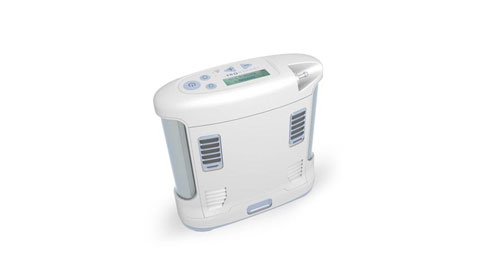
The Inogen One G3 delivers the independence of a portable oxygen concentrator in one of the smallest, lightest and quietest packages available to the oxygen user today.
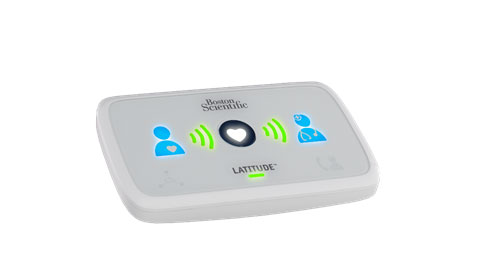
As implanted device patients are living longer and the amount of available patient and device data keeps growing larger, remote monitoring has become the standard of care. The LATITUDE NXT Remote Patient Management System lets you monitor your patients’ device data between scheduled appointments for improved efficiency and better patient care.
Maptic is a system of wearable sensory devices for the visually impaired, consisting of a visual sensor and vibrating feedback units. These customisable, personalisable modules can be worn without attracting the stigma that current assistive products harbour, while still accurately detecting objects in the visual field and transmitting them into intuitive vibrations on the body.
Mechanical Medical Equipment Innovations
Mechanical medical equipment includes standalone devices like wheelchairs, walkers and blood pressure monitors.
As implanted device patients are living longer and the amount of available patient and device data keeps growing larger, remote monitoring has become the standard of care. The LATITUDE NXT Remote Patient Management System lets you monitor your patients’ device data between scheduled appointments for improved efficiency and better patient care.
Maptic is a system of wearable sensory devices for the visually impaired, consisting of a visual sensor and vibrating feedback units. These customisable, personalisable modules can be worn without attracting the stigma that current assistive products harbour, while still accurately detecting objects in the visual field and transmitting them into intuitive vibrations on the body.
20) ABLE
ABLE is the first lightweight, easy-to-use and affordable exoskeleton for people with lower-limb paralysis, that restores the ability to walk naturally and intuitively.
BioPrax™ is a minimally invasive device designed to help eliminate biofilm infections on prosthetic knee implants during early intervention procedures and was recently granted Breakthrough Device designation by the FDA.
“Trails (Patent Pending) were designed in a constant search for better and more innovative solutions. Our main concern is to ensure that our customers enjoy full support and safety at their work, to speed up the procedures and save lives. … because when saving lives, seconds count!”
“Trails (Patent Pending) were designed in a constant search for better and more innovative solutions. Our main concern is to ensure that our customers enjoy full support and safety at their work, to speed up the procedures and save lives. … because when saving lives, seconds count!”
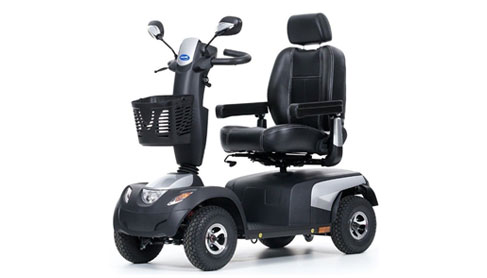
Mobility scooters from Invacare are a stylish range with exceptional manoeuvrability, reliability and safety. Our scooters offer a wide range of mobility with many safety features as standard. Designed for everyday use this stylish range features micro, mini, medium, large and bariatric models.
The patent pending M+D Crutches cradle the user’s elbows and evenly distribute their weight throughout the forearms; removing pressure that other crutches place on the armpits, wrists and hands.
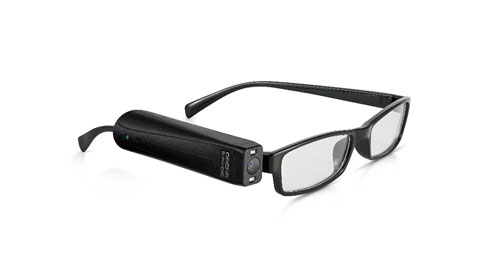
“OrCam MyEye is a revolutionary voice activated device that attaches to virtually any glasses. It can instantly read to you text from a book, smartphone screen or any other surface, recognize faces, help you shop on your own, work more efficiently, and live a more independent life! OrCam MyEye conveys visual information audibly, in real-time and offline.”
Share
Working on a new medical device?
We can help take you from idea to design, prototyping, and volume manufacturing.
Doctor are inventing successful new medical devices.
Entrepreneurial doctors across North America are driving medical innovation forward across a variety of niches including cardiology, orthopedics, dentistry, pediatrics and DNA analysis.
Explore 9 medical devices startups founded by doctors:
Montreal-based orthopedic surgeon Dr. Edward Harvey saw an urgent patient need to improve diagnosis of Acute Compartment Syndrome (ACS), a limb-threatening muscle condition that occurs within 48 hours of a trauma. MY01 is his solution: a real-time patient monitoring hardware device and companion application.
Fun Fact: My01 was selected as MedTech Top 50 Global Innovator.
Toronto-based Cardiologist Dr. Yair Feld co-founded Paragate Medical to develop his idea for an implantable device that would limit pathologic fluid overload, a major symptom of heart failure and kidney disease. The device works through continuous clearance of systemic congestion.
Fun Fact: Paragate Medical was selected as a MedTech Top 50 Global Innovator for its medical device.
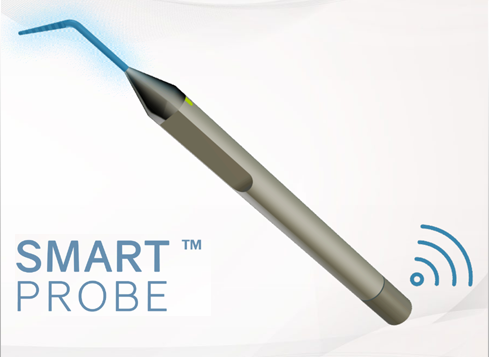
Ottawa based dental surgeon Dr. Marc Lamarre saw an opportunity to improve dental charting and periodontal probing. The current methods use paper charts and a metal probe — the gold standard for over 120 years. Dr. Lamarre’s solution was a 3D voice-activated charting system and digital probe that he is bringing to market with help from Design 1st.
Fun Fact: Cumulus Dental is in the middle of clinical trials and plans to launch in 2019.
Harvard-educated, Toronto-based physician Julielynn Wong founded 3D4MD in 2011 to bring affordable medical tools to support medical care worldwide. The solution was a 3D printing system approved by Health Canada and the FDA that prints medical tools, supplies and equipment on demand, anywhere in the world – or space.
Fun Fact: 3D4MD was used on the International Space Station to 3D print a finger splint
Toronto-based reconstructive surgeon Dr. Podolsky wanted to bridge the gap between theory and training on real patients for cleft palate repair surgery. The solution was a life-like cleft palate simulator, a physical model that can be used with real surgical instruments in an operating room setting.
Toronto-based cardiologist Dr. Brian Courtney saw an opportunity to use new medical image guidance systems to improve cardiovascular procedures to make common procedures faster and safer. The solution was an intravascular coronary imaging system that can visualize blood flow in 3D, giving a clear picture to the surgical physician.
Fun Fact: Conavi announced first clinical use of their technology in August 2018.
Ottawa-based pediatrician Dr. Matthew Bromwich knew the importance of endoscopy video for patient care and resident training but found getting access to video equipment difficult. The solution he invented was the Health Canada approved CLEARSCOPE Adaptor, an endoscope attachment that uses a smartphones HD camera.
Fun Fact: The CLEARSCOPE sells across the globe with distributors in every continent.
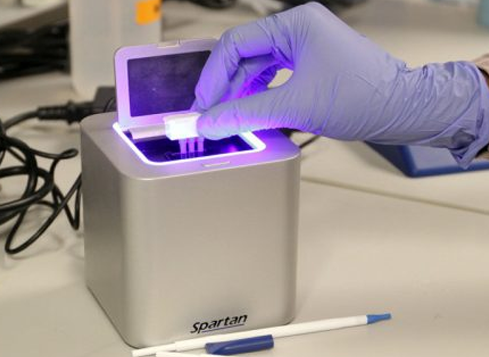
University of Ottawa educated physician Dr. Paul Lem was frustrated with the status quo of DNA analysis, a process that was slow, complex and expensive. Dr. Lem’s solution was to take DNA analysis out of the lab and into the clinic via a portable DNA analyzer device that could provide the same DNA results at a fraction of the cost.
Fun Fact: In 2018, Spartan’s CUBE provided a breakthrough in testing for Legionnaires Disease Bacteria.
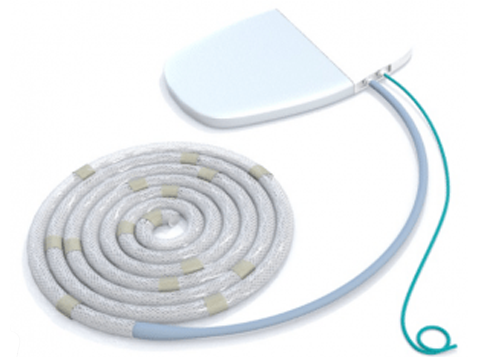
Edmonton-based cardiac surgeons Dr. Darren Freed and Dr. Jayan Nagendran saw a major problem with organ transplants in Canada – wait lists were long and less than 25% of donated organs were suitable for transplant. The solution was to increase the amount of organs suitable for transplant through an innovative-thermal controlled medical device.
Fun Fact: Tevosol received $20 million in Series A funding to bring the technology to market.
Share
Working on a medical device idea?
We can help take you from idea to design, prototyping, and volume manufacturing.