Medical Device Product Development Services

DENTIST INVENTOR
“We ended up with the best product in dentistry. FDA approval — very, very fast. Design 1st came through.”
David Turner — Dentist & Founder, ProDrive Systems

We help doctors, dentists, and companies develop innovative medical devices

We work in your specialty

Experience across every medical device category.

If you’re a physician with an idea in one of these areas, we’ve built devices like yours before.

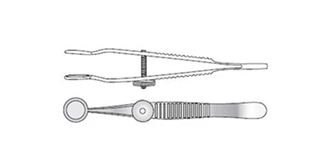
Surgical Instruments

Turn your ideas for better surgical tools and instruments into working prototypes, ready for manufacturing.

Drug Delivery Devices

Realize your product visions for innovative drug delivery devices that empower medical professionals and patients.

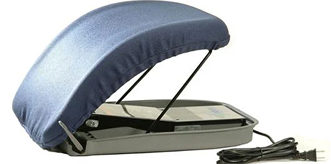
Assistive Devices

Modern technology creating new opportunities for assistive device product ideas to help people with disabilities.

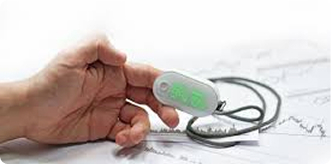
Vital Sign Monitoring

Sensor technology fueling the rise of innovative vital sign devices, making new products and ideas possible.

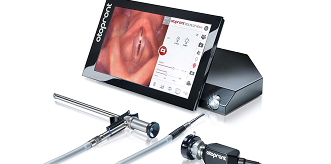
Endoscope & Imaging

Endoscope technology continues to get smaller and more powerful, aided by compact chipsets and cameras.

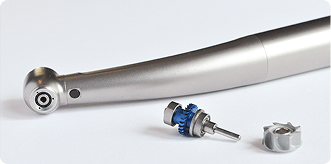
Dental Equipment

Transform your dental device vision into a full-functional prototype for user testing and full volume production.

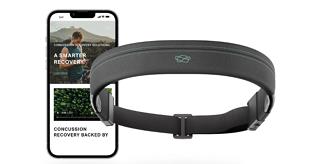
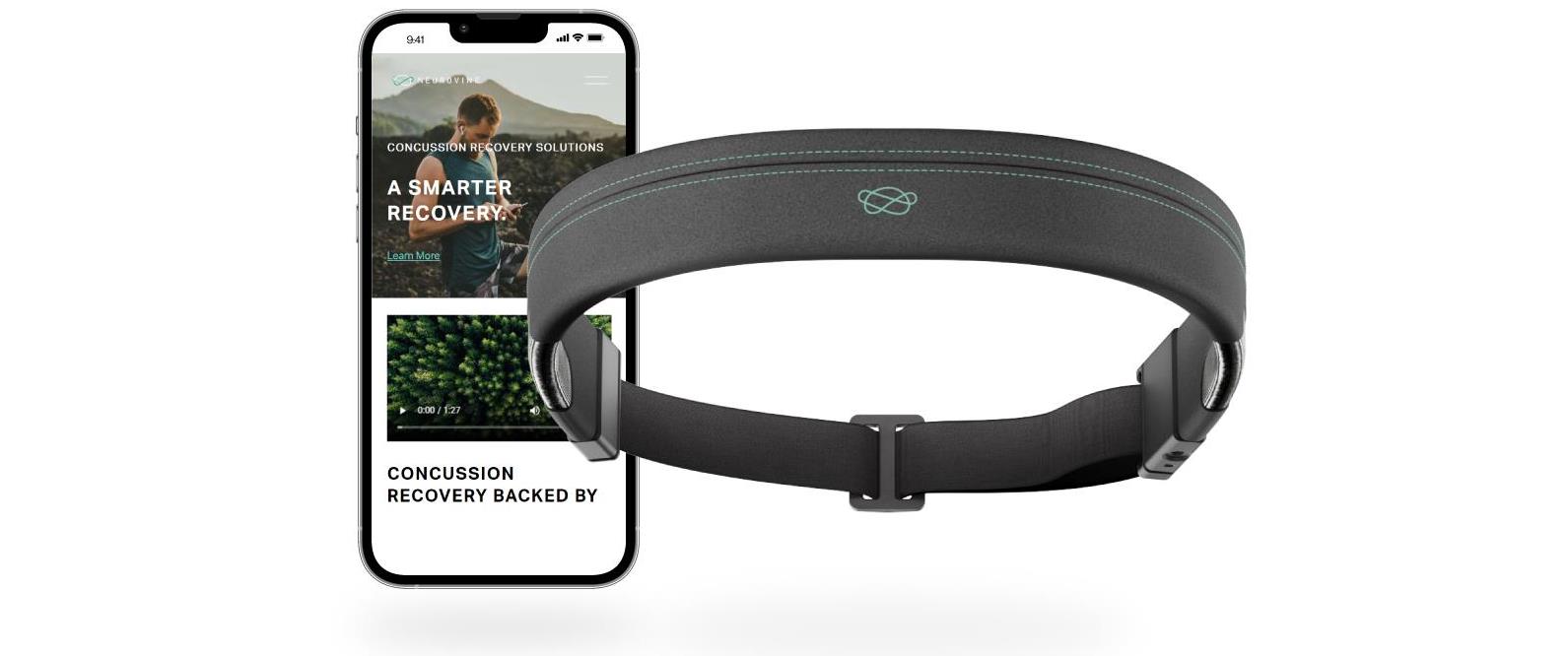
Wearable Health Devices

Wearable devices have moved away from novelty to medical use. Start moving your wearable device idea to market.

Biotech Lab Equipment

Advances in BioTech lab equipment are bringing innovative product ideas to market faster than ever.

AI/ML Clinical Devices

Generative AI and machine learning helping medical devices become more effective and accurate.

A Product Development Company With the Experience You Need

25+

Physician-invented
devices developed

16 yr

Medical device
experience

100%

IP retained
by clients

$0

Equity taken.
Ever.

The 5 questions every physician asks

If you have a device idea, you've already asked yourself these.

Where do I even start?

There’s no universal first step. There’s only YOUR first step — based on where you are, what you have, and where the real risks are.

Some doctors come in with a napkin sketch. Some come in with a working prototype. Some have a patent already filed. The starting point is different every time.

We assess where you actually are, then identify the 2-3 decisions that matter most right now. Not a 47-step checklist. The next 2-3 things.

Sometimes the answer is: stop. A fatal flaw, a regulatory barrier, an existing patent. That’s valuable information that saves you $50K and two years.

How do I keep my practice while building this?

You don’t need to become an engineer. Stay a physician. Your clinical insight IS the value.

How it works: 30-60 minute calls, weekly or bi-weekly. You make the decisions. We execute between calls. Flexible scheduling that works around your practice, your patients, your life.

You decide what the device should DO. We figure out how to BUILD it. Every physician client we’ve worked with kept practicing medicine throughout development. 25+ and counting.

Is FDA really that complicated?

FDA is navigable. It’s not magic — it’s process. Most physician-invented devices are Class I or Class II with established pathways.

Realistic timelines: 6-12 months for design and prototyping. 3-6 months for FDA review. 9-18 months total from concept to manufacturing-ready.

The critical thing: understand your regulatory pathway BEFORE you spend money on prototyping. The pathway determines design constraints, documentation, testing, and cost.

How do I know if my idea is even viable?

That question has a real answer. We offer a free initial project assessment — no charge, no commitment. The explicit purpose is to tell you the hard truths early, before you spend a dime.

Common mistakes we catch: $30K on a patent before knowing if the device can be manufactured. Prototypes that work on the bench but fall apart in an autoclave. Designs where the tooling cost kills the business case.

Also: does your employment contract assign inventions to your employer? We ask this in the first conversation. If your hospital owns your idea, nothing else matters until that’s resolved.

How do I protect myself financially?

We don’t take equity. We don’t take ownership. We don’t take revenue share. You hire us at an hourly rate and you keep 100% of your IP.

Phased development with clear milestones. Each phase has a defined scope and cost. At the end of each phase, you decide: continue, pause, or stop. No penalty for stopping.

Realistic cost ranges stated upfront: Class I ($150K-$250K), Class II 510(k) ($250K-$500K+), complex electromechanical ($500K-$1M+). We tell you this before you start, not after.

We work in your specialty

These started as ideas too.

If you’re a physician with an idea in one of these areas, we’ve built devices like yours before.

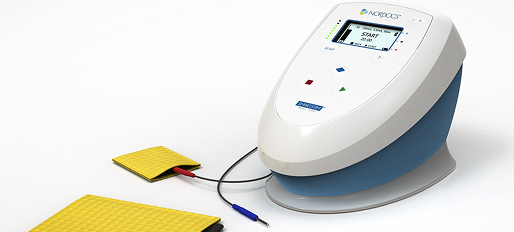
Nuraleve

Neuromodulation pain therapy. Concept sketch to market.

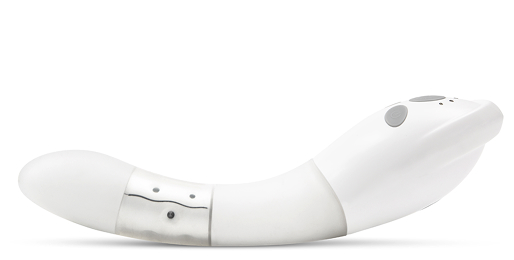
Joylux

FDA approved pelvic floor device. Physician-founded company.

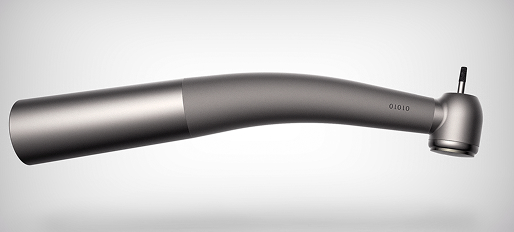
ProDrive Systems

High-speed dental drill. Dentist-inventor, full IP retained.

March Telehealth

IoT virtual patient monitoring for rural health. In production.

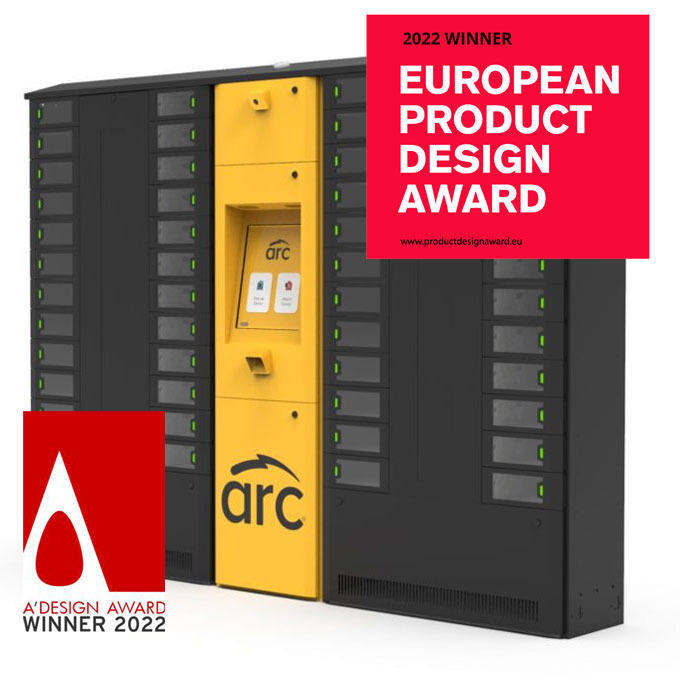
Arc / Lenovo Vital Signs

Connected vital sign monitor. Production-ready. Debuted CES 2018.

Stanley PedZ

RFID pediatric protection bracelet. Hospital integration. Volume production.

What we tell you that others won't

The hard truths most development firms skip.

We’d rather tell you the project won’t work than take your money on something that shouldn’t proceed.

Medical devices cost more than you think.

Realistic minimum for a Class II device: $150K–$300K+. We say that upfront, not after you’ve started.

Sometimes we tell you to stop.

Fatal flaw, regulatory dead end, existing patent — we say so in the free assessment. Better now than later.

Your hospital might own your idea.

Some employment contracts auto-assign inventions to the institution. Check before you spend a dollar.

We don't take equity. Ever.

Hourly rate only. Zero financial incentive to push you forward if the math doesn’t work for you.

Ready to find out where you stand?

Book a Free Project Review

30 minutes with our senior technical team. We tell you exactly where you stand — what’s viable, what the risks are, and what your next 2–3 decisions should be. No pitch. No commitment.