- Search
- 1.877.235.1004
- Contact Us



Our Embedded Software Development Experts
The success of your connected product relies on flawless software integration from the outset. Our embedded software team collaborates closely with designers and engineers throughout the development process, mitigating the risks and delays associated with integrating technologies and software from multiple vendors and platforms.
Video: Meet our electronics design team (1:45min)
Our Software team creates the production code for your new product (the physical device)
We specialize in developing cutting-edge embedded software solutions tailored to the unique requirements of your devices and applications. Our fully integrated software and hardware design teams work closely together with you to create innovative user experiences and custom apps. We have extensive project experience integrating advanced sensors, enabling real-time data analysis and control at the network edge.

The Design 1st Software Engineering Team
Our Software Engineering team will:
- Create Embedded Software that lives inside the physical product (production firmware)
- Update your embedded production firmware in development and after product is launched
- Create "concept" smartphone apps to interact with new product and visualize user tasks
- Create "concept" desktop/server apps, to visualize the product operation before a third-party Smartphone/Desktop/Server App development team is in place
- Work closely with your third-party "Production Apps" development team to define protocols for communications between device and apps, test functions, update code.
Production apps for smartphones, desktops, and servers communicate with your new product. These apps will require a third-party software development team to create your production software. The same team will also support the updates to your production apps that interact with your product, after the product is launched.
Embedded Software Development Specialties
Wired and Wireless Connectivity
We help you develop seamless wireless connections between physical devices and apps:
- Wired Communication: Ethernet, RS422, RS485, USB 3.x, Modbus ASCII/RTU, CAN
- Network Protocols: HTTP, COAP, MQTT, Websocket, REST, XML-RPC, TCP/IP/UDP
- Communication Protocols: Bluetooth BLE 5.x, WIFI, LTE/NB-IoT/Cat-M, 6LoWPAN, Contiki, IEEE 802.15.x, Thread, Mesh, Lora, ANT, Zigbee, Matter
- Bluetooth Low Energy (BLE) Connectivity: BLE is a wireless communication protocol that allows for low-power connectivity between devices.
- Wi-Fi Connectivity: Wi-Fi is a popular wireless communication protocol that provides high-speed connectivity between devices.
Sensor Selection and Integration
Providing you assistance in sensor selection, design and testing for new devices:
Sensor Technologies: Sensors and peripherals: IMU, MEMS accelerometers, gyroscope, magnetometer, load/force, pressure, flow, ultrasonic, biometric (fingerprint), gesture, microphone, camera, gas, photodiodes, piezoelectric, time-of-flight, UWB, RFID, NFC, GPS/GNSS, RTK, stepper/servo motor/actuators, LCD, capacitive touch sensing, GSR, EEG/EOG
Sensor Interface Development: Once sensors are selected, embedded software experts can develop software interfaces that enable the device’s software to communicate with the sensors.
Sensor Calibration: Sensor calibration is critical to ensure accurate and reliable data measurement.
Embedded Systems Technology:
Tap into our deep expertise across the entire technology stack of embedded design, including:
- Coding Languages: C/C++, C#, Python, Java, Javascript, Typescript, Angular, React, Flutter/Flow, SQL
- Cloud Infrastructure: AWS IOT/Lambda, Azure, Google
- AI Machine/Deep Learning: TensorFlow/Lite/Keras, PyTorch, Scikit-learn, Yolo, OpenCV, Sensors MLC (sensors machine learning core), Smart Devices
- Operating Systems: FreeRTOS, Zephyr, Linux, Android, Arduino, VxWorks, QNX, CMSIS-RTOS
- Microcontroller and microprocessors platforms: STMicroelectronics STM32, ST8, STM32MPx, Espressif ESP32, Nordic NRF52/53, Microchip PIC10/12/18/PIC32, Atmel ATMega8/16/32/64, ATSAM9, Cypress PSOC, Silicon Labs EFM, NXP i.MX 6/7/8, Texas Instruments, Qualcomm Snapdragon, Raspberry PI, Nvidia Jetson, ARM Cortex, RISC-V
Power Management Development:
Power management is an essential aspect of embedded systems design, as devices often operate on battery power. We help optimize your new product’s power by:
Low-Power Components: Choose hardware components that are designed for low power consumption, minimizing energy drain and enhancing overall device efficiency. We also have experience in wireless power technology.
Sleep and Idle Modes: Utilize sleep and idle modes to temporarily disable non-essential functions when they are not in use, conserving battery lie
Dynamic Voltage and Frequency Scaling (DVFS): Employ DVFS techniques to adjust voltage and clock frequency of the device’s components based on workload, matching power usage to processing needs.
Connected Device Development Done Right
Connected device projects often stumble not from lack of vision, but from poor collaboration between hardware, software, and design teams—leading to bugs, delays, and higher costs.

Avoid Costly Delays with a Fully Integrated Software Engineering Team
When software, hardware, and design teams from different organizations collaborate for the first time, integration challenges often emerge late, resulting in costly delays and potentially compromising the final product. Examples include:
- Late-stage software issues derailing product launches
- Hardware and software teams working in silos across different geographic regions and time zones
- Integration challenges between design and engineering including complicated product/software interfaces
- Difficult transition from prototype to manufacturing
- Unpredictable development timelines
Full Service Software Engineering Expertise to Power Your Connected Devices
From wireless connectivity and edge AI to advanced user interfaces and real-time sensor integration, our embedded software team solves the toughest challenges—ensuring your product is smart, responsive, and market-ready.

Navigating Complex Wireless Ecosystems
Modern devices demand seamless connectivity across Bluetooth and WiFi protocols. Each standard brings unique certification requirements and implementation challenges that can delay product launches.
Our embedded team delivers reliable cross-platform communication solutions while optimizing for the critical balance of power consumption and range.
Video: How we implement AI into products
Bringing AI Intelligence to the Edge
Bringing intelligence to resource-constrained devices requires careful balancing of performance, power, and cost. TinyML and edge processing demand sophisticated optimization techniques most development teams haven’t mastered.
We implement efficient AI solutions that make your product truly intelligent without compromising battery life or user experience.

Enabling Advanced User Interaction
Today’s users expect sophisticated touch, gesture, and display interactions that feel natural and responsive. Implementing features like haptic feedback, force-sensitive touch, and adaptive displays requires deep expertise in real-time processing and sensor integration.
We deliver intuitive interfaces that delight users and maintain reliable performance within your power budget.

Custom Build Software Tools to Accelerate Your Product Development
Our custom in-house tools streamline firmware deployment, hardware integration, and testing, enabling rapid prototyping, iteration and fine-tuning.
Refined over 20 years and hundreds of connected device projects, our infrastructure gets your software up and running quickly—increasing software quality/reliability, reducing delays and keeping development on track.
Our Software Design Process
Developing software for physical products, especially those involving custom electronics like circuits, displays, keys, switches, and embedded custom components, requires a collaborative, iterative process that aligns software with hardware electronics constraints. The software controls the device’s functions, interfaces seamlessly with peripherals (via drivers for sensors, displays) and communicates (wired, wireless) with other products and systems.

Design & Planning
- Functional Requirements and Specifications: gather function and performance targets and specifications.
- Architecture Design: High level block diagram breakdown including key silicon component selection.
- Component Selection and Sourcing: Research and choose electronic components based on the requirements.
- Bill of Electronics Materials: generate detailed list of electronics components and related interconnect components.

Circuit & Layout
Development
- Schematic Design: Create a digital circuit diagram (schematic) that represents electrical connections and logic.
- Analysis and Simulation: Simulate key circuit functions, signal integrity, thermal, iterative routing optimize signals, find issues.
- PCB Layout Design: Transfer the schematic to a physical board layout. Place components and design interconnect copper routing.
- System Interconnections: Define interconnection to off-board components: Antennas, switches, LEDs, displays, buttons…
- Mechanical Integration: Integrate the PCBA and interconnections, to fit product size and shape and function requirements.
- Design Reviews and Checks: Design Rule Checks, review fabrication and manufacturing, create check list.

Manufacturing & Validation
- Generate Manufacturing Files: Export files for production: copper layers, solder mask, drill files, component list…
- PCB Fabrication: Send all PCB specification files to a manufacturer for bare board production.
- PCBA (Assembly): Send PCBA specification files to a manufacturer to populate the fabricated PCB with components.
- Testing and Validation: Test the assembled board functional integrity and performance, debug and correct issues.
The idea to software release process is iterative based on user feedback requests and hardware changes may affect software states.
Modeling tools, version control, and simulators enable methodical early software testing with the evolving hardware circuit design.
Fully Certified and Award-Winning
Our company and staff are professional engineers with multiple industry certifications.





The Measures Taken To Ensure Your Embedded Systems Devices Succeed
Design 1st integrates our knowledge and expertise with yours to bring your product idea to life.
Related Technology Expertise
Audio Design
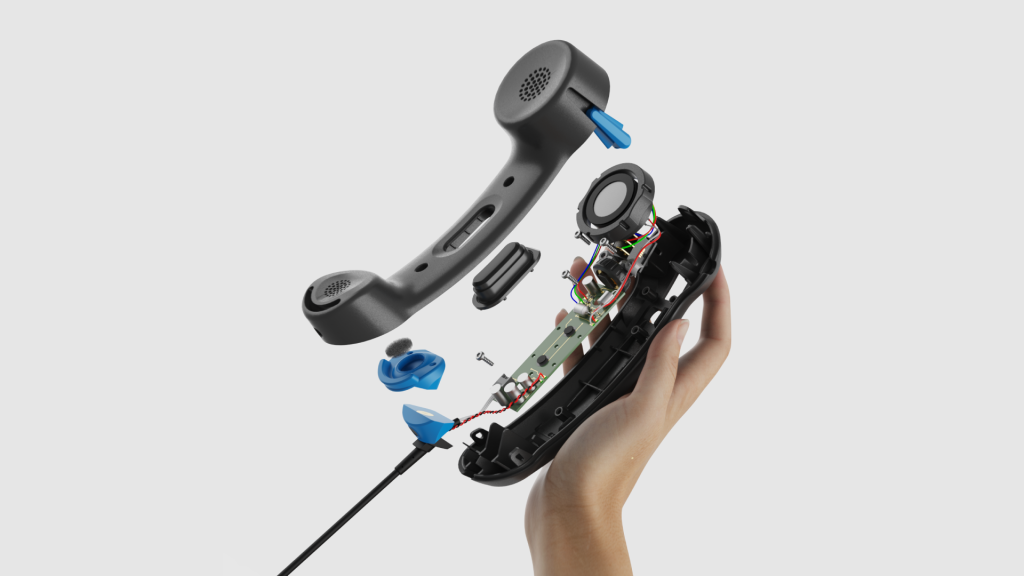
From award-winning HiFi equipment to alarm systems, and phones, we have the expertise to integrate audio into your next project.
Robotics and Mechanisms
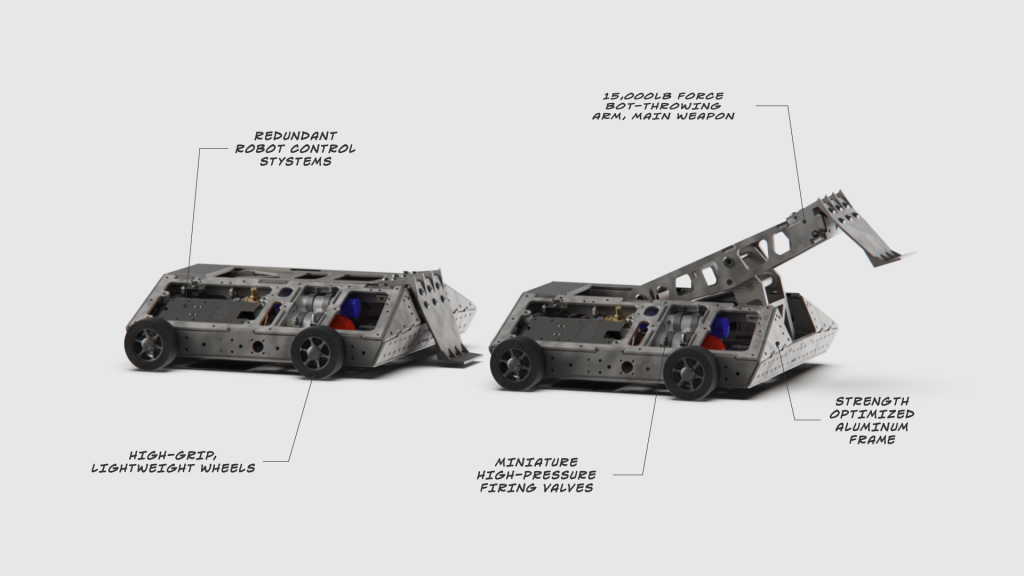
Simple to robust mechanisms, and fully autonomous robotic devices, our integrated design and engineering team can meet your requirements.

Body Worn Devices
Deep wearable expertise for human-worn devices with connectivity, and comfortable ergonomic fits that the needs of your product.