Category: Prototyping

How much do prototypes cost?

How Much do Prototypes Cost?

Prototype costs can range from $100 to upwards of $30,000 for high fidelity connected devices.


Video: Reasons why we prototype in product development

Key Highlights on Prototype Costing in 2024:

So, why do YOU want a prototype?

If you ask any of the recent people we talk to, many will have a different answer. Some people want prototypes to prove out a new technical feature of a product, other’s need a prototype to launch a Kickstarter campaign and many more need a prototype to test the product/market fit.

But if you gather up all the prototype inputs there will be one common theme – RISK.

Prototypes are built to assess, qualify, and minimize design risk.

Risk takes many forms including user, business, technical and manufacturing risk.  And of course, the larger the risk the higher the cost of a one-off prototype.

One end of the scale is a fully functional production-ready prototype with custom embedded electronics and software to run it. This prototype can cost over $10,000, a lot more than a cardboard model prototype with a sketch of the user interface and 3D virtual rendering.

So, how much will YOUR prototype cost?  

To determine prototype cost you need to know where you are on your product development journey. This can be done by following our four-stage product development process and reviewing the types of prototypes and risk identification at each stage below:

Stage 1: Concept Design (Start at $1000)

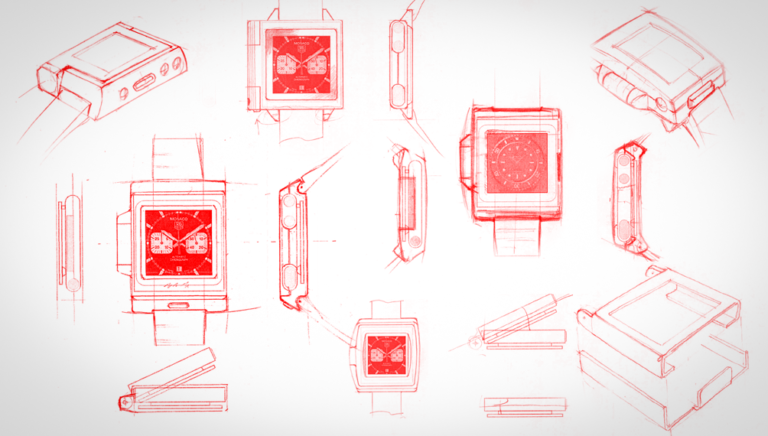
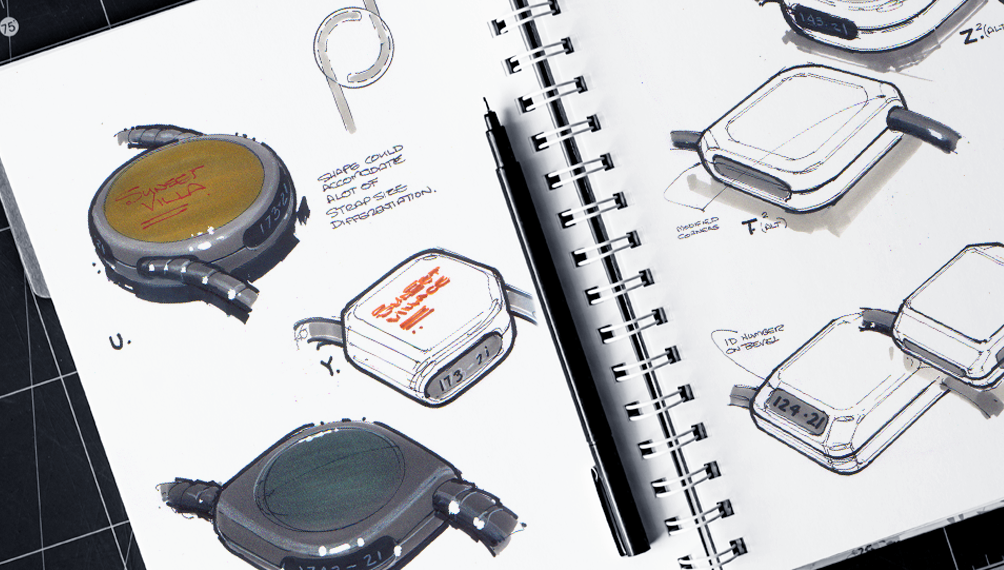
Prototype sketching during concept design

This prototype stage is all about product research ‘user and chooser’ prototypes that simulate a user experience with enough fidelity to allow third-party comment on the value of the new product.

 Risks we identify include:

  • Risk of user confusion or rejection of device
  • Identify physical size constraints of device
  • Interaction methods and the most useful solution.

Types of prototypes:

  • User Interface Mock-ups
  • Foam models
  • Wireframes, virtual 3D Renderings
  • Wizard of Oz functionality (beauty models)

Prototype Costs:

  • Low – materials are mostly off the shelf and can include 3D custom prototype parts, cardboard paper, tape, glue, canned software, module electronics
  • Design Time, can be less than a week
  • Can start at $1000 for design costs for preliminary sketching and mock-ups

Stage 2: Design Engineering (Start at $5000)

Deckster Prototyping

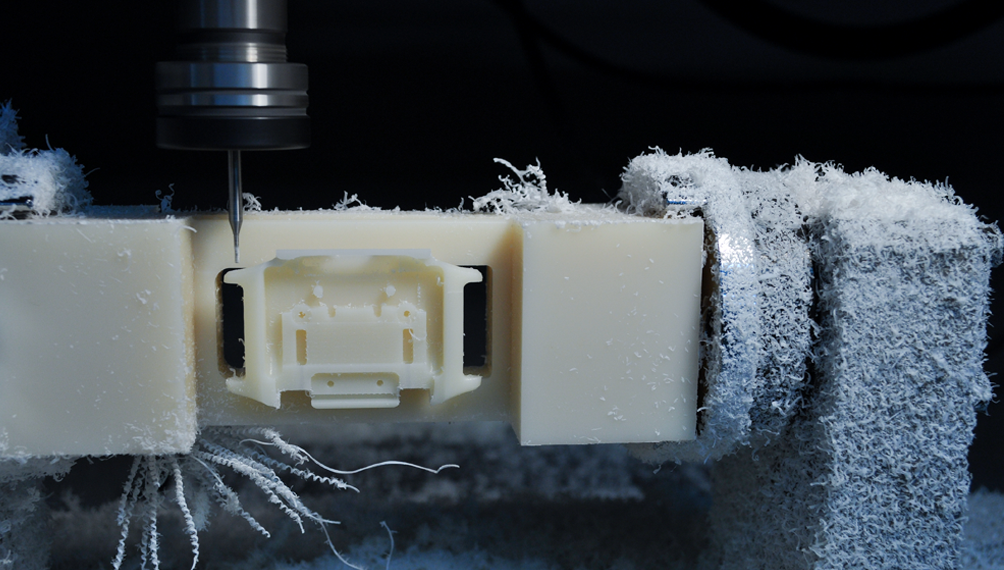
Bench model prototype made on in-house Roland CNC

This stage is all about bench model engineering prototypes that quantifies options to make design decisions.

 Risks we identify include:

  • Thermal, fluid, stress and structural engineering risks
  • Wire and sub-component management
  • Test specific components of design
  • Mechanism functionality
  • Wireless protocol limitations

Types of prototypes:

  • Scale models of product
  • Proof-of-concept: hand built models

Costs:

  • Medium: Depends on customized sub-systems needed and user testing validation metrics
  • Starting estimate is $5000 for bench model prototyping testing + material costs

Stage 3: Prototype & Test ($10,000 and up)

Deckster Engineering

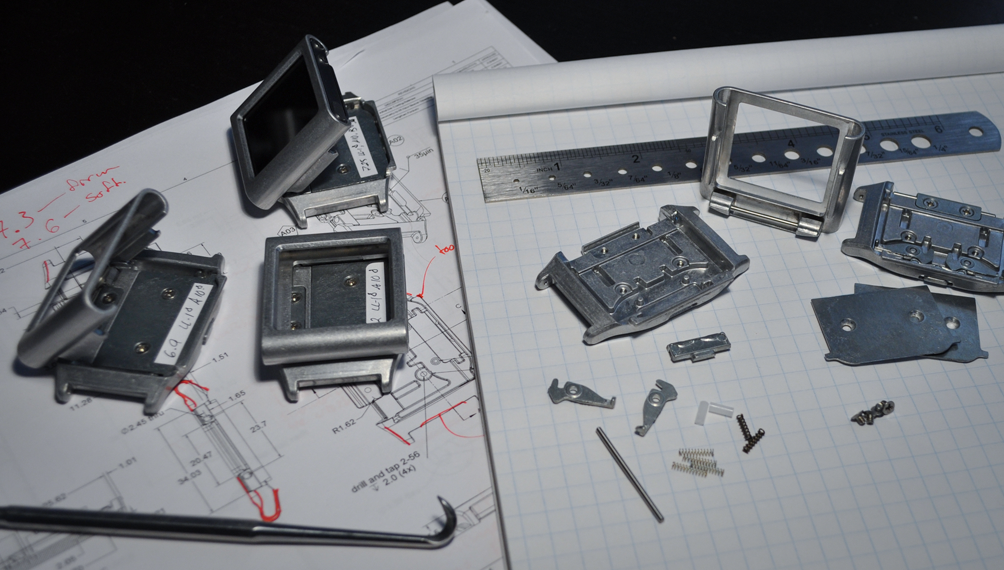
Pre-production prototype parts ready for assembly

This stage outputs a production alpha prototype that is fully functioning

 Risks we identify include:

  • Business risk and costing of components in volume
  • Business risk of yield and high-volume outputs
  • Custom electronics and wireless connectivity

Types of prototypes:

  • Fully functional alpha prototype

Costs:

  • Medium: Depending on complexity of product and volume of output
  • Minimum 4-6 weeks of development time on average
  • The alpha prototype material costs can range from a few hundred to thousands depending on custom parts, electronics and fidelity required.

Stage 4: Manufacturing Set-Up ($30,000 - Ready for Production)

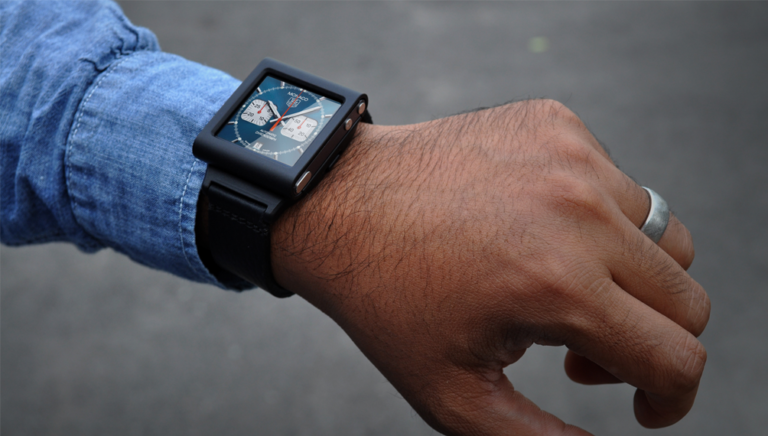
High-fidelity fully functional prototype

This Stage outputs a manufacture ready production parts prototype that is an early stage fully manufactured unit.

Risks we identify include:

  • Manufacturing process risks, these can include wall thickness of part, surface finish, color matching and more
  • Business risk tied to lead time of parts, components and assembly

Types of prototypes:

  • Early small run pilot pre-production unit

Costs:

  • Medium: Depending on complexity of product and volume of output
  • Minimum 3 months of development time
  • Costs typically start at $30,000 for basic products and move upwards depending on manufacturing process, volume and development time involved.

Share the knowledge!

Want a detailed prototype cost estimate? We can help.

We can help take you from idea to design, prototyping, and volume manufacturing.

27 Years Experience

75+ Design Awards

1,000+ Manufactured Products

From Idea to Prototype in as Little as Six Weeks!

Ready to Start?

Published on: January 22, 2024

The 6 Types of Prototyping Every New Product Must Do

The 6 Types of Prototyping Every New Product Must Do
Building a hardware product prototype is a critical element in product design.
Prototypes provide early market feedback, gives you early insight into necessary design changes, and helps teams minimize risk at every stage of the product development lifecycle.

Done right, prototyping helps remove design risks and leads to successful product outcomes.

Here are the 6 types of prototypes every successful physical product design goes through:

6 Types of Prototypes Every Product Must DO

1. Concept Sketch Prototype

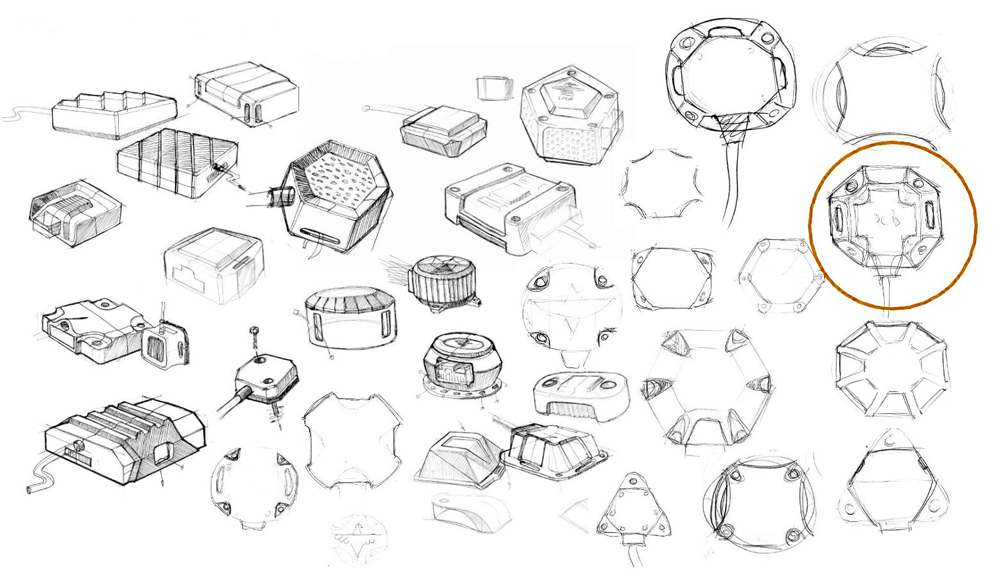
This is where product concepts meet their first real test. You are moving the product idea from your mind to paper – or computer. This can start with simple 2D Sketches or evolve into basic geometry 3D computational modeling.

Purpose: To provide quick visual solutions of possible ideas that can be shared with others for feedback.

At Design 1st, every project starts with some form of concept sketching. The output is shared with the team and reviewed to both eliminate and conceive of new solutions.

Here are several concept sketching examples of recent projects.

iot-device-concept-sketches
Personal Security Wearable
wevibe-design-sketches
Personal Security Wearable
uplift-concept-sketches-1
Electronic Seat Assist
safe-exract-concepts-1
Electronic Seat Assist

2. Bench Models Prototype

After a concept direction is chosen, a bench model prototype is built. This prototyping method can take many forms including virtual test models, foam mockups and custom built mechanisms. What variations you choose depends on what you need to test.

Purpose: To get an answer as quickly as possible prior to design implementation.

Depending on the project, we create a variety of bench model prototypes to test ergonomic form features, de-risk complex mechanisms, evaluate technology and get immediate user feedback. The inputs received are extremely valuable and can help accelerate product development and validate design direction.

lidar-functional-prototype
LiDAR Mining Technology
Mining Sensor Technology
Nanomaterial Humidifier
BlueSLR-Prototype
GPS Dongle for SLR Camera
Colour-Teller-Manufacturing
Color Detection Device
BDS-sex-toy-SLA-prototype-m
Personal Massager

3. Fully Functional Rapid Prototype

This type of prototype is where the final production solution begins to take form. All proposed design features are prototyped including structural components, electronics integration and basic user interface. The result is a physical model that matches the size, function and interaction of the final production. 

Purpose: To test and verify the fully-functioning physical product.

At Design 1st, we use a variety of rapid prototyping methods to create full functional models. These include 3D Printing, SLA and CNC Machining for physical models and open-source platform and OTS (off the shelf) evaluation board configurations.

It is important to note that although the physical device functionality is seen as production intent, the actual operation technique may differ due to convenience or relevance to test outcome.

Safe-Exract-Hero (1)
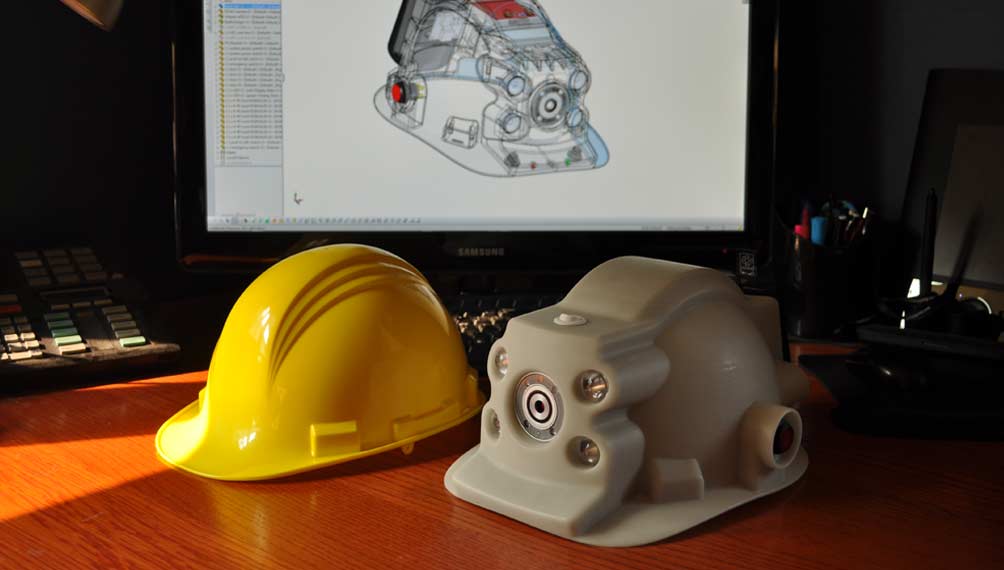
SafexTract - Smart Mining Helmet
BattleBots
fan caframo parts manufacture
High Power Marine Fan
lidar-prototype-device
Naptec - LiDAR Detection
Connected NHL Scoreboard
Commercial Smart LED Lights

4. Visual Model Prototype

Building a visual model prototype allows you to represent the proposed production-intent product options regarding colour, material, and form. This prototype model can be helpful for early marketing purposes including crowdfunding, product packaging, and video shoots.

Purpose: To demonstrate the final product look, material, and form.

Most often the visual model prototype is non-functional or allows for controlled, minimally functional, demonstration features. This helps reduce cost and time while achieving the desired results of matching the final product look.

wearable tech breathe necklace
Connected Mindfulness Wearable
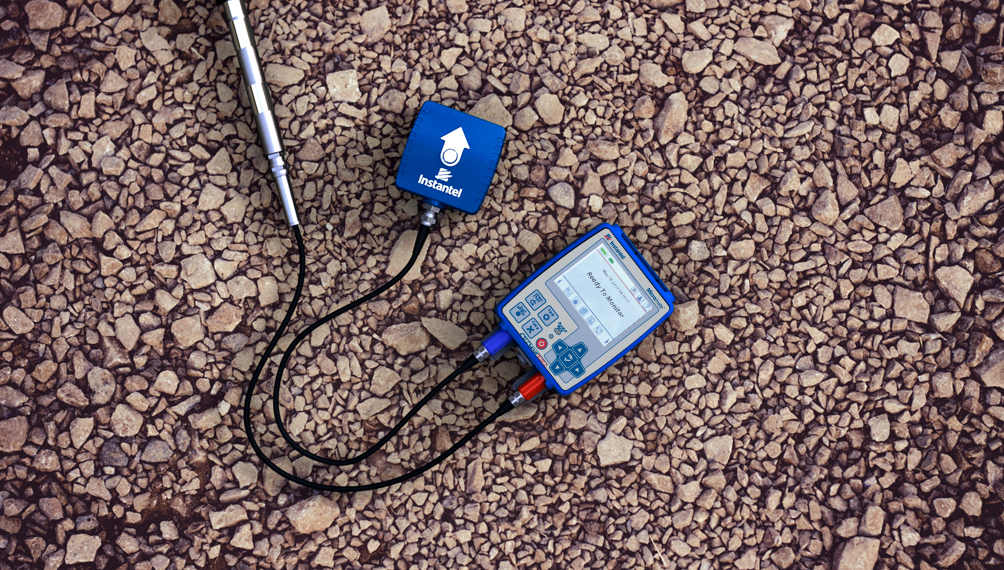
instantel-vibration-sound-analyzer
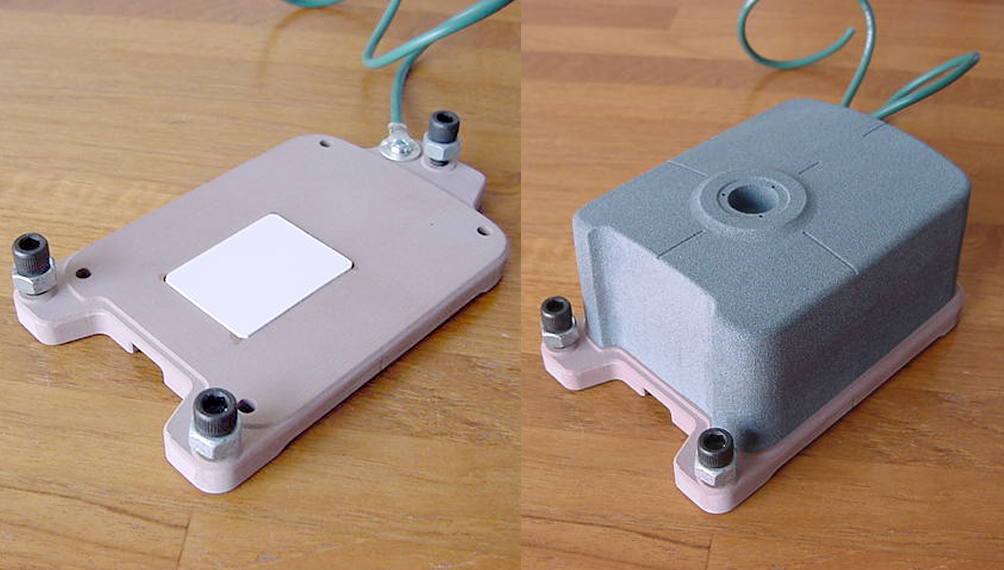
Explosion Vibration Monitoring
Smart eInk Whiteboard
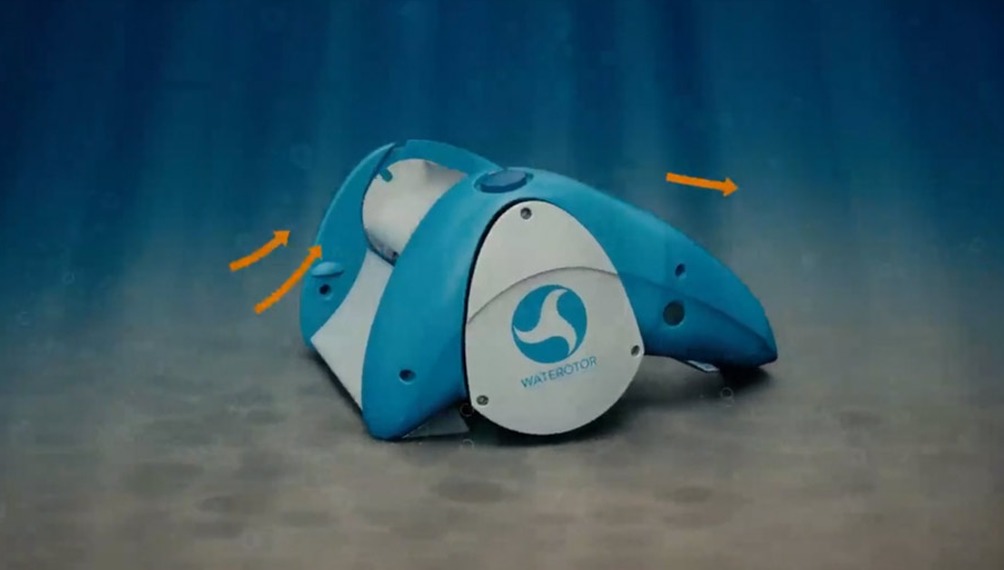
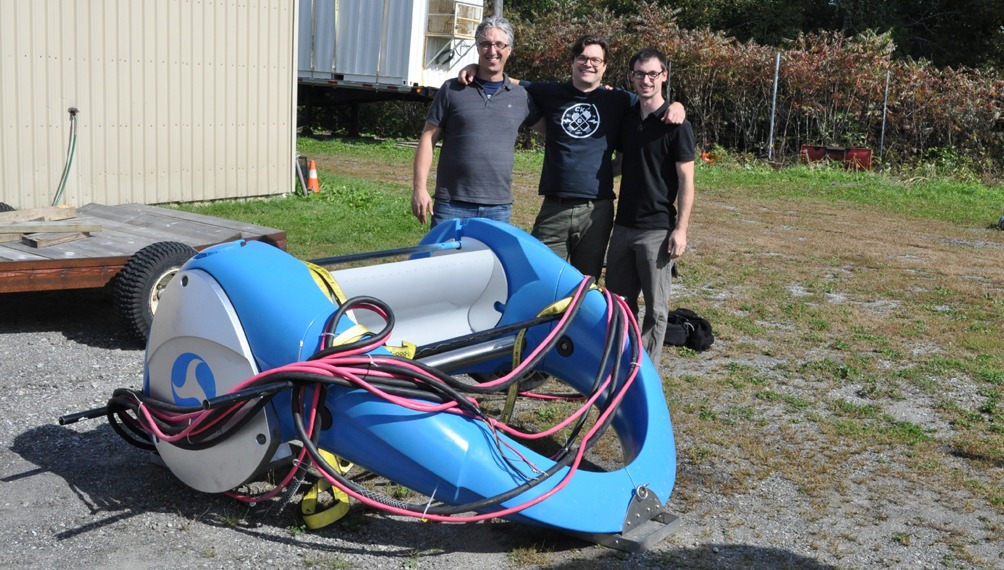
Underwater Hydroelectric Generator
Connected Toddler Monitoring
Neptec-LiDar-Mining-Device
Mining Obstacle Detection

5. Pre-Production 'Alpha' Full Prototype

The Alpha Prototype is usually a single device made using rapid prototype techniques. The physical parts are 3D-printed, CNC machined or cast using production intent geometry. Depending on the product, production processes may be needed to produce parts that cannot be rapidly prototyped due to material, manufacturing or supplier complexities. 

For electronics, PCB (printed circuit boards) are produced in low volume using production processes to evaluate and debug surface component assembly, schematic and layout. Custom firmware is ready for initial upload and testing procedures. This includes critical function software features, secondary features may be implemented later without issues.

Purpose: Validate and verify the function, look, and production process of the device.

While the primary purpose is to validate the final production-level product, this prototype may also be used for user-testing including clinical trials for medical devices.

Underground Mining Camera
Explosion Vibration Monitoring
Electric Seat Assist
Hydroelectric Generator
Smart Vital Sign Monitor
prototype-parts-camera-cinema
Commercial Cinema Projector

6. Manufacture Phase - Production Prototype

This is the final prototype made before volume production begins. All components of a particular product are assembled using parts that are produced using mass production methodologies. The final assembled products are tested in line to ensure the proper functionality of critical features.

Purpose: The final validation check before volume production of the product.

Quite often, these first, off the line, products are user-tested in the field under real-world applications. Select customers are chosen to give feedback regarding the product’s functional effectiveness and reliability. While the product assembly process is evaluated and optimized during this phase using the quality control (QC) guideline procedure.

After this prototype is completed and tested, a new product is ready for mass production and market!

Marine Hatch Fan
Smart Sump Pump Monitor
Medical Neuromodulation Device
Smart Toddler Monitor
fantasy-score-board-product
Connected NHL Scoreboard
Telematics GPS Unit
Share

Have a new product idea?

We can help take you from idea to design, prototyping, and volume manufacturing.

27 Years Experience

75+ Design Awards

1,000+ Manufactured Products

From Idea to Prototype in as Little as Six Weeks!
Ready to Start?

Published on: February 27, 2023

Three Stages of Prototyping for Any New Product Idea

Three Stages of Prototyping for Any New Product Idea

27 Years Experience

75+ Design Awards

1,000+ Manufactured Products

From Idea to Prototype in as Little as Six Weeks!
Ready to Start?
Ready to Start?

Building a prototypes is critical to successful product development. To do it right, you need a process to build, test, and iterate with multiple prototypes.

At Design 1st, we have three major stages of prototyping new products including:

Three Stages of Prototyping:

By understanding each of these major prototype stages you will be able to set realistic goals for your product development and discover cost-savings along the way.

1) Works-Like Prototype

Once you have developed a looks-like prototype, it’s time to make your product function. This doesn’t mean building everything into the end product right away, rather it means taking smaller development steps to piece together a working unit.

By breaking down the elements of your product into smaller standalone units, you can drastically change how it can be prototyped and therefore impact how much it’s going to cost. Analyze the key features of your product and ask if they can operate independent of other systems. If the answer is yes, then breaking it out can make a lot of sense. This is both for cost and simplicity.

Acer-3-prototype

Creating simple prototypes that only focus on a singular aspect of the design will help in the development cycles when debugging is critical. If the prototype is independent from other systems, changes will only affect the singular system.

In the works-like phase it may be hard to avoid the use of more expensive processes or materials based on the product’s function. Development is an iterative process though and change is inevitable. The use of cheaper material and processes until the design is at a steady state is critical. Cheap 3D-printed materials, or even cardboard, can go a long way in terms of saving money.

2) Looks-Like Prototype

With the looks-like, the main goal is to illustrate the overall size, shape, and key UX (user experience) aspects. The best way to save money in this early phase, when the product design is immature, is to utilize digital sketching tools and low-fidelity non-working prototypes to gauge user reactions.

BlueSLR-Prototype

Done right, a “Looks Like” prototype is a great way to get your ideas across and save a lot of money on early looks-like models. This way of thinking can be applied to complex products as well. You have to remember that a looks-like prototype doesn’t even need to move (i.e. a wheel doesn’t need to turn on its axis), so spending lots of money on prototypes is usually a waste for a start-up on a tight budget.

As well the looks are inevitably going to evolve between now and the final product so being budget-conscious is key. With all of that being said, sometimes the use of 3D prototypes is necessary, so using materials like cardboard, wood and clay can easily demonstrate the size, shape and UX factors that demand a physical model. Explore more examples of “looks like” prototypes here.

3) Test-Like Prototype

Building a tests-like prototype is where it becomes the most challenging in terms of cost-savings, but it’s still plausible if planned for well in advance. Planning for and knowing when and how to test is the real key to saving money during this phase. Many companies “test to test” and this is where a lot of money is wasted. Whether its a quality, life or a UX test, understanding the test goal is paramount.

lidar-functional-prototype

This is where understanding which key features can be independent from the main system comes back into play. Imagine you want to test a wheel bearing on a robotic system — the entire robot is not needed for a life test. You only need to build the necessary components around the wheel bearing and create cheap analogues for the other parts that affect the bearing, like weight.

By breaking out as many subsystems as possible and creating singular tests to debug for failures, it becomes easier and usually saves money.

Share

Have a new product idea?

We can help take you from idea to design, prototyping, and volume manufacturing.

Published on: February 27, 2023
The Future of Prototyping: 3D Printing

The Future of Prototyping: 3D Printing

27 Years Experience

75+ Design Awards

1,000+ Manufactured Products

From Idea to Prototype in as Little as Six Weeks!
Ready to Start?

Growing interest in “3D-Printing” has created new business models and new ways to think about designing products.

Prototyping is an integral part of the product development process and recent advancements in technology have created a variety of options for designers to make objects from 3D model data. This rise in innovation has been attributed to new techniques and methods within “additive manufacturing” – a process whereby 3D prototypes are created by joining materials layer upon layer, as opposed to “subtractive manufacturing” methods such as machining from solid blocks leaving waste materials when finished.

While a variety of competing technologies within additive manufacturing such as SLA (stereolithography), FDM (fused deposition modeling) and SLS (selective laser sintering) offer the ability to fabricate prototypes, 3D  Printing has risen in popularity based on its speed, low cost and ease of use.  Combined with the availability of free 3D design software such as Google Sketch-up, 3D printing has created a new demand for prototyping services for hobbyists and DIY enthusiasts who have created online communities to make their own action figures, knickknacks and simple gadgets.

While this new demand for 3D-Printing has awoke the spirit of creativity for inventors, the product designers and industrial manufactures have also turned their attention to this new technology. 3D-Printers and the 3D printing material offers design teams the ability to make precise prototypes using a variety of colors, materials and geometric shapes. This continues to push forward the concept of product development virtualization, allowing teams to work with clients remotely yielding market-ready prototypes made to exact specifications.

With the help of a product design team entrepreneurs and inventors alike now have the ability to take a napkin sketch idea to market without ever leaving the comforts of the desktop at home.

Share

Have a new product idea?

We can help take you from idea to design, prototyping, and volume manufacturing.

Published on: February 23, 2023