Category: Blog

10 Trends Impacting Wearable Product Development

10 Trends Impacting Wearable Product Development

27 Years Experience

75+ Design Awards

1,000+ Manufactured Products

From Idea to Prototype in as Little as Six Weeks!

Ready to Start?


The COVID-19 pandemic is driving demand for wearable products across multiple industries. As an example, in the healthcare industry, more patients struggle to access traditional face-to-face medical care and wearable healthcare devices are bridging the gap between patients, families, and medical professionals.
To meet wearable device demand, companies are rushing to develop new wearable devices and modify existing device designs. Product design companies like Design 1st are on the receiving end, helping clients scale their capabilities and navigate the new challenges of bringing wearable devices to market.

During a recent wearables webinar with Electronic Products & Technology Magazine, Design 1st CEO Kevin Bailey, weighed in on what’s changing in wearable development. The 10 key trends that stand out include:

 
1) Wearables Moving Away from Touch Interfaces

User interaction is one of the top trends in wearable device technology. We are seeing a shift away from touch-based user interfaces on wearables and a move towards more motion, tactile, gesture, and voice activation.

Several factors are driving the UI shift with wearable technology, demand for smaller, compact devices and easy connectivity with fast processing in smartphones and cloud and richer UI interfaces on display devices enabling a more interaction-rich seamless user experience.
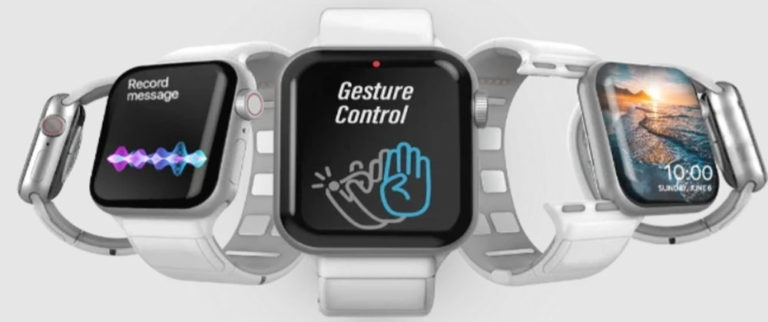
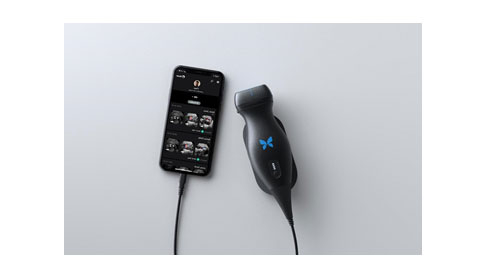
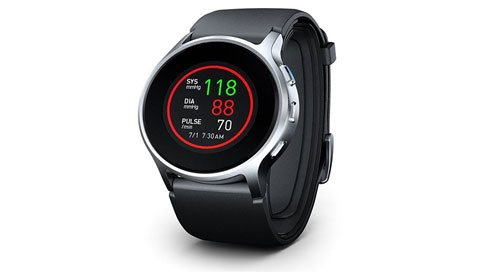
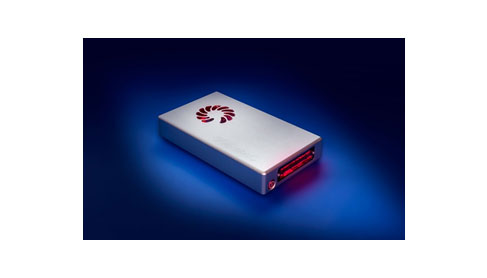
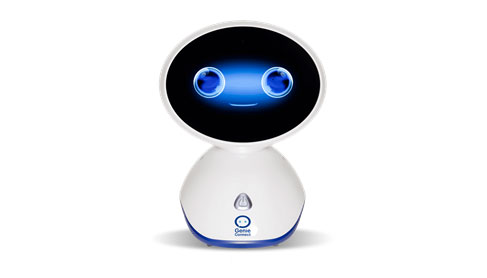
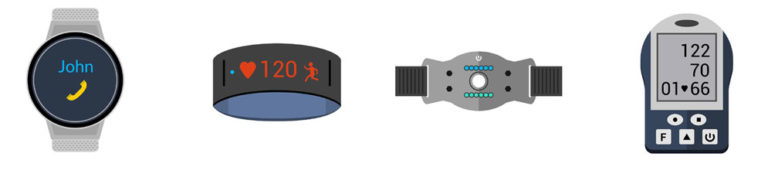
The virtual 2021 Consumer Electronics Show brought this trend into the spotlight, showcasing several healthcare wearables that rely on touchless interfaces including:

2) Covid-19 Continues to impact Development Timeline

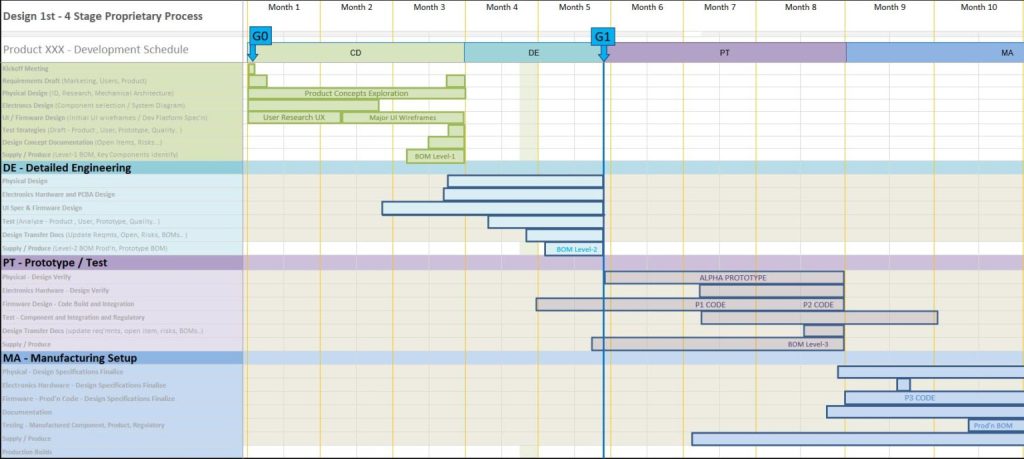
The global pandemic continues to add friction to wearable product development because developing, prototyping, and testing wearable products with remote teams takes more time and careful coordination. When you have a multi-disciplined team working in one building troubleshooting issues, learning together from prototypes, and receiving parts, the entire process goes faster.
4-stage-product-development-process-1-1536x689

Prior to the pandemic, Design 1st’s electronic, software, design and manufacturing teams worked together and in-person. This allowed for seamless collaboration to work debugging boards, test prototypes across other disciplines, and get feedback that allowed the team to make adjustments fast. With the majority of the team working together successfully remotely, teams adjusted to new workflows that while smooth, did add a layer of delay to the hands-on interactive part of the product development timelines.

Prototype testing across all disciplines is critical to ensure a quality product is ready for mass production. As our team begins to transition back to the office, we see the opportunity to streamline with new collaboration tools and part time work from home efficiencies which actually speeds up the development processes for all our clients.

3) Miniaturization of Wearable Devices is Here to Stay

Wearable devices are getting smaller because of innovations in biosensors, key components, and rigid-flex printed-circuit-boards (PCBs) that allow for more parts to be included in a small space. The result is smaller rigid circuit boards with more high-speed connection options enabling smaller product and ergonomic shapes in the concept design phase. This has led to thinner form factors, better biosensor fit to body accuracy, reliability robustness and longer device lifespans.

wearable-wrist-miniature-de

Gone are the days where body-worn devices were thick, lumpy, and required large surface area contact to body. New wearable healthcare devices are shrinking, becoming lighter and more powerful. This trend means closer integration of design, electronics, and manufacturing teams early in the development process. It is critical to identify costs, power to recharge time, and component availability to ensure transition to volume production runs go smoothly.

Design 1st, VP of Embedded Software, Yih-Shyang Tsai sees several changes:

“Wearable design now often consists of integrating complex sensors and subsystems from a variety of vendors rather than having to design those parts from scratch. Some very complex functions are now available in the form factor of an integrated circuit (SOC) where in the past it would have been a considerable development effort to design any one of those components.”

4) More focus on Device Security and Data Privacy

As wearable healthcare devices become more accepted by consumers and medical professionals, concerns over data privacy and device security is at the forefront.
Companies developing new wearable devices need to address these concerns head-on with a robust strategy that persuades users, meets regulatory requirements and secures data over wireless networks.

There are four areas that wearable security companies developing new products must be aware of: device, cloud, application, and network. Each of these areas needs to be carefully addressed to develop wearables that protect against ongoing security threats and keep user data secure and safe.

Design 1st VP Hardware, Donovan Wallace, sees data security as critical to all wearable products:

“Our clients certainly value the physical design and ergonomic aspects of their wearable products. However, the key capability common to this product category is the data collection by the product and the ability to store and analyze that data, either real time or historically, on a smart device or cloud platform. Also, ensuring data security, specifically privacy is just as important as the ensuring the product’s physical integrity and resilience to environmental risk factors.”

5) Strategies to Counter Supply Chain Shortages

At Design 1st, we have deployed three strategies to counter supply chain shortages:

  1. Integrating supplier input selecting key components early in the design phase of new projects to understand the availability of key components for prototyping and volume production. This provides a healthy outlook to understand issues before they arise and make alternative components choices if a shortage or End of Life (EOL) is possible.
  2. Focus on avoiding customized off-the-shelf (OTS) components where possible to simplify the many design pathways and bring products to market faster when required.
  3. Continue to nurture and expand our manufacturing contacts network to understand where the global supply chain of critical components is headed. Being in constant communication with key suppliers, manufacturers and spot buy networks enables the design team to find alternatives not readily available through traditional online searches of major distributor databases
China2-1024x683

At Design 1st, we have deployed three strategies to counter supply chain shortages:

  1. Integrating supplier input selecting key components early in the design phase of new projects to understand the availability of key components for prototyping and volume production. This provides a healthy outlook to understand issues before they arise and make alternative components choices if a shortage or End of Life (EOL) is possible.
  2. Focus on avoiding customized off-the-shelf (OTS) components where possible to simplify the many design pathways and bring products to market faster when required.
  3. Continue to nurture and expand our manufacturing contacts network to understand where the global supply chain of critical components is headed. Being in constant communication with key suppliers, manufacturers and spot buy networks enables the design team to find alternatives not readily available through traditional online searches of major distributor databases
6) Uptick in Re-Design for Difficult to Source Parts

Making design modifications to products in development that eliminate difficult-to-source parts is becoming a new trend in 2021. We are seeing new and current clients hitting roadblocks in their product development because of part shortage surprises. As a work-around, we are re-designing hardware and firmware mid-project to substitute alternative components that fit the original component as best as possible.

Steve Harrington, Senior Electronics Lead at Design 1st sees this first hand:
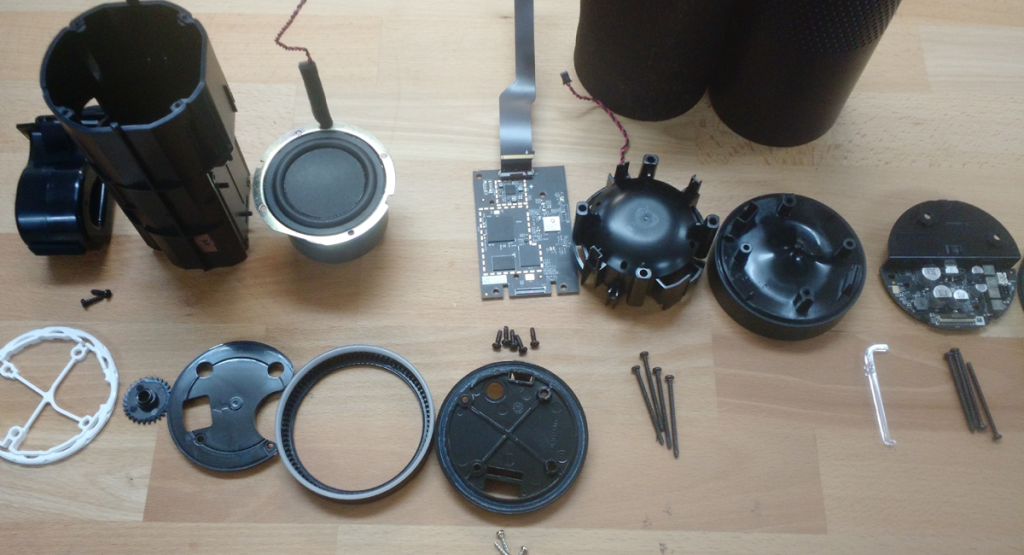
“Right now, this is consuming a significant amount of design time as there are not generally drop-in replacements for components that show up with long lead times. Entire sections of the design have to be essentially re-done from scratch to change the architecture to accommodate different parts that are available.”
Amazon-Echo-Breakdown-1

A part has to be available in the short term for the prototype build but also readily available in quantity in the long term to start the production up. Hopefully, the supply shortages will be short-lived but to mitigate any future issues, as a standard practice, it is important to continually look at lifecycle and availability of components in the initial concept design phase – including alternates or drop-in replacements for key components when available. This allows for more flexibility if supply issues continue to surface.

 
7) Advancements in Wearable Manufacturing
The technology used to manufacture wearable devices is becoming more automated and robotized which allows for more complex geometries internally, better quality components, and miniaturization of device assembly. This results in smaller wearables that can be produced faster with more predictable automated manufacturing processes including softgoods integrated with hardgoods and electronics. The challenge will be to keep up-to-speed with wearable manufacturing techniques to design in the new processes early in the development process, being mindful that low volume and high-volume production need different approaches.
robotic-adhesive-manufactur

VP of Product Engineering at Design 1st, Matthew Bailey, sees three interesting advancements influencing the future of wearable manufacturing:

I. Automated and laser soldering processes for components that need very specific soldering points, times and temperatures.
II. Integration of complex seal techniques in small applications from dual injection / double shot processes to robotically applied form-in-place gaskets for ultra-fine mechanical gaskets that make assembly faster and meet the cosmetic and form requirements that standard methods like O-rings can’t
II. Mitigation of electrostatic discharge (ESD) protection with tiny products that have to deal with minimum 8Kv air discharge typical of wearables and up to 30Kv contact according to IEC 61000-4-

8) Increased Awareness of Wearable Regulatory Device Certification:

The trend towards wearable healthcare devices that process body signals, often worn on the skin or placed in the ear, make understanding medical regulatory certifications critical to getting them to market fast.

Early in the product’s development, it is important to navigate the fine line between general wellness wearables, like smart watches vs. regulated medical devices, like wearable insulin monitors. Adding regulatory certifications to a device will add many months of additional time, so preparing early and running documentation in parallel with design team is important.

ccpa-vs-gdpr-wearable-security-privacy-regulations

Design 1st, VP Regulatory, Dave Mills, helps clients move towards regulatory certification and makes sure the development team follows a tight process:

“All design steps, from initial concepts to detailed engineering and prototype are made with regulatory certifications in mind. This includes part selections like batteries, wireless radios, and materials and documentation of design decision tracking, source control and testing. Having a fully documented development process done in parallel with the design helps accelerate certification for our clients”.

9) Advancements in Battery Life

One of the biggest advancements in wearable device technology is battery use life before re-charge. A combination of new battery advancements, miniaturization of devices, and optimized embedded software will result in wearable devices that keep users going and connected longer.

evolution-lithium-polymer-f

Design 1st, VP of Manufacturing, Dave Ingram sees several trends in wearable battery life:

“The components making impact on wearable batteries today include: printed batteries for power sources; energy harvesting from human body; use of low energy UI interfaces including haptic sensing. Solid state batteries are also interesting and we are waiting to hear more on these now as they approach production and higher capacities in the 100+mAh capacity range.”

10) Emergence of New Wearable Categories

The novelty of wearable devices is fading, but new wearables are solving issues and making remote healthcare easier for people across the world. Two Design 1st clients are on the frontline developing innovative wearable devices to solve health challenges include:

wearable-startup-categories

Additional wearable health care device categories seeing innovation are:

  • Insulin Patches
  • Contact Lenses
  • Air Purifying Masks
  • Blood Pressure Monitoring
  • Biosensor Patches
  • Hearing Aids
  • Remote Patient Monitoring

Looking into the future, Design 1st VP of Marketing, Joan Highet sees several trends developing:

“We used to take a visit to our doctor to get an ECG or blood pressure check, now we wear devices to measure our vital signs on a real time basis collecting useful data over days, weeks and years of our lives. It will be interesting to see if there will be an impact on health insurance and life insurance as we have much more personal bio data available for analysis. Equally important is the personal awareness as we become more interactive with the good things happening to our body with every breath we take.”


Share

Have a new face mask innovation idea?

We can help take you from idea to design, prototyping, and volume manufacturing.

Published on: February 27, 2023

Top 5 Manufacturing Reasons Hardware Companies Fail

Top 5 Manufacturing Reasons Hardware Companies Fail

27 Years Experience

75+ Design Awards

1,000+ Manufactured Products

From Idea to Prototype in as Little as Six Weeks!
Ready to Start?

Having worked with thousands of inventors, hardware startups, and large corporations over the course of 30 years, you can say at Design 1st that we’ve seen it all. We love to see our customers succeed but we have also witnessed many disappointments due to manufacturing missteps.

The reasons differ from company to company, but certain themes always come up. Below is a list of common reasons we see new hardware products fail.

By understanding each of these major reasons that hardware companies fail and do not make it to market, you can avoid the common pitfalls and drive your product towards success.

Top 5 Reasons for Hardware Company Failure:

1) Creating a design that cannot be manufactured

It seems pretty basic, but you would be surprised at the number of designs that we review which simply are not manufacturable. We always try to emphasize the importance of inserting manufacturing strategy and thinking into the overall plan as early on as possible, whether from a capital standpoint or design standpoint. If you are doing your own design, make sure you’ve educated yourself on Design for Manufacturing (DFM) ahead of time.

If you’re working with internal designers or a product design firm, make sure that they have DFM experience appropriate for the manufacturing processes your product will need. For example, firms that primarily design low-volume expensive medical equipment may not be best at optimizing the design of a low-cost consumer product for mass production in Asia. Do your homework prior to committing money and time to a firm that ultimately may provide beautiful designs but do not have the first clue about manufacturability.

Kickstarter Manufacturing Fail: $13M Raised, 62K Backers

Designs that cannot be manufactured are a common reason many crowdfunding projects fail to launch. Photorealistic renderings that bring a concept to reality and working prototypes may help you run a successful Kickstarter campaign, but if it costs 3x to manufacture your product or a complete redesign of the product is required, you probably will fail.

DTU: Top Reasons Hardware Crowdfunding Campaigns Fail

Our friends at DTU Science Park in Denmark put together a research study on why hardware products continue to fail after successful crowdfunding campaigns. Their top reason? Design issues, often due to lack of manufacturing foresight and DFM best practices.

2) Making the wrong type of prototype

Coming up with an idea is one thing but having a functional looks-like, works-like prototype is everything. Simply put, if you can’t get to this stage, you really shouldn’t be building products. Prototypes are required to build, test – and most important identify risks! Removing risks from your design before investing in manufacturing can mean the difference between success and failure.
lidar-functional-prototype

At Design 1st, we never build only one prototype. We build multiple prototypes at each stage of our product development process to identify risks.

  1. Concept Design Stage:  Prototypes can be simple foam mock-ups to test form-factor and usability.
  2. Detailed Engineering Stage: We build bench models to test materials and develop cost estimates.
  3. Prototype & test Stage: We build fully functional prototypes and do our best to break them and find out why.
  4.  Manufacturing Support Stage: We build a “Pre-Production Prototype” that replicates the manufacturing process. This is a high-fidelity prototype that looks, works, and feels like the final product to fine-tune any manufacturing and assemble issues.

3) Failing to control the Product Cost and Gross Margin

Let’s be honest: the ultimate failure of any business is going to come down to money…or as it were, lack there of. Take into heavy consideration the following three subjects:

  • Controlling Your product manufacturing Cost
  • Budgeting for your product development costs
  • Understanding your gross margin and revenue forecasts
gross-margin-product-costs

We have multiple customers who came to Design 1st with a finished design that cost too much to manufacture. They required help to modify the existing design to lower costs. We did these through rethinking material selection, feature sets, and manufacturing processes. Doing your homework early, and understanding the full scope of product design and manufacturing costs will prevent costing issues.

4) Not understanding your obligations regarding regulatory certifications

Even the largest companies in the world will roll a new product out conservatively, expanding into new countries little by little. Having an understanding of the differences in regulatory certifications (or at a minimum, the knowledge that the rules are different in every country) will save you time, money, and a lot of headaches.

hardware-product-certificat

Understanding what certifications your product requires early on helps product design and manufacturing move faster. Trying to backtrack after you complete your design is expensive and often delays product launch.

5) Selecting the wrong partner to assist you in offshore manufacturing

As with any partner you select as a critical part of your business, transparency should be number one. If you don’t know who your factory is and are simply going off of the reassurances of a middle man, then you truly don’t have a partnership. At Design 1st, we help you select the best factory, component suppliers, and logistics support for your product. You deal directly with them and lean on Design 1st’s manufacturing team for support when required.

design-1st-visits-to-china
Design 1st Visiting Chinese Manufacture With Client Cloud9

When possible, we suggest clients travel to the manufacturer with Design 1st manufacturing team to inspect your product line. These visits are always rewarding for our clients as they get to meet face-to-face with the team manufacturing and assembling the final product.

Share

Need Manufacturing Support Help for your product?

We can help take you from idea to design, prototyping, and volume manufacturing.

Published on: February 27, 2023

Three Stages of Prototyping for Any New Product Idea

Three Stages of Prototyping for Any New Product Idea

27 Years Experience

75+ Design Awards

1,000+ Manufactured Products

From Idea to Prototype in as Little as Six Weeks!
Ready to Start?
Ready to Start?

Building a prototypes is critical to successful product development. To do it right, you need a process to build, test, and iterate with multiple prototypes.

At Design 1st, we have three major stages of prototyping new products including:

Three Stages of Prototyping:

By understanding each of these major prototype stages you will be able to set realistic goals for your product development and discover cost-savings along the way.

1) Works-Like Prototype

Once you have developed a looks-like prototype, it’s time to make your product function. This doesn’t mean building everything into the end product right away, rather it means taking smaller development steps to piece together a working unit.

By breaking down the elements of your product into smaller standalone units, you can drastically change how it can be prototyped and therefore impact how much it’s going to cost. Analyze the key features of your product and ask if they can operate independent of other systems. If the answer is yes, then breaking it out can make a lot of sense. This is both for cost and simplicity.

Acer-3-prototype

Creating simple prototypes that only focus on a singular aspect of the design will help in the development cycles when debugging is critical. If the prototype is independent from other systems, changes will only affect the singular system.

In the works-like phase it may be hard to avoid the use of more expensive processes or materials based on the product’s function. Development is an iterative process though and change is inevitable. The use of cheaper material and processes until the design is at a steady state is critical. Cheap 3D-printed materials, or even cardboard, can go a long way in terms of saving money.

2) Looks-Like Prototype

With the looks-like, the main goal is to illustrate the overall size, shape, and key UX (user experience) aspects. The best way to save money in this early phase, when the product design is immature, is to utilize digital sketching tools and low-fidelity non-working prototypes to gauge user reactions.

BlueSLR-Prototype

Done right, a “Looks Like” prototype is a great way to get your ideas across and save a lot of money on early looks-like models. This way of thinking can be applied to complex products as well. You have to remember that a looks-like prototype doesn’t even need to move (i.e. a wheel doesn’t need to turn on its axis), so spending lots of money on prototypes is usually a waste for a start-up on a tight budget.

As well the looks are inevitably going to evolve between now and the final product so being budget-conscious is key. With all of that being said, sometimes the use of 3D prototypes is necessary, so using materials like cardboard, wood and clay can easily demonstrate the size, shape and UX factors that demand a physical model. Explore more examples of “looks like” prototypes here.

3) Test-Like Prototype

Building a tests-like prototype is where it becomes the most challenging in terms of cost-savings, but it’s still plausible if planned for well in advance. Planning for and knowing when and how to test is the real key to saving money during this phase. Many companies “test to test” and this is where a lot of money is wasted. Whether its a quality, life or a UX test, understanding the test goal is paramount.

lidar-functional-prototype

This is where understanding which key features can be independent from the main system comes back into play. Imagine you want to test a wheel bearing on a robotic system — the entire robot is not needed for a life test. You only need to build the necessary components around the wheel bearing and create cheap analogues for the other parts that affect the bearing, like weight.

By breaking out as many subsystems as possible and creating singular tests to debug for failures, it becomes easier and usually saves money.

Share

Have a new product idea?

We can help take you from idea to design, prototyping, and volume manufacturing.

Published on: February 27, 2023

Top 10 Canadian Wearable Startups You Ought to Know

Top 10 Canadian Wearable Startups You Ought to Know

27 Years Experience

75+ Design Awards

1,000+ Manufactured Products

From Idea to Prototype in as Little as Six Weeks!

Ready to Start?
Canada-Wearable-Technologies

Canada’s Taken Charge of Innovation in Wearables

Montreal, Toronto and Ottawa – 3 cities you could visit in one day…driving in a car! But they’re close in more ways than just distance. Each of these cities boasts a growing Hardware Startup and Wearables Community where entrepreneurs, startups and established companies are jumping head first into the growing wearables industry.

This growth has lead to 10 Canadian hardware startups based on wearable technology

Some of these wearable startups have become industry-leaders and others have grown obsolete. Discover each of these wearable startups below:

With so much exchange of information in this digital era, security and identity authentication have become important concerns. And sometimes passwords, just don’t cut-it. That’s why Nymi, a spin-off from the University of Toronto, is using electrocardiogram technology to identify the unique signature of the wearer.

Over the past four years, Nymi has received over $15M in funding and found a niche in pharmaceutical workplaces, now working with 20 of the world’s leading pharma companies across Europe, North America, and Asia.

nymi-photo
Muse-Meditation-Tool

Out of Toronto, InteraXon Inc. has created Muse, the brain sensing headband. Worn around the forehead, it boasts to enhance the brain’s fitness, resulting in a calmer, more composed mind.
The headband works through electroencephalography (EEG), the measurement of brain waves, measuring four types of brainwaves generated by the brain and giving the user auditory feedback when it senses that the brain has become distracted. Essentially, this is the tool for high-tech meditation.

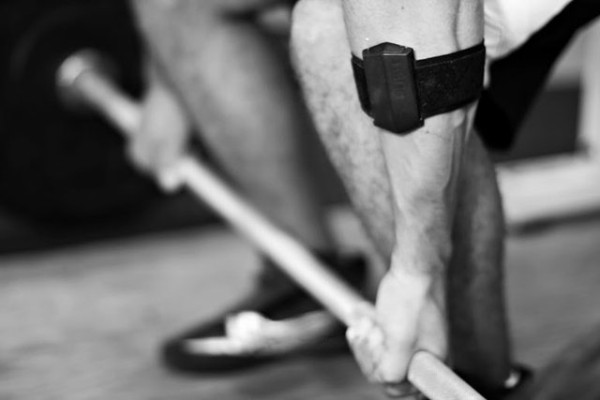
Push, is a Toronto based wearable Strength tracker that optimizes training by analyzing and tracking movement at the gym.  After a successful Crowdfunding Campaign that surpassed the project goal by 160% in 2014, Push has become an industry leader in professional sports wearables.

The device ($399) is a simple armband that measures the acceleration and velocity of a user lifting weights or performing exercises, the output is synced to a phone and accompanying app. From this data, the app can direct the user’s work-out, according to the principles of velocity-based training.

Push-wearable-fitness-tracker-600x400
Hexoskin-272x182

Hexoskin, is a Montreal smart clothing company, developing shirts with integrated biometric textile sensors. The shirts make contact with the skin and relay biometric data to a bluetooth unit that records cardiac, respiratory, sleep and activities.

Since launching in 2014, Hexoskin has grown to become a leader in wearable smart garments.Their connected hardware system is used by health professionals, first responders and customers across the globe. A true Canadian hardware startup success story.

iMerciv, is a University of Toronto startup focused on helping people with vision loss navigate their physical environment. The wearable gadget called “BuzzClip” acts as the iconic white cane – providing haptic feedback to users via a buzz that can be felt through the skin.

Over the past several years, iMerciv has received several sources of funding including a $100K Telus Pitch competition, $63K from Crowdfunding, a $30K grand and most recently received Microsft’s “AI for Accessibility Grand”. So far over 3000 units have been sold through a network of distributors in North America and Europe.

imerciv-buzzclip-mobility-tool
neurotracker

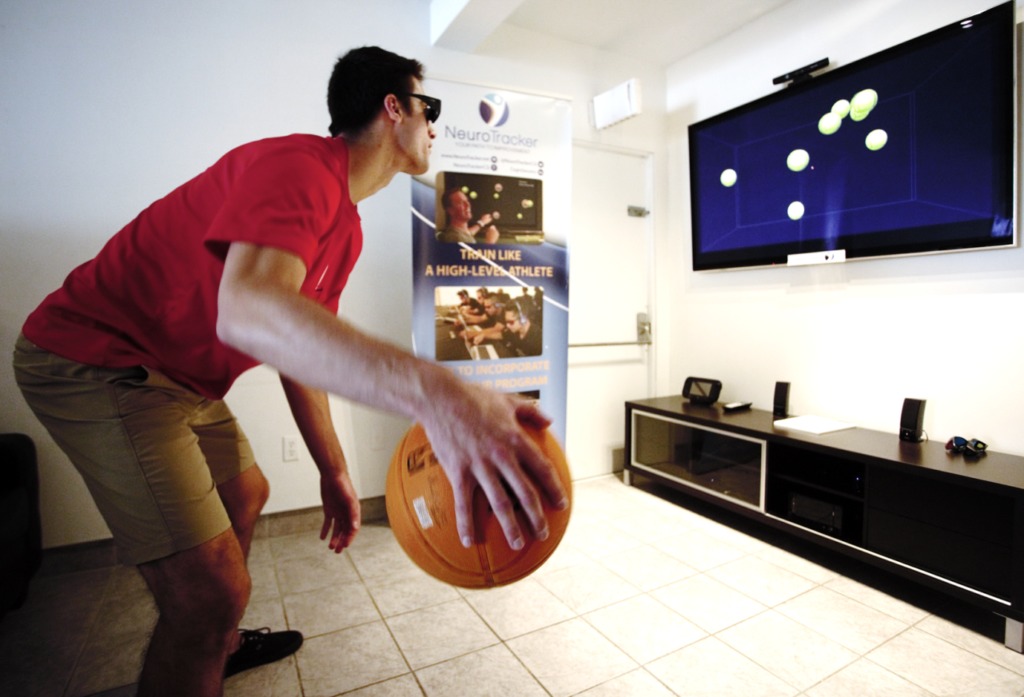
NeuroTracker – a Montreal based hardware startup is using a wearable device plus video games to improve athletic performance. The wearable eyewear plus on-screen software system helps train peripheral vision systems and enhance multiple object tracking. The technology was spun out of the University of Montreal’s “Faubert Lab” and is backed by over 40 academic reports and 50+ patents.

Over 550 elite training facilities have adopted Neurotracker including UK Soccer Club “Manchester Untied” who spent $80,000 to install a Neurotracker training facility.  Professional athletes from across golfing, basketball, boxing, football, tennis, soccer, and hockey have all adopted Neurtracker and realized cognitive gains and athletic improvements.

Canadian Wearable Startups That Failed

Not every Canadian wearable hardware startup has been successful. Over the past five years, several funded startups began gaining market traction but failed for a variety of reasons including funding, competition, and hostile takeovers.

7) Gesture Logic - Wearable Fitness Band

GestureLogic, is an Ottawa based startup that has developed a wearable fitness device called LEO that directly monitors muscle and other anatomic activity. Similar to other innovative wearable fitness trackers, LEO was propelled into product development following a successful Crowdfunding campaign that raised 3x the initial project goal of $50K.
Gesturelogic-LEO-smart-fitness-product
pebble-768x767

8) Pebble - Original Smart Watch

Pebble is a smartwatch famous for setting a Kickstarter funding record of $10.3M in 2012. And while the company is based in Palo Alto, CA – Pebble has deep Canadian roots, with the founder hailing from Vancouver and the first generation Pebble called InPulse originating in Waterloo,ON.

For four years, Pebble was the industry-leader in Smart Watches. This all changed when Fitbit and Apple watch released their smartwatches. The demise of Pebble was quick. Fitbit acquired them in 2016, discontinuing Pebble production and in November 2019, Google acquired Fitbit.

9) Gymtrack - Gym Equipment Tracking

Gymtrack is an Ottawa wearables startup that is leading the charge in the wearable fitness revolution. But, instead of targeting individuals like many bracelet fitness trackers do – Gymtrack is geared towards health clubs and gyms looking to keep members motivated and engaged.

The Gymtrack system works by installing sensors on existing gym equipment, eliminating the need for members to manually track workouts. Instead they members wear a simple bracelet and workouts are automatically recorded to the Gymtrack system – allowing personal trainers and users to monitor their workouts and build customized plans to achieve their goals.


Gymtrack-Ottawa-Wearable-Startup1
recon-jet-wearable-fitness-display

10) Recon Jet - Biking app

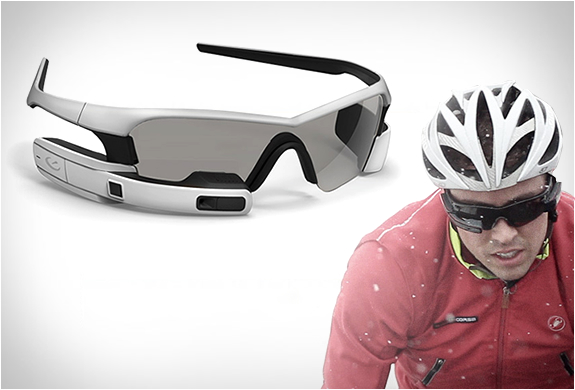
Recon Jet is the latest heads-up display from Recon, a Vancouver-based company – the same one that came out with Snow2, the smart ski goggles. Similar to their first product, Jet provides the user with the information that curious athletes seek: speed, power, vertical ascent and distance. Furthermore, with connectivity through Bluetooth, WIFI and ANT+, it’s possible to access social apps, some training apps and even maps, should the user want them. These glasses claim to be next season’s secret weapon, but hopefully for Recon, they aren’t TOO secret.

11) OM Signal - Wearable Fitness Clothing

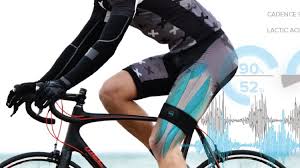
OMsignal hails from Montreal has incorporated biometric sensors into exercise apparel with the vision of allowing the user to monitor their performance and thereby track their progress.  The product ($249) will cater to the ever growing fitness market and provide real-time feedback on the body’s performance including heat rate, physical intensity, calories burned and breathing rate.  And while still in their infancy, OMsignal plans to expand their technology into a platform for the development of smart clothing products.

Share

Have a new wearable innovation idea?

We can help take you from idea to design, prototyping, and volume manufacturing.

Published on: February 27, 2023

The Top 12 Ways to Fund Your Hardware Startup

The Top 12 Ways to Fund Your Hardware Startup

How will you fund your next hardware project?

Funding is critical to the success of any new physical product development project. It’s one of the key ingredients on top of a great idea, a talented team, and a tight product-market fit that every company needs to push forward to market.  

Physical product development is a cash flow business, necessary to get to market, manufacture, ship to customers, and scale your sales. Over 25 years, Design 1st has seen 1000+ physical product development projects move from concept to manufacturing. Each of these projects navigated funding challenges.   

To help you secure funding for your product development project, we have put together a list of the top 7 funding sources our customers have used to transition from a great idea, through to product concept, then prototyping, and onto volume manufacturing. 

1. Friends and Family

The first source of funding many entrepreneurs turn to is friends and family. Getting $25,000 to $50,000 from close relationships can help entrepreneurs transform a new physical product idea into a finalized manufacturable concept and working prototype. This type of funding can come in three forms: 

  • Gift: No formal agreement to pay back money 
  • Loan: Planned repayment, agreement on funds 
  • Equity: Investment in percentage of business shares 

The best way to approach this type of funding is to be upfront about the high risks and challenges of bringing a new product to market. It helps to create a solid business plan that outlines capital costs and development timelines. If your funding is a loan vs. a gift you will want to define repayment terms.  

We have had many successful entrepreneurs rely on this funding source along with a healthy dose of bootstrapping to move to market. Some examples include: 

2. Local Angel Groups

Local angel investing groups help regional entrepreneurs and startups scale their business with funding, resources and expertise. Angel investors close the gap between friends and family and formal Venture Capital investments. 

Typical angel investments range from $50,000 up to $1-million for startups with high-growth potential, a solid business plan, and some revenue. Since investing in early-stage startups is high riskAngel investors look for big rewards and often seek a rate of return of 5-10 times their original investment within 5 to 7 years.  

For physical product startups, having an MVP (minimum viable product) prototype, a business plan, potential customers and a path to market may not be enough. Launching a new hardware product to market is expensive. Outside of product development costs you will have tooling, manufacturing, regulatory fees, packaging, shipping, etc. To be successful in securing an Angel investment, be sure to you can show a concrete path to revenue and strong pre-sales momentum. 

If you are looking for Angel Investors to pitch to, here are some resources to get started: 

3. Startup Accelerators & Hardware Incubators

Startup accelerators and incubators offer a combination of mentoring, capital and product development resources to help startups grow. There are hundreds of global accelerators that work with Startups, but for physical products the list is much shorter. 

When searching for a Startup accelerator for physical products you should look for “hardware accelerators or incubators”. These are specialized groups that focus on IoT, robotics, hardware and embedded electronics.  

Here is a list of the top global hardware accelerator programs: 

4. Crowdfunding

One of the most common answers we get from entrepreneurs when asked about potential funding sources is crowdfunding. While crowdfunding offers a massive opportunity to generate awareness, pre-sales and capital windfalls, running a successful crowdfunding campaign has it challenges 

You will need a fully functional MVP prototype and a significant investment — approximately -$50,000 — in pre-campaign marketing and public relations to achieve chart-topping success that generates awareness and surpasses goals. 

When successful, crowdfunding campaigns can help new physical products leap the chasm between pre-market prototype and mass-market sales. There are several companies that can help you prepare, launch and deliver a winning crowdfunding campaign for a physical product including: 

 Two recent Design 1st clients have conducted  successful crowdfunding campaigns include: 

5. Government Grants

Government grants, tax rebates and purchase programs are the fuel that helps many physical product startups get to market. There are thousands of government-funded programs covering every step of the product development cycle, from early-stage R&D to purchase programs like Canada’s BCIP (Build in Canada Innovation Program), where the government agrees to be your first customer. 

The challenge is navigating the maze of government grants to find the right program for your business and funding needs.  

For Canadian startups the three major national funding programs are SRED, IRAP, and BCIP. These programs offer early-stage physical product startups a variety of funding support in the form of tax rebates on R&D, product development funding, pre-market prototype testing and purchase contracts for your first production run.

Over 250+ Design 1st customers have taken advantage of Canadian government programs, including us! Over the past five years we have been publishing an annual guide to Canadian Product Development Funding you can download below. It includes the process, links, resources and tips to help you take advantage of government funding opportunities.

Download our 2021 Canadian Product Development Funding Guide

For the U.S. and global startups, government funding is as challenging. The best place to start is using Google. Search:‘Country name,’ ‘government startup funding programs.” Then filter your results for the past year. It is important to get up to date information as government programs and funding change often.  

6. Venture Capital

Venture Capital investors often look for established startups who already have strong sales momentum and existing funding. VC investments for early-stage hardware startups are rare as most VC’s favor the quick return and fast growth opportunities of selling software vs. manufacturing, packaging and shipping physical products. 

There are a handful of Venture Capital groups that specialize in hardware, robotics and IoT. For physical product startups that have exhausted other funding options and have excellent growth opportunities, reaching out to these specialized hardware VC groups below may be helpful. 

Here is an excellent list of the Top 100 Hardware Seed VC Investors by Signal. 

Additional Funding Sources

For bootstrappestartups and entrepreneurs, there are dozens of other funding sources to help support product development and go to market. Depending on your appetite for risk and willingness to give up equity in your business, these additional funding options may be useful to explore: 

7) Joint Venture with Distributor/Supplier: Work with an existing industry distributor or supplier where you provide the idea and product development and they help support upfront manufacturing costs, packaging, shipping, etc.  

8) Consulting Firm Equity: Many invention design agencies and some product development firms offer equity-for-service models, where you will pay a reduced rate on product development costs in exchange for equity in your business. 

9) Commercial Bank Loans: If your business has existing assets and strong working relationships with financial institutions, securing a commercial loan is possible. But for most first early-stage startups, funding new product development is too risky for traditional banks unless you secure your first ‘purchase-order’ from a customer. 

10) Company Co-Founders: Adding co-founders to your company can bring more experience to the table and additional funding. The challenge is getting lawyers involved to iron out the details, splitting the equity and agreeing on the hundreds of decisions that will need to happen. 

11) Pre-Market Sales Campaign: If you have a working MVP prototype and a strong product-market fit, launching a ‘pre-sales campaign’ can give you a boost of revenue to support a first volume-manufacturing run. This activity would include building a pre-sales e-commerce landing page and running an ad campaign on Facebook, Instagram, TikTok, etc. to drive awareness and pre-sales. 

12) Enter Awards and Pitch ContestsThere are hundreds of awardspitch contests and challenger events hardware startups can enter to win funding and gain access to valuable mentoring resources.  While far from a guaranteed funding source, these contests allow startups to gain feedback on their business and tap into a vast network of contacts. 

Share

Have a hardware product idea?

We can help take you from idea to design, prototyping, and volume manufacturing.

Download our Guide to Hardware Startup Funding

Ready to Start?

Published on: February 26, 2023

CBC Dragons Den: Inventor Product Pitches

CBC Dragons Den: Inventor Product Pitches

Watch Design 1st clients pitch their hardware product ideas on CBC's Dragons' Den

Over the past several years, Design 1st has had multiple clients pitch their product ideas on Dragons’ Den.  These products have included everything from pot light covers to fitness equipment, toddler monitors to ice cream makers, dog showers and humidifiers.

Watch some of our favorite client appearances on Dragons’ Den below:

Toddler Monitor

The next generation of toddler monitoring devices.

Calgary entrepreneurs, Krista and Lisa, came to Design 1st to transform their vision for a Bluetooth connected Toddler Monitor device into a working product. After successfully moving through product development and blowing past their Kickstarter campaign goal by 137% they got ready to pitch to the Dragons. And the result was even better than they hoped.

Learn More…


Rolling Desserts

DIY ice cream rolls at home.

Rolling Desserts is an innovative ice plate that enables you to make your own rolled ice cream at home. After going through the entire product development process, Rolling Desserts ran a successful Indiegogo campaign blowing past their goal by 325%, and adding lots of new customers and fans. Their next stop was pitching their innovative idea to the Dragons.

Learn More…

Rumidifier

Humidify your home using ZERO-energy.

Jeri Rodrigs embodies the true definition of an entrepreneur. With help from Design 1st, he took his product idea for a zero-energy humidifier from napkin sketch to store shelves across the country. Along the way, he has gained many happy customers, positive reviews, and mentions in the press. But the most memorable event for us was watching him on CBC Dragons’ Den.

Learn More…


EzClipse Decor

Magnetic recessed lighting covers.

Ezclipse magnetic recessed lighting covers are shaking up the home decor lighting industry with an easy to install product that can instantly transform the look of a room. Based on a patented magnetic fastening system, the Ezclipse covers can snap onto existing recessed or potlight covers without tools or new wiring. Watch what the Dragons thought of the product.

Learn More…

The PowerPress

Olympic barbell adapter.

A personal trainer for over 30 years, Guy Murray has thought of many useful fitness product ideas. But one idea stood out from the rest. This was the Powerpress; a barbell adapter that can transform any standard Olympic barbell into a smooth moving barbell press with a natural arc. Enlisting the mechanical design expertise of Design 1st, Guy brought his idea to life and onto CBC’s Dragons’ Den.

Learn More…


K9 Clean

Portable pet and utility shower solution.

Combining their love for pets and a clean car, K9 Clean inventors Ron and Kim Hamilton searched for a product to help them clean their pets after long trail runs. After coming up empty handed they decided to develop their own. With help from Design 1st they brought K9 Clean from idea to prototyping, manufacturing, and market. But the highlight for everyone was giving their pitch on CBC’s Dragons’ Den.

Learn More…

Share

Have a new product idea?

We can help take you from idea to design, prototyping, and volume manufacturing.

Published on: February 26, 2023

Top 10 hottest Cannabis tech devices of 2021

Top 10 hottest Cannabis tech devices of 2021

27 Years Experience

75+ Design Awards

1,000+ Manufactured Products

From Idea to Prototype in as Little as Six Weeks!

Ready to Start?
d1-blog-cannabis-tech-banne

The first wave of new cannabis tech hardware is here.

New cannabis tech products are flooding the marketplace filling brand new category niches that have never been explored. These devices include medicinal humidors, THC breathalyzers, cannabis flower analysis, metered dosing devices — plus many more.

Check-out the top 10 cannabis devices making waves right now:

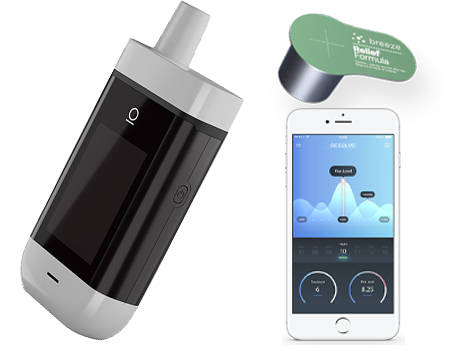
1. Resolve Digital Health: Cannabis Pod Vaporizer

Toronto-based Resolve Digital Health has raised over $5-million and invested three years in product development to bring their Resolve One™ Smart Inhaler to market. The vaporizer device uses disposable single-use Smartpods™ whose dosage and effects can be tracked by patients and caregivers. The startup has signed several distribution agreements and is hoping to launch in 2019.

resolve-digital-healh-vapod
lobo-genetics-cannabis-analysis-490x278

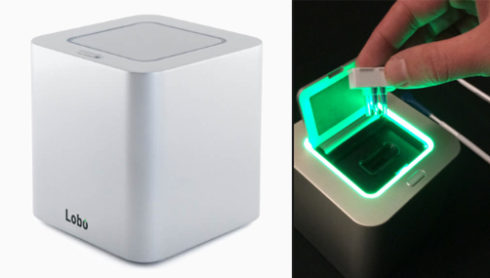
2. Lobo Genetics: Cannabis DNA Analysis

Toronto-based startup Lobo Genetics is a spin-off venture from parent company Spartan BioScience who does on-demand DNA testing. The new Lobo hardware device provides safer cannabis experiences by measuring a person’s ability to metabolize the cannabinoid THC through a simple mouth swab and DNA analysis. Lobo is ramping up to the hit the market in 2019.

3. Wisp: Disposable pod-based vaporizer

Boston-based Wisp is the Keurig of cannabis consumables. The simple, intuitive device uses disposable Wisp™ Pods for consistent vaporizing results. Wisp brought it to market in 2016 with help from ex-Keurig executive Dave Manly and over $7.5M in funding. The parent company CannaKorp was purchased by Target Group Inc. in 2018 and plans to expand Wisp’s market reach in 2019.

wisp-one-touch-herbal-marij-490x278
tcheck-cannabis-analysis-490x278

4. tCheck: Cannabis potency analysis device

California-based tCheck helps consumers understand the potency of homemade cannabis edibles. The handheld user-friendly hardware device uses UV spectrometry to determine THC and CBD cannabinoid levels in butter, concentrates and oil infusions. The second generation of the tCheck device launched in 2018 and wirelessly transmits test results to a mobile app via Bluetooth.

5. Syqe Medical: Selective-Dose Cannabis Inhaler

Tel Aviv-based Syqe Medical is frontrunner in medicinal cannabis inhalers backed by a $20-million investment from Philip Morris. The metered dose vaporizer holds 75 VaporChip cartridges that provide consistent 100mg cannabis dosages each inhale. The pharmaceutical grade device has gone through three clinical trials and is hoping to entire into the North American market in 2019.

syqe-medical-vaporizer
leaf-smart-hydroponic-grow-

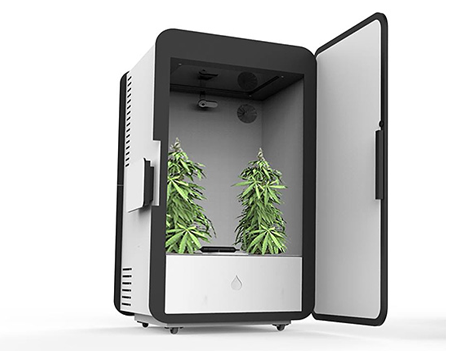
6. Corsica Innovations: Smart hydroponic Grow Box

The Colorado-based Leaf is a fully automated plug-and-plant cannabis home grow system backed by $4.5-million in funding. The hardware device is sleek, feature-packed and fully managed with a mobile app via Bluetooth. The only issue: after three years in development the unit has missed shipping deadlines and pre-order customers are getting anxious. The Leaf plans to deliver product in 2019.

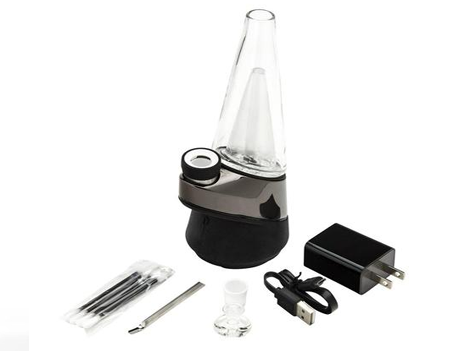
7. Puffco: Cannabis concentrate vaporizer

The New York-based PuffCo Peak debuted at CES 2018 as the world’s first cannabis concentrate vaporizer. The luxurious hardware device made of metallic, ceramic and glass features a simple user interface that provides users an effortless experience. But the first volume production run had several major design issues, including battery life and interface problems (like no auto-shut off), which have since been corrected.

puffco-peak-product
hound-thc-breathalyzer

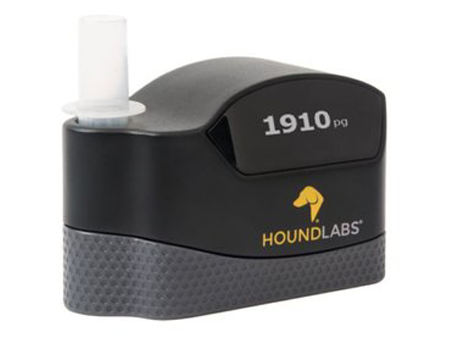
8. Hound Labs: Cannabis THC Breathalyzer

San Francisco-based Hound Labs is developing a system of Cannabis THC detection breathalyzer devices. The technology behind the device uses a disposable breathalyzer cartridge that stores detailed THC cannabinoid levels from breath samples. Backed by over $8.1-million in funding, Hound Labs is seeking to become the market leader in THC breathalyzer for the workforce and law enforcement.

9. Kassi Labs Inc.: IoT Connected Cannabis Storage

Tel Aviv-based Kassi Labs Inc. is among a legion of Israeli Cannabis hardware startups bringing new products to market. The Kassi is a feature-packed connected device for cannabis storage and consumption tracking. The accompany app includes a range of features allowing users to track cannabis consumption, humidity levels and effectiveness of treatment. Kassi Labs plans to launch in 2019.

iot-cannabis-storage-device
ardent-product

10. Ardent: Cannabis Decarboxylation Device

Boston-based Ardent bootstrapped $600,000 in funding to bring the world’s first cannabis decarboxylation device to market. The Nova Lift handheld hardware device gently heats cannabis activating the therapeutic THC and CBD cannabinoids for effortless consumption. First released in 2016, the device is seeing a large increase in demand due to recent legislation in Canada and select American states.

Share

Working on a new cannabis tech idea?

We can help take you from idea to design, prototyping, and volume manufacturing.

Published on: February 26, 2023

How Much Do Product Design Firms Charge?

How Much Do Product Design Firms Charge?

The Three Proven Financing Models for New Product Design: Flat Fee, Hourly Fee, and Reduced Fee + Equity

When hiring a product design firm to develop your idea, understanding how they charge is critical to managing your budget. Product design firms typically use one of three financing models to help clients develop new physical products.

1. Flat Fee (Fixed Price):

The first popular finance model is a Flat Project Fee, when you have very clear inputs, specifications and requirements and well-defined outputs and expectations to design to.

This model is often favored by startups that report to investors because costs and burn rates can be predicted and locked in. But as with all physical product development where the product has innovative with new features, changes to the product definition will occur, decision on features must be tied to user value and not program cost and the effort and budget will grow.

Fix price models are best reserved for product variants where the variables that are being investigated are few and the known elements of the product make up more than 80% of the design. (Example would be a re-design of an existing product or a copycat of another product in the market where the goal is to make changes to how the product looks and the electronics and user interface are remaining substantially the same).

Use the 80% known and fixed and 20% innovative and new rule and you can find companies will to fix quote and also to not surprise you with up-charges on scope changes.

Type of Firms you can approach depending on the nature of the work: Industrial Design Consultancies, Mechanical Engineering Firms, Electronics Design Firms, Full-Service design to manufacturing firms, Manufacturers with an ODM manufacturing department.

2. Fee for Service

The second service for hire model works best for both parties when the product ideas are not defined enough where hard requirement specifications are not yet possible as and cannot be precisely specified, quantified and tested.  This is the most common partnership arrangement for outsourced physical product design where innovation and new product value requires exploration and testing of potential concepts to meet the needs of users in the new potential market segment.

Generally, there are parts of the design and engineering work that can be fixed cost and other parts that require exploration, testing and iteration to fine tune the new value.   A working model between the two parties is arrived at by separating the higher-risk exploratory elements from the more predictable parts of the work that can be fixed cost.

Rates for full-service design plus engineering companies are similar to model 1 and will range from ($100 USD up to $450 USD per hour) depending on who you hire, where they are located, what markets they serve and their track record and network they can leverage on your behalf.

You will always be able to find cheaper hourly-rates down to $25/hour by souring independent freelancers and managing them yourself, overseas companies and manufacturers that compete on initial price to gain the work then use scope creep and decision changes to drive up the fees.

Payment for this model is usually done in stages, based on milestones or monthly effort with a deposit up front to start the work.

3. Fee + Equity/Royalties:

This model is favored when your goal is to find a partner willing to commit to your idea, reduce their rates and take risk on your opportunity to drive down the initial cost of development and defer the development cost until revenue on product from sales or with equity until the company gets acquired.  There are pitfalls and opportunities with this model.   Inventors, entrepreneurs and startups have limited cash to deploy across many activities to fund. Sharing the risk and reward with the outsourced design partner has a tremendous early stage appeal.

The first challenge will be to find a reputable company to work with.  Established companies with a strong track record steer away from this model because the R&D is a short-term activity finished in under a year. If you can convince an established company you have a hit, the royalty on a successful product which can quickly turn into 3 times the development fees they would have charged.

Be wary as design firms will discount an inflated hourly rate and ask royalties.  Careful shopping to find the competitive hourly rate baseline then reducing from this level for royalties is recommended.

The downsides, many hardware startup companies go through refinancing and hard times during the startup stage and these contractual relationships become additional costly legal situations to resolve.  If the product fails then this is a great model but is it wise to go into a venture with the mindset of planning for the product to fail.  Intellectual property often gets tied up in these deals as both parties want to protect their downside failure and the IP is difficult to untangle and costly.

There are great success stories with this financing model however these stories are the exception.  Design companies know how to develop great products when the targets are specified well by the business team.   Good design helps a lot but does not make a business successful on its own, the business team will ultimately determine the success and failure of the venture.

With this equity or royalty financing model the design company is put in a situation of trying to recover their losses when things don’t go to plan (happens when designing new hardware 80% of the time).  Just when you want creative risk takers at the table to continue to invest without pay the design company has hard costs of staff to deal with and are placed in a situation set up for failure.

Which pricing model is best for you?

It comes back to carefully assessing how innovative and exploratory your new design needs to be. Are you doing incremental design with known technologies, components, and interfaces, OR will it require significant R&D and IP development? Generally, the more defined or incremental the design innovation, the better the Fee models 1 and 3 can be for a successful outcome.

It may be wise to start in fee model 2 until you have very good definition then switch to model 1 or 3 if you see advantage to do so and you find a suitable design, engineering and manufacturing company that fits your business model.

The lower the design innovation risk and the more lucrative the market the more money the R&D will cost you with fee model 3.  With products that have a good run in the market for 10 years as an example, the total cost of the R&D in fees and royalties can be more than 10 times the fee for service model.

Share

Have a new product design idea?

We can help take you from idea to design, prototyping, and volume manufacturing.

Published on: February 26, 2023

The Process for Developing a New Product: Template + Guidelines

The Process for Developing a New Product: Template + Guidelines

27 Years Experience

75+ Design Awards

1,000+ Manufactured Products

From Idea to Prototype in as Little as Six Weeks!

Ready to Start?
 
Product development is about bringing a product idea to market.

Although product development differs by industry, it starts with an idea and moves through critical process stages that ensure even very complex products follow a realistic and successful path to market.

During the last three decades, we have successfully developed for our clients, over  750+ physical products from idea through to volume manufacturing using a predictable process.

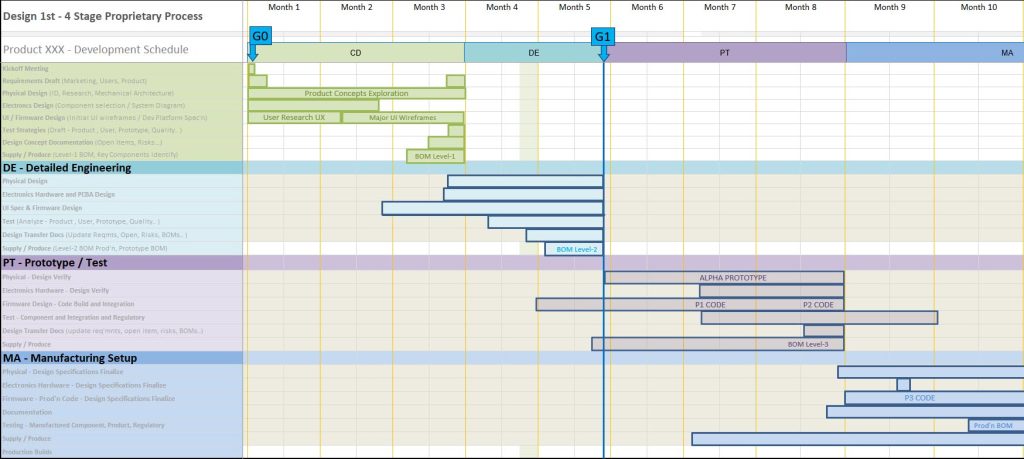
Below is an example of our typical product development process template. It includes:

  • Typical timeline to reach volume production
  • Key activities in each stage of product development
  • Prototype Modelling and Testing activities in each stage
  • Controlled release to Manufacturing with production-ready drawings
4-stage-product-development-process-1

The Four Stages of our New Product Development Process

Implementing a process-oriented discipline without losing the flexibility is critical to success. As many aspects of product development are unpredictable, frequent testing to validate your assumptions minimizes risks, maximizes your budget, and keeps the user experience top of mind as the product moves through predictable schedules and deliverables.

Design 1st delivers world class services that mitigate risk and provide accurate, reliable, and repeatable results using our proven four-step process.
Explore the details in each phase of our process below:

Phase 1: Concept Design

Concept design is the most important phase in any product development project. Making the wrong decisions here or spending too much time iterating potential product concepts can be costly. To get it right, we follow a structured design-for-users and design-for-manufacturing matrix approach that identifies key acceptance, feature and feasibility risks and lays out the mechanical, electronics and software architectures. Identified high risk elements are tested and reviewed before deciding on the final product solution to develop.

The output is a finalized product concept ready for build and test.

phase-1-concept-design

Phase 2: Detailed Engineering

Once a product concept has been finalized, we complete a ‘ready for manufacturing’ fully defined product specification that provides the necessary information to:

  1. Build the ALPHA product prototype and
  2. Allow third party manufacturers to quote and deliver.

This stage includes creating product housing and mechanism parts in 3D CAD geometry, hardware and firmware design including building rapid prototype bench models of sub systems and running simulations to validate key design assumptions and tolerances.

From stand-alone to connected products, this stage includes the housing design, custom electronics component selection, schematics design and PCB layout. Custom firmware coding for the microprocessors and programable chips is also built to run the product interface and communicate with a variety of radios to other devices, smartphones, and the internet.

The output is 3D CAD geometry and documentation to produce the very first ALPHA pre-production prototype unit with quick prototype suppliers.

phase-2-detailed-engineering

Phase 3: Prototype and Test

This first ALPHA prototype enables the design and engineering team to check the hundreds of decisions made on the product design stage and fine-tune the product specifications for manufacturing, including any required regulatory testing. Here is where the path to production begins to speed up.

We take the pre-production prototype files and produce a fully functioning product that replicates the final manufacturing process and allows all stakeholders from client to customer to manufacturer to review, comment and refine the design.

This prototype is then put through a range of testing, validation, and fine-tuning. The result is an “alpha prototype” ready for controlled user testing, product acceptance feedback and the fully defined product now makes it possible to get formal quotes from third-party partners in manufacturing.

One important output is a finalized BOM (bill-of-materials) and the creation of manufacturing-ready drawings for volume production. These formal drawings and 3D CAD geometry files must be release managed with all updates to any information going to third parties strictly controlled in a sequential release number process.

The process is two steps:

  1. The first step is control of the pre-production documentation and when all parts and assemblies are approved
  2. The second step is the production-ready bill of materials and documents to be used for the commercial supply contracts and first pilot run build of general availability (GA) product
phase-2-prototype-test

Phase 4: Manufacturing Setup

Setting up manufacturing really starts in the concept design stage and carries through to the Detailed Engineering and Prototype stages.  The attention to detail on a part by part decision basis is critical. It is not enough to transfer the production-ready design files to the manufacturing partner and hit go on volume production.

Suppliers must review, revise and agree to produce all parts and assemblies to the quality of the design requirements.

A quality control process must be implemented and revised as production issues are identified and resolved, much like the release control process for the transfer of part files to the suppliers is handled.

There are three types of part suppliers:

  1. The custom parts like injection-molded housings
  2. Off-the-shelf (OTS) parts like screws
  3. Custom off the shelf parts (COTS) where the design team must work with a part supplier to modify an existing component used in other products that are customized to the design teams needs. An example of a COTS part would be a display module with a bezel lens covering the top.

The COTS parts are the riskiest as the third party supplier may discontinue supply and create a shortage delay issue for manufacturing.

The transfer to manufacturing has 4 steps:

Step 1: Review the design documentation and get agreement on all parts and assemblies.

Step 2: Have the manufacturer produce sample parts for approval by the design team with any revisions to the specification documents

Step 3: Ordering parts and running a small volume of product (PILOT RUN) to verify the process and quality of the product coming off the assembly line.

These pilot-run units may be used for early sales or for marketing Beta trial testing depending on the complexity of the product and quality of the production process. Minor revisions to the design files are made from the feedback and learning the business team, design team, and manufacturing team find during the pilot run build and testing.

Step 4: Ordering all parts and the first official production product build which ends with General Availability (GA) product ready to ship to the target consumers.

phase-4-manufacturing-setup-1536x220

Design 1st delivers world-class services that mitigate risk and provide accurate, reliable, and repeatable results using this proven four-step process. Our process provides reliability and consistency at every stage to ensure your success in the market.

Share

Book a project review consultation to learn how our process can work for you.

We can help take you from idea to design, prototyping, and volume manufacturing.

Published on: February 26, 2023

Top 27 Durable Medical Equipment Innovations

Top 27 Durable Medical Equipment Innovations

27 Years Experience

75+ Design Awards

1,000+ Manufactured Products

From Idea to Prototype in as Little as Six Weeks!

Ready to Start?
durable-medical-equipment-i

Companies Are Investing in Durable Medical Equipment Development

As the population ages, the demand for durable medical equipment is rising. Companies across North America are investing into the development of new equipment to meet patients’ needs.

This equipment includes a range of mechanical and connected devices that utilize new technologies. Check-out the top 27 on the market below:

Connected Medical Equipment

The biggest wave of innovation is happening with connected medical devices that allow patients and healthcare professional monitor progress.

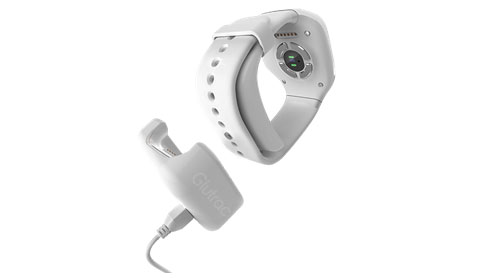
Glutrac is a smart wearable for non – invasive glucose monitoring. It measures signals from human bodies with optical sensors of different wave bands and collects data using four monitoring methods and then build big data powered models for individual users to calculate users blood glucose levels relying on A I and deep learning.

Glutrac-Shutang-Information-Tecnology
iStent-Inject

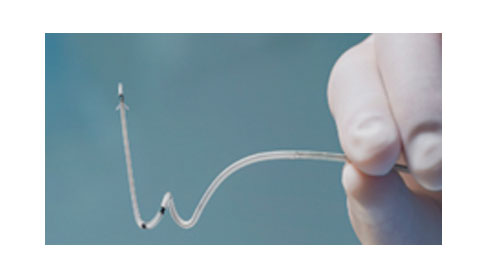
Glaukos’s iStent Inject is designed to reduce intraocular pressure safely and effectively in patients who have been diagnosed with primary open-angle glaucoma, pseudo-exfoliative glaucoma or pigmentary glaucoma.

The injection is implanted through a single-entry point during cataract surgery or during a standalone procedure. It creates a bypass through the primary blockage site to improve physiological outflow, according to the company.

HeartLogic-heart-failure-diagnostic
Magtrace-and-Sentimag

Endomagnetics’s Magtrace and Sentimag magnetic localization system is a magnetic device system that is used to guide lymph node biopsies in patients who are having a mastectomy for breast cancer.

Bilateral anterior thalamic nucleus stimulation using the Medtronic DBS System for Epilepsy is indicated as adjunctive therapy for reducing the frequency of seizures in individuals 18 years of age or older diagnosed with epilepsy characterized by partial-onset seizures, with or without secondary generalization, that are refractory to three or more antiepileptic medications.

Medtronic-DBS-therapy
ProAir-Digihaler

The ProAir Digihaler device from Teva Pharmaceutical Industries is a digital inhaler that uses sensors to connect to a companion smartphone app for people who have asthma and chronic obstructive pulmonary disease, according to the company.

Boston Scientific’s Sentinel cerebral protection system is an embolic protection device that captures and removes thrombus/debris during trans catheter aortic valve replacement procedures.

Sentinel-cerebral-protection-system
Starkey-Livio-AI

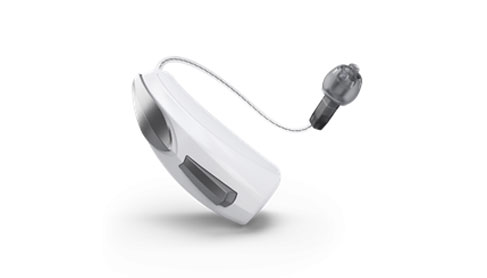
Starkey’s Livio AI is a hearing aid that can track body and brain health. Using integrated sensors and artificial intelligence, Livio AI can detect when users have fallen and can act as an assistant. Livio AI is rechargeable and offers 24 hours of hearing on one charge. When paired with the Thrive smartphone app, users can stream cellphones, TV, music and other media directly to their hearing aid.

Abbott’s FreeStyle Libre system is a glucose-measuring system that eliminates the need for finger sticks or finger-stick calibrations. It measures glucose levels through a small sensor that is applied to the back of a user’s upper arm. The sensor is the size of two stacked quarters and gives real-time readings for up to 10 days, according to the company. The sensor is also able to read glucose levels through clothes.

abbott-glucose-monitoring-system
Butterfly-New-Ultrasound-Technology (1)

Abbott’s FreeStyle Libre system is a glucose-measuring system that eliminates the need for finger sticks or finger-stick calibrations. It measures glucose levels through a small sensor that is applied to the back of a user’s upper arm. The sensor is the size of two stacked quarters and gives real-time readings for up to 10 days, according to the company. The sensor is also able to read glucose levels through clothes.

HeartGuide is a wearable blood pressure monitor in the innovative form of a wristwatch. In tandem with its companion app HeartAdvisor, HeartGuide delivers powerful new technology making tracking and managing your blood pressure easier than ever before.

Wearable-Blood-Pressure-Monitor
SoeMac

SoeMac is a wellness product which can help you to breathe and sleep better. It works by drawing air inside, and produces a bio-usable form of energized oxygen, known as Singlet Oxygen Energy, or SOE.

Genie Connect can have a conversation and set up video chats with healthcare professionals and family members. Service Robotics Limited designed it to help stimulate and engage the user’s mind. It also reminds the user when to take medication and attend appointments.

GENIECONNECT
Inogen-At-Home-Oxygen-Concentrator

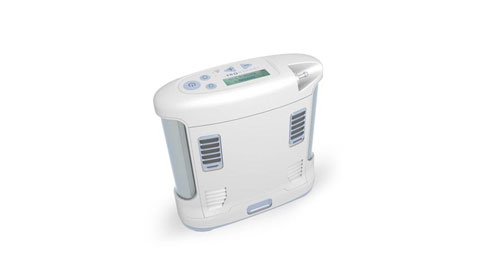
The Inogen One G3 delivers the independence of a portable oxygen concentrator in one of the smallest, lightest and quietest packages available to the oxygen user today.

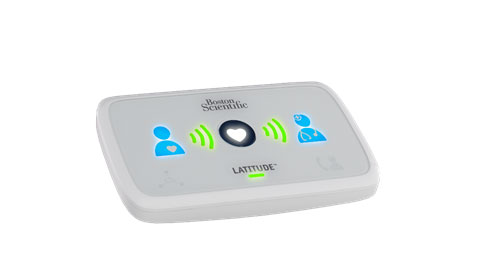
As implanted device patients are living longer and the amount of available patient and device data keeps growing larger, remote monitoring has become the standard of care. The LATITUDE NXT Remote Patient Management System lets you monitor your patients’ device data between scheduled appointments for improved efficiency and better patient care.

LATITUDE-NXT
Maptic-Tactile-Navigation

Maptic is a system of wearable sensory devices for the visually impaired, consisting of a visual sensor and vibrating feedback units. These customisable, personalisable modules can be worn without attracting the stigma that current assistive products harbour, while still accurately detecting objects in the visual field and transmitting them into intuitive vibrations on the body.

Mechanical Medical Equipment Innovations

Mechanical medical equipment includes standalone devices like wheelchairs, walkers and blood pressure monitors.

As implanted device patients are living longer and the amount of available patient and device data keeps growing larger, remote monitoring has become the standard of care. The LATITUDE NXT Remote Patient Management System lets you monitor your patients’ device data between scheduled appointments for improved efficiency and better patient care.

Inspiris-Resilia-aortic-valve
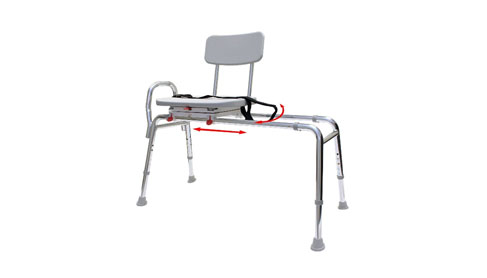
swivel-sliding-transfer-benches

Maptic is a system of wearable sensory devices for the visually impaired, consisting of a visual sensor and vibrating feedback units. These customisable, personalisable modules can be worn without attracting the stigma that current assistive products harbour, while still accurately detecting objects in the visual field and transmitting them into intuitive vibrations on the body.

20) ABLE

ABLE is the first lightweight, easy-to-use and affordable exoskeleton for people with lower-limb paralysis, that restores the ability to walk naturally and intuitively.

ABLE
BioPrax

BioPrax™ is a minimally invasive device designed to help eliminate biofilm infections on prosthetic knee implants during early intervention procedures and was recently granted Breakthrough Device designation by the FDA.

“Trails (Patent Pending) were designed in a constant search for better and more innovative solutions. Our main concern is to ensure that our customers enjoy full support and safety at their work, to speed up the procedures and save lives. … because when saving lives, seconds count!”

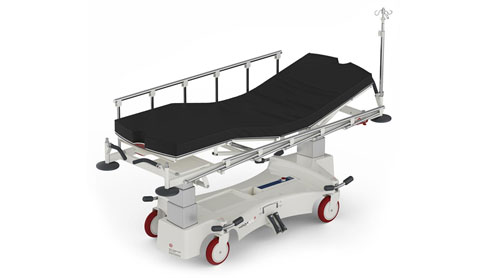
Novak-Stretcher-X-Electric
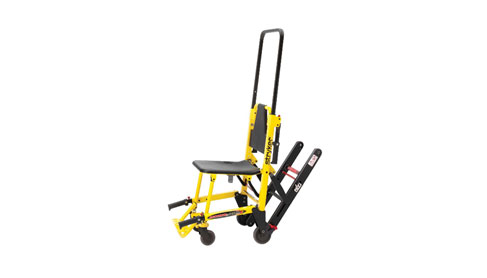
Stair-PRO

With its Stair-TREAD system, this chair enables caregivers to transport a patient down stairs without lifting.

“Trails (Patent Pending) were designed in a constant search for better and more innovative solutions. Our main concern is to ensure that our customers enjoy full support and safety at their work, to speed up the procedures and save lives. … because when saving lives, seconds count!”

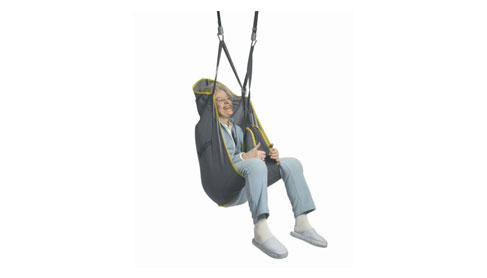
Invacare-Lifters-hoists-slings
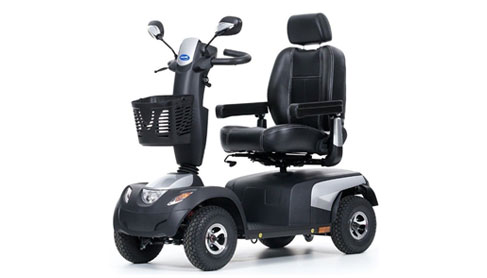
Invacare-Scooters

Mobility scooters from Invacare are a stylish range with exceptional manoeuvrability, reliability and safety. Our scooters offer a wide range of mobility with many safety features as standard. Designed for everyday use this stylish range features micro, mini, medium, large and bariatric models.

The patent pending M+D Crutches cradle the user’s elbows and evenly distribute their weight throughout the forearms; removing pressure that other crutches place on the armpits, wrists and hands.

MD-Crutches
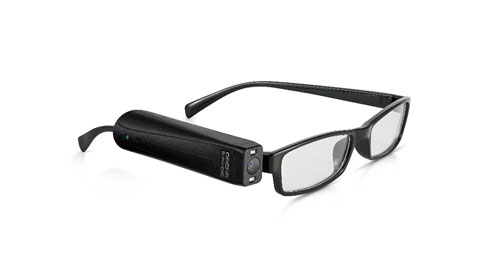
Orcam-MyEye

“OrCam MyEye is a revolutionary voice activated device that attaches to virtually any glasses. It can instantly read to you text from a book, smartphone screen or any other surface, recognize faces, help you shop on your own, work more efficiently, and live a more independent life! OrCam MyEye conveys visual information audibly, in real-time and offline.”
 

Share

Working on a new medical device?

We can help take you from idea to design, prototyping, and volume manufacturing.

Published on: February 26, 2023