Category: Product Design

Four Components for Determining Product Design Usability

Four Components for Determining Product Design Usability

27 Years Experience

75+ Design Awards

1,000+ Manufactured Products

From Idea to Prototype in as Little as Six Weeks!
Ready to Start?


It happens all the time. Someone thinks he has a bright idea, and a new consumer product is born. Unfortunately, not every new concept is worth putting on a retail shelf, as illustrated by this 2012 post on the “20 Useless Products No One Should Buy.”

So what factors do you need to consider when looking at product usability? Here are four components we recommend.

Reliability

When you pick up a new product, does it work? If not, consumers may think it has malfunctioned or isn’t working as planned. In our technologically focused world today, most people won’t spend much time trying to figure out how something should work.

In the article, “Americans Aren’t Just Lazy Workers, They’re Just Lazy. Period.” freelance writer Deborah S. Hildebrand suggests:

Generally, an item is returned because it doesn’t meet customer expectations. Perhaps it’s too confusing to use (68%) or the buyer returns the item due to a change of heart (26%), frequently called “buyer’s remorse.”

Her assertion is that a product must function as expected — meet the user’s expectations and goals – in order to meet the product usability demands of consumers. Otherwise, they will give up trying.

Durability

You’ve likely heard the term built in or planned obsolescence. Often consumers believe that products designed with a short life span are built this way, intentionally. The purpose, according to them, is purely profit.

Therefore, when you design a product, it is important to consider durability. This includes the impact not only on a consumer’s pocketbook, but on the environment as well.

Ease-of-Use

Generally, you measure ease-of-use in terms of the mental and physical effort. However, ease-of-use also relates to how the product helps consumers accomplish their task.

Additionally, determine learnability by considering whether occasional users remember how your product works and retain their proficiency even after long periods of disuse?

Acceptability

Before you design a product, it is important to determine if, when, and how much it will be used. Once it is on the retail shelf, you need to reassess its performance continually to determine whether consumers actually enjoy using it.

As Eric Ries suggests in his book The Lean Startup, one of the primary reasons novice entrepreneurs fail is because they launch a product no one wants.

Reis suggests you ask yourself, “Will anybody buy this?” But don’t stop there. Continue asking questions. Obtaining continuous customer feedback is the only way to know if you are going in the right direction.

If you have an product in mind and want to determine its usability, you need the assistance of expert designers and engineers. That’s where we can help. Contact us.

Share

Have a new product idea?

We can help take you from idea to design, prototyping, and volume manufacturing.

Published on: February 24, 2023

Evolution of Product Design Tools

Evolution of Product Design Tools

27 Years Experience

75+ Design Awards

1,000+ Manufactured Products

From Idea to Prototype in as Little as Six Weeks!
Ready to Start?


While pencil sketches of product concepts are still a necessity, the evolution of product design software has made a big difference in how we draft, model and present designs to clients. Design 1st uses a variety of leading edge computer-aided design (CAD) tools for engineering simulations, concept development and detailed design.

Last week, the folks at “Engineering.com” put together an excellent video demonstrating the evolution of product design tools that we would like to share. Check-it out below:

Share

Have a new product idea?

We can help take you from idea to design, prototyping, and volume manufacturing.

Published on: February 24, 2023

Simplicity and Honesty in Innovative Product Design

Simplicity and Honesty in Innovative Product Design

27 Years Experience

75+ Design Awards

1,000+ Manufactured Products

From Idea to Prototype in as Little as Six Weeks!
Ready to Start?
Concept-P-01.489

Everyone wants innovative product design, but what does innovative even mean? Design can make a product appear new and fresh, but in what ways?

Rather than write a long, dull treatise on the history of the word “innovative,” let’s work backwards and look at individual things that make design innovative.

Today we’ll talk about two key factors in design innovation: simplicity and honesty. It sounds as if they might mean the same thing, but as always, details are important and make the difference.

Simplicity

Simplicity means eliminating all the bells and whistles, and beyond that, stripping away even the structural aspects that aren’t necessary to a product’s function. If you’re undergoing extensive home renovations in your kitchen you strip away all old cupboards and start the scratch, the same principle applies to innovative product design.

Consider what Charles Harrison, the famous industrial product designer who worked for Sears Roebuck and Co. for over three decades, said about simplicity in design:

“If it doesn’t do what it’s supposed to do or look like what it does, then I frown on it. I don’t think a nutcracker needs to look like an elephant.”

Simplification is innovative when it causes consumers to say “Of course — why didn’t I think of that?” For example, hanging fruit juice containers from a plastic “vine,” as if they were growing on the packaging, is simple and yet so unexpected that it’s innovative.

Honesty

Obviously products don’t lie to people, but they may conceal their function to some consumers, and the designer’s job is to innovate a better appearance that communicates function better than previous designs.

Dieter Rams, another famous industrial designer, had this to say about a product’s appearance:

“It clarifies the product’s structure. Better still, it can make the product talk. At best, it is self-explanatory.”

If you don’t know what something is the first moment you see it — whether it’s a table or a computer program — then it may not be honest. For example many innovative commercial security systems now use biometrics such as facial recognition to allow access. If you’re a first time user and have never account a system like this will you know how to use it? It’s difficult to strip a product down to pure function, which is why designing something that has a more “obvious” form is an act of innovation.

In general, you can assess the simplicity and honesty of your product’s design by asking the following questions:

  • Does absolutely everything need to be there?
  • What could we subtract?
  • Is this product’s function obvious?

These questions are a great starting point for innovating new forms of product design.

Feel free to contact us if you want to talk more about design. It’s what we do.

Share

Have a new product idea?

We can help take you from idea to design, prototyping, and volume manufacturing.

Published on: February 24, 2023

Great Design is Sustainable Design

Great Design is Sustainable Design

27 Years Experience

75+ Design Awards

1,000+ Manufactured Products

From Idea to Prototype in as Little as Six Weeks!
Ready to Start?


“There are professions more harmful than design,” wrote Victor Papanek in the 1970s, “but only a few.”

Papanek – considered the modern father of responsible design – accused designers of “creating whole species of permanent garbage to clutter up the landscape, and by choosing materials and processes that pollute the air we breathe, designers have become a dangerous breed.”

If this is so, then why not consider social and environmental factors when designing future products? And having done this, why design unsustainable products at all?

100% Sustainability Begins with the Design

According to the article, “100% Sustainable: Product Design,” there are three primary considerations when designing products.

You should make:

  • Products that use fewer materials
  • Products that use fewer components
  • Fewer products

This may seem like a quick way to squelch the creative process, forcing designers to think beyond just their own product design. However, quite the opposite is true. It allows them to imagine a better design, a better way of making their creation effective and effectively making their creation.

After all, sustainable design focuses on reducing the environmental impact of a product during its lifetime: design, manufacture, use, and disposal/reuse. This includes choosing strategies that avoid using toxic substances, minimizes material and energy use, and creates plans for reuse, repair, or recycling.

Sustainable Design Good for Business

In the December 2011 article, “IDEO’s Steve Bishop on the Future of Sustainable Design Thinking,” Steve

Bishop suggests that too many people view sustainable design in a negative light.

Many people approach it from a glass half-empty point-of-view, which is not inspiring and not fun. It’s not an inspirational topic for a lot of people; it’s “we’ve got to save ourselves.” 

Instead, Bishop suggests looking at sustainable design as an opportunity to make a positive impact and to grow business. For his team, it is about innovation and looking at the demand side – what people want and how to meet those needs. Rather than becoming clouded by ideas of “efficiency, supply chain optimization, or regulation,” he suggests figuring out how to find new markets, get new users, and be more sustainable.

That’s where Design 1st comes in. We understand how product development and sustainability coincide along with meeting your needs. From choosing materials, manufacturing processes and packaging requirements we help guide clients make sustainable decisions throughout the product development lifecycle. Contact us to discuss how we can help bring your product to life.

Share

Have a new product idea?

We can help take you from idea to design, prototyping, and volume manufacturing.

Published on: February 24, 2023

Six Design 1st Clients Win Product Design Awards in 2022

Six Design 1st Clients Win Product Design Awards in 2022

27 Years Experience

75+ Design Awards

1,000+ Manufactured Products

From Idea to Prototype in as Little as Six Weeks!

Ready to Start?


Design 1st is celebrating the success of our clients in capturing industry recognition through winning multiple awards in 2022. 


September 29, 2022 – Design 1st, one of the most trusted full-service product design-engineering firms across North America, is excited to share the success of six of our new clients for receiving industry recognition on the launch of new products in 2022.

The industry awards and prestigious design accolades include the A’Design, European Product Design, Grand Prix Du Design, InfoComm and SCN AV Product awards.  The awards mark a new record for Design 1st, with six unique clients receiving product awards in 2022.

Explore the Winning Produts Below

The SUPStick is the ultimate land paddle that features patented Impact Reduction Technology™ (IRT) that allows users to seamlessly transition from on-water training to the roads, streets and sidewalks. With a unidirectional wheel, carbon fiber spring and aluminum swing-arm, this land paddle truly gives you the feeling that you’re paddling on the water. The SUPStick is designed to be both durable and lightweight.

The Design 1st mechanical design team worked with Joel Brennan, the inventor of SUPstick, to transform his vision for a land paddle into a manufacturable product ready for market!

supstick-euro-int-award
calibre-bio-a-design-2022

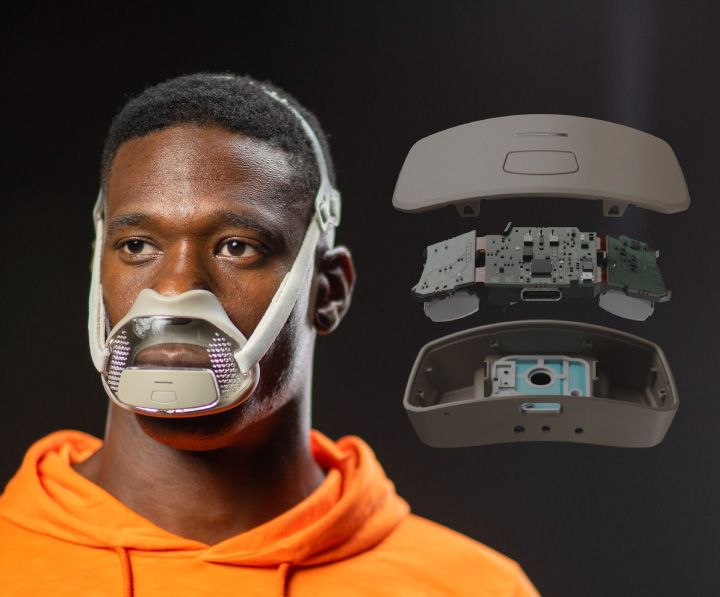
Calibre is a wearable, real-time fitness metabolic tracker that measures breath flow and caloric burn of carbohydrates vs. fats, and oxygen uptake and other respiratory parameters. The data influences how daily routines and exercise affect the body and respiratory system.

Using the proven science of breath calorimetry, a unique design and the most accurate lab-grade sensors available, Calibre™ empowers you to take charge of your metabolism. The accompanying APP allows users to compare data between sessions to see how metabolic state is impacted by sleep, nutrition and stress.

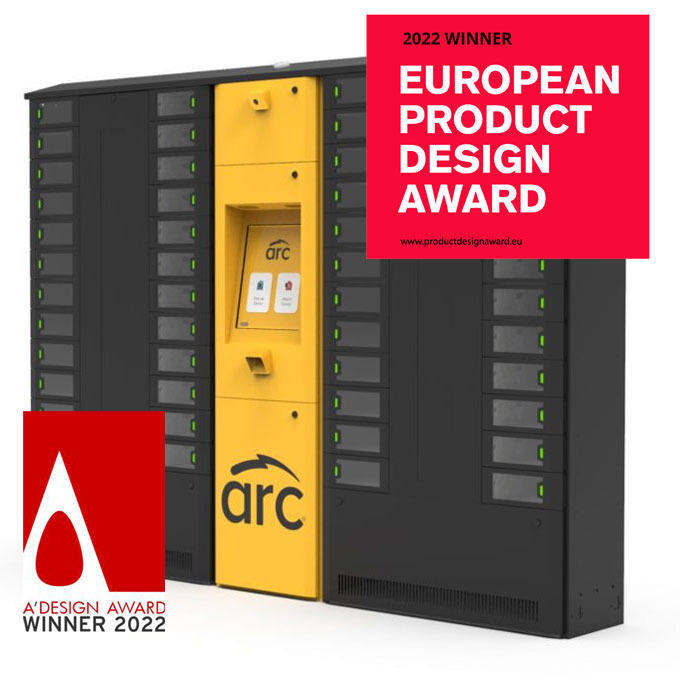
Arc was inspired by the need for a locker-based, expandable device management kiosk with intelligent software that can track, secure, and manage devices for employees.

The intelligent mobile device management system in one centralized kiosk to help companies manage and charge handheld mobile devices. Modular to support device growth, the heavy-gauge steel lockers keep devices safe and unauthorized users out. A 17 inch touchscreen facilitates employee self-service, and a wide-lens security camera and RFID enforce user compliance.

calibre-bio-a-design-2022
funkoff-silver-award

The 1st ever 2-in-1 toothbrush + toothpaste that is reusable (30x) for use on-the-go. FunkkOFF! TeethRefreshers® is an elegant design for easy use – just twist the bottom, brush, rinse, and smile. Compact and reusable by design, FunkkOFF! TeethRefreshers® includes a proprietary tooth gel that was formulated to be 100% natural, chemical-free, SLS-Free, Fluoride-Free, BPA-Free, Gluten-Free, and Vegan.

Plus, with a clever mirror on the bottom, FunkkOFF! TeethRefreshers® is your beauty accessory for your smile when you’re on the go.

Pearl Nano™ is a perfect fit for small-scale events as a dedicated video streamer and recorder. The device is the second product Design 1st has designed Epiphan, the first product called the Pearl, was a larger version with a brush metal design to be used along side a professional AV recording setup.

The Pearl Nano allows anyone to professional record and stream and even in real-time. The built-in front screen of the Nano offers quick access to basic configuration while you are streaming and recording, while the connection to the Epiphan Cloud gives you professional video production capabilities.

pearl-nano-awards-2022
kayak-gold-award

The Telescoping Kayak is a first-of-its-kind collapsible water vessel (commonly known as a kayak or canoe), easy to transport and store. Custom designed for the water enthusiast with components that make it simple for users to collapse and carry, the Kayak revolutionizes the transport and storage process of personal water vessels without impacting functional and aesthetic quality. Kayak is currently a production-intent prototype that is attracting investors and fueling interest from industry leaders.

The Design 1st team worked with the client Rhys Kirk, to transform his vision into a production-ready product that balanced cost of manufacturing, waterproofing, ease of carrying and paddling the comfort.

Additional Resources

About Design 1st

Design 1st is one of the most trusted full-service product design firms across North America, with a seasoned team consisting of diverse technical expertise, over 1,000 projects developed, and 130 client patents secured. From Startup to Enterprise, we enable companies to quickly scale capabilities throughout their new product development programs by leveraging our core competencies in industrial design, mechanical engineering, electronics engineering, embedded firmware, and manufacturing setup. Design 1st’s plug-in experienced team has helped clients transform their physical ideas into commercialized hardware products across a variety of industries and influenced millions of people globally. To learn more, visit www.design1st.com.

Media Contact:
Joan Highet
jhighet@design1st.com

Share

Have a new product idea?

We can help take you from idea to design, prototyping, and volume manufacturing.

Published on: January 27, 2022

Biomimicry: Nature is a Product Design Genius

Biomimicry: Nature is a Product Design Genius

27 Years Experience

75+ Design Awards

1,000+ Manufactured Products

From Idea to Prototype in as Little as Six Weeks!

Ready to Start?

Solving complex design challenges by studying nature is not new. Centuries ago designers tried to imitate the flapping of bird’s wings to take flight. The device at the time was called a Ornihopter and the earliest concepts date back to Leonardo da Vinci’s design in 1485. As you may be aware, the Ornihopter didn’t exactly work out as planned, and it took 4 more centuries until inventors in France got it to take flight in 1871. Now fast forward to 2014. Biomimcry – mimicking nature to solve design problems – has become both an emerging design discipline and a buzz word that embodies sustainable design. The core philosophy is that nature, through centuries of evolution, has already solved many of the complex design problems we are grappling with today. By emulating  nature and it’s strategies and solutions we can design better solutions to human problems that are both sustainable and efficient. Watch the short video below to learn more on how Biomimicry is shaping the design of products today and tomorrow:


And if you’re looking for more inspiration on how Biomimetic designs are here to stay along with dozens of examples check out Janie Benyus TED Talk video on Biomicry in Action below. In it will not only tune you into the specular design genius of mother nature but may also give you some ideas for a new product, startup or disruptive technology!

Share

Have a new product idea?

We can help take you from idea to design, prototyping, and volume manufacturing.

Published on: October 24, 2021

CES 2020 Review: Product Design Perspective

CES 2020 Review: Product Design Perspective

27 Years Experience

75+ Design Awards

1,000+ Manufactured Products

From Idea to Prototype in as Little as Six Weeks!

Ready to Start?
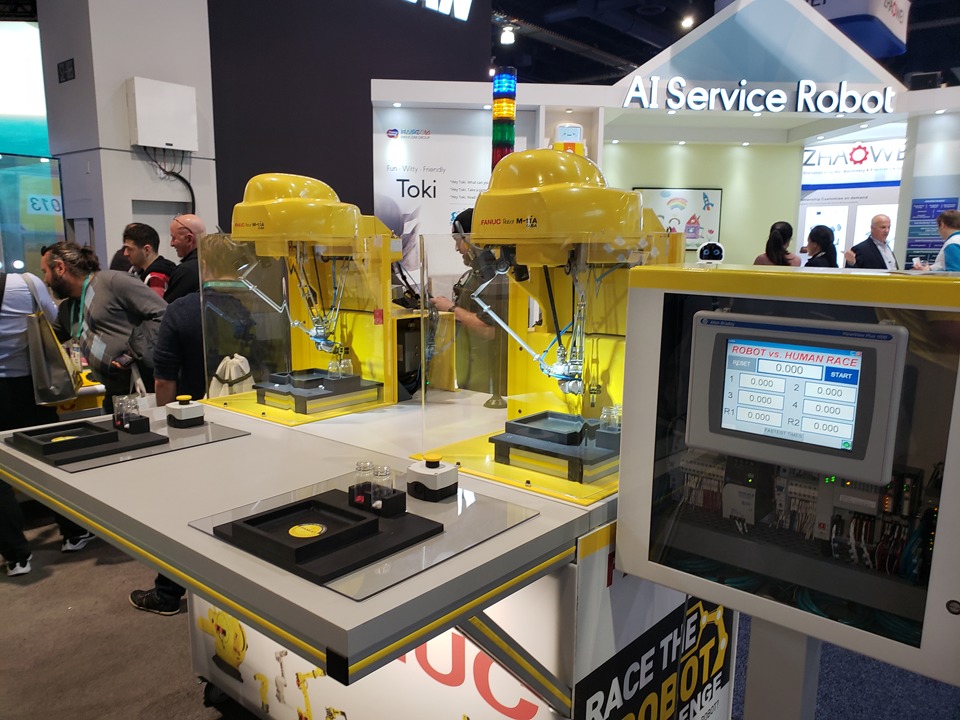
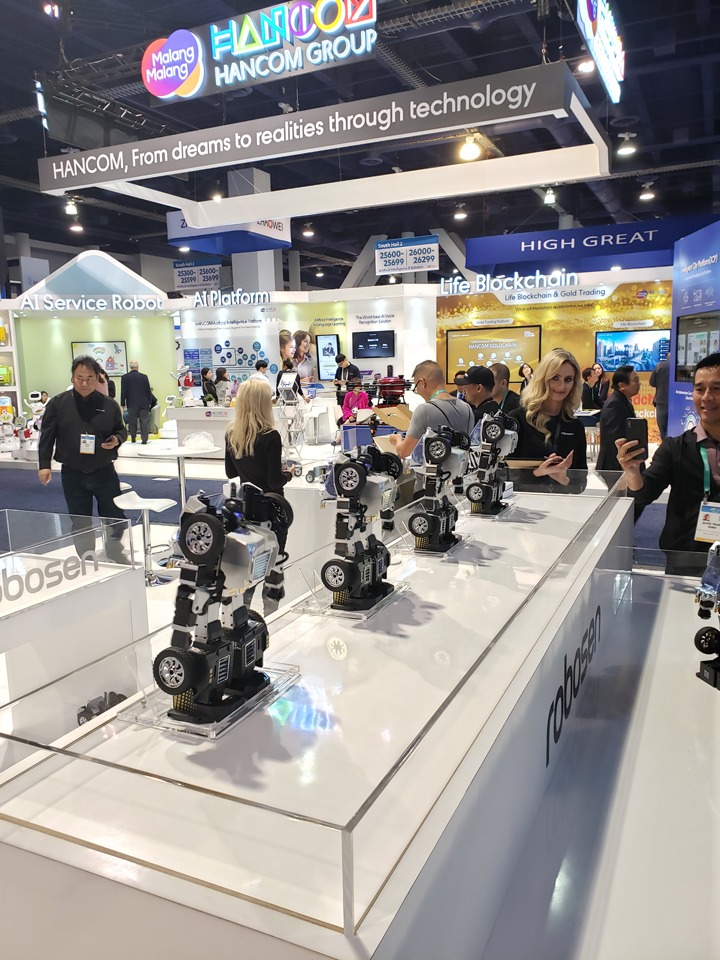
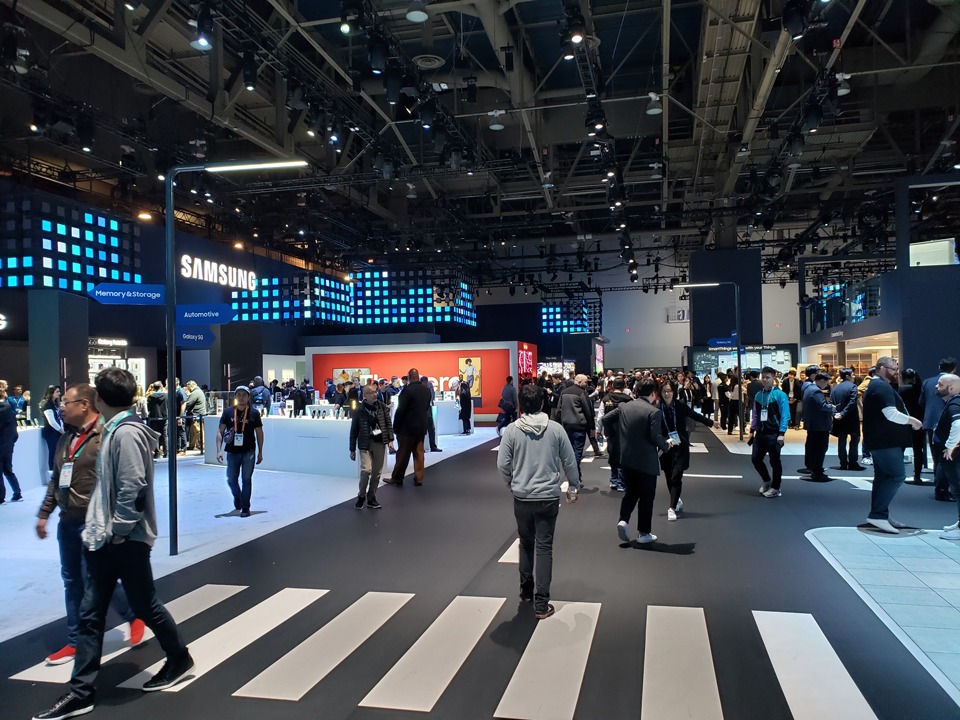
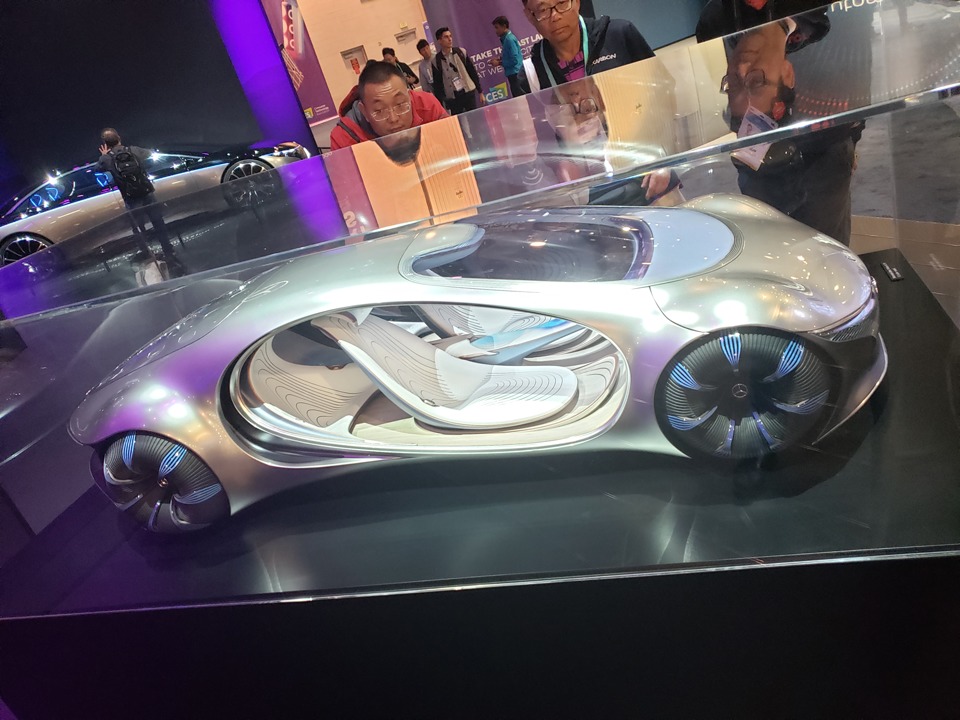
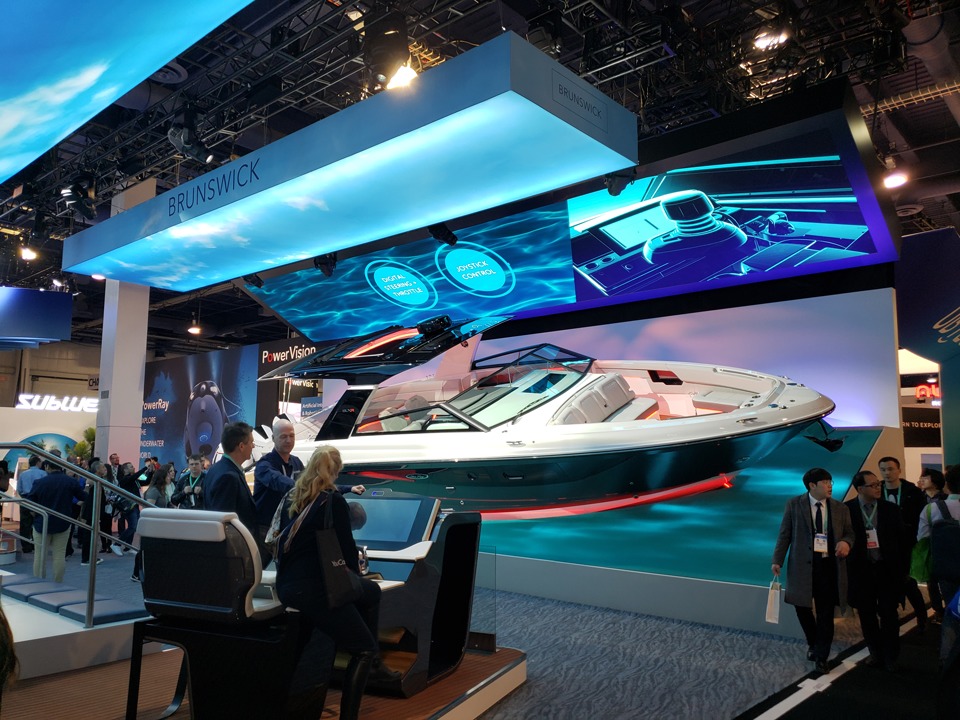
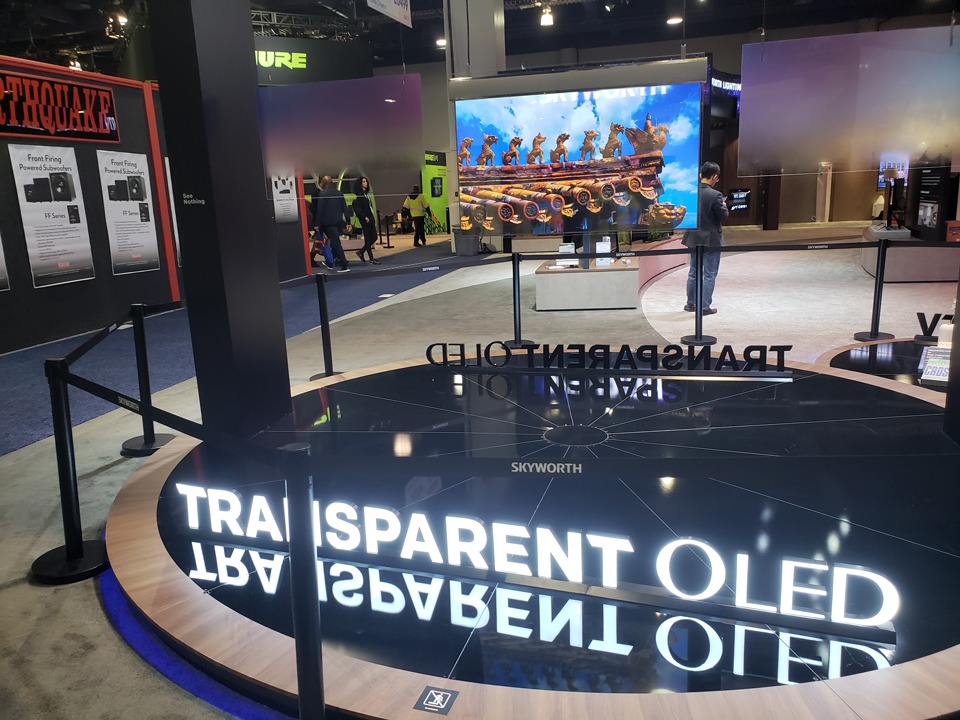
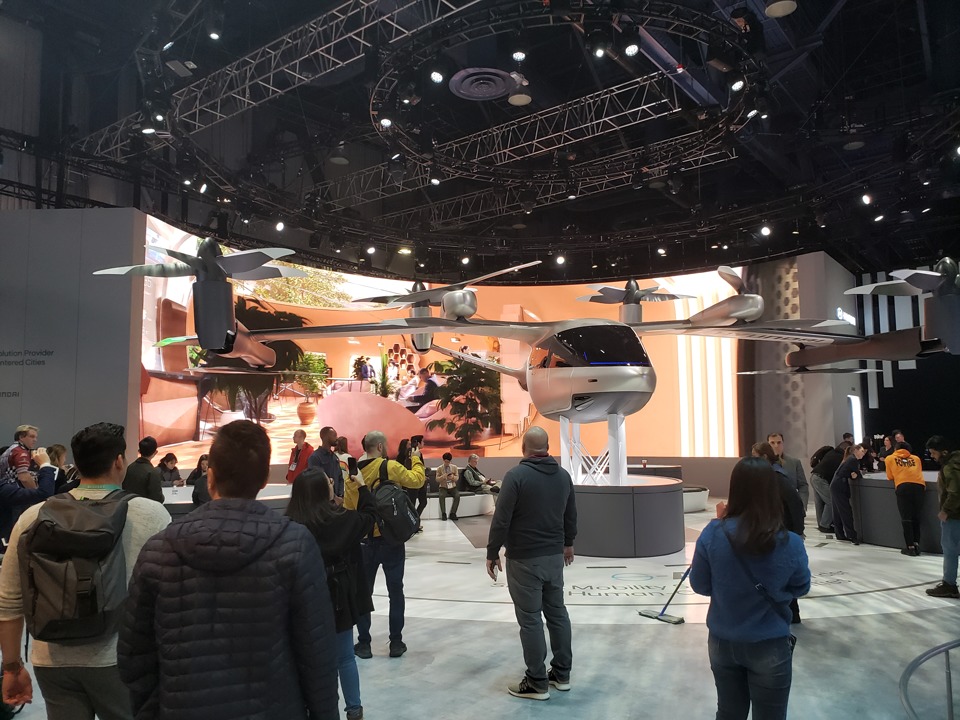
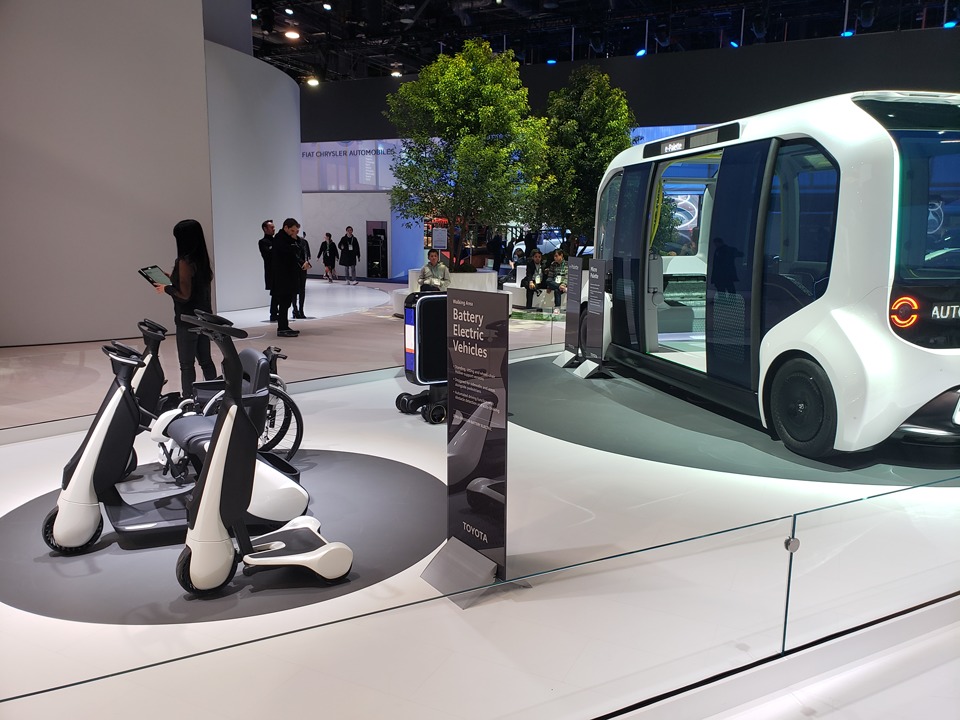
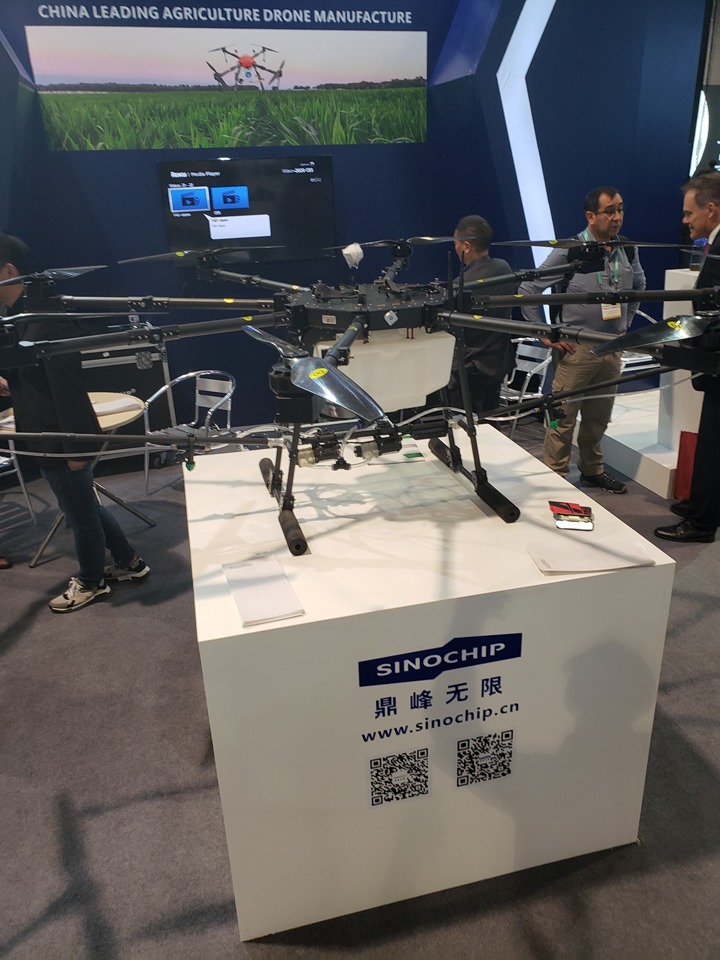
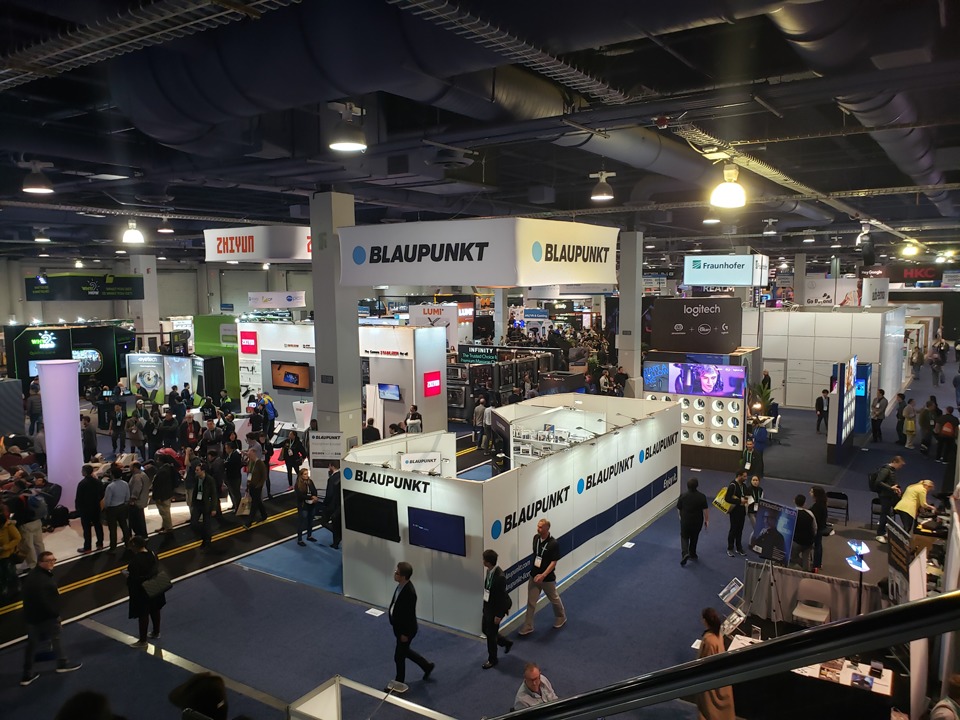
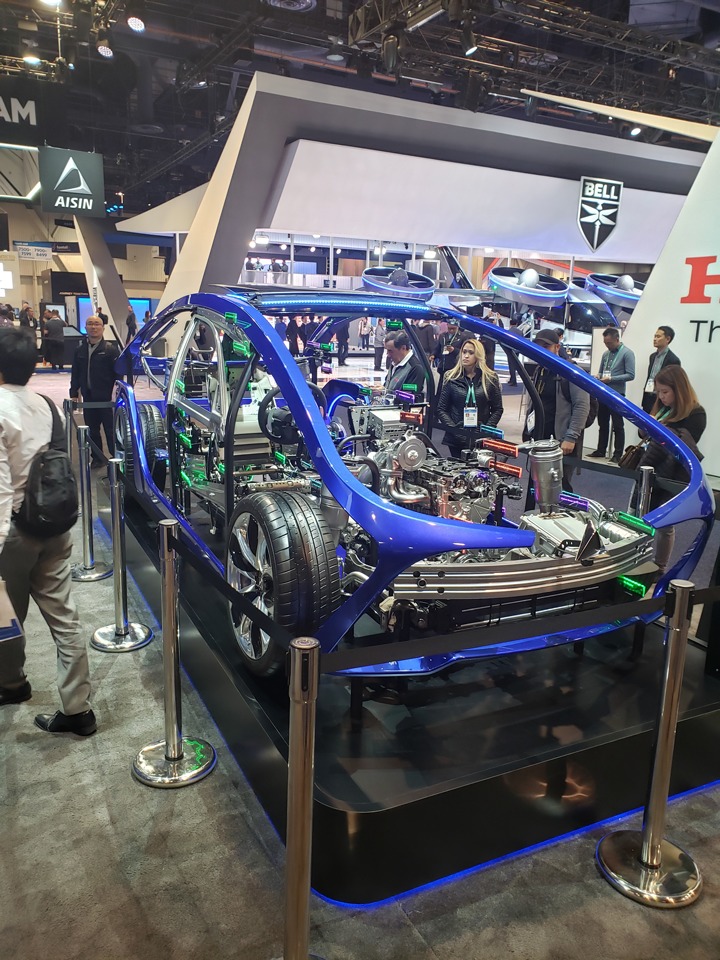
Attending the annual International Consumer Electronics Show (CES) in Las Vegas is a product designer’s version of visiting Santa’s workshop.
 

New gadgets, technology and innovation fresh out of the R&D lab are put on display. This results in a flood of new ideas that can impact the direction of existing and future projects.

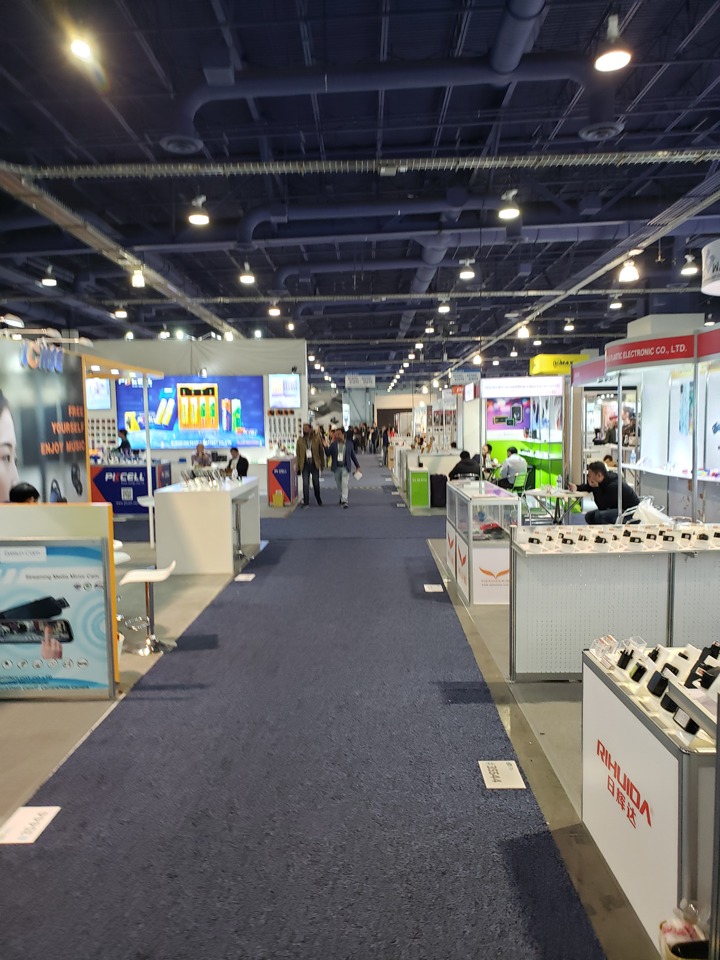
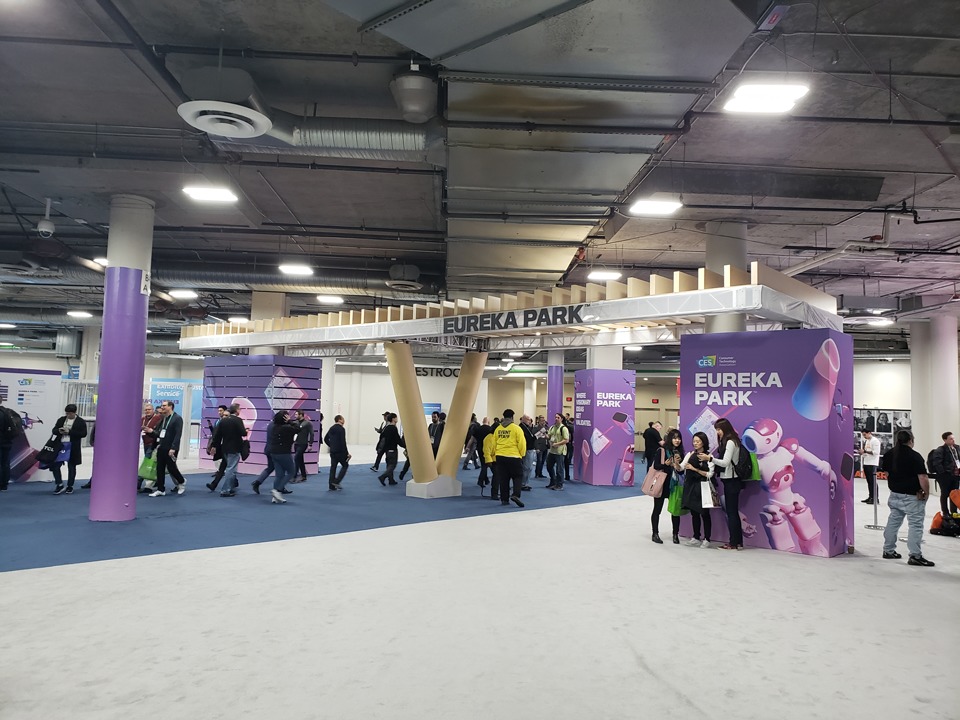
To get the most out of CES 2020, you must come prepared. With over 4500 exhibitors and 2.9 million square feet of exhibit space, it is easy to get overwhelmed.

Take a look at some of our favorite highlights:

1) Robotic Hardware Startup Pitches

The hottest startups at CES 2020 were robotic hardware –  hands down. This cohort even had their own “robotic hardware pitch” competition which drew thousands of attendees.

Digging into the details it is easy to see why connected hardware is creating a new industrial revolution where sensors, connectivity and artificial-intelligence are being baked into new physical objects. The result? Groundbreaking, affordable products that delight.

The video below provides an excellent recap of the coolest robots seen at CES 2020:

The weird and wonderful world of robots at CES 2020

2) Exploring the Future of Foldable Screen Technology

Foldable screens are more than a novelty, they are a clever design feature allowing devices to shrink while still maintaining screen real estate. At CES 2019, foldable screens made their debut but the excitement was short-lived. Tech reviewers kept breaking the screens – and reporting the results. The most memorable was the Samsung Galaxy Fold review fail.

This year at CES2020 foldable screens moved beyond smartphones to laptops. The most notable were Intel’s 17-inch prototype tablet/laptop and Lenovo’s 13.3 inch ThinkPad X1 Fold.

Moving into 2020, expect to see foldable screens across a large variety of physical devices.

The future of foldable PC’s at CES2020

3) Product Design Industry Sessions

Each year at CES, there are hundreds of industry sessions and talks. These events are the perfect way to get up to speed on current trends.

Our top five favorite sessions for product designers at CES2020 were:

These sessions were a wonderful way to hit on the prickly realities of the design process. They also answered our customers most common questions such as, “How do I improve predictability moving to market?”, “How can I prioritize sustainable materials in my design?”, and “How can I speed up prototyping as my company expands?”.

boschces-2020_kv_img_w1280

Bosch CEO speaks about AI and new product design

4) CES 2020 Image Gallery

Take a look at the top gadgets, booths and technology on display at CES 2020:

Share

Have a new product idea?

We can help take you from idea to design, prototyping, and volume manufacturing.

Published on: February 25, 2020

Search First – Then Design Your Product

Search First – Then Design Your Product

27 Years Experience

75+ Design Awards

1,000+ Manufactured Products

From Idea to Prototype in as Little as Six Weeks!
Ready to Start?


With a world of data at your fingertips, quickly determining if a new product idea is already on the market should be easy and fast. Unfortunately, for many companies, would-be inventors and entrepreneurs harnessing the power of Google for market information and related patent data can be just out of reach. While basic keyword searches and a quick look through Google images may provide easy low hanging data fruit, access to the high value bits takes a little more search skill knowledge.

Design 1st has developed our search acumen and business expertise helping inventors and start-ups better understand the patent and competitive landscape of their new product idea. We offer our clients a ‘Product Opportunity Investigation’ (POI) report that provides a detailed web based examination of their product idea.  When doing searches yourself, with a little web search knowledge, a more intelligent Google Search query is all that’s needed to see that your inventions market is saturated with competition and you should abandon the idea, modify the idea or move onto the next idea.

For the do it yourself crowd, to get a full understanding of whether your product idea has value beyond the napkin sketch, here are  3 Google Search tricks that will either set you on a path laughing all the way to the bank or sulking back to the drawing board.   A simple search leads to millions of results and all of us get tired of looking after page 2.   Tricks you should use, in any search using Google to bring more relevant information to the first pages:

1) Google Search Operators

The internet has often been called the “largest library in the world with all the books on the floor”. If this stands true than Google is the Library catalogue and Search Operators are the Dewey decimal system. To find what you want and leave out what you do not, Google has several Operators that help structure your keyword search, returning more relevant results.  Commonly used search operators include:

– “Quotes” to specify exact words and phrased that must be included in search results

–  Hypen (-) to remove certain keywords and

– Number Range (#..#) to specify specific dates and series’ of numbers

– OR: gives you a choice (cats OR dogs)

For example, if your product idea is for a new Mouse Trap Innovation that works by capturing not killing the mice and can accommodate rodents up to the size of squirrel; a Google search query that will reveal any competitors in the past three years could look like this:

–          New “mouse trap” OR “squirrel trap” product invention OR innovation OR idea 2010..2013 –kill

A review of the Google Search Results show that the game Mouse Trap is within the top search results. This is not helpful for the information we are trying to find so we remove it from the search results using the Hypen operator (ie. –game). This returns a number of relevant results including the “Big Cheese Multi-Catch Mouse Trap” for $5 and the “Mouse Trapp” which also sends a text to your Smart Phone when mouse is caught.

2) Google Alerts

Google Alerts is your own private army of internet searchers that go out everyday crawling the web for keywords that you specify. The best part, its free! All you have to do is sign up to Google Alerts with your Google account, enter your search query and watch the results trickle into your inbox. If you’re trying to get a better understand of your product idea’s industry Google Alerts is a perfect place to start. You can track news on competitors, product reviews and industry news. Although one tip to remember with is to set up very specific keyword phrases for Google to alert you about or you may end up with dozens of irrelevant results. To do this refer to Trick 1 and use your Google search operators.

3) Google Trends

Google trends is another handy free tool that lets you see the popularity of search terms over time, by region, industry and type of media (ie. Text, image, video). Simply plug in a search term (ie. Mouse trap) and get a chart, map and similar keyword terms that are rising in popularity. This is a valuable tool to determine the popularity of certain brands. For example, if your product idea is a new golf club that you ideally want to license to either Taylormade or Callaway Golf club manufacturers – you can type both their names into Google Trends and see who is more popular. Additionally, Google Trends provides a forecast feature of future search interest along with news Headlines from companies, brands and keywords being searched.

Share

Have a new product idea?

We can help take you from idea to design, prototyping, and volume manufacturing.

Published on: June 24, 2019

MIT’s New Master’s Integrated Product Design and Engineering Program

MIT’s New Master’s Integrated Product Design and Engineering Program

27 Years Experience

75+ Design Awards

1,000+ Manufactured Products

From Idea to Prototype in as Little as Six Weeks!

Ready to Start?

In order to create a successful product, which factor is the most important: that it functions well, that it appeals to the user, or that it reaches its target market? Each factor is necessary, and this intersection of mechanical engineering, industrial design and business has led to MIT creating a new Master’s program: Integrated Design & Management.

Any experienced product design firm can attest to the fact that the symbiosis of engineering, design and business is essential from the very beginning in order to avoid having to redesign the product. Yet typically, schools tend to teach very specialized knowledge, leaving the graduate with a deep understanding of a thin slice of the information pie. It is for this reason that MIT’s Sloan School of Management has partnered with MIT’s School of Engineering to provide a balanced understanding of the product development process.
 

This new Master’s track, contained within the MIT System Design and Management program, is an expansion of the widely popular Product Design and Development course. Teaching both engineers and business students to appreciate the inclusion of industrial design early in the design process is central to the ethos of this new degree. “We felt it was pretty important to validate this way of thinking at an institutional level and award a degree,” said Matt Kressy, director and creator of IDM and a senior lecturer at MIT.

The degree is a two-year program open to those with a background in engineering, industrial design or business. Through the course of the program, students are exposed to the important factors in each discipline and how they relate to the overall progress of a developing product, regardless of the student’s background. For example, “They’ll know if a particular design is valuable from a business perspective because they’ll know how to go through the right steps and involve the right people to make sure a product is profitable, that the supply chain is in place, and that they understand the market and distribution channels.”

Positions are limited in this exclusive new Master’s program, with only 20 students in its inaugural year, beginning this Fall.

Here, the program director Matt Kressy leads an information session about the program.

Share

Have a new product idea?

We can help take you from idea to design, prototyping, and volume manufacturing.

Published on: March 2, 2015

Modernizing Product Concept Design with CAD

Modernizing Product Concept Design with CAD

27 Years Experience

75+ Design Awards

1,000+ Manufactured Products

From Idea to Prototype in as Little as Six Weeks!
Ready to Start?


The Product Design Show from Engineering.com continues to release excellent videos on product development. Whether you’re a design professional, inventor or simply interested in how products are developed, the show has wealth of information that is sure to peak your interest.

The recent episode “Modernizing Product Design Concept” provides an excellent take on how CAD (computer-aided design) programs like Solidworks, which we use at Design 1st, have revolutionized how design concepts, are created, tested and shared. Check-out the video below:

Share

Have a new product idea?

We can help take you from idea to design, prototyping, and volume manufacturing.

Published on: February 24, 2015