- Design 1st
- Resources
- leo keenan
We’ve Never Done That Before
And that's exactly why our clients keep hiring us.
You need a product development team to develop your new idea.
Your first instinct is that it would be ideal to find a design team that has developed a device that is similar to your new idea.
The best thing a product development partner can tell you is not “we’ve done this before.” It’s “we haven’t but we do this all the time.”
That sounds wrong. You’re about to spend six figures on engineering. You want experience. You want proof. But think about what you’re actually building. If your product could be developed by following a playbook that already exists, you wouldn’t need a development partner. You’d need a contractor. The reason you’re talking to a firm like Design 1st is because your project has something in it that hasn’t been done before. Some environment, some constraint, some combination of requirements that nobody has put together in quite this way.
The question isn’t whether your partner has seen your exact problem. The question is what they do when they haven’t. At Design 1st, that moment is the starting line. It always has been. It’s in the name.
Here are some of our firsts.
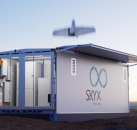
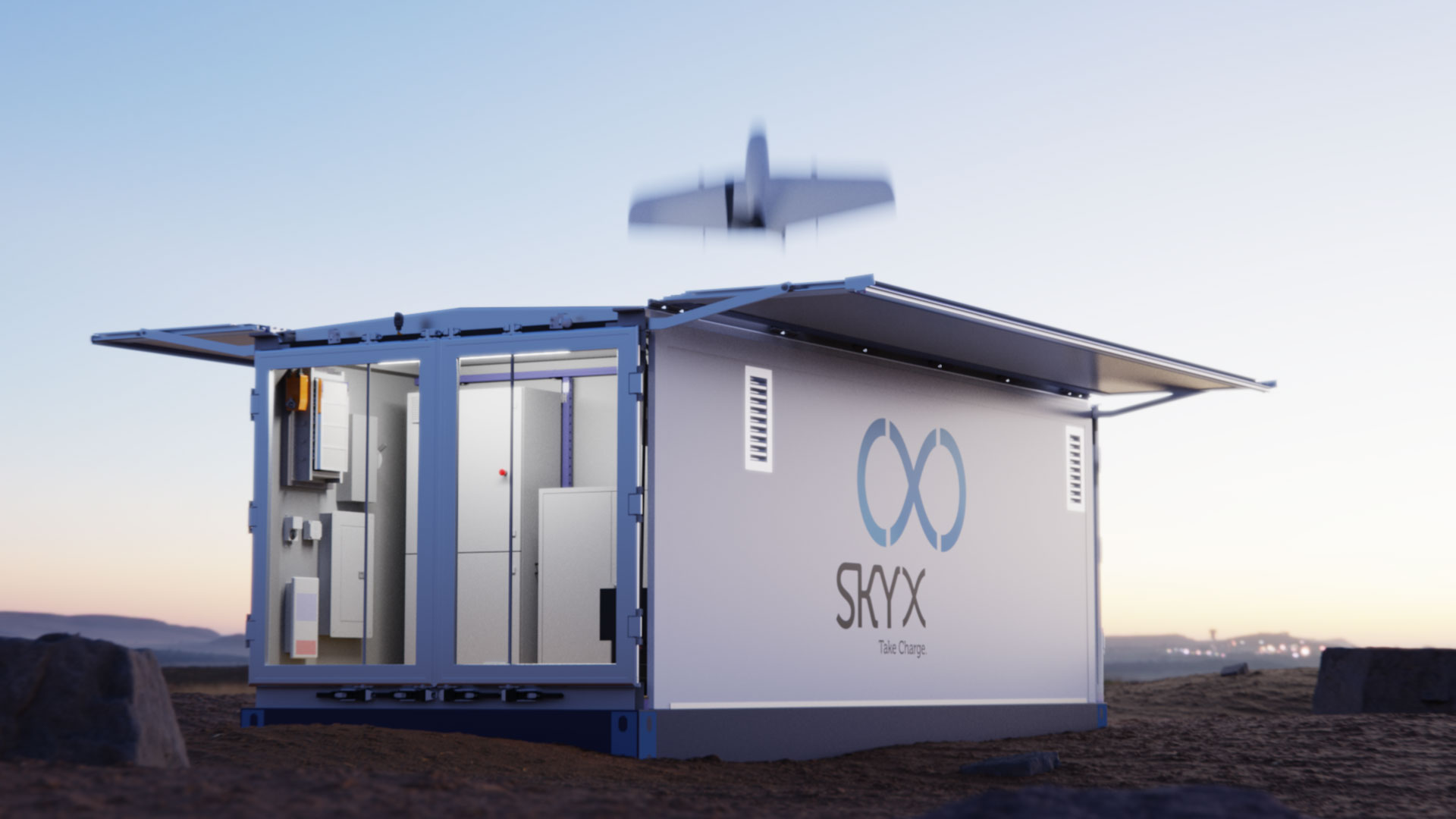
A Motel for a Drone
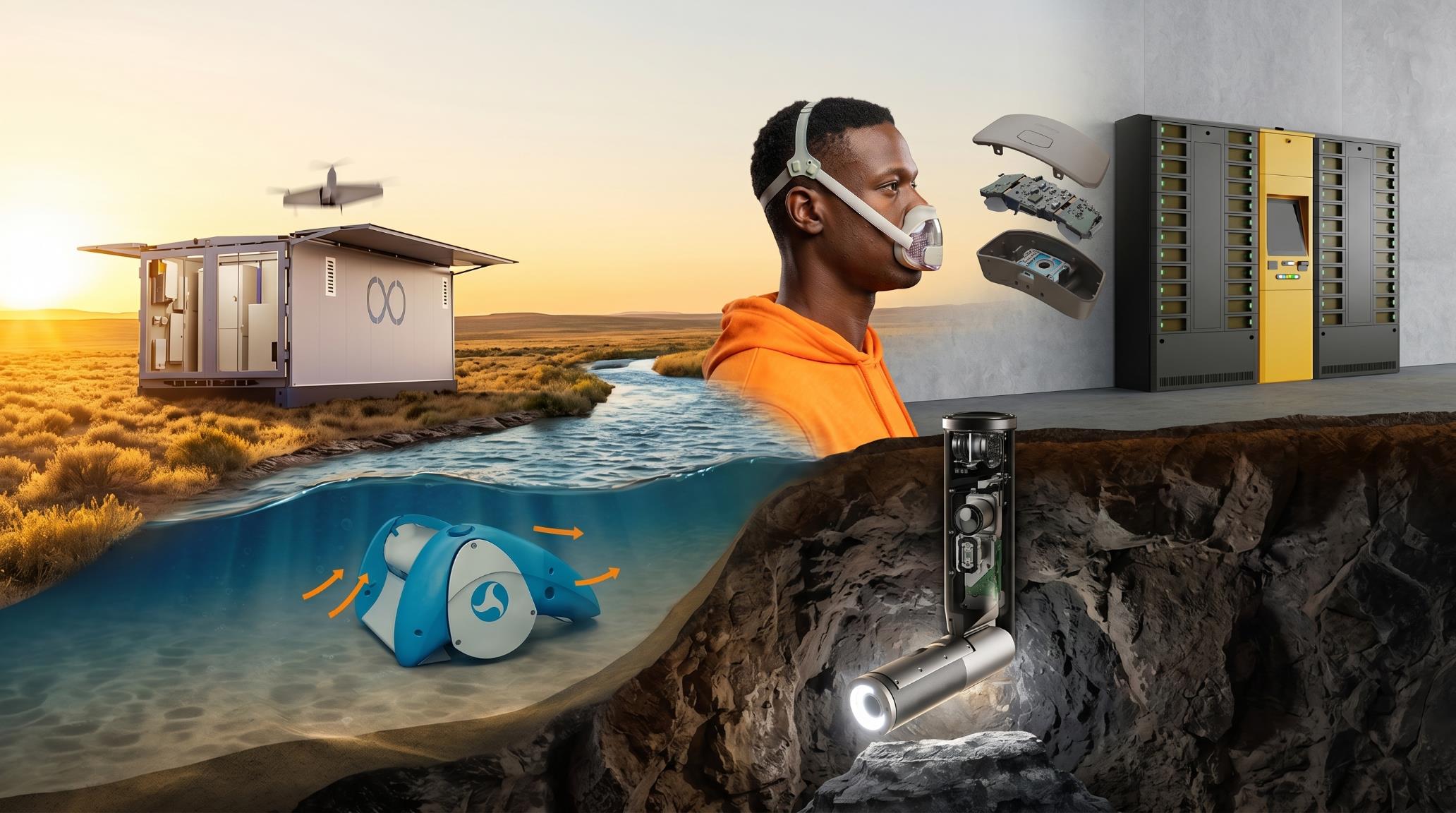
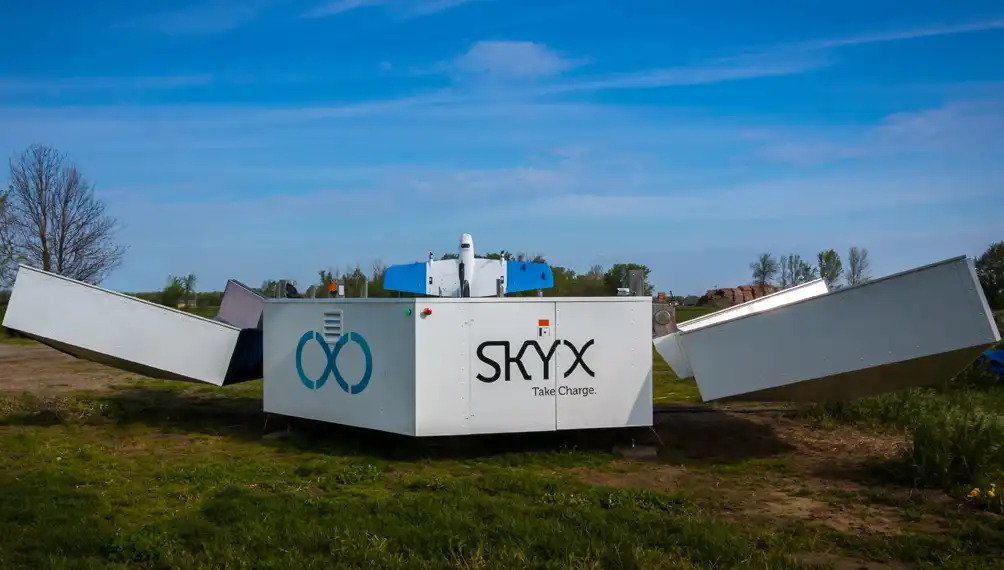
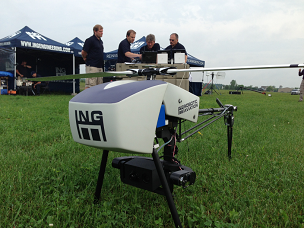
The first time Design 1st built an autonomous recharging station for an unmanned aircraft.
The drone flies roughly 100 miles over pipeline or infrastructure, then needs to land, recharge, upload its data, and go again. No human in the loop. Design 1st built the ground station that makes that possible. The roof doors open. A receiving platform rises to accept a vertical landing. The platform descends, the roof closes, and the onboard PLC manages the recharge cycle while pushing flight data to the cloud. All of it happens in remote locations, unattended, in weather that would keep most people indoors.
Nobody had asked us to build a drone motel before. We figured it out.
Three Parts You Need a Microscope to See
The first dental product Design 1st ever worked on.
The head of a dental drill contains three components so small you need magnification to inspect the features. That’s the engineering constraint: design for manufacturing at a scale most people can’t see with their eyes, then make it reliable enough for thousands of hours of daily clinical use. Dentistry wasn’t in our portfolio when this project started. The precision engineering required to get there was.
Your industry doesn’t have to be in our portfolio yet. The engineering discipline is.
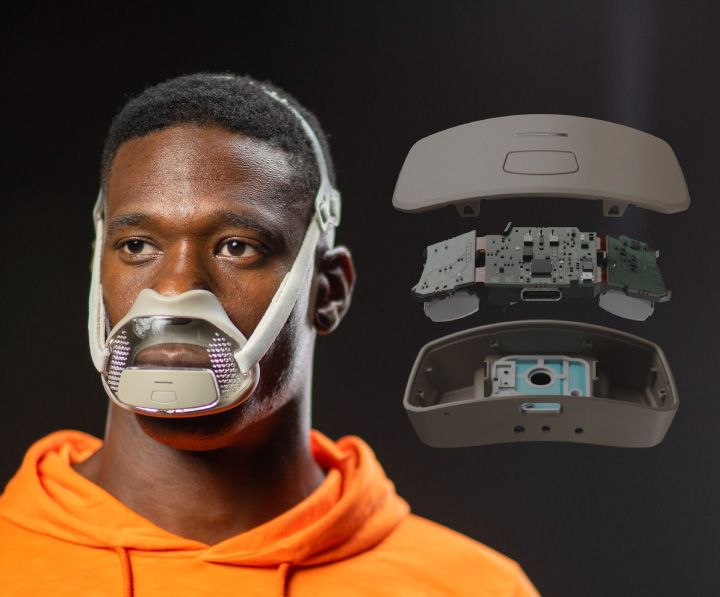
A $2,000 Device That Competes with $25,000 Lab Equipment
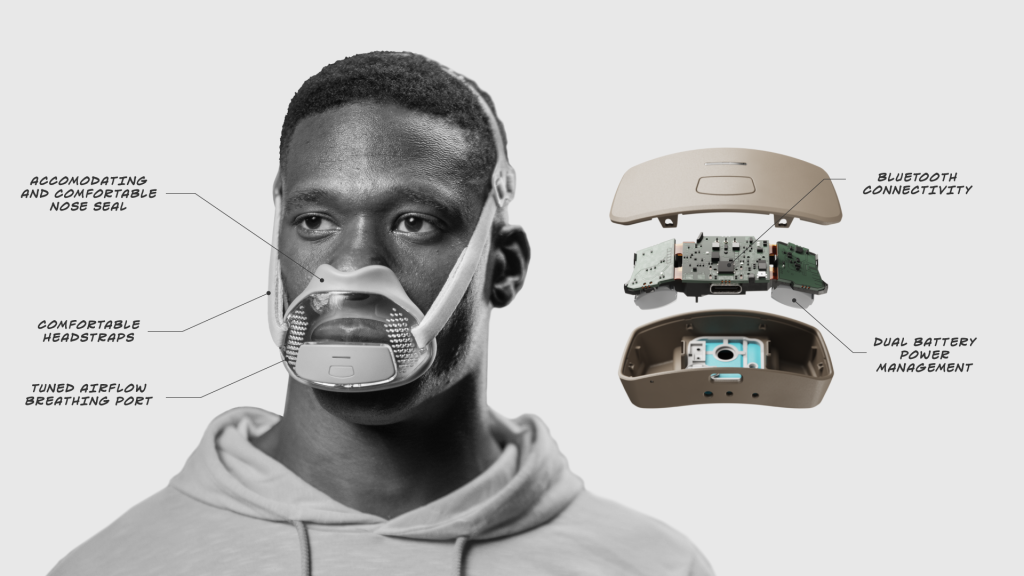
The first time Design 1st monitored a user's breath intake and output.
Calibre is a wearable IoT device that measures breath biometrics. The challenge was building something comfortable enough to wear during activity, accurate enough to match lab-grade instruments, and affordable enough to reach a real market. Design 1st delivered on all three. The result competes with equipment that costs 12 times more.
That gap between $25,000 and $2,000 is where the engineering happened.
Surviving a Canadian Winter Underwater
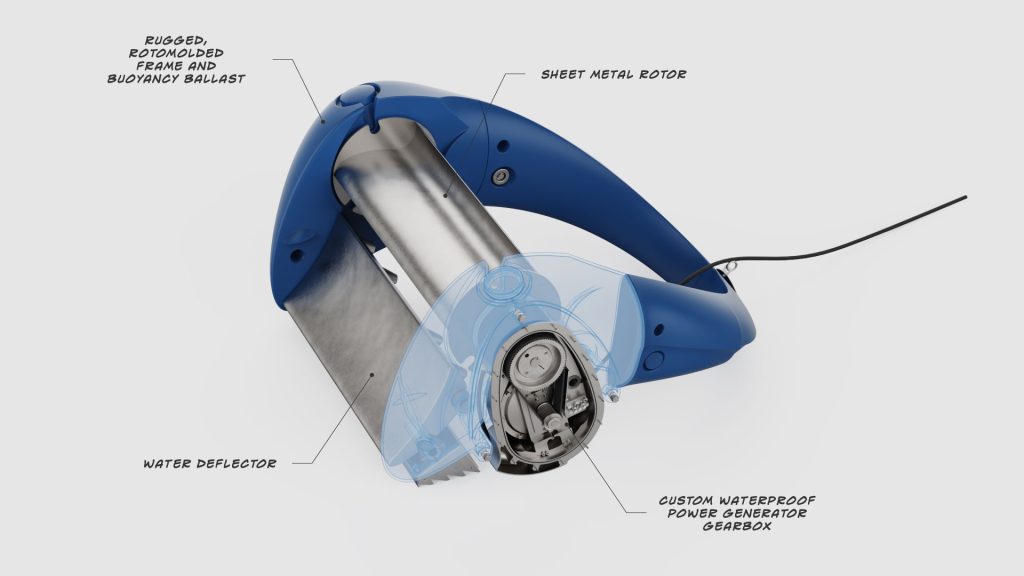
The first time Design 1st worked on a product submerged in a river.
A hydrokinetic energy harvesting system needed to sit at the bottom of a slow-moving Canadian river, generate power, and keep working through an entire winter. Ice, current, debris, near-zero visibility, no access for maintenance. Everything about the environment wanted to kill the electronics. The team designed for all of it. When they pulled the unit out after a full winter, it was in pristine working condition.
Rivers don’t care about your IP rating. They test it.
Packing a Borehole
The first time Design 1st designed for a mining environment.
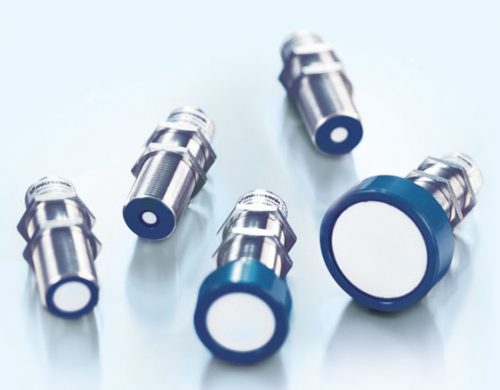
GeoSight needed sensors, optics, lighting, data processing, and wireless communication packed into a probe that fits inside a 2.5-inch mining borehole. That’s roughly the diameter of a tennis ball. Every component had to survive the vibration, dust, temperature swings, and impact forces of an active mine while delivering reliable data from deep underground. The mechanical and electronics teams worked in parallel to fit technology into a space that doesn’t want technology in it.
The probe works. The mine keeps running.
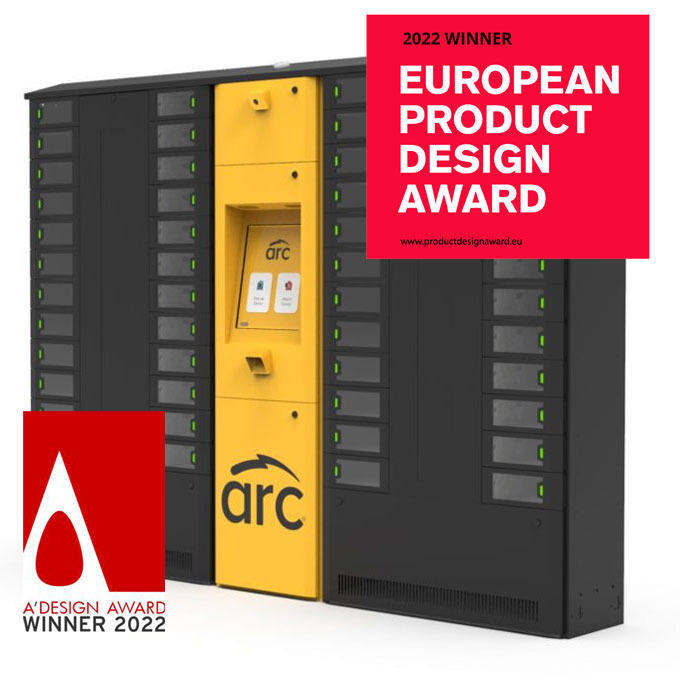
Charging Every Walmart in Canada
The first time Design 1st added electronic charging to a locker system.
ARC Enterprise needed a mobile device charging kiosk that could deploy at retail scale. Not a prototype. Not a pilot. A production-ready system being installed in every Walmart location across Canada. That meant engineering for manufacturing volume, retail-environment durability, multiple device types, and the kind of daily abuse that comes from thousands of employees using the same piece of equipment every shift.
It’s in every Walmart in Canada now.
What's Next
The first time Design 1st ever put a winch inside a drone is in the works right now. So is the next first we haven’t imagined yet.
That’s the nature of new product development. Your project has something in it that hasn’t been solved before. Some constraint, some environment, some combination of requirements that nobody has put together in quite this way. That’s not a risk. That’s the starting line.
We can do the job. We know because we’ve been challenged before and always came through. It’s what we love to do.
Every time was the first time.