Category: Wearables

Navigating Edge AI for Physical Products

Navigating Edge AI for Physical Products

Artificial Intelligence (AI) is ushering in a new era of innovation, particularly with Edge AI, which allows companies to embed smart, responsive AI capabilities directly into their physical devices.

By processing data on the device itself, Edge AI enhances efficiency, privacy, and performance, making it a game-changer for product innovation. Let’s dive into how Edge AI is redefining the capabilities of physical products.

Embedding Intelligence in Physical Products

Edge AI refers to the technology that processes data on the device it’s generated, like in smartphones, IoT devices, and industrial machinery, rather than sending it to a centralized location. This approach streamlines the way we interact with data, presenting unique challenges and unlocking new advantages. Learn how Design 1st navigates the evolving Edge AI Landscape:

Table of Contents

Challenges in Edge AI Integration


When integrating Edge AI into new products, it’s crucial to be aware of several challenges that can impact performance and user experience:

  • Resource Constraints — Optimizing AI models for compact devices with limited power is a critical step towards harnessing Edge AI’s full potential.
  • Data Privacy and Security — Implementing robust security measures is essential for leveraging local processing without compromising user privacy.
  • Latency Issues — Minimizing latency through efficient algorithms ensures real-time applications run smoothly and reliably.
Advantages of EDGE AI for Physical Products


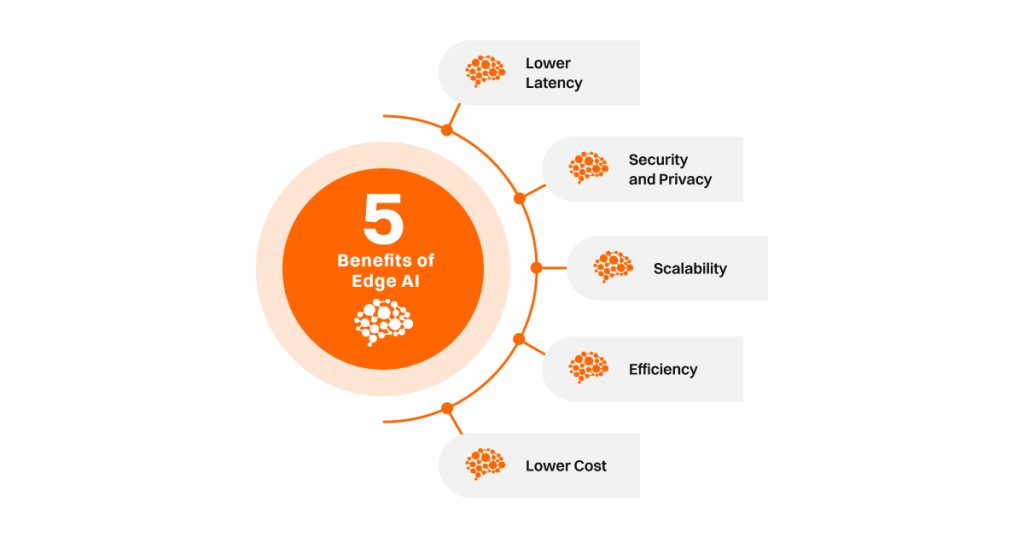
Embedding Edge AI into physical devices brings several key advantages that significantly enhance performance and user experience:

  • Reduced Latency: Local data processing cuts down latency, a game-changer for critical-response applications like autonomous vehicles and wearable IoT devices.
  • Bandwidth Efficiency: By minimizing data sent to the cloud, Edge AI conserves bandwidth and reduces the costs tied to cloud storage and communication.
  • Cost Savings: Edge computing slashes the overhead linked to cloud services by reducing the need for ongoing data transfers and storage in distant data centers.
  • Improved Reliability: With the ability to function independently of cloud connectivity, Edge AI ensures devices remain operational and reliable across various conditions.
  • Scalability 

Image: Five benefits of Edge AI

Real-World Applications of Edge AI in Physical Products


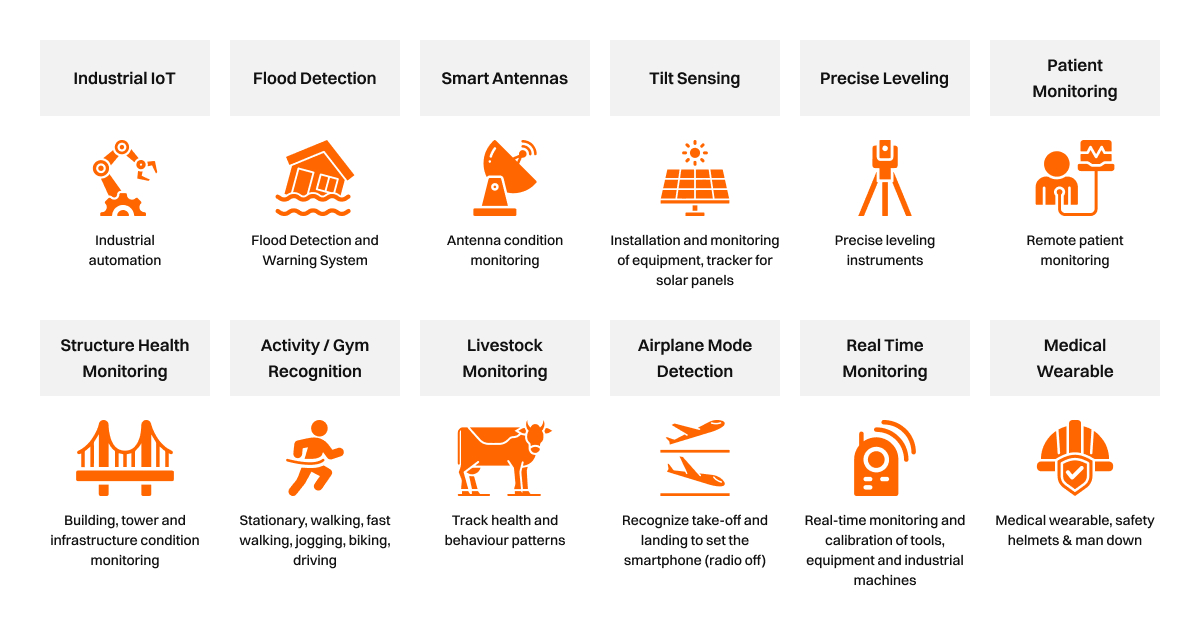
Edge AI is transforming the landscape of physical products, making them smarter and more responsive to our needs:

  • Wearable Health and Well-being: Revolutionizing the way we monitor health, Edge AI in wearables provides instant analysis of vital signs and biometric data. It extends its capabilities to monitoring the health of humans, pets, animals, and even plants, efficiently transmitting only essential information to conserve bandwidth and battery life.
  • Remote Sensors: In applications ranging from agriculture to security, Edge AI enhances the functionality of remote sensors. It enables automatic actions, like shutting off utilities during emergencies or detecting security breaches, offering rapid responses and valuable insights in real time.
  • Anomaly Detection/Preventive Maintenance: Edge AI is crucial in industrial settings for early detection of wear and potential failures. This prevents costly downtime and maintains operational efficiency. This predictive maintenance capability ensures smoother, uninterrupted industrial processes.
  • Fast Activation and Battery Saving:: Through technologies like wake word detection and gesture recognition, Edge AI improves device usability and energy efficiency. It supports a wide array of applications, from inventory management to quality control in manufacturing, by enabling quick activation and smart monitoring without excessive power use.
  • Signal Enhancement and Smart Processing: By refining and augmenting data directly on devices, Edge AI significantly enhances the quality of information derived from audio and visual inputs. This includes noise reduction, signal enhancement, and real-time content generation, like blurring backgrounds for privacy or translating spoken language instantly, making devices more versatile and user-friendly.

Image: Industries and applications of Edge AI

Examples of Industries Embracing Edge AI


Discover how Edge AI is transforming industries by integrating intelligence directly into physical products:

  • Logistics and Transport: Revolutionizing logistics with Edge AI for seamless real-time tracking and autonomous vehicle navigation, streamlining data processing for efficiency.
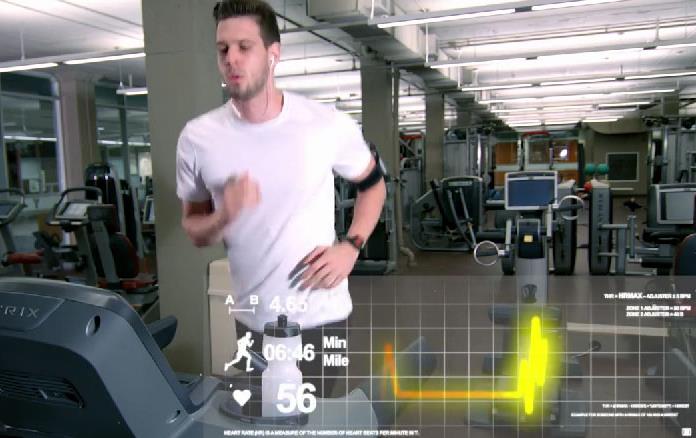
  • Intelligent Sports Wearables: Edge AI in sports wearables offers instant performance feedback, risk assessments, and training enhancements, leveraging sensor analytics.
  • Retail Stores: Transforming the retail experience with Edge AI for tailored recommendations, streamlined inventory management, and faster checkout processes.
  • Urban Mobility and Traffic Control: Improving traffic management and autonomous vehicle safety in urban settings with Edge AI, utilizing advanced data analytics.
  • Healthcare Devices: Edge AI plays a crucial role in wearable healthcare devices, focusing on sensor integration and efficient AI algorithms for privacy-respected real-time monitoring.
  • Consumer Electronics: Elevating user experiences in consumer electronics like smartwatches and home assistants with Edge AI, emphasizing low power use and swift processing.
  • Industrial Equipment & Manufacturing: Edge AI is reshaping manufacturing with predictive maintenance and quality control, enhancing operational efficiency and addressing integration challenges.
Cloud Computing vs. Edge AI
edge ai vs. cloud

Edge AI enables processing and decision-making at the source of data generation, offering a tailored solution for physical devices that operate with immediacy and autonomy, in contrast to Cloud Computing which relies on centralized data processing. The main benefits of using Edge AI over Cloud Computing include:

  • Latency: Edge AI minimizes the delay between data creation and action by processing information directly on the device, crucial for time-sensitive operations where even milliseconds matter.

  • Security: By processing data locally, Edge AI reduces the exposure to potential vulnerabilities that can occur during data transit to and from the cloud, thereby safeguarding sensitive information inherent in physical devices.

  • Power Efficiency: Physical devices leveraging Edge AI can operate with greater power efficiency since they don’t rely heavily on long-distance data transmission, which can be energy-intensive, thus extending the operational time of devices on a single charge.

  • Real-time Operations: For devices that need immediate response, such as autonomous vehicles or industrial automation, Edge AI ensures that real-time data is acted upon instantly without the inherent lag of cloud-based decision-making processes.

The table below compares the main features of Edge AI vs. Cloud Computing for usage with physical devices.

Features

Edge Computing

Cloud Computing

Latency

Low

High

Bandwidth Required

Low

High

Processing Power

Low

High

Storage Capacity

Low

High

Security

High: no transmission

Medium: cloud backup

Cost

Medium

High

Scalability

High: number of devices

High: Processing/storage

Context Awareness

High

Low

Power Efficiency

High

Low

Maintenance & Upgradeability

Medium

High

Where Design 1st Can Help


Navigating the complexities of Edge AI development can be daunting, but Design1st is here to streamline the process, reduce risks, and accelerate your journey to market. With over a decade of experience and a full-service team of experts, we provide a safe and efficient path to bring your Edge AI product from concept to volume production. Here’s how we can help:

  • Optimizing AI Models: Our team specializes in refining AI solutions for physical products with limited resources, ensuring optimal performance while mitigating risks associated with power consumption and processing capabilities.
  • Accelerate Your Path to Market: Leveraging our expertise and efficient processes, we expedite your product development timeline, enabling you to launch your Edge AI solution faster and stay ahead of the competition.
  • Commercialize Your R&D: We assist in commercializing your research and development efforts, helping you turn your Edge AI innovations into market-ready products quickly and efficiently.
  • Prototype Fast: Using rapid prototyping techniques, we iterate and refine prototypes swiftly, allowing you to validate your Edge AI concept and make informed decisions early in the development process.
  • End-to-End Product Development: From concept to volume production, Design1st offers comprehensive support, ensuring a smooth and successful transition from idea to market-ready solution while minimizing risks and maximizing speed to market.

What’s Next?

Edge computing is reshaping the landscape of AI, offering unique challenges and unmatched advantages. Partnerships with seasoned experts like Design1st are essential for navigating this transformative journey. Together, we unlock the full potential of edge AI, ushering in a new era of smarter, more efficient technologies. Ready to explore the possibilities? Let’s embark on this journey together.

Share

Have a new product idea?

We can help take you from idea to design, prototyping, and volume manufacturing.

27 Years Experience

75+ Design Awards

1,000+ Manufactured Products

From Idea to Prototype in as Little as Six Weeks!

Ready to Start?

Published on: April 1, 2024

10 Trends Impacting Wearable Product Development

10 Trends Impacting Wearable Product Development

27 Years Experience

75+ Design Awards

1,000+ Manufactured Products

From Idea to Prototype in as Little as Six Weeks!

Ready to Start?


The COVID-19 pandemic is driving demand for wearable products across multiple industries. As an example, in the healthcare industry, more patients struggle to access traditional face-to-face medical care and wearable healthcare devices are bridging the gap between patients, families, and medical professionals.

To meet wearable device demand, companies are rushing to develop new wearable devices and modify existing device designs. Product design companies like Design 1st are on the receiving end, helping clients scale their capabilities and navigate the new challenges of bringing wearable devices to market.

During a recent wearables webinar with Electronic Products & Technology Magazine, Design 1st CEO Kevin Bailey, weighed in on what’s changing in wearable development. The 10 key trends that stand out include:

 
1) Wearables Moving Away from Touch Interfaces

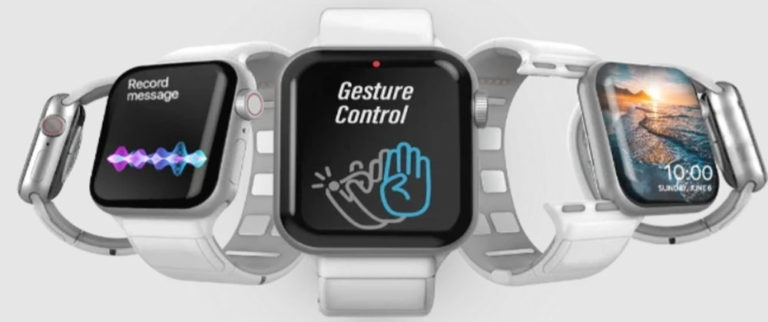
User interaction is one of the top trends in wearable device technology. We are seeing a shift away from touch-based user interfaces on wearables and a move towards more motion, tactile, gesture, and voice activation.

Several factors are driving the UI shift with wearable technology, demand for smaller, compact devices and easy connectivity with fast processing in smartphones and cloud and richer UI interfaces on display devices enabling a more interaction-rich seamless user experience.

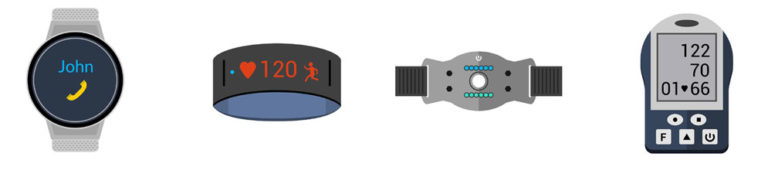
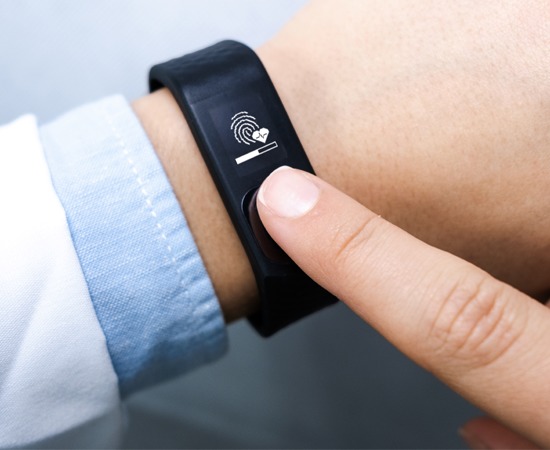
The virtual 2021 Consumer Electronics Show brought this trend into the spotlight, showcasing several healthcare wearables that rely on touchless interfaces including:

2) Covid-19 Continues to impact Development Timeline

The global pandemic continues to add friction to wearable product development because developing, prototyping, and testing wearable products with remote teams takes more time and careful coordination. When you have a multi-disciplined team working in one building troubleshooting issues, learning together from prototypes, and receiving parts, the entire process goes faster.

4-stage-product-development-process-1-1536x689

Prior to the pandemic, Design 1st’s electronic, software, design and manufacturing teams worked together and in-person. This allowed for seamless collaboration to work debugging boards, test prototypes across other disciplines, and get feedback that allowed the team to make adjustments fast. With the majority of the team working together successfully remotely, teams adjusted to new workflows that while smooth, did add a layer of delay to the hands-on interactive part of the product development timelines.

Prototype testing across all disciplines is critical to ensure a quality product is ready for mass production. As our team begins to transition back to the office, we see the opportunity to streamline with new collaboration tools and part time work from home efficiencies which actually speeds up the development processes for all our clients.

3) Miniaturization of Wearable Devices is Here to Stay

Wearable devices are getting smaller because of innovations in biosensors, key components, and rigid-flex printed-circuit-boards (PCBs) that allow for more parts to be included in a small space. The result is smaller rigid circuit boards with more high-speed connection options enabling smaller product and ergonomic shapes in the concept design phase. This has led to thinner form factors, better biosensor fit to body accuracy, reliability robustness and longer device lifespans.

wearable-wrist-miniature-de

Gone are the days where body-worn devices were thick, lumpy, and required large surface area contact to body. New wearable healthcare devices are shrinking, becoming lighter and more powerful. This trend means closer integration of design, electronics, and manufacturing teams early in the development process. It is critical to identify costs, power to recharge time, and component availability to ensure transition to volume production runs go smoothly.

Design 1st, VP of Embedded Software, Yih-Shyang Tsai sees several changes:

“Wearable design now often consists of integrating complex sensors and subsystems from a variety of vendors rather than having to design those parts from scratch. Some very complex functions are now available in the form factor of an integrated circuit (SOC) where in the past it would have been a considerable development effort to design any one of those components.”

4) More focus on Device Security and Data Privacy

As wearable healthcare devices become more accepted by consumers and medical professionals, concerns over data privacy and device security is at the forefront.
Companies developing new wearable devices need to address these concerns head-on with a robust strategy that persuades users, meets regulatory requirements and secures data over wireless networks.

There are four areas that wearable security companies developing new products must be aware of: device, cloud, application, and network. Each of these areas needs to be carefully addressed to develop wearables that protect against ongoing security threats and keep user data secure and safe.

Design 1st VP Hardware, Donovan Wallace, sees data security as critical to all wearable products:

“Our clients certainly value the physical design and ergonomic aspects of their wearable products. However, the key capability common to this product category is the data collection by the product and the ability to store and analyze that data, either real time or historically, on a smart device or cloud platform. Also, ensuring data security, specifically privacy is just as important as the ensuring the product’s physical integrity and resilience to environmental risk factors.”

5) Strategies to Counter Supply Chain Shortages

At Design 1st, we have deployed three strategies to counter supply chain shortages:

  1. Integrating supplier input selecting key components early in the design phase of new projects to understand the availability of key components for prototyping and volume production. This provides a healthy outlook to understand issues before they arise and make alternative components choices if a shortage or End of Life (EOL) is possible.
  2. Focus on avoiding customized off-the-shelf (OTS) components where possible to simplify the many design pathways and bring products to market faster when required.
  3. Continue to nurture and expand our manufacturing contacts network to understand where the global supply chain of critical components is headed. Being in constant communication with key suppliers, manufacturers and spot buy networks enables the design team to find alternatives not readily available through traditional online searches of major distributor databases
China2-1024x683

At Design 1st, we have deployed three strategies to counter supply chain shortages:

  1. Integrating supplier input selecting key components early in the design phase of new projects to understand the availability of key components for prototyping and volume production. This provides a healthy outlook to understand issues before they arise and make alternative components choices if a shortage or End of Life (EOL) is possible.
  2. Focus on avoiding customized off-the-shelf (OTS) components where possible to simplify the many design pathways and bring products to market faster when required.
  3. Continue to nurture and expand our manufacturing contacts network to understand where the global supply chain of critical components is headed. Being in constant communication with key suppliers, manufacturers and spot buy networks enables the design team to find alternatives not readily available through traditional online searches of major distributor databases
6) Uptick in Re-Design for Difficult to Source Parts

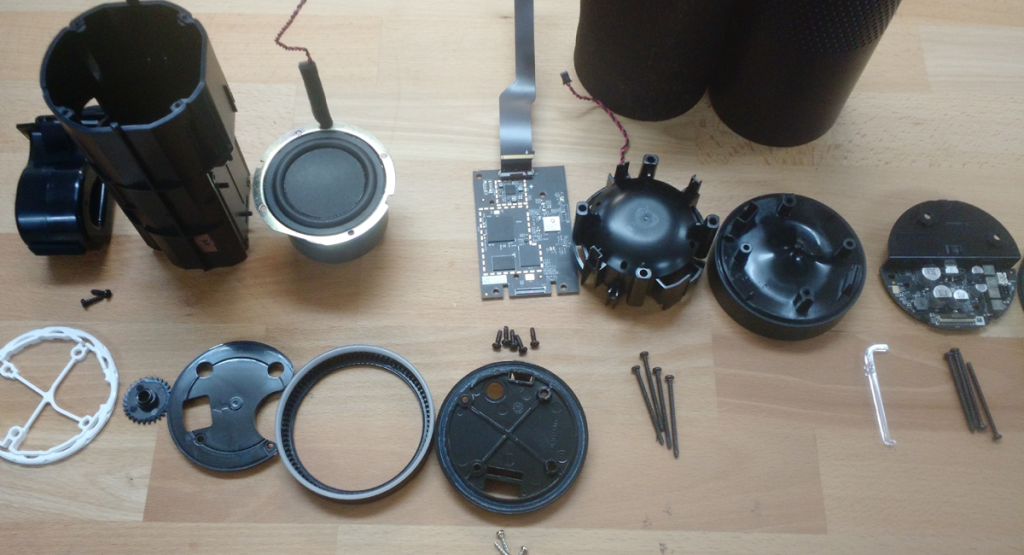
Making design modifications to products in development that eliminate difficult-to-source parts is becoming a new trend in 2021. We are seeing new and current clients hitting roadblocks in their product development because of part shortage surprises. As a work-around, we are re-designing hardware and firmware mid-project to substitute alternative components that fit the original component as best as possible.

Steve Harrington, Senior Electronics Lead at Design 1st sees this first hand:
“Right now, this is consuming a significant amount of design time as there are not generally drop-in replacements for components that show up with long lead times. Entire sections of the design have to be essentially re-done from scratch to change the architecture to accommodate different parts that are available.”

Amazon-Echo-Breakdown-1

A part has to be available in the short term for the prototype build but also readily available in quantity in the long term to start the production up. Hopefully, the supply shortages will be short-lived but to mitigate any future issues, as a standard practice, it is important to continually look at lifecycle and availability of components in the initial concept design phase – including alternates or drop-in replacements for key components when available. This allows for more flexibility if supply issues continue to surface.

 
7) Advancements in Wearable Manufacturing
The technology used to manufacture wearable devices is becoming more automated and robotized which allows for more complex geometries internally, better quality components, and miniaturization of device assembly. This results in smaller wearables that can be produced faster with more predictable automated manufacturing processes including softgoods integrated with hardgoods and electronics. The challenge will be to keep up-to-speed with wearable manufacturing techniques to design in the new processes early in the development process, being mindful that low volume and high-volume production need different approaches.
robotic-adhesive-manufactur

VP of Product Engineering at Design 1st, Matthew Bailey, sees three interesting advancements influencing the future of wearable manufacturing:

I. Automated and laser soldering processes for components that need very specific soldering points, times and temperatures.
II. Integration of complex seal techniques in small applications from dual injection / double shot processes to robotically applied form-in-place gaskets for ultra-fine mechanical gaskets that make assembly faster and meet the cosmetic and form requirements that standard methods like O-rings can’t
II. Mitigation of electrostatic discharge (ESD) protection with tiny products that have to deal with minimum 8Kv air discharge typical of wearables and up to 30Kv contact according to IEC 61000-4-

8) Increased Awareness of Wearable Regulatory Device Certification:

The trend towards wearable healthcare devices that process body signals, often worn on the skin or placed in the ear, make understanding medical regulatory certifications critical to getting them to market fast.

Early in the product’s development, it is important to navigate the fine line between general wellness wearables, like smart watches vs. regulated medical devices, like wearable insulin monitors. Adding regulatory certifications to a device will add many months of additional time, so preparing early and running documentation in parallel with design team is important.

ccpa-vs-gdpr-wearable-security-privacy-regulations

Design 1st, VP Regulatory, Dave Mills, helps clients move towards regulatory certification and makes sure the development team follows a tight process:

“All design steps, from initial concepts to detailed engineering and prototype are made with regulatory certifications in mind. This includes part selections like batteries, wireless radios, and materials and documentation of design decision tracking, source control and testing. Having a fully documented development process done in parallel with the design helps accelerate certification for our clients”.

9) Advancements in Battery Life

One of the biggest advancements in wearable device technology is battery use life before re-charge. A combination of new battery advancements, miniaturization of devices, and optimized embedded software will result in wearable devices that keep users going and connected longer.

evolution-lithium-polymer-f

Design 1st, VP of Manufacturing, Dave Ingram sees several trends in wearable battery life:

“The components making impact on wearable batteries today include: printed batteries for power sources; energy harvesting from human body; use of low energy UI interfaces including haptic sensing. Solid state batteries are also interesting and we are waiting to hear more on these now as they approach production and higher capacities in the 100+mAh capacity range.”

10) Emergence of New Wearable Categories

The novelty of wearable devices is fading, but new wearables are solving issues and making remote healthcare easier for people across the world. Two Design 1st clients are on the frontline developing innovative wearable devices to solve health challenges include:

wearable-startup-categories

Additional wearable health care device categories seeing innovation are:

  • Insulin Patches
  • Contact Lenses
  • Air Purifying Masks
  • Blood Pressure Monitoring
  • Biosensor Patches
  • Hearing Aids
  • Remote Patient Monitoring

Looking into the future, Design 1st VP of Marketing, Joan Highet sees several trends developing:

“We used to take a visit to our doctor to get an ECG or blood pressure check, now we wear devices to measure our vital signs on a real time basis collecting useful data over days, weeks and years of our lives. It will be interesting to see if there will be an impact on health insurance and life insurance as we have much more personal bio data available for analysis. Equally important is the personal awareness as we become more interactive with the good things happening to our body with every breath we take.”

Share

Have a new face mask innovation idea?

We can help take you from idea to design, prototyping, and volume manufacturing.

Published on: February 27, 2023

Top 10 Canadian Wearable Startups You Ought to Know

Top 10 Canadian Wearable Startups You Ought to Know

27 Years Experience

75+ Design Awards

1,000+ Manufactured Products

From Idea to Prototype in as Little as Six Weeks!

Ready to Start?
Canada-Wearable-Technologies

Canada’s Taken Charge of Innovation in Wearables

Montreal, Toronto and Ottawa – 3 cities you could visit in one day…driving in a car! But they’re close in more ways than just distance. Each of these cities boasts a growing Hardware Startup and Wearables Community where entrepreneurs, startups and established companies are jumping head first into the growing wearables industry.

This growth has lead to 10 Canadian hardware startups based on wearable technology

Some of these wearable startups have become industry-leaders and others have grown obsolete. Discover each of these wearable startups below:

With so much exchange of information in this digital era, security and identity authentication have become important concerns. And sometimes passwords, just don’t cut-it. That’s why Nymi, a spin-off from the University of Toronto, is using electrocardiogram technology to identify the unique signature of the wearer.

Over the past four years, Nymi has received over $15M in funding and found a niche in pharmaceutical workplaces, now working with 20 of the world’s leading pharma companies across Europe, North America, and Asia.

nymi-photo
Muse-Meditation-Tool

Out of Toronto, InteraXon Inc. has created Muse, the brain sensing headband. Worn around the forehead, it boasts to enhance the brain’s fitness, resulting in a calmer, more composed mind.
The headband works through electroencephalography (EEG), the measurement of brain waves, measuring four types of brainwaves generated by the brain and giving the user auditory feedback when it senses that the brain has become distracted. Essentially, this is the tool for high-tech meditation.

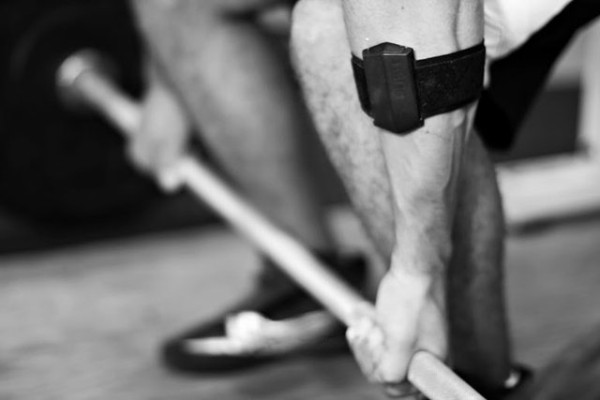
Push, is a Toronto based wearable Strength tracker that optimizes training by analyzing and tracking movement at the gym.  After a successful Crowdfunding Campaign that surpassed the project goal by 160% in 2014, Push has become an industry leader in professional sports wearables.

The device ($399) is a simple armband that measures the acceleration and velocity of a user lifting weights or performing exercises, the output is synced to a phone and accompanying app. From this data, the app can direct the user’s work-out, according to the principles of velocity-based training.

Push-wearable-fitness-tracker-600x400
Hexoskin-272x182

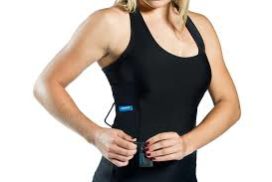
Hexoskin, is a Montreal smart clothing company, developing shirts with integrated biometric textile sensors. The shirts make contact with the skin and relay biometric data to a bluetooth unit that records cardiac, respiratory, sleep and activities.

Since launching in 2014, Hexoskin has grown to become a leader in wearable smart garments.Their connected hardware system is used by health professionals, first responders and customers across the globe. A true Canadian hardware startup success story.

iMerciv, is a University of Toronto startup focused on helping people with vision loss navigate their physical environment. The wearable gadget called “BuzzClip” acts as the iconic white cane – providing haptic feedback to users via a buzz that can be felt through the skin.

Over the past several years, iMerciv has received several sources of funding including a $100K Telus Pitch competition, $63K from Crowdfunding, a $30K grand and most recently received Microsft’s “AI for Accessibility Grand”. So far over 3000 units have been sold through a network of distributors in North America and Europe.

imerciv-buzzclip-mobility-tool
neurotracker

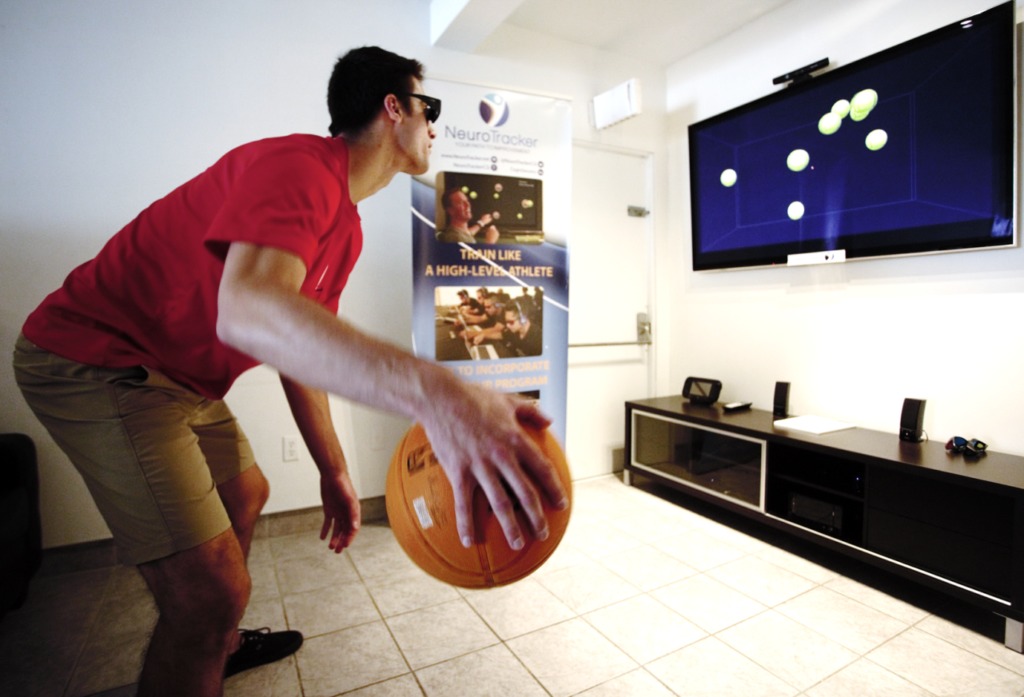
NeuroTracker – a Montreal based hardware startup is using a wearable device plus video games to improve athletic performance. The wearable eyewear plus on-screen software system helps train peripheral vision systems and enhance multiple object tracking. The technology was spun out of the University of Montreal’s “Faubert Lab” and is backed by over 40 academic reports and 50+ patents.

Over 550 elite training facilities have adopted Neurotracker including UK Soccer Club “Manchester Untied” who spent $80,000 to install a Neurotracker training facility.  Professional athletes from across golfing, basketball, boxing, football, tennis, soccer, and hockey have all adopted Neurtracker and realized cognitive gains and athletic improvements.

Canadian Wearable Startups That Failed

Not every Canadian wearable hardware startup has been successful. Over the past five years, several funded startups began gaining market traction but failed for a variety of reasons including funding, competition, and hostile takeovers.

7) Gesture Logic - Wearable Fitness Band

GestureLogic, is an Ottawa based startup that has developed a wearable fitness device called LEO that directly monitors muscle and other anatomic activity. Similar to other innovative wearable fitness trackers, LEO was propelled into product development following a successful Crowdfunding campaign that raised 3x the initial project goal of $50K.
Gesturelogic-LEO-smart-fitness-product
pebble-768x767

8) Pebble - Original Smart Watch

Pebble is a smartwatch famous for setting a Kickstarter funding record of $10.3M in 2012. And while the company is based in Palo Alto, CA – Pebble has deep Canadian roots, with the founder hailing from Vancouver and the first generation Pebble called InPulse originating in Waterloo,ON.

For four years, Pebble was the industry-leader in Smart Watches. This all changed when Fitbit and Apple watch released their smartwatches. The demise of Pebble was quick. Fitbit acquired them in 2016, discontinuing Pebble production and in November 2019, Google acquired Fitbit.

9) Gymtrack - Gym Equipment Tracking

Gymtrack is an Ottawa wearables startup that is leading the charge in the wearable fitness revolution. But, instead of targeting individuals like many bracelet fitness trackers do – Gymtrack is geared towards health clubs and gyms looking to keep members motivated and engaged.

The Gymtrack system works by installing sensors on existing gym equipment, eliminating the need for members to manually track workouts. Instead they members wear a simple bracelet and workouts are automatically recorded to the Gymtrack system – allowing personal trainers and users to monitor their workouts and build customized plans to achieve their goals.


Gymtrack-Ottawa-Wearable-Startup1
recon-jet-wearable-fitness-display

10) Recon Jet - Biking app

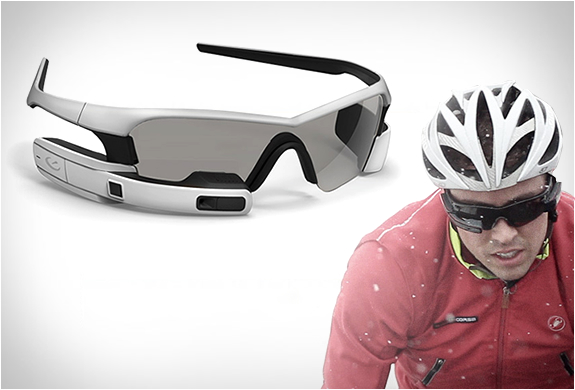
Recon Jet is the latest heads-up display from Recon, a Vancouver-based company – the same one that came out with Snow2, the smart ski goggles. Similar to their first product, Jet provides the user with the information that curious athletes seek: speed, power, vertical ascent and distance. Furthermore, with connectivity through Bluetooth, WIFI and ANT+, it’s possible to access social apps, some training apps and even maps, should the user want them. These glasses claim to be next season’s secret weapon, but hopefully for Recon, they aren’t TOO secret.

11) OM Signal - Wearable Fitness Clothing

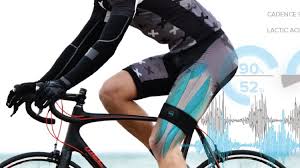
OMsignal hails from Montreal has incorporated biometric sensors into exercise apparel with the vision of allowing the user to monitor their performance and thereby track their progress.  The product ($249) will cater to the ever growing fitness market and provide real-time feedback on the body’s performance including heat rate, physical intensity, calories burned and breathing rate.  And while still in their infancy, OMsignal plans to expand their technology into a platform for the development of smart clothing products.

Share

Have a new wearable innovation idea?

We can help take you from idea to design, prototyping, and volume manufacturing.

Published on: February 27, 2023

Deckster iPod Nano Time Pierce: First Class Design Balancing User Experience + Manufacturability

Deckster iPod Nano Time Pierce: First Class Design Balancing User Experience + Manufacturability

27 Years Experience

75+ Design Awards

1,000+ Manufactured Products

From Idea to Prototype in as Little as Six Weeks!
Ready to Start?
deckster_image


Love watches, music and fashion? And have an iPod® Nano?

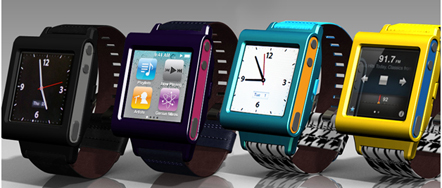
Check out the Deckster™ – it’s a new, funky, fashionable and sustainable unisex watch strap custom built for Apple’s iPod Nano. The patent-pending Pop+Lock™ System models the functionality of a retro cassette tape deck allowing the Nano to be smoothly inserted into the protective enclosure in one easy, fluid motion to become a stylish multi-functional watch. This iWatch is fashion for the forward set and convenient carrying of the Nano for work, sports and leisure.

Design 1st also likes to fast forward clients’ innovative concepts into useful, aesthetically beautiful and marketable products.

When N-Product, the creators of the Deckster, approached Design 1st they had a vision of the slick functionality and timeless quality their timepiece would embody. The Design 1st team built upon the concept to develop a design that combined the simple elegance of the Nano with the creators’ creativity and required features. The Deckster design would prove to push the traditional boundaries of design as well as demand maximum innovation from the tooling and manufacturing efforts.

Various design challenges were encountered that required Design 1st’s highly innovative problem-solving and depth of technical expertise. In particular, the patent-pending Pop+Lock system needed to combine the action of the tape deck concept with the functional mechanical precision yet maintain the aesthetics of the Nano. The system replicates a cassette tape deck’s functionality requiring over 20 custom watch sized components in this simple to use hinge and latch design that enables a smooth “pop” opening of the watch, allowing the user to insert the Nano and “lock it” in place with a distinctive click. Making the mechanism work smoothly and consistently despite normal manufacturing variability was the real challenge. The project depended on numerous areas of the teams’ expertise in this fast 8-week turnaround product design and development project. From rendered CAD images you see on the website to drawings to precision prototyping Design 1st overcame the design and tooling challenges and the in-house machined production prototype proved the “Pop+Lock” concept worked which brought the Deckster to life.

The founders of the Deckster needed to balance quality materials with cost, availability, usability and sustainable thinking. The Deckster includes high-grade aircraft aluminum, hand-crafted premium vegetable tanned leather straps, industrial-grade protection with Cerakote™ coating and sustainable packaging. The”Made in North America” product uses North American manufacturers, cost effective processes and small product runs to consistently produce a high quality product while the use of recycled paper materials for sustainable packaging and recyclable aluminum for the housings reduces the carbon footprint.

Through versatile design, use of quality materials, precision engineering, innovative tooling and manufacturing, Design 1st has succeed in achieving the creators’ dream of making the Deckster a unique and premier timepiece for conveniently carrying and using the Nano.

To learn more, view the Deckster here.

Design 1st is proud of its collaboration with N-Product, visit www.deckster.ca to pre-order your limited edition Deckster time piece. The Deckster First:Class will be shipping in early July (retails at approx $150 CAD).


Share

Have a new product idea?

We can help take you from idea to design, prototyping, and volume manufacturing.

Published on: February 24, 2023