Category: Blog

The 20 Hottest Pet Tech Products Ideas of 2025

The 20 Hottest Pet Tech Products Ideas of 2025

High Tech pet products are everywhere

It’s a great time to be a pet. A wave of new high-tech pet products and innovations has just hit the market. And there are many more in development.

So, if you are a pet owner, entrepreneur or investor – now is the perfect time to get up to speed on the hottest pet tech devices.

Mechanical Pet Tech Products:

Mechanical pet tech devices range from simple single-part products to complex ball launchers, self-cleaning litter boxes and dog houses with air conditioning!

Keeping your dog active is critical for their health and your peace of mind. But playing fetch for hours on end can be taxing on your time and arm muscles! iFetch solved this problem with an automatic ball launcher that has won multiple pet tech product awards.

Pet-Tech-iFetch
pet-on-wheels-pow-carrier

Transporting a pet on a two-wheel vehicle like a bicycle, motorcycle or scooter has always been challenging. But Pet on Wheels developed a simple carrier system that blew past a Kickstarter goal and hit the market in 2018, helping pet owners travel with their favorite fur balls.


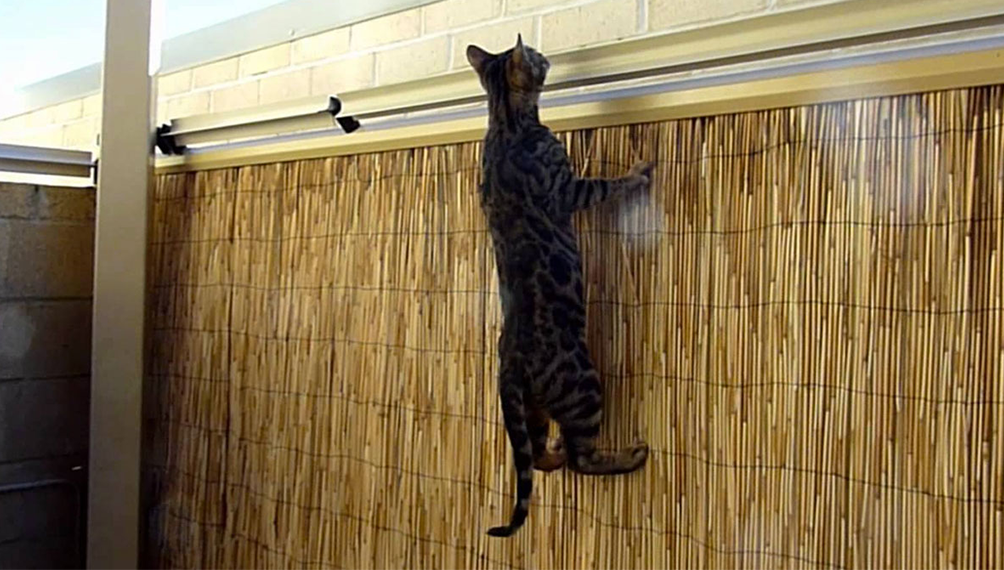
Traditional fences are no match for a curious cat. The classic jump-grab-climb technique allows cats to scale even the tallest fences – until now. The Oscillot hardware system has two components the Paddle and the Dual Knuckle Post kit – that work together to prevent cats from escaping backyards.

oscillot-1
litter-robot-automatic-cat-

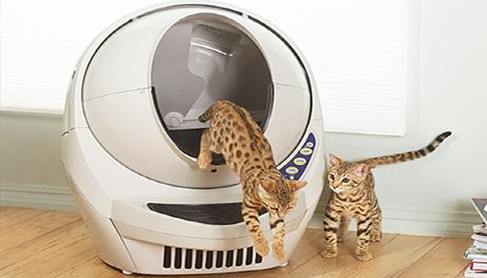
Scooping cat litter has always been a bother for pet owners. Luckily Litter Robot has developed a robust automatic cat litter box that sifts through cat litter after each use and deposits litter into a waste drawer, making it the industry-leader in digital cat litter boxes.

Adding a traditional pet door may allow some unwanted guests to come into your house. The SureFlap prevents this by only opening the door when the device reads your pet’s microchip. This simple solution is selling well for all types of pet owners across the globe.

Pet-Tech-Smart-Pet-Door
3ce48b2f705ce376a6a3e1342f525168_original

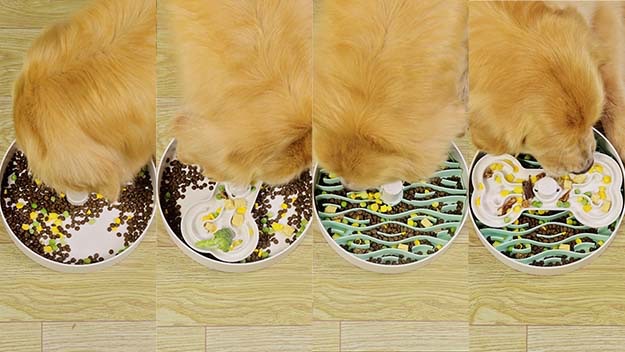
Are you tired of worrying about your dog’s health? The Puzzle Feeder is the ultimate solution for obesity and bloating prevention. This plant-based feeder promotes healthy eating habits with its innovative “Broken Wave” design, and it’s easy to clean and maintain. Plus, it’s FDA approved and free of harmful chemicals. 

Say goodbye to cat hair and parasites with the Groomatic Cat Brush. Developed by cat-loving engineers in Germany, this patented automatic brush starts and stops on its own as your cat approaches and leaves. Inspired by the positive effects of automatic brushes in barns for cows, this device creates a cleaner living space and a happier, healthier cat.

pet-groomatic-436x278
pet-board

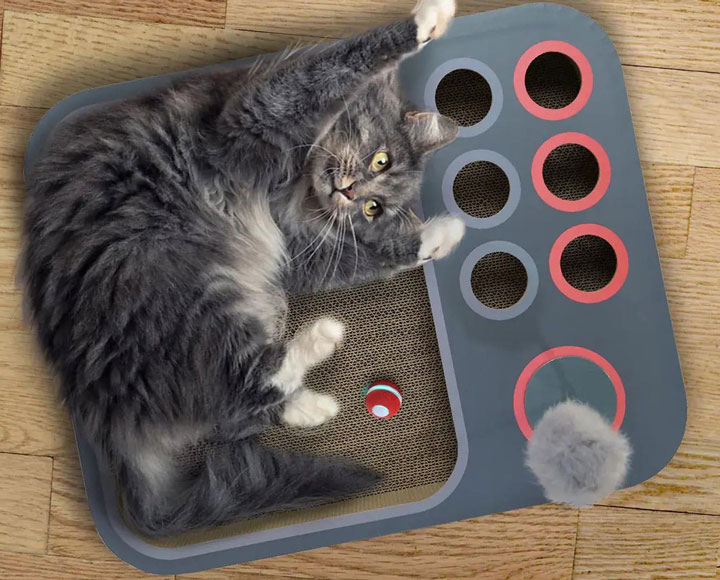
Did you know cats can enjoy board games too? This all-in-one interactive toy features an autonomous level-changing ball and the Cheerble scratcher board. Besides a place to exercise, nap, and scratch, it can be assembled as a way for your cats to play billiards or work around a maze.

Wearable Pet Products:

Wearable pet products have evolved a lot in the past several years from simple harnesses to complex electronic hardware devices that monitor, track and report every pet’s move. These devices include smart leashes, Fitbit type trackers and custom medical devices to help aging dogs.

The classic pet leash has gotten smarter! The Go-Smart is a Bluetooth enabled leash packed with features any dog lover will enjoy. These include an LED light ring for night visibility, walking timers and an app to track activity times for both you and your pet.

go-smart-pet-leash-product
get-findster-gps-dog-tracki

Dozens of GPS trackers hit the market over the past several years, but Get Findster is one that has stood the test of time and become a market leader. Why? Due to the zero monthly costs, a great app user-interface, waterproof design, and a rechargeable long-lasting batteries.

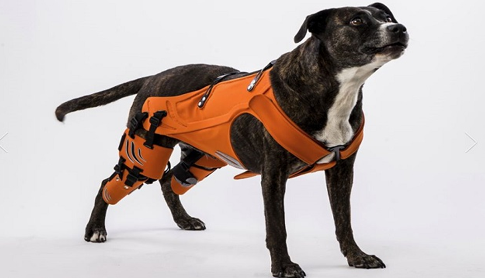
One of the most issues that impact the mobility of dogs is hip dysplasia. The hipster harness is a device that helps dogs stabilize and strengthen their hip muscles and avoid further injury. Launched in 2015, the device has become popular with veterinarians and pet owners alike.

hipster-harness-for-dogs-pe
pet-havit-768x419

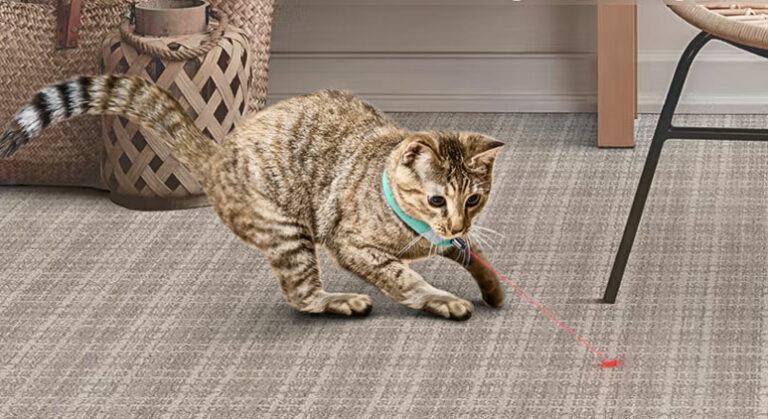
Cats are always attracted to chase lasers, which is why this hands-free adjustable collar is such a hit amongst cats. With the interactive light pointer integrated into the flexible collar, it keeps the ray pointed in front of the cat at all times. It’s rechargeable, and cats can play for a long time.

FitBark 2 is a new way to explain changes in your dog’s behavior and make better decisions with your vet about nutrition, mobility, and other health issues. This wearable is waterproof and lightweight while monitoring your dog’s everyday activity and sleep, which then turns them into meaningful data and actionable health insights.

pet-fitbark

Connected Pet Products:

Connected Pet Tech is one of the hottest trends in the pet industry right now. Dozens of new devices will hit the market in 2025, and many more are in product development right now. If you have a pet tech idea, now is the perfect time to get it off the ground.

Like humans, pets’ minds and bodies must be pushed and exercised to grow. When owners are home this happens for pets, but when they are away it doesn’t – until now. Pet Clever’s unique product provides a great way for humans to interact with pets remotely.

puppod-connected-dog-game

Dogs are smart, but they need stimulation to continue to learn and stay happy. PupPod is a multi-level puzzle that stimulates dogs curiosity and directs a dogs energy through a series of app-enabled games and of course treats! Both vets and dog owners have touted the benefits of PupPod as a wonderful tool to interact with dogs of all ages, shapes and sizes.

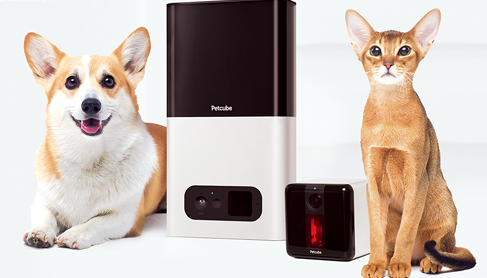
Petcube does one thing really, really good – that’s pet video. And a $500K+ Kickstarter campaign and $14M in seed funding have others thinking this too. The Petcube hardware device and app work together so pet owners can have a seamless rich video experience with their pet from anywhere in the world.

petcube-smart-connected-pet (1)

An all-in-one camera and connected play ball, PlayDate blew past a crowdfunding goal by 598%, raising $831K – and they didn’t stop there. Since the successful campaign in 2016, PlayDate has gone on to become one of the top-selling connected pet tech toy devices on the market today.

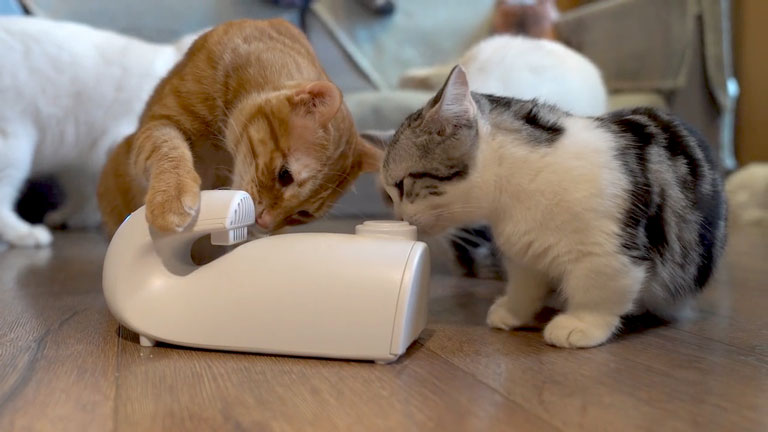
Unleash your cat’s natural hunting instincts with the Hunting Game Box. Using the power of scent, this indoor treasure box challenges your cat to find hidden wet food or raw meat. The built-in UVC sterilization maintains freshness, while the advanced processing chips eases control and communication with the companion mobile app.

pet-hunting
pet-godoggo

Why leave your dog at home when you can have even more fun together? GoDoggo is a city guide app that helps you and your dog experience more of life. Find dog-friendly restaurants, coffee shops, and more with this easy-to-use app. Plus, the GoDoggo Club Member benefits program lets you earn gift cards from your favorite businesses.

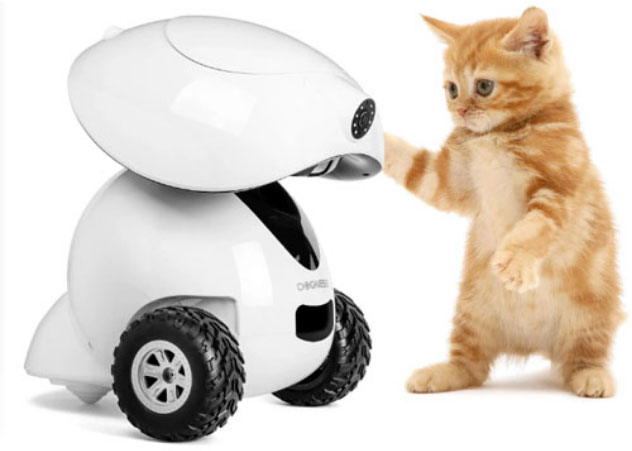
Using a simple free app, you can keep your pet stimulated and entertained – even when you’re away! This interactive robot is controlled via your mobile device and features a 360-degree control and view that can move around your home. With the HD tilting camera, it can record videos and take photos, and it even has a built-in laser and treats dispenser.

pet-dogness
Share

Have a new pet innovation idea?

We can help take you from idea to design, prototyping, and volume manufacturing.

27 Years Experience

75+ Design Awards

1,000+ Manufactured Products

From Idea to Prototype in as Little as Six Weeks!

Ready to Start?

Published on: June 2, 2023

Top 6 Mistakes Manufacturing New Products in China

Top 6 Mistakes Manufacturing New Products in China

27 Years Experience

75+ Design Awards

1,000+ Manufactured Products

From Idea to Prototype in as Little as Six Weeks!

Ready to Start?

If you want to build your product in Asia, you need to know the manufacturing process inside out. And, if you lack this knowledge, you need a partner who ensures that you are never without the information you require.

What follows are the areas where the companies we work with most frequently require help in Asia. As you will see, contract manufacturing risks begin in the earliest stages of design, and extend to the management of contract manufacturer (CM) relationships even after your product is on the market.

1. Consider manufacturing from the earliest stages of design.

earliest stage of design ba

The early stages of design present a product development company with exciting problems to solve. The danger we have observed is that when progressing from concept to detailed design, companies often tackle the many decisions they face (features, marketing strategy, aesthetics, user interaction) without realizing that their choices at this early stage may lead to locked-in costs and major headaches later.

No company can rely on their contract manufacturer to make fundamental problems disappear when they are locked in by the design team decisions. The challenge is to think about the manufacturing feasibility, options, and risks while the early product configuration is still taking place.

Your design and engineering team needs to be up to this challenge, as you typically have to wait until you have already designed your parts before a factory will begin to relay their own special knowledge and advice.

And a failure to closely consider manufacturing options until after a product’s design is defined in detail almost always leads to unpleasant aesthetic compromises, unexpected costs, and delays in getting your product on the market. One other benefit of having a production-knowledgeable design team is you will be able to negotiate a better price with your CM during the formal quotation process, as the parts and assembly will be configured in a way that is clear and straightforward to manufacture.

It is essential that your design team is aware of production constraints if your product development process is to remain predictable.

You need expertise in what is possible with most materials, different forms of molding, and specific requirements for custom tooling. You need to be able to design manufacture-ready custom sheet-metal assemblies and composite fabrications, and you also need to be familiar with the uses and limitations of the mechanical and electronic stock-order parts that are readily available to integrate into any product’s design.

In short, if you adequately consider the manufacturing process without reliance on contract manufacturer reviews, you will reduce the cost of development, eliminate unnecessary iteration and restarts, and speed your time to market.

2. Know when (and when not) to build prototypes.

Prototypes are important—and costly. They allow you to verify that your product performs to the required standards, can be operated intuitively by target users, and can cope with the working conditions in which it will be used. They are also physical models which allow a contract manufacturer (CM) to more completely review and quote your order. They generally add recommendations to adjust features for cheaper, faster and more reliable assembly.

The difficulty we have seen companies encounter is knowing when to build prototypes and what sort of prototype to build. A fully-functional production-intent lookalike prototype can take 8 weeks to build due to the time it takes to construct quick tools, finish and fine-tune moving parts. It is also hugely expensive. The company that builds your prototype will not be your production CM, and you will be paying them to train their employees and manufacture custom tools for low volume manufacturing! In some cases where the product solution requires validation this is a necessary step before moving to production tools.

A ‘bench model’ (BM) prototype, which is designed to test specific functions or aesthetic/ergonomic features of a product, is a much more effective use of money. A BM must be identified, devised, and created early on in the design process to provide a truly effective investment.

An early bench model could be a 3D CAD simulation followed by a hand built model to confirm temperature rise or airflow. A bench model could also test the size, strength, ergonomics or light visibility of a product.

A bench model of an electronics design (breadboard) is also a very effective way to assess risk and fine-tune features early on. Each ‘bench model’ should be planned, designed, and built to assess an area of risk the design team feels they need to get right before finishing the overall design and ordering a more expensive full production-intent ‘alpha’ prototype.

Companies often need help in alpha prototyping as it requires very particular knowledge in why and what to build and how to evaluate it. When testing aesthetics, they need information on the ways that surface-finishing techniques differ when working with prototype materials. When performing low-volume rapid prototyping, there are many choices of materials, suppliers and finish expectations.

A great deal of money can be spent if you do not understand the benefits and drawbacks of numerous fast fabrication technologies: 3D printing (SLA, SLS, FDM, and other), RTV silicone molding, fast-cut aluminum tooling, sheet metal fabrication, rubber parts, composites, etc.. Teams also need information on the tests that can be performed on different prototypes, or they may end up with a prototype which is not suited to the tests for which it was built. Not all approval tests can be done on prototypes. A strong knowledge of safety and regulatory compliance is essential to the design team.

You must also be familiar with those situations in which prototype parts suppliers can become production suppliers, as this will allow you to transition with changing anything. It eliminates the cost of having to create and debug prototype parts with your prototype part suppliers, and then do it all over again with your production part suppliers. Not all types of custom parts have this luxury.

Prototyping mistakes can cost you tens of thousands of dollars. Deep knowledge of prototyping can guide you to the right set of prototypes, without incurring unnecessary wasteful costs.

3. Know the product specification details that manufacturers require.

product specification banner

Your product will only be as good as what your manufacturer can build, and they will need very specific information if they are to analyze your design effectively and provide accurate costing. It is therefore important to walk into CM negotiations with a Product File that contains all the details they will need to review and quote.

A prototype they can take apart is also an invaluable asset when a CM is reviewing and quoting the design as they can perform better assembly assessment.

At Design 1st, we have worked with companies who were simply unaware of the many types of information that CMs require. Failure to provide this information is problematic, as it results in unreliable and uncomparable quotes between CMs. This leads to miscommunication, quote adjustments, design adjustments, and lost time, all of which contribute to delays and in some cases choosing the wrong CM.

If a factory isn’t completely clear on what you want them to build, they are clearly more likely to make mistakes, and when they do it will not be their fault—it will be yours.

You need to be aware of all the information CMs may need to efficiently process a product proposal: part and material specifications, Bills of Material (BOM), CAD part and assembly drawings, custom tooling expectations, performance specifications, QA test definition and other manufacturing process information. You also need to be capable of analyzing and critiquing changes to part specifications that a CM suggests, as they have a deep understanding of their specific equipment and processes that may be right for your product.

bom tooling

Through technical dialogue, a design engineering team and CM can find opportunities to improve performance and reduce cost as a product is prepared for change-controlled serial production.

4. Understand the impact of order size.

The anticipated ramp-up speed of sales of your product will affect the design of your product, the selection of stock components, the selection of manufacturing processes, the design of tooling, and contract manufacturer selection. Good marketing strategy and execution is essential to align the design with the production processes.

volume production of qubevu

You also need to appreciate the impact of order size on the level of commitment from your CM to process management, staff training, quality control, and costs reduction.

If your production batch sizes are not large or frequent enough for your chosen CM, the risk of errors, cost increases, and product quality problems rises dramatically without experienced oversight of the design decisions and the supplier process set-up.

What’s more, a lack of familiarity with the component pricing thresholds for a CM can easily lead to poor design decisions, as factory quotes may not detail the precise ‘break points’ at which changes in production cost-price occur. A company could order 200,000 units instead of 100,000 to benefit from a lower per unit price, without realizing that the per unit price for 200,000 units was the same as for 120,000! Knowing what to ask for each process is essential.

Experience managing contract manufacturers can help you choose the CM best suited to your anticipated order volume and help you navigate production planning negotiations more successfully. Our company offers mentor-advisor services to assist you during planning and execution.

5. Thoroughly audit your custom tooling order.

2015 banner auditing custom tooling order

The next landmark in the production process comes after contract manufacturer selection. There are many stages between deciding on a CM and cutting steel, but the step at which mistakes can prove most costly is actually the one you will take first.

Ordering custom tooling offers very little margin for error if you are on a tight budget, and it is important that you thoroughly review the order with your technical team and your CM before they dedicate hundreds of hours to designing and preparing complex custom machines (tools) for production.

Even minor changes to parts after tooling has been ordered will incur unwelcome costs—not reviewing the order with your CM can cost you tens of thousands of dollars.

china order document

6. Carefully manage the transfer of information.

2015 banner transfer of information

Managing your relationship with your contract manufacturer extends far beyond remaining organized and responsive. A large amount of information will be transferred between your design engineering team and your CM, and it needs to be set-up properly and closely monitored.

Failure to do so will lead to an array of problems. Inadequate contracts can lead to litigation; inadequate research into your CM’s other clients can lead to the leaking of your innovations to market competitors.

And if contract manufacturers suggest changes to your product, you need to consider the possible implications regarding ownership of intellectual property.

Conclusion

You are now acquainted with many of the pitfalls involved in Asian manufacturing, but you should also have a better idea of how to avoid making decisions you will regret. You simply need the appropriate expertise, and, if you don’t have it, you need a trustworthy partner who can provide it, ensuring that the choices you make will always be thoroughly informed.

Share

Have a product idea?

We can help take you from idea to design, prototyping, and volume manufacturing.

Published on: May 27, 2023

Get ready for BattleBots 2023

Get ready for BattleBots 2023
27 Years Experience

75+ Design Awards

1,000+ Manufactured Products

From Idea to Prototype in as Little as Six Weeks!

Ready to Start?
Season 7 of BattleBots is HERE!
BattleBots is a battle of masterclass engineering skill, design prowess – and of course carnage! The 2023 season is now here with the mayhem caliber setting cranked up higher than ever before. Design 1st is excited to participate by supporting Team Lucky – a fierce BattleBot competitor for the past several years.
 
The new 2023 BattleBots season 7 will feature the top 50 robots and was filmed live in Las Vegas, Oct 18-30, 2022. The season will air on Discovery Channel and Discovery+ starting Jan 5, 2023.
 
To build the hype for this season, we have put together some common Q&A on BattleBots:
 

Table of Contents

1) What is BattleBots?

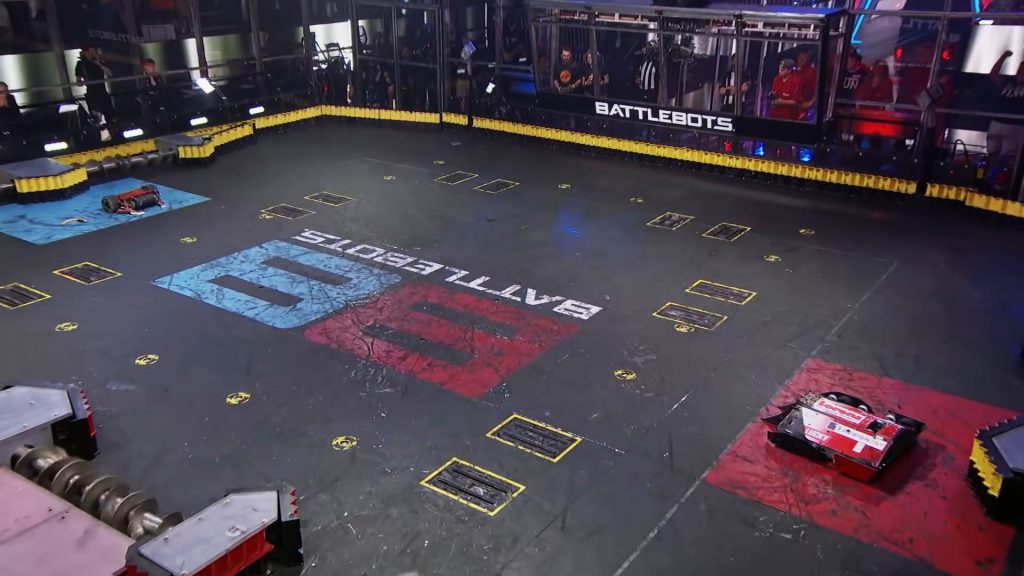
BattleBots is a competition of all-out destruction in which robots go head-to-head in an enclosed combat arena. The robots are armed with a catastrophic variety of weapons, such as saws, flamethrowers, and hammers, with the goal of disabling or destroying the opposing robot.

Behind the action are teams comprised of product designers, engineers, and robotics specialists who are responsible for the designing, building, testing, and controlling their robots.

With thousands of passionate fans worldwide for over 20 years, BattleBots has been one of the most successful robotics competitions and remains a prominent spectacle of engineering talent.

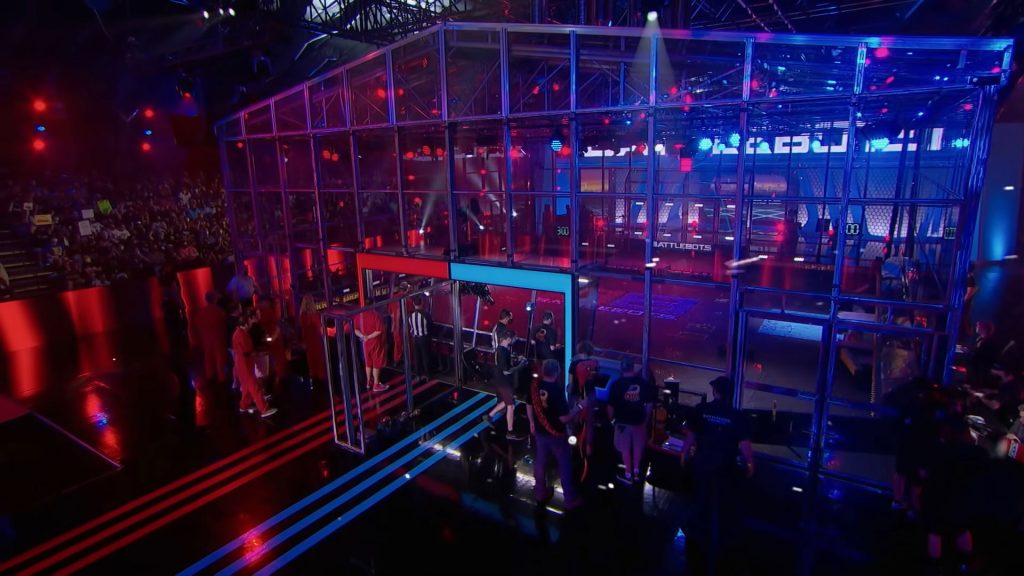
inside the battlebox arena, bots facing against each other on their own red and blue corners
Bots position opposing each other before starting the match
2) How do BattleBots matches work?

Matches are three minutes long, and take place within a 48ft x 48ft square arena more commonly known as the BattleBox. Before the face-off, competitors’ robots start from the opposite sides of the BattleBox in color-coded red or blue squares. With each match-up, the goal of each competitor is to immobilize the opposing robot first, along with gaining points for the 11-point judging system: 5 points for Damage, 3 points for Aggression, and 3 points for Control.

This year, while other hazards are retired. exciting hazards of the BattleBox are improved upon and remain active, including killsaws, pulverizers (large hammers), paddles (spiked barriers), ramrods (floor spikes), screws (spinning augers), and the upper deck (raised platform) introduced in 2021.

Competitors face off in a bracket-styled match-up, and the team that emerges victorious will claim the coveted Giant Nut trophy.

BattleBox with the red and blue halves of the arena
3) Where is BattleBots filmed?

Season 7 of BattleBots was filmed in sessions in Las Vegas, Nevada from October 18-30, 2022. BattleBots World Championship VII amassed a total of 50 competing robots, including teams from Canada, the UK, Brazil, Australia, New Zealand and The Netherlands.

Season 7 was filmed months prior to airing
4) Where is the BattleBots arena?

The BattleBots arena (BattleBox) is located in Las Vegas, Nevada.

Following its enormous success, BattleBots has additionally announced an exclusive live Las Vegas show: BattleBots: Destruct-A-Thon. The world’s first daily robotic combat show opens on February, 3rd 2023 at Caesars Entertainment Studios, just yards from the famous Las Vegas Strip.

The arena features maximum viewability and protection for the audience, including a new full Lexan enclosure that ensures safety from the hazards that would come about as the tournament goes on.

inside the battlebox arena
Inside the BattleBox
5) How to build a BattleBot?

Designing and building a BattleBot takes a variety of skills, experience, and creativity. Teams must adhere to the design rules which can be subject to changes every year to keep the competition fresh, fair, and exciting. Not only that, but teams must also pay close attention to the ever-changing BattleBots hazards and new rulesets in order to get an edge over their competition.

To learn more about the design and build process of BattleBots, below are a couple of helpful resources recommended by BattleBots:

  • BattleBots Entry and Rules: Includes design and tournament rules
  • How to get on BattleBots!: Build resource page
  • BattleBots The Official Guide, written by C. Carlberg
  • Kickin’ Bot, written by MythBusters’ Grant Imahara
  • RioBotz Combat Robot Tutorial, written by Marco Antonio Meggiolaro, the builder behind the BattleBots robot Minotaur
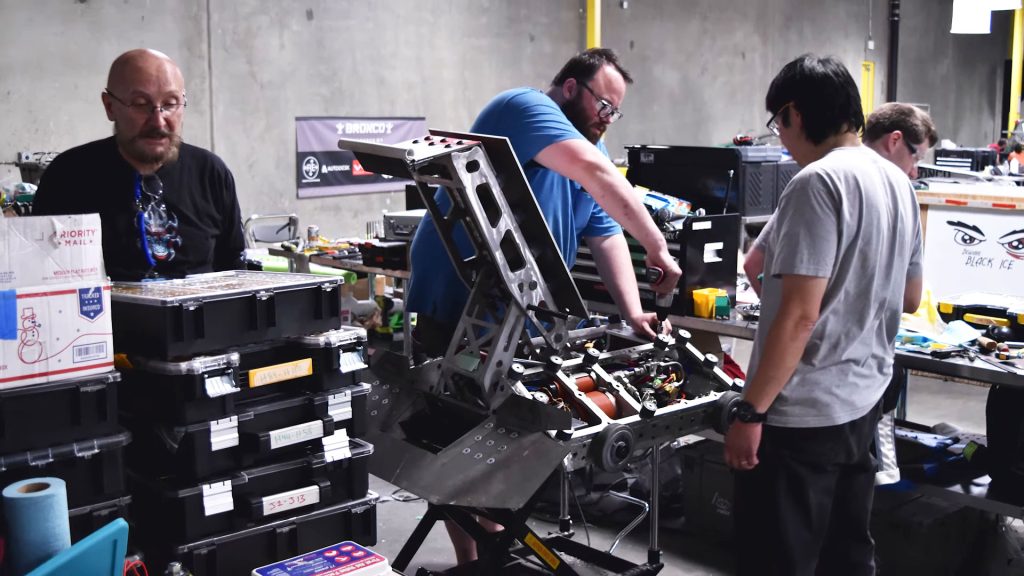
Team Lucky building and assembling behind the scenes
6) How are BattleBots Powered?

For the standard BattleBots, any type of battery that is commercially available may be used. If lead-acid batteries are used, they must be factory-marked as AGM-type. MiniBots have different power requirements, and can only use cylindrical Lithium-Iron (LiFe), Nickel Metal Hydride (NiMh), or Nickel-Cadmium (NiCad) batteries.

All batteries, particularly Lithium-based batteries can catch fire and even explode! Thus, there are battery-handling specifics and safety hazard warnings that BattleBots competitors must follow. The Battery Handling Rules outline specifics such as battery areas, initial battery handling, battery charging, batteries before and after matches, and how to operate with damaged batteries. 

Voltage used for weapons and motions systems cannot exceed a nominal 60 volts, with the maximum voltage allowed for any low-power auxiliary systems elsewhere in the bot is 240 volts. 

For more information about the electrical system of BattleBots, check out the Design Rules.

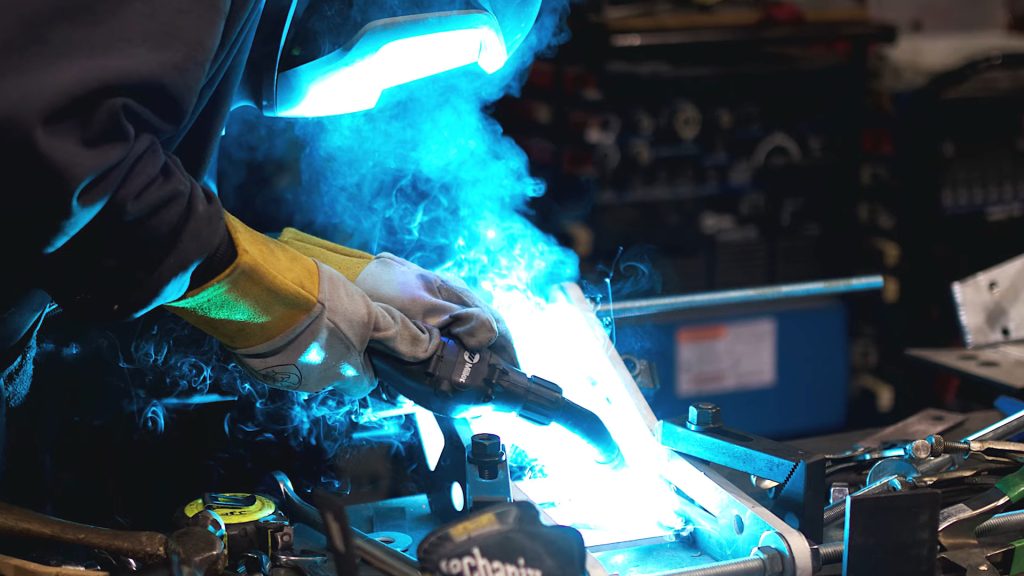
Team Lucky wears safety equipment when handling and constructing
7) How heavy are BattleBots?

There is no minimum weight requirement for BattleBots, however the maximum weight allowed is 250.0 pounds. Bots can be walkers, hoppers, fliers, slitherers, or whatever else in terms of mobility – as long as it complies with the limits!

Any bot must also be able to fit through the 8ft x 8ft arena entry doors without disassembling. Additionally, it is preferred that bots can move around at a fast walking pace (at least ~4 mph). 

A lot of exceptions to bots’ weight limit can be made on a case-by-case basis. “Flybots” (flying bots) are limited to a maximum of 10.0 pounds each, and MiniBots can weigh no more than 20.0 pounds.

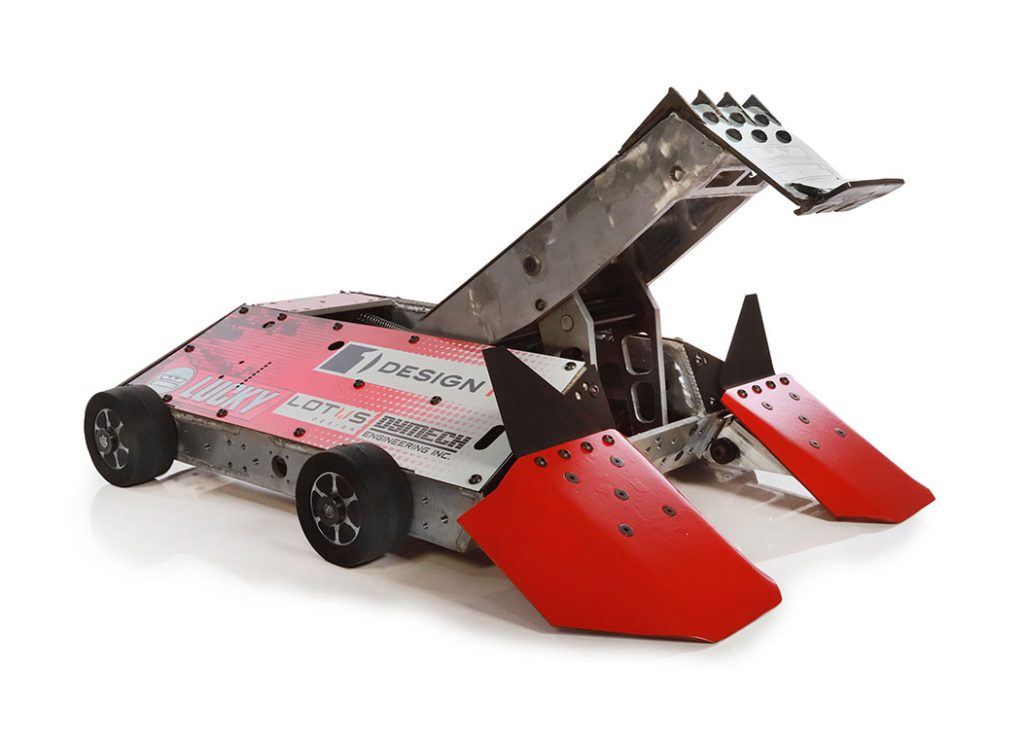
Lucky is set for 2023!
8) How much do BattleBots cost to build?

Bots can cost between $5,000 and $50,000 to build, depending on many factors such as the type of bot, materials, components, prototyping facilities, custom fabrication, and shipping. Upgrading a bot with a brand new construction (such as the Switchback v2) would cost heaps more than upgrading from recycled parts. 

Many of the successful BattleBots, such as Lucky Canucky, are backed by sponsors and volunteers that help with the designing, prototyping, and developing of bots.

For any BattleBot there are four key areas of cost:

  1. Raw Material: $2000 – $8000, depending on what material you use (Carbon Fiber, Titanium etc. can drive up this price significantly)
  2. Components: $3500 – $10,000 (include motors, switches, gearboxes, magnets, compression tanks etc.
  3. Prototyping: $5000 – $10,000+ (Costs can be lower/higher if you have in-house equipment OR sponsors)
  4. Time: FREE (If you have a passionate BattleBots crew of experts!)

Generally, a bill of materials (BOM) is used to organize a  list of all raw materials that go into the final assembly of a product or robot. BOMs usually include a list of all components, quantity, cost, and a source or link for purchasing said component.

Design1st’s Designing a Robot for Destruction:

9) When does BattleBots start?

The BattleBots Word Championship VII fights air every Thursday evening from Jan 1 – Apr 13, 2023 at 8pm EST.

The top 32 finalists go forward to compete in the World Championship VII Tournament Apr 20th – May 11th.

The live Vegas Destruct-A-Thon show starts on Feb 3rd.The full match schedule can be found here.

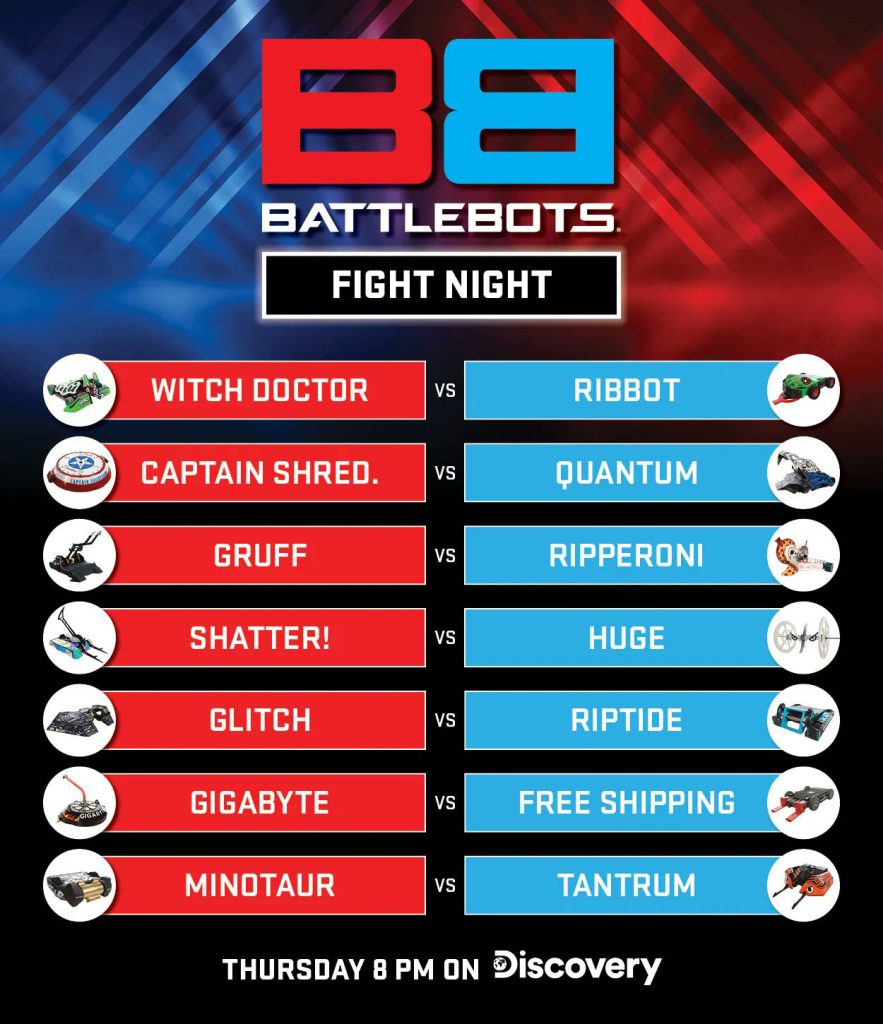
battlebots first episode fights schedule matchup
Premiere episode of 2023 starts with seven fights
10) Where to watch BattleBots 2023?

BattleBots can be watched on Discovery in the US and Canada starting on Jan 5 at 8pm EST, and streamed through Discovery’s streaming platform, Discovery+.

BattleBots is broadcasted in over 150 countries, including UK, Ireland, Germany, Spain, Portugal, Turkey, Brazil and the whole of Latin America, Australia, Thailand and most of Asia, with other regions continuously being added.

The full broadcast details can be found here.

battlebots discovery banner
Watch BattleBots on Discovery
11) What is new for the 2023 BattleBots season?

There are a handful of changes with the tournament judging and matches for the 2023 season that are sure to wreck more havoc than previous seasons:

  • Season 7 has more screen time, from 40 to 54 total hours!
  • The returning Upper Deck is now raised several inches off the floor of the arena
  • A new role of “Match Steward” is introduced to act as an intermediary between the teams and judges on match scoring and rules
  • Attacking actions during a match are more defined. Referees will allow Pinning with a maximum of 10 Counts per pin, whereas Lifting and Grappling are allowed for 20 Counts
  • More destructive and enhanced upgrades from fan-favorite teams, such as Lucky’s now bringing seven complete frames (four more than last season) and strengthening their flipping arms

2023 Trailer for BattleBots World Championship VII, Season 7 of BattleBots:

Stayed tuned for more info on BattleBots this Spring! We will be updating this page and Design 1st social media accounts.

Share

Have a new product idea?

We can help take you from idea to design, prototyping, and volume manufacturing.

Published on: April 27, 2023

How to Design a Product for Manufacturing

How to Design a Product for Manufacturing

27 Years Experience

75+ Design Awards

1,000+ Manufactured Products

From Idea to Prototype in as Little as Six Weeks!
Ready to Start?


Full Case Study Showing Step-By-Step Process

Five Phases Going From Idea to Prototype to Manufacturing

Start-ups and E-commerce entrepreneurs are developing custom products to meet niche customer demand. This allows them to control quality, features, and most importantly, margins!

The challenge is getting ideas into manufacture-ready designs, building out a supply chain and ramping up volume production with consistent quality.

Discover the process one entrepreneur went through to manufacture his proof-of-concept prototype idea for a mass market.

Table of Contents

Intro: Meet Lily Chillers Founder, John

john-smith-lily-chillers
Lily Chillers Founder: John Smith

Meet John, a digital nomad, e-commerce entrepreneur and Founder of Lily Chillers. John knows his way around the internet, B2C sales and Amazon. He is an idea man who is always thinking of solutions to problems. When his swimming pool got so hot baking in the sweltering Texas sun, he began looking for solutions online.

Not finding any suitable solutions to keep his pool cool, (existing insulation blankets and heat pump systems cost thousands of dollars), he began developing his own solution by replicating the function of a standard car shade.

By testing out different materials, John eventually created a proof-of-concept prototype that worked. His pool was staying 10 degrees cooler than without the pad. A win! The next step was manufacturing. This is where John got stuck.

Problem: How to Manufacture an Idea?

With a proof-of-concept prototype in hand, John began researching how to manufacture his product. His research gave him more questions than answers.

  • Who would supply the material?
  • What about packaging?
  • Who will do the engineering sun calculations to select a suitable weather-resistant material with good sun reflective properties?
  • How much would it cost to manufacture his prototype in high volume?

Stuck, John began researching factories that manufacture products in China.

Finding a Manufacturer to Make Product

In typical entrepreneur fashion, John took his early-stage design as well as photos of his prototype and began reaching out to manufacturers via websites like Alibaba. He found manufacturers were more than willing to help.

The trouble came when they found out John was a one-man-operation with a big idea, a soggy prototype, and no manufacture-ready design files. John discovered three major issues with trying to source a manufacturer:

  1. Language Barrier: Factories that looked like a perfect fit for his product had a very difficult time communicating in English. He could not get straight answers.
  2. Have a Production-Ready Prototype: John knew some design tweaks were needed to his prototype to ensure it did not blow away or sink, but factories only wanted to make the product in volume from a finished design with drawings. Working with the supplier directly to figure out what had to change felt like too big a risk to take.
  3. Cost: The upfront costs to manufacture a low-volume run of his idea exceeded his budget, and they would not guarantee the quality of the product upfront.

After several months of struggling to find a manufacturer to make his idea, he conceded and began searching for help to get his idea ready to manufacture.

“I tried to contact China myself, but as soon as they found out I was a one-man operation, I got nowhere. This happened several times. I was stuck”

John, Founder of Lily Chillers

Choosing a Design Firm

Moving past the manufacturing roadblock, John began looking for companies that could help. He began searching Google for companies that would “take my idea to manufacturing” and “manufacture my product”.

The results pulled up several invention designs houses that John did not get a good feeling from. The NDA’s included terms that would sign-off his ideas and IP rights.  Outcome guarantees, development process, design fees, and pricing structure also seemed to have holes.

John began expanding his search to include “product design firms” and “product development companies”. He found several companies that used a ‘service-for-hire’, model where he would retain full ownership of his idea and any further IP developed.

After initial calls with several firms, the Design 1st team stood out from the pack for several reasons:

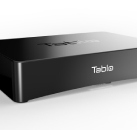
  • Proven track record of success, with many successful projects to reference that are selling in the market including Tablo TV, Stanley, QNX, Ericsson, Fortinet
  • The opportunity to interactively work remote with the design team, to learn from their expertise, and visit China with a Design 1st expert having 25 years’ experience working in Asia
  • They provided a clear product development process on how to take John’s idea, a proof-of-concept prototype and modify the design for manufacturing
  • Decades of ‘remote working’ tools and process made it easy to participate in design discussions to make critical cost and marketing decisions
  • An extensive supplier network for common parts, custom parts, custom materials, prototyping and manufacturers that build the custom products

“I initially narrowed down my search to 5 design firms and then I had a really good chat with Ian Kayser at Design 1st, followed by a call with Design 1st Senior Industrial Designer Chris. It felt right.”

John, Founder of Lily Chillers

Design 1st - Ian Kayser - VP Sales - Your First Point of Contact

Solution: Hiring a Design Company With a Large Manufacturer Network

Once John engaged Design 1st, progress began to happen quickly. A project schedule was built, a kick-off meeting was set up and a development team leader with experience in soft-insulated goods was chosen to guide the project.

Step 1: Project Kick-Off Meeting

The first activity was a kick-off meeting. The purpose was for John to meet the team and share the knowledge he gained while he was testing his product solution over 18 months. These inputs would help identify the key risks, challenges, and set the product requirements to develop the best solution.

Weekly Zoom Client Meetings

The Design 1st senior team members included:

  • Chris – Senior Product Designer, a soft-goods expert who has extensive experience working with fabric, insulation, and heat-sealing manufacturing processes
  • Dave – VP Manufacturing, he oversees the supply chain, manufacturing set up and sourcing of parts, materials and final assembly suppliers
  • Allan – VP Analytics, the resident data-cruncher who helps clients identify potential market size, competitor intelligence, and pricing strategies using online research and surveys to inform the design team on key product features

Output:
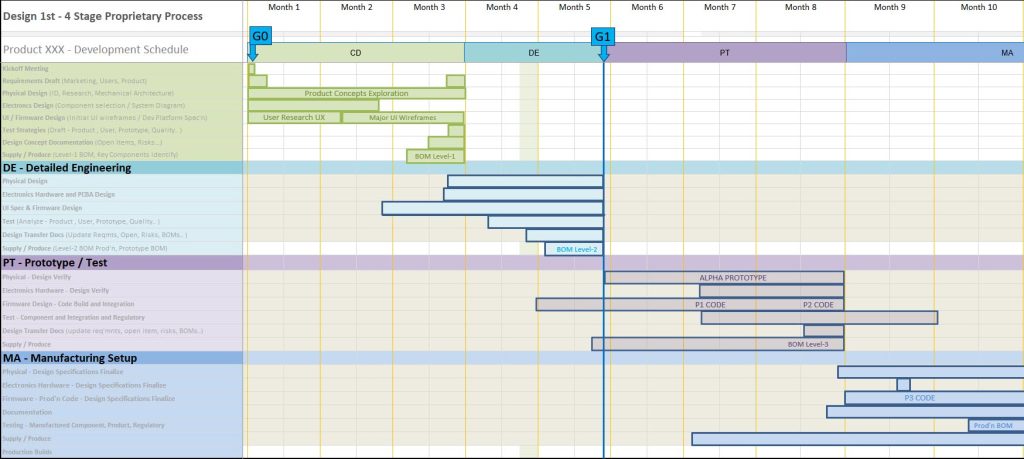
Step 1 delivered a product development schedule and rough timelines for key activities.

4-stage-product-development-process-1
Design 1st Product Development Schedule Template
Step 2: Product Concept Investigation

Before diving into product development, John opted to engage the marketing team at Design 1st for an investigation analysis of his product concept. This goal was to understand the existing market landscape including:

  • Market Size: How big was the potential consumer market for pool cooling devices? What was the monthly search query volume for these devices?
  • Patent Landscape: Which patents covered competitor devices selling in the marketplace now? What were the relevant patent classifications covering similar devices?
  • Competitive Intelligence: What key features did comparative and competitor products have? Which materials did they use? Were there any design issues with existing products?
  • Supply Chain: Who was manufacturing competitive products? What was the distribution strategy? What was the manufacturing cost of existing products?

The output was a 30-page report that revealed a promising market for the product concept. Over 2.6M residential pools in hot US climates and few direct competitors to meet demand. Google trends data revealed the exact states searching for ‘cool swimming pool’ devices:

The report also included a ‘Competitor Product Feature Matrix’. Valuable inputs that would help accelerate the product development process by identifying the materials, pricing, features, size, and distribution model of existing products.

Competitor Product Feature Matrix

The key takeaway was John’s new product concept had a solid opportunity to penetrate the existing market that had a mix of disappointing quality and high pricing. The plan was to deliver a return-on-investment to cover the product development costs in under a year, based on projected sales volume.

Step 3: Product Requirement Research

The Design 1st team took the inputs from the kick-off meeting and product concept investigation to begin exploring manufacturable concepts. This step involved diving into the target use cases, customer needs, and product configuration options. This included researching why the comparative product for heating pools (inflatable solar rings) had so many negative reviews and manufacturing issues.

Defined Key Product Requirements and Risks including:

  • Keep pool 10 degrees cooler vs. No Product
  • Does not blow away
  • Fit into standard shipping boxes
  • Pool-Chemical Safe Materials. Corrosive effect of chlorine, bromine, salt, and UV light
  • Product Configurations: thermal sheets, custom materials, heat sealing inflatable, moulded parts
  • Sizes and material configurations of the product- how many units will cover a standard pool?
  • Cooling Methods: Radiant, air gap, or combination

Output:
Step 3 solidified the critical targets and product requirements in a document for future reference to use as a trade-off tool during the product concept evaluations.

Step 4: Manufacturable Design Concepts

The fun part in every product design exercise is dreaming up new manufacturable design concepts and turning them into functional designs. For the pool cooler, this meant synthesizing all the product requirements, the unpredictability of outdoor environments and corrosive pool chemical attack on materials.

Chris led this exercise leaning on his decade of soft good and insulated product design experience to develop product concepts that would work. The first step was defining potential product concept directions.

Exploring Multiple Design Concepts

The Design 1st team went to work exploring materials, manufacturing processes and cost-effective, shippable product concepts that would keep pools cool. The result was 8 manufacturable design concepts ready for review.

These included:

  • Inflatable Devices
  • Foam with Reflective Inserts
  • Hot Tub Covers
  • Die Cut Puzzle Piece Foam
  • Floating Sunshades
  • Upside Down Umbrellas
  • Flexible Reflective Light Shades
  • Single Shot Molded Parts

Each of the 8 manufacturable concepts was reviewed with the client using a simple rating process based on the targets and requirements that were given different priority weighting based on the business strategy.

A variant of the winning concept is shown in the images below with various visual looks. The concept was based on a collapsible car shade concept with design features to ensure it would not sink or blow away.

Output:
A selected concept reviewed from a user and business perspective, ready for detailed engineering and manufacturer DFM review.

Step 5: Prototype & Testing

Once a design concept was chosen, full size 3D CAD geometry design files were created.  Dave, the Design 1st Manufacturing lead went to work sourcing the best material suppliers and heat-sealing manufacturing facilities for volume production. Constant communication via text chat and overnight file delivery made the process from a well-documented idea to a prototype go lighting fast even with brand new suppliers.

After vetted factories reviewed files, each agreed to make a custom heat-sealing tool to build prototype samples of the product. The goal was to test and validate the suppliers and a range of materials to choose the best solution that met quality and cost requirements.

“We brought in Dave, and in two weeks we had a prototype from China”

– John, Founder of Lily Chillers

Alpha Prototype Testing

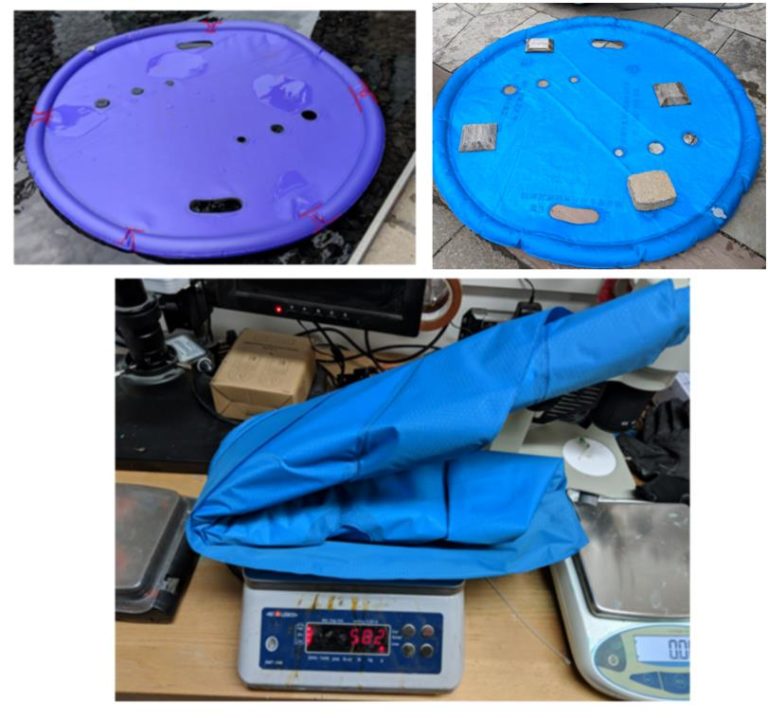
Five sample prototype products arrived at Design 1st. They were inspected and catalogued by the design team before being sent to John in Texas for design validation and pool testing.

Over the course of a month, John and the design team worked on iterating the design to fine tune the performance. This included adding more small drain holes to keep the product buoyant, as well as selecting a 3-stage valve allowing for easy inflation and deflation.  First prototype images are shown here.

Design 1st discovered two of the top-performing prototypes used materials at significantly different cost points. Working with the design team, a final decision on the material was made and John was ready to move forward to mass-producing the product.

Output:
Material Samples and 5 Prototypes of different materials were sent to client for validation and testing in real use conditions.

Step 6: Manufacturing Set Up and Factory Visit

John now had a manufacturable-design ready for volume production and was excited to be in the final stage of product development – manufacturer set up.

Factory Visit to China
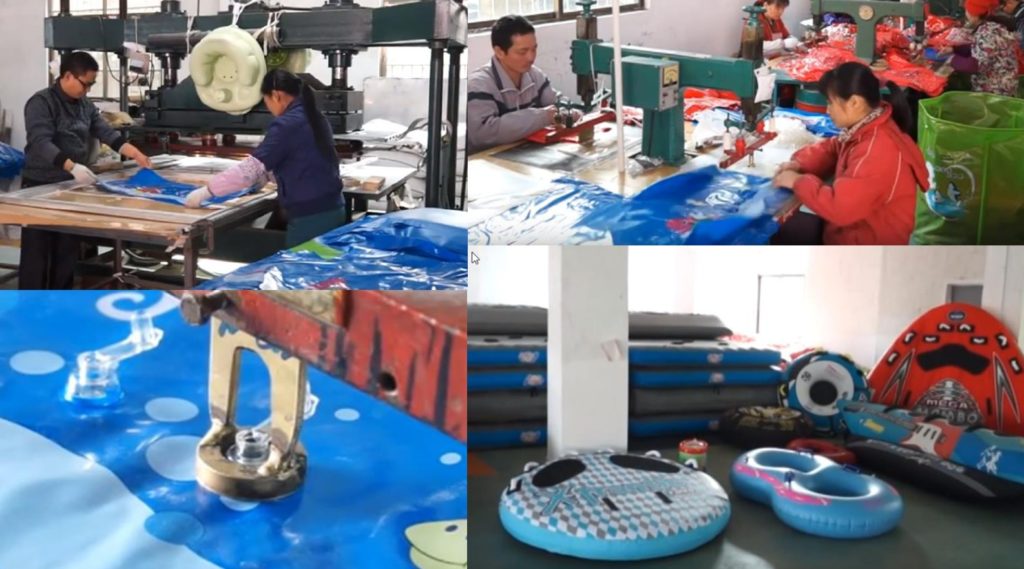
Before ramping up production, Lily Chillers founder John took the opportunity to travel to China with Design 1st and meet his key suppliers and factories in person.

The 4-day visit included touring multiple factories, inspecting the production process, and building relationships with the overseas supply chain team under the guidance of Dave. The outcome was a massive learning experience for John and the ability to order, inspect, and schedule delivery of products independently. Dave would only be called in if issues arose.

“Visiting China with Design 1st was one of the best learning experiences of my life. I now understand how to quickly go from a product idea to a WOW solution with reliable high-quality volume production!”

– John, Founder of Lily Chillers

Manufacturing Set Up

After inspecting the manufacturing process and seeing the custom heat-sealing tool in person, John signed off on the first volume production run of his product. While waiting for the first shipment John began building out his website www.lilychillers.com and marketing engine targeting the 2.6M+ pool owners who live in hot USA climates.

pool-cooling-device (1)

Output:
A reliable predictable product design with a qualified manufacturer, an order and shipment process, schedule lead time understanding and product specifications for the manufacturer that are 100% owned by John enabling the manufacturer to produce the product under license.

Results: Volume Production

The first volume production run of John’s idea arrived in Texas – 5000 Lily Chillers, quality inspected, packaged and ready for sale. To start out, John repurposed his garage into a distribution warehouse and got the product ready to ship. The next step was ramping up business operations, turning on the sales and marketing engine and preparing to engage the target market.

E-Commerce Sales and Marketing

John’s experience in business operations, e-commerce and marketing came in handy. A simple e-commerce website was set up and John began targeting pool owners via Facebook. Using an authentic video pitch showcasing the product and the value proposition, John began driving sales and generating positive reviews from consumers.

The result? The first 5000 Lily Chillers were sold, and it was time to restock and scale operations. View John’s original sales video below:

Visit www.lilychillers.com
Ongoing Manufacturing Support

As Lily Chiller’s sales volume continues to increase, Design 1st in-house manufacturing support team will provide part-time virtual support to John for ongoing manufacturing coordination until John is ready to take on the full supply operations role.

Effective interaction with remote suppliers is critical to schedule product supply to meet consumer demand. Ongoing activities involve design refinements, tracking manufacturing quality, shipping logistics coordination, contracts, and writing exact information on purchase orders.

Support in coordinating these activities without mistakes ensures Lily Chillers can successfully move products from the factory floor to customers without a hiccup.

Year 1 of Sales:

First-year of sales and everything is moving predictably, the first 5000 units are sold and the next order is in process.  The investment in a product design team has proven to be exactly the right way to get predictable high-quality products delivered to a national 3PL warehouse. The result is a low touch online ordering and the lowest cost delivery to consumers.

The enthusiastic customer reactions are giving John a shot at a successful business operation and massive growth in Year 2 with new product ideas to add to the sales.

The Learning:

R&D and product design is a one-time event involving hundreds of critical decisions. Using specialists you can trust is a fast and low-risk way to take the product development risk out of creating a new start-up business.

Share

Have a new product idea?

We can help take you from idea to design, prototyping, and volume manufacturing.

Published on: February 27, 2023

How to Design a 250lbs Battlebot in 6 Weeks

How to Design a 250lbs Battlebot in 6 Weeks

27 Years Experience

75+ Design Awards

1,000+ Manufactured Products

From Idea to Prototype in as Little as Six Weeks!

Ready to Start?

Battlebots is an American TV series, where remote-controlled robots fight one another in a UFC arena-style elimination tournament. There are weapons, armour, hazards, and destruction. The winners drive off glorious, the losers have to be carried out.

The 2023 Battlebots season is airing now on Discover Channel!

Design 1st staff support the  product design and development of crowd favorite Battlebot, Lucky Canucky


Lucky was the brainchild of a group of robot enthusiasts which included Design 1st VP Engineering, Matthew Bailey. Matt worked alongside a team of software, electrical, and mechanical experts spread across North America to bring the robot from idea to the San Jose combat arena in under 6 weeks.

We sat down with the Lucky development team to talk about their experience prior to the show.

Here are a few topics we discussed:

  • Challenges of collaborating across 7 cities
  • How strong global supplier relationships enabled fast part delivery
  • The strategy behind Lucky’s weapons and armour
Share

Have a new product idea?

We can help take you from idea to design, prototyping, and volume manufacturing.

Published on: February 27, 2023

Top 27 Innovative Face Mask Designs

Top 27 Innovative Face Mask Designs

27 Years Experience

75+ Design Awards

1,000+ Manufactured Products

From Idea to Prototype in as Little as Six Weeks!

Ready to Start?
mask-featured-image

The hottest new hardware product trend of 2022? Face Mask Innovation

Entrepreneurs, Startups, and enterprises across the globe and pouring resources into the development of new innovative masks.

The strong global demand for face protection has accelerated development efforts, the result is dozens of new masks on the market.

1. LED Matrix Face Mask

Whether you want to display a message, or even a cute pixelated character, it’s all up to you. The mask can even respond to music or the sound of your voice with equalizer effects. Electronics are removable for cleaning and sanitation. The tech components can be removed for normal wear and better air circulation.
mask-02

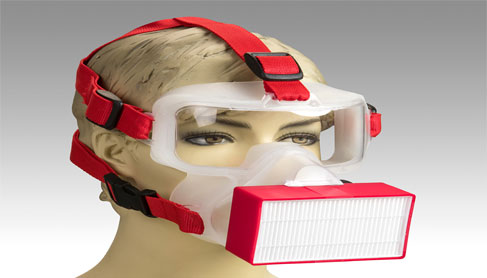
2. LEAF: Leaf HEPA

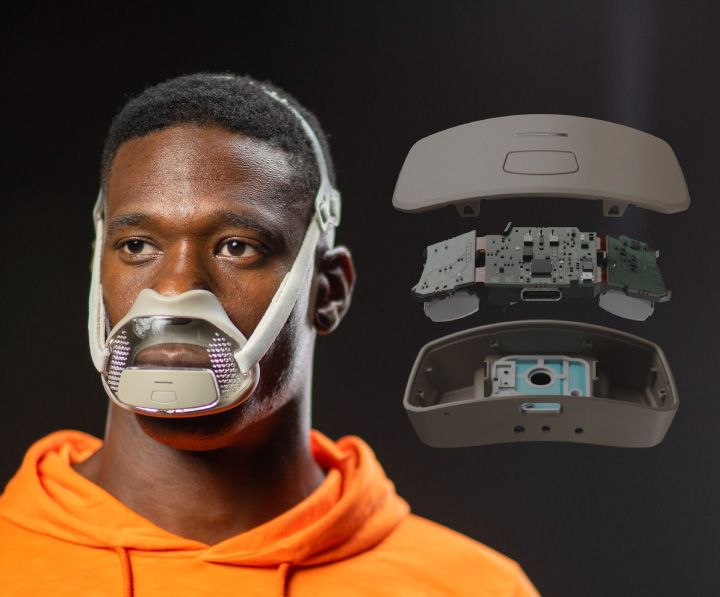
Leaf is the world’s first transparent n99+ HEPA filter mask with UV-C self sterilisation. Secured by the most capable yet easy to breathe HEPA filters rated at N99+, MERV20+. The HEPA filter with 25 pleats, fits in a chin size cartridge while carrying 5X the surface of the entire mask allowing ease of breathing that is off the charts.

3. Livinguard: CoV-2

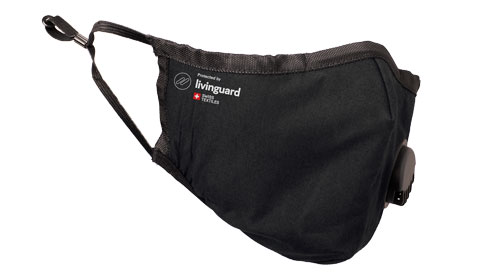
The Livinguard mask can be washed up to 30 times with undiminished efficacy of its protective properties. If used daily and washed weekly under normal usage conditions, the mask can be used 210 times. The mask can be reused multiple times before washing because the fabric covering the filter media continuously destroys microorganisms.
mask-03
mask-04

4. INDIEGOGO: AirZ

When you wear the AirZ Reusable Mask, you can control how fast air flows through it. In fact, this reusable mask offers three different active airflow speeds. AirZ has a built-in Wind Wheel Module to provide enough airflow based on your different demands. AirZ supports quick charge, where a 2-hour charge can provide around 5 hours of continuous use.

5. Airwheel Air Experts

Airwheel F3 Smart electric air mask in unique ventilation design,built-in air motor which is Motor drives wheel on wind cavity to suck air and breathe gas, excellent permeability, can realize two-stall adjustment and produce air with high efficiency and actively deliver fresh air.
mask-05

6. Delta Plus M6100 Jupiter One Filter Reusable Half Face Mask Respirator

These reusable face masks are manufactured from tri-material for ultimate wearer comfort, with the mask body being made from Thermo-plastic Elastomer (TPE), the cartridge anchorage from polyethylene HD (HDPE) and the valves protective housing from polyp­ro­pylene (PP).

7. Huami Amazfit Aeri Mask

N95 mask that doesn’t interfere with face unlock on smartphones because it will be made of an anti-fog material, making it easier to unlock your phone via Face ID. The mask will also have built-in ultraviolet lights for self-disinfection. The mask also uses removable air-filters that can last for six weeks.
fsdfdsf

8. Breathable IceChill 2.0 Mask

Breathable IceChill 2.0 Mask uses an innovative light weight material. It uses patented technology commonly used in sport apparels for lowering temperature. This is a mask you can Jog in. This washable mask can last more than 50 machine wash cycles.

9. PM2.5 Dust Mask Smart Electric Fan Mask Anti-Pollution Breathable Outdoor Mask

Smart electric air mask, with unique ventilation design, built-in air motor which is Motor drives wheel on wind cavity to suck air and breathe gas will exhaust from bottom outlet, excellent permeability, can realize two-stall adjustment, and produce air with high effectivity and actively deliver fresh air.

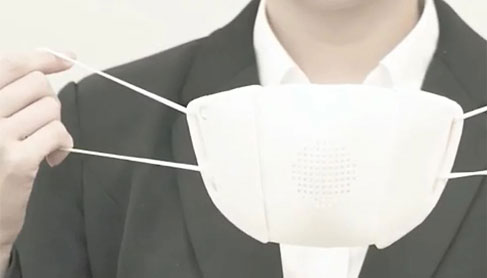
10) Donut Robotics: C-MASK

The c-mask is made of soft plastic material. It contains a built-in microphone and has holes in the front to let air in. When it is turned on, the mask uses Bluetooth technology to connect to a mobile device. The spoken words are displayed as texts on the smartphone screen. The spoken words can be translated to 8 languages.

mask-11

11) ViriMASK

ViriMASK filters retain inhaled & exhaled particles and microbes larger than 0.1 micron (like COVID-19). That protects the wearer and the environment. Such filter retention – and the fact that ViriMASK does not have an exhalation valve – prevents the spread of infection back into the environment.

12) The NanoHack 3D-printed mask

Copper and Nano Copper inhibits the replication and propagation abilities of SARS- CoV4, influenza5 and other respiratory viruses, having a high antimicrobial (antiviral and antibacterial) potential and, as Copper can inactivate viruses .

mask-12
mask-13

13) The O2 Nano Mask

The O2 Nano Mask sports a refreshingly minimalist design with a focus on comfort. … The machine-washable O2 Nano Mask skin comes with three recyclable and replaceable filters that last up to 60 hours each, depending on air quality conditions.

14) BREATHE99: B2 Mask

B2 Mask’s ergonomic design is made of FDA-compliant materials that conform to your face to provide a comfortable and protective seal. It was voted best face mask invention of 2020 by Time Magazine.

mask-14

15) URBAN AIR MASK 2.0

The Urban Air Mask 2.0 introduces a whole new level of protection, breathability, and design. By combining cutting-edge filter technology with timeless Scandinavian design, the Urban Air Mask 2.0 offers an outstanding performance and comfort to combat harmful particles in the air. 

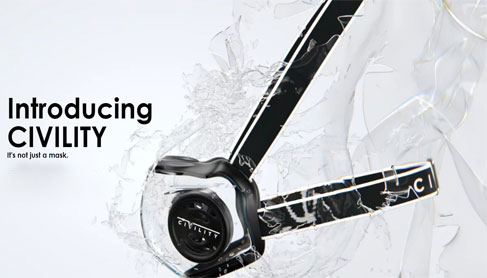
16) CIVILITY

The caps of the AIR Premium are replaced by two mini electric silent fans increasing the breathability inside the mask. One of the fans increase the volume of air inside the mask, the other increase the extraction of the air outside the mask.

mask-16

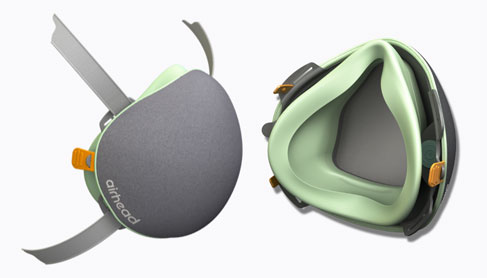
17) Airhead

It’s designed to fit your face perfectly, with an airtight seal so that no dirty air can leak through the sides. The highest quality medical grade silicone makes the mask feel incredibly soft and cool on your face. Then there’s the filtration technology.

18) MULTIMASK Pro

Multimask integrates two features into oneand opens up endless possibilities for attaching other functional accessories, also making it “Future Ready”.

mask-18
mask-19

19) UV Mask

The UV Mask equipped with UV-C purification is an antiviral, anti-pollution face mask that filters dust, pathogens, and allergens (like pollen & leaf mulch) from the air you breathe.

20) Reusable Face Mask 2.0

This breathable face shield is made with medical-grade, FDA and LFGB approved silicone. Fitted with a filter, your mask will help fight the spread of COVID-19. Each kit comes packaged with five filters; you can purchase additional filters from us here, or use your own filter supply.

mask-20
mask-21

21) North Republic Reusable 6 Layer Bluetooth Smart Mask

Detachable Bluetooth Headset: The Mask has inbuilt & removable Bluetooth earphones with Mic. To listen to music, make phone calls, and be unique!

22) Gendax Bone Conduction Wireless Bluetooth 4.0 Headphones Anti Pollution Mask

Built-in Headphone and Free Your Hands: Wireless bone conduction headphone ensures handsfree calling / answering and music listening in driving, riding.

mask-22
mask-23 (1)

23) CLIU

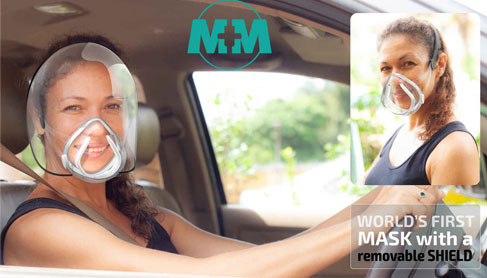
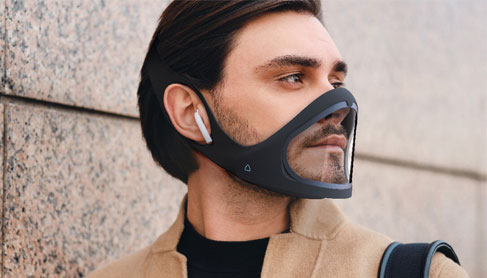
The transparent protective screen allows people, such as those with hearing difficulties, to better understand and to immediately grasp any dangerous information.

24) Reusable Protective Face Mask

The disinfection process occurs when a layer of carbon fibers in the mask is heated using a low current source, such as an electric mobile phone charger. A patent application for this invention has been submitted in the United States.

mask-24
mask-25

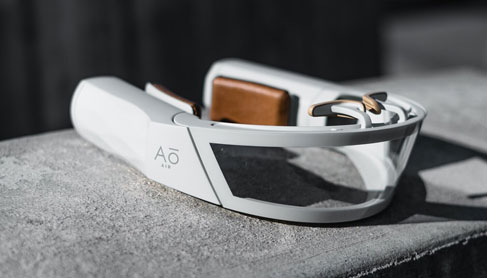
25) The Atmōs

A patent protected no seal solution which is up to 50 times better than market leading sports air filtration masks at stopping particulate matter being inhaled. Connected with phone and can tell you when you need protection.

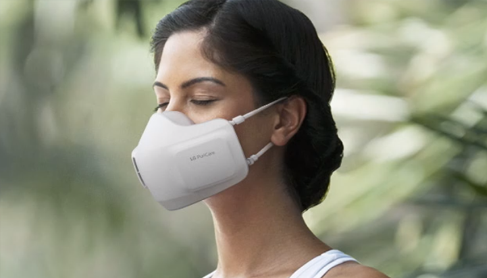
26) LG - PuriCare Wearable Air Purifier

LG’s PuriCare is a smart wearable face mask with three internal fans that purifies the air as you breath. The mask includes dispoable H13 HEPA filters a respiratory sensor that detects and adjusts air flow dynamically.

LG-Air-purifying-face-mask
Share

Have a new face mask innovation idea?

We can help take you from idea to design, prototyping, and volume manufacturing.

Published on: February 27, 2023

Product Design Predictions for 2022

Product Design Predictions for 2022

27 Years Experience

75+ Design Awards

1,000+ Manufactured Products

From Idea to Prototype in as Little as Six Weeks!

Ready to Start?


Climate change, AI and supply chain disruption among trends to heavily influence product design in the years ahead.

 
Feature Article: Design & Engineering Magazine, Winter 2022 – By Kevin Bailey

If there’s one thing we’ve learned from 2020 and 2021 it is that 2 years of unpredictability has changed how we live, work and purchase goods and services. Changes in climate, fears of inflation, global supply chain effects on availability, and a shift in the types and purchasing methods of goods and services consumers want were all contributing factors.

The question here is whether these had any effect on how new products are designed, developed and delivered to businesses and consumers.

Similar to what we saw in 2021, we’ll see technologies evolving to meet consumer demand, which will in turn result in continued shifts in the product design ecosystem throughout 2022.  The world of tech is always evolving, advancements in digital technologies, available next gen components, sensors modules, miniaturization, integration of AI into products, and new sensor choices bring a grab bag of new opportunities and risks to the design world.

For over 30 years, Design 1st has helped guide customers, from entrepreneur to enterprise, through all stages of the product design and development process.  With deep expertise in new tech, usability, component options and risk assessment, Design 1st has developed over 1,000 projects for a wide range of clients, that influence millions of people globally.

Here are predictions the Design 1st leadership team sees taking shape in 2022.

Trend #1: Climate Change

Climate changes will result in product design focus on reducing energy consumption and designing for survivability in more extreme environments

  • “Climate changes and environment conscious re-use will play a more impactful role in new product designs and product life cycles for consumers. We’ve seen legislation in Europe for the “right to repair” and I see the push for repairability gaining more steam in the US increasing product life to reduce energy consumed to produce more product replacements. However, it will be difficult to implement and continue to be so for consumers and after-market repair shops to restore data associated with a ‘connected’ smart device due to inaccessibility to the information and data privacy rights pertaining to the individual, the cloud application and product manufacturer.”  Donovan Wallace, VP, Electronics
  • “Climate change and the push for sustainability will have minimal effect on the immediate product design process. Where we will see dramatic changes is in how products are packaged and shipped. In product design, more emphasis will be placed on using materials that are sustainable and products that can be broken down back to their basic elements. More and more design teams will eliminate the use of components and materials that can’t be recycled or disposed of in a safe and sustainable” James Henderson, VP, Product Design

Trend #2: Mobile Devices Getting Smarter

Advancements in digital technologies will continue to feed the consumer appetite for smart devices and result in product design teams providing faster processing, more in-product AI, more open-source code for faster development, and requiring risk assessment of new components to ensure low-risk reliability and predictable supply.

  • The ongoing increase in functions and size shrink of silicon chips combined with advanced circuit design techniques and further combined with improved efficiencies in batteries will have a compounding effect of enhancing the ease of usability of smart devices for the consumer. Lower energy requirements in smart devices will open the door for photovoltaic renewable energy As an example, onboard and charge station solar cells will begin to play a bigger role in extending the time between charges, reducing the battery anxiety effect most pronounced in first generation IoT products. Recent door alarm sensors use photovoltaic and solar cells to extend battery life. This will lead to a broader base of on-product power consuming applications with increased data processing for smart and connected devices yet to be invented in the coming years.” Donovan Wallace, VP, Electronics

  • “The increase in digitization will continue to accelerate smarter product features at a lower cost from the competing global component manufacturers. This will propel the opportunity for product design teams to leverage these more capable component software and hardware features to help meet personalization and data collection and presentation needs of users in an increasingly mobile world. Designers will also turne to open-source software tools to help speed the development process and cut development” Yih-Shyang Tsai, VP, Embedded Software

  • “With the explosion of IoT devices comes increased network traffic and load on cloud services. Edge devices with intelligence help for the end point devices alleviates this load and provides for a faster consumer experience with greater power efficiencies. Microprocessors with TinyML support and sensors with built-in machine learning core will become more prevalent. Additionally, in 2022 AI and machine learning capabilities embedded into device power management will support greener, smarter energy consumption.” Yih-Shyang Tsai, VP, Embedded Software
  • “IoT product design is evolving wireless device interfaces using audio and visual control convenience as devices become more integrated into people’s homes and lifestyles. Larger product companies that invest heavily in cloud applications and services have been successful in selling the user experience utilizing these end point devices to give consumers a novel way to verbally access and receive data, games and entertainment from the internet (Amazon Alexa, Google home, TV media boxes and game consoles to name a couple). These devices become part of a family dynamic; they are enablers to a whole ecosystem of products that play into convenience and our isolation constraints and communal social I see the term IoT becoming more associated to an industry term for many background data entry points to the cloud and less related to device features.” James Henderson, VP, Product Design

Trend #3: Connected System-Level Products

More system products are being designed and they connect software inside physical products with the cloud. Users want experiences not devices. System products will continue to be harder to design and require diverse skills in the development teams and collaboration between cloud and device design teams.

  • “The pandemic and subsequent shift to isolation and remotely located design team members will continue to propel the use, and availability, of cloud enabled engineering tools in private and cloud managed secure servers to facilitate productive and effective team collaboration environments. I see an increase in the number of sophisticated tool vendors emerging in the market that enable companies to leverage automation and sophisticated technologies like AI in the design process to deliver even better outcomes to customers.” Donovan Wallace, VP, Electronics

  • “A challenge as we shift to a global remote workforce is designing and debugging new products where objects we build and handle lead to size, ergonomics and feature refinements that require an in-person environment with multiple skill team members to resolve. Seeing and feeling objects and engaging with them remotely using touch sensitive gloves and virtual 3D glasses environments are evolving. It will still be some time before they can equal or replace the value of in-person interaction with real products and prototypes. Teams leverage collaborative, easy to use remote tools such as Miro and Draw.io to support remote team and Client engagement, helping them to make decisions as they visualize, sift and sort options together on display screens.” Matt Bailey, VP, Engineering

Trend #4: Supply Chain Disruptions

We’ll continue to see supply chain wobbles that will require different thinking around bringing lower risk to the critical and scarce in-demand part choices during new product planning based on supply predictability instead of going for highest functionality and lowest cost.

  • “The current shortage of critical electrical components is a wakeup call – that it’s time for supplier location rethink. The upset in the balanced flow of parts and goods is having significant consequences on our design process and choices we make with Clients.  The pandemic created a dam in the flow and unpredictable delivery concerns mostly for electronics parts and in the hardware world it is not forgiving, missing one part or a raw material input means not shipping the product.  Material supply and worker disruptions mean manufacturers need additional time to catch up and re-establish good flow after being shut down intermittently. The demand for certain chips is so hot companies must decide on who gets what and large strategic contracts win out over the smaller design services teams.  Companies and design teams will continue to look at alternative supply locations and go back to producing their own critical parts locally with more vertical integration. An example of this would be Apple; they moved away from Intel as their chip supplier to produce their own micros specifically designed for their products” James Henderson, VP, Product Design

  • “With part shortages, design teams will continue to use reverse-system of picking the chips and components first based on predictable supply and select more easily replaceable parts in case supply becomes an issue in 12 months when the products launch. Teams will design the product around those identified chips and components and live with the compromised functions, speed and features that the new product will be deployed with, as it will be a better option than no product being delivered at all.” Yih-Shyang Tsai, VP, Embedded Software

  • “The manufacturing issues caused by the pandemic are affecting many manufacturer selection decisions. Cost of goods, shipping and import taxes dynamics will continue to contribute to the decision-making process as companies decide whether to manufacture a product in North America, China, Mexico or elsewhere. More US companies will select Mexico and local options due to the 25% duty on import imposed recently on China produced goods.” Dave Ingram, VP, Manufacturing

  • “We’ll see more people buy their products directly online with delivery to their homes to avoid the risks of covid impact on on Shipping delays and rising import taxes will continue to shift behaviors to  buying more goods and services locally.” Dave Ingram, VP, Manufacturing
Share

Have a new product idea?

We can help take you from idea to design, prototyping, and volume manufacturing.

Published on: February 27, 2023
Top 7 Hardware Trends to Combat Viruses

Top 7 Hardware Trends to Combat Viruses

27 Years Experience

75+ Design Awards

1,000+ Manufactured Products

From Idea to Prototype in as Little as Six Weeks!

Ready to Start?
combat-vrus

Public health is a top priority in 2022.

Communities and individuals are focused on stopping the spread of harmful viruses. Governments are stepping in to help, offering financial and regulatory support to bring new hardware devices to market fast. 

Companies are contacting Design 1st to support the country-wide health initiative. Here are seven hardware trends we see developing in 2022, including product examples from our clients.

Trend #1: Personal Air Purifiers

airtamer-device-air-filtrat-1-487x278
AirTamer Product Features

Personal hardware devices that filter pollutant’s, allergens and harmful bacteria from air are in high demand. These include small machines and wearable devices that filter air around personal spaces. The hardware uses a variety of technology including electro-static, ionic, HEPA and UV filtration.

One example is Air Tamers – the industry standard for air purification. Launched in 2004, Air Tamers works by transferring an electrostatic charge to micrometre size particles in nearby air.

The device is popular for frequent travelers and was designed by the mechanical team at Design 1st.

Trend #2: Personal Protection Equipment (PPE)

Pre-production prototype of Handsandal

Personal protection equipment helps limit people’s contact with surfaces and environments containing harmful containments. This equipment includes respiratory, hand, mouth, and eye protection products, including those preventing people from touching their face.

Now, a renewed focus on PPE is breathing life into existing products and incentivizing new equipment innovations to limit contact with surfaces.

Handsandal, a simple hardware device, was designed by the Design 1st team to limit contact with surfaces in office settings.

The product effortlessly grips objects like doorknobs, hands, buttons, levers, and rotating surfaces. Allowing for zero-contact interaction in public environments.

Trend #3: UV Light Sanitizers

cleanslate-uv-blog
Mobile Phones UV-C Light Sanitizer

UV-C light sanitizers have seen a surge in demand in 2020. These devices use short-wavelength, ultraviolet light to break apart bacteria, germs and containments destroying pathogens. If you’ve ever had a bad sunburn, you understand the power of UV light.

CleanSlate UV is a Canadian example of a professional UV Light sanitizer system. The Toronto-based company produces a medical grade UV Light Sanitizer device that eliminates pathogens on mobile devices and personal items.

The device allows hospital staff, patients and visitors to sanitize personal items to reduce the spread of infection.

Trend #4: Portable Sanitation Stations

3D Rendering of WashSense Dispenser

As we face the new normal brought on by COVID-19,having better access to personal sanitizing stations will be critical. Workplaces, public venues and schools will all need to rethink their approach to keeping hands clean in their spaces. This will require a new wave of innovation in sanitization stations that go beyond the standalone disinfectant dispersers common today.

One example of a creative sanitization solution is WashSense, a smart handwashing monitor. The California hardware startup monitors and educates users on how to wash their hands correctly, giving them a score out of 100. The point-of-care device provides feedback to facility staff and has reduced infection spread by 30 per cent in assisted living and health care facilities.

Trend #5: Cashless Pay Stations

donation-station
Portable Cashless Donation Station

The decline of cash transactions is accelerating. Consumers are more likely to carry credit or debit cards for both convenience and to prevent the spread of viruses. This trend is pushing many payment providers into the hardware space as they develop new contactless pay stations, devices and kiosks.

In the charity space, Toronto-based Aviro offers several solutions to help merchants and charities collect payment without exchanging cash. Their KwikGive device is a stand-alone donation box that makes cashless fundraising happen.

In the charity space, Toronto-based Aviro offers several solutions to help merchants and charities collect payment without the exchange of cash. Their KwikGive device is a stand-along donation box that makes cashless fundraising happen without exchange of coins or bills.

Trend #6: Remote Patient Monitoring Hardware

lifepod-virtual-caregiver
Functional Prototype of Original LifePod

Limiting patient contact in healthcare facilities is critical to stop the spread of infections. A major trend offering to help limit exposure is remote patient monitoring. This includes devices that monitor vital signs, provide caregiving services and conduct medical evaluations.

LifePod helps seniors access healthcare and social interaction in a home setting. The voice-activated devices allow remote caregivers and families to get regular updates on the well-being of loved ones. Design 1st helped move the device from idea to functional prototype. You can learn how here.

Trend #7: Contactless Vital Sign Monitoring

vvvital-arc-devices-remote--464x278
ARC Medical: Wireless Thermometer

In healthcare settings, limiting contact with patients is a top priority. Taking accurate readings of patient’s vital signs without contact slows the spread of viruses. Devices that do this allow clinicians a safer interaction with patients.

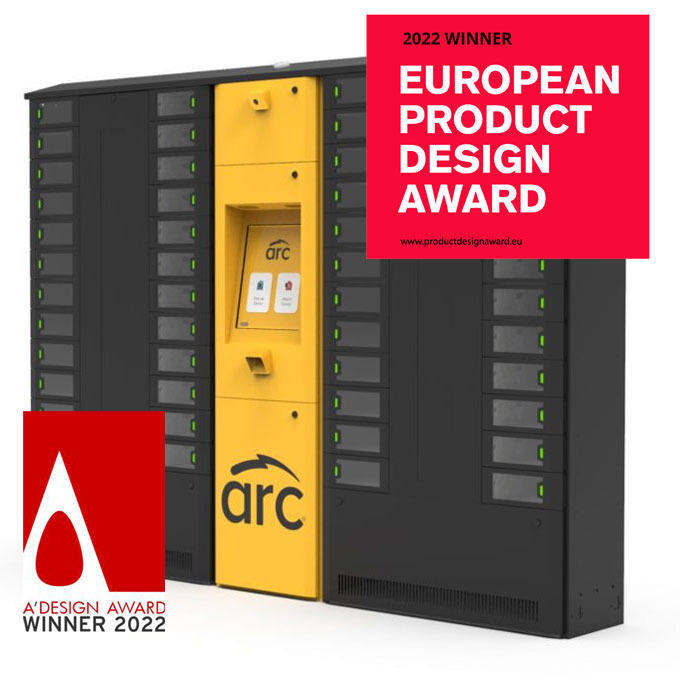
Design 1st client ARC Devices Inc. has developed several connected devices that measure vital signs including pulse, temperature and blood pressure. These devices allow healthcare professionals and patients easy access to vital sign information.

Share

Working on hardware to stop the spread of viruses?

We can help take you from idea to design, prototyping, and volume manufacturing.

Published on: February 27, 2023

The Benefits and Risks of the JD Shopify Partnership for E-Commerce Merchants

The Benefits and Risks of the JD Shopify Partnership for E-Commerce Merchants

27 Years Experience

75+ Design Awards

1,000+ Manufactured Products

From Idea to Prototype in as Little as Six Weeks!

Ready to Start?

The new Shopify and JD.com partnership is exciting news for Shopify merchants.  The partnership deal makes the challenges of selling goods to the Chinese market much easier.

Shopify merchants can add the official JD.com app from the Shopify Marketplace and begin selling to Chinese customers in under four weeks.

Here is what you need to know to get started selling on JD.com:

1) What is JD.com?

JD (Jingdong) is one of the largest e-commerce marketplaces in China with 550 million active customers. JD runs a warehouse fulfillment network similar to Amazon Prime FBA (fulfillment by Amazon) that includes over 500 warehouses and 7000 delivery stations spread across China. 

In 2016, JD.com launched “JD Plus” premium membership which functions similar to Amazon Prime and includes free shipping plus members benefits.

The key difference between JD.com and Amazon.com is JD’s focus on last-mile logistics. JD delivers the package to consumers’ residences, whereas Amazon relies on third-party logistic providers.

2) What is Shopify?

Shopify runs the world’s largest e-commerce platform with over  1.6 Million merchants including individuals, startups, and large retailers that sell physical goods to consumers online. Shopify’s e-commerce platform allows you to launch, advertise, manage and grow an online store to sell physical products.

Shopify platform features include website builder, hosting, payment processing, shipping services and provides a website, hosting,  payment processing, shipping services, and an Apps marketplace with over 6000 apps to easily add features to your store.

3) How does the JD Shopify Partnership benefit merchants?

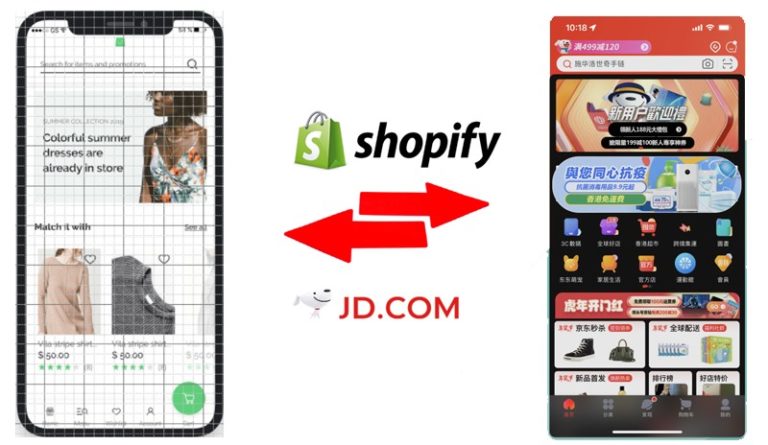
shopify-jd-partnership-768x445

The current process for North American merchants to sell in China is challenging. It can take over 6 months to complete the JD.com onboarding process and require significant legal, logistic, and translation costs.

The new JD-Shopify partnership aims to speed up the JD on-boarding time to four weeks.

Key benefits of the partnership for North American Shopify stores include:

  • Automated store creation plus content translation
  • Automated Price Conversion
  • No setup or recurring fees
  • Access to JD Worldwide (JK.hk) Platform with 500,000 active customers
  • Ship products direct to JD.com California warehouse (No China customs/duties challenges)
  • Simplify the process for  importing goods to China:
    • Sellers will ship goods to the California JD warehouse, where JD cargo flights will move the goods from US to China
  • Access to JD Sourcing:
    • North American sellers can add existing products sold on JD.com to their Shopify stores and JD will drop ship them to customers

Note: At this time your Shopify business must be registered in the United States to use the Shopify/JD.com partnership.

4) Three Ways to Start Selling on JD.com

JD.com has three partnership models for companies to sell goods on the JD platform including:

  1. Direct Sales: (Global brands with presence in China)
  2. Marketplace: (Shopify Partnership)
  3. Worldwide: (Global brands outside of China)
Partnership ModelRequirementsTimeLine to LaunchType of CompanyFee + Payment
Direct SalesExisting China Business Operations
Products Already Inside China
China Trademark Registration Certificate
Bank Account in China
Pass JD.com Application Process
All Product Info and Customer Service in Chinese
3 – 6 Months +Established Global Brands
Existing Business Operations in China
Manufacture Product in China
Payment to China Bank
Annual $1K USD Fee
15K-30K USD Deposit Sales
Commission: 2 – 8 %
Product Sale Fee Formula:
(Price + Logistics Fee) * commission%
Marketplace (Shopify Intergration)Local Country Business License
USD Bank Accounts
Proof of Product Ownership (Brand Trademark)
3 – 4 WeeksShopify Merchants
Hardware Startups
Small Consumer Product Brands
No access to Chinese Translation
Payment to USD Bank
Free to Register/Apply
No Recurring Fees Sales
Commission: 2 – 8%
Fee Formula:
(Price + Logistics) * Commission
WorldwideInternational Brand (Not Startup)
USD Bank Account
Proof of Brand Ownership
Brand Not Launched in China
All Product Web Descriptions and Customer Service in Chinese
3 – 6 Months +Global Brands
No Existing Presence in China
Payment to US Bank
Annual $1K USD Fee
15K-30K USD Deposit Sales
Commission: 2 – 8 %
Product Sale Fee Formula:
(Price + Logistics Fee) * commission%


Note: Full details on each of these partnership models can be found on JD.com/partners

5) What are the risks of joining JD through the Shopify Partnership?

china-legal-risks

The ease of setup on the JD.com network for Shopify sellers does not take away the existing legal risks of entering the Chinese market. To be successful in the long-run, Shopify merchants still need a strong legal footing to navigate intellectual property and business risks.

Tainpeng Wang, CEO of China legal services marketplace Trustiics, put together an article on the major risks the JD-Shopify partnership sellers will face entering the Chinese market. The three risks sellers must be aware of include:

  • Existing Trademark Registration by Chinese Company:
    • Use a Chinese lawyer to check whether an existing China-based company has registered any of the trademarks tied to your brand. Worst case – a third-party can stop you from using your own brand name
  • Protect Your Brand by Filing File Trademark Application:
    • China adopts the same system of trademark classifications US, Canada, EU etc.
    • To protect your brand from being copied, it’s critical to file trademark applications when entering the Chinese market
  • Taking Legal Action on Trademark Infringement:
    • If you discover a trademark application by a third party for your brand you need to take legal action to oppose or invalidate the filings

If you are pursuing entry into the Chinese market, it’s always helpful to contact a Chinese business lawyer to understand what risks you face. The market opportunity in China for North American sellers is large but so are the risks.

6) How to sell on JD.com using Shopify?

Selling on JD.com using the Shopify App called “JD Marketplace” is easy. The best part? It’s free.

Here are the steps to get started:

  1. Login into your Shopify store, go to the Apps marketplace
  2. Search for “JD Marketplace”
  3. Install the App and the follow the application steps

Note: The JD Marketplace App is only available to Shopify merchants who have an address in the United States. If your business is in another country, you will need to apply using one of the other JD.com partnership models

Share

Have an idea for selling through JD-Shopify?

We can help take you from idea to design, prototyping, and volume manufacturing.

Published on: February 27, 2023

The 6 Types of Prototyping Every New Product Must Do

The 6 Types of Prototyping Every New Product Must Do
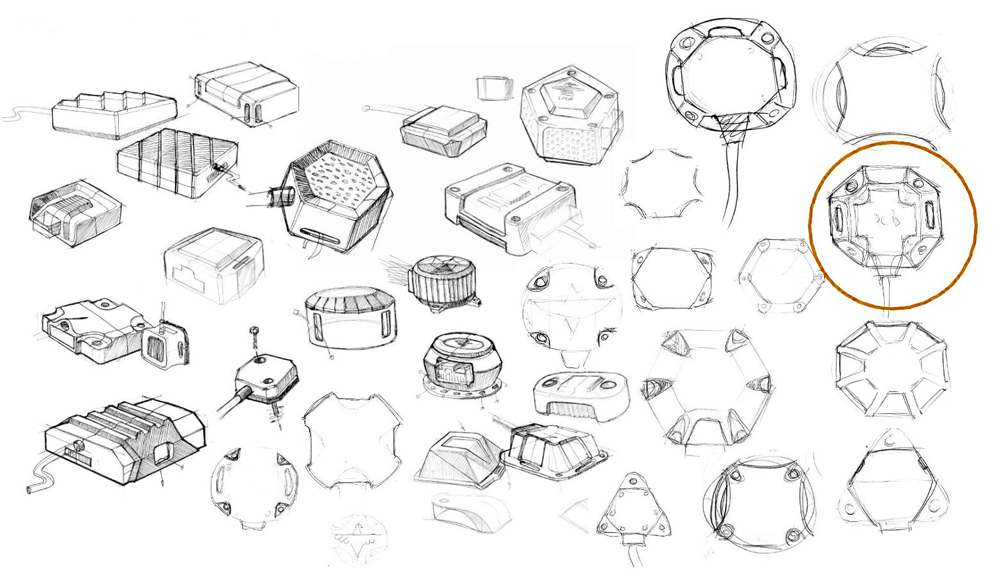
Building a hardware product prototype is a critical element in product design.
Prototypes provide early market feedback, gives you early insight into necessary design changes, and helps teams minimize risk at every stage of the product development lifecycle.

Done right, prototyping helps remove design risks and leads to successful product outcomes.

Here are the 6 types of prototypes every successful physical product design goes through:

6 Types of Prototypes Every Product Must DO

1. Concept Sketch Prototype

This is where product concepts meet their first real test. You are moving the product idea from your mind to paper – or computer. This can start with simple 2D Sketches or evolve into basic geometry 3D computational modeling.

Purpose: To provide quick visual solutions of possible ideas that can be shared with others for feedback.

At Design 1st, every project starts with some form of concept sketching. The output is shared with the team and reviewed to both eliminate and conceive of new solutions.

Here are several concept sketching examples of recent projects.

iot-device-concept-sketches
Personal Security Wearable
wevibe-design-sketches
Personal Security Wearable
uplift-concept-sketches-1
Electronic Seat Assist
safe-exract-concepts-1
Electronic Seat Assist

2. Bench Models Prototype

After a concept direction is chosen, a bench model prototype is built. This prototyping method can take many forms including virtual test models, foam mockups and custom built mechanisms. What variations you choose depends on what you need to test.

Purpose: To get an answer as quickly as possible prior to design implementation.

Depending on the project, we create a variety of bench model prototypes to test ergonomic form features, de-risk complex mechanisms, evaluate technology and get immediate user feedback. The inputs received are extremely valuable and can help accelerate product development and validate design direction.

lidar-functional-prototype
LiDAR Mining Technology
Mining Sensor Technology
Nanomaterial Humidifier
BlueSLR-Prototype
GPS Dongle for SLR Camera
Colour-Teller-Manufacturing
Color Detection Device
BDS-sex-toy-SLA-prototype-m
Personal Massager

3. Fully Functional Rapid Prototype

This type of prototype is where the final production solution begins to take form. All proposed design features are prototyped including structural components, electronics integration and basic user interface. The result is a physical model that matches the size, function and interaction of the final production. 

Purpose: To test and verify the fully-functioning physical product.

At Design 1st, we use a variety of rapid prototyping methods to create full functional models. These include 3D Printing, SLA and CNC Machining for physical models and open-source platform and OTS (off the shelf) evaluation board configurations.

It is important to note that although the physical device functionality is seen as production intent, the actual operation technique may differ due to convenience or relevance to test outcome.

Safe-Exract-Hero (1)
SafexTract - Smart Mining Helmet
BattleBots
fan caframo parts manufacture
High Power Marine Fan
lidar-prototype-device
Naptec - LiDAR Detection
Connected NHL Scoreboard
Commercial Smart LED Lights

4. Visual Model Prototype

Building a visual model prototype allows you to represent the proposed production-intent product options regarding colour, material, and form. This prototype model can be helpful for early marketing purposes including crowdfunding, product packaging, and video shoots.

Purpose: To demonstrate the final product look, material, and form.

Most often the visual model prototype is non-functional or allows for controlled, minimally functional, demonstration features. This helps reduce cost and time while achieving the desired results of matching the final product look.

wearable tech breathe necklace
Connected Mindfulness Wearable
instantel-vibration-sound-analyzer
Explosion Vibration Monitoring
Smart eInk Whiteboard
Underwater Hydroelectric Generator
Connected Toddler Monitoring
Neptec-LiDar-Mining-Device
Mining Obstacle Detection

5. Pre-Production 'Alpha' Full Prototype

The Alpha Prototype is usually a single device made using rapid prototype techniques. The physical parts are 3D-printed, CNC machined or cast using production intent geometry. Depending on the product, production processes may be needed to produce parts that cannot be rapidly prototyped due to material, manufacturing or supplier complexities. 

For electronics, PCB (printed circuit boards) are produced in low volume using production processes to evaluate and debug surface component assembly, schematic and layout. Custom firmware is ready for initial upload and testing procedures. This includes critical function software features, secondary features may be implemented later without issues.

Purpose: Validate and verify the function, look, and production process of the device.

While the primary purpose is to validate the final production-level product, this prototype may also be used for user-testing including clinical trials for medical devices.

Underground Mining Camera
Explosion Vibration Monitoring
Electric Seat Assist
Hydroelectric Generator
Smart Vital Sign Monitor
prototype-parts-camera-cinema
Commercial Cinema Projector

6. Manufacture Phase - Production Prototype

This is the final prototype made before volume production begins. All components of a particular product are assembled using parts that are produced using mass production methodologies. The final assembled products are tested in line to ensure the proper functionality of critical features.

Purpose: The final validation check before volume production of the product.

Quite often, these first, off the line, products are user-tested in the field under real-world applications. Select customers are chosen to give feedback regarding the product’s functional effectiveness and reliability. While the product assembly process is evaluated and optimized during this phase using the quality control (QC) guideline procedure.

After this prototype is completed and tested, a new product is ready for mass production and market!

Marine Hatch Fan
Smart Sump Pump Monitor
Medical Neuromodulation Device
Smart Toddler Monitor
fantasy-score-board-product
Connected NHL Scoreboard
Telematics GPS Unit
Share

Have a new product idea?

We can help take you from idea to design, prototyping, and volume manufacturing.

27 Years Experience

75+ Design Awards

1,000+ Manufactured Products

From Idea to Prototype in as Little as Six Weeks!
Ready to Start?

Published on: February 27, 2023