
Is your product idea feasible?
There are 5 quick checks you can explore related to feasibility. We provide AI tools that take only minutes to run, specifically created to organize your thinking around feasibility.
Feasibility can be:
-
Technical feasibility — is the engineering possible? The design features? The physics?
-
Market feasibility — do the product cost, price and target buyer lead to the revenue stream needed to make the project worth chasing?
-
User value feasibility — will the new product fit the intended user need, give them new value, will they feel it's worth changing how they perform the task today?
-
Financial feasibility — are you able to find funding, and have a good idea of the costs needed to get the idea to market and first sales?
-
Supply feasibility — can you find a reliable partner with the experience, the process and the willingness to take risk to build your idea — in the volumes you expect to sell yearly?
The phrase aim before you shoot
is wise advice.
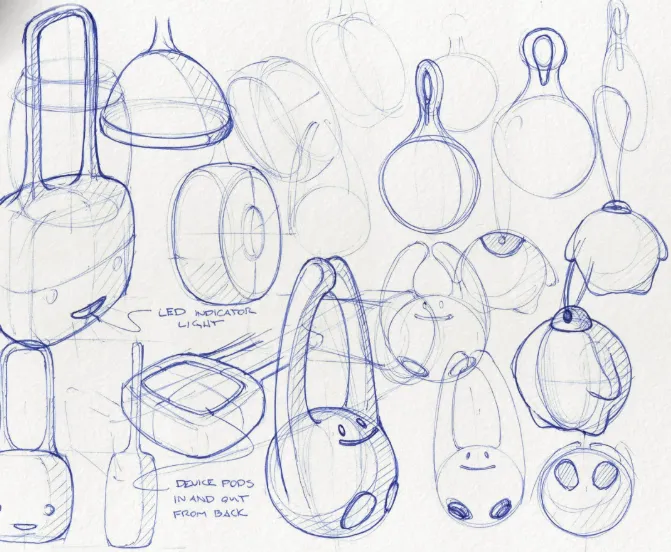
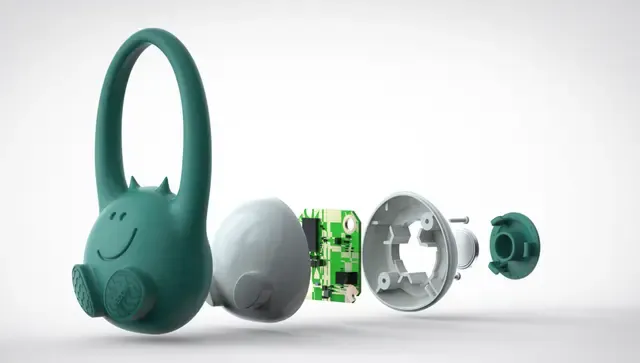
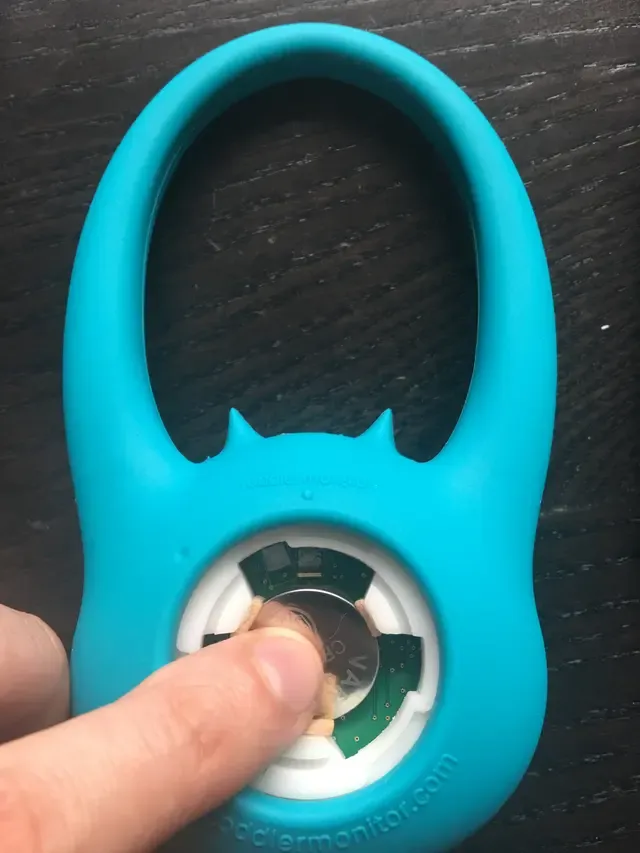
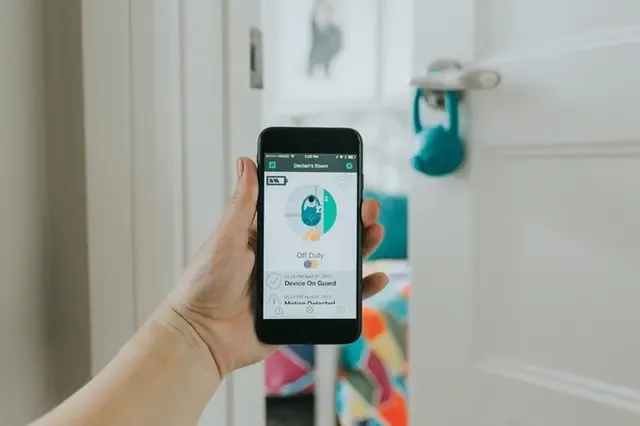
We recommend you try these feasibility analysis tools to explore, capture and prioritize areas of opportunity and risk. In the concept design stage, if you organize information in advance of selecting a design partner, it speeds up the development. If you prefer, we can assist you in a quick and comprehensive first pass of the feasibility data capture, using our customized AI research tools.
Each AI tool is free to use, takes minutes rather than weeks to get the first draft. Make sure to edit all missing or incorrect information. These documents give you something you can hand to a design team to save time and money – no account needed.
since 1996
Need an Experienced Product Development Team?
Our integrated team takes products from concept through manufacturing, ready for first customer sales.


What happens next
The checks above are step zero — organising your requirements, which is the part you can do today without talking to anyone. These are the five steps from there to a project.


- 1 Book Meeting
- 2 Sign NDA and Intro Call
- 3 Technical Project Review
- 4 Get Budget
- 5 Start Project
Questions people ask first
Short answers. Each check works yours out in particular.
How do I know if my product idea is feasible?
Feasibility for a physical product has five sides. Technical: is the engineering possible, and the physics. Market: do the cost, the price and the target buyer add up to a revenue stream worth chasing. User value: will the product fit the need well enough that people change how they do the task today. Financial: can you find funding, and do you know what getting to market and first sales costs. Supply: can you find a partner with the process and the willingness to build it in the volumes you expect to sell. Each of the six checks on this page works on one of them in minutes, free, without an account, and gives you something you can hand to a design team.
How much does it cost to develop a new physical product?
It depends almost entirely on complexity. Design 1st places a product on a 1 to 9 complexity matrix from its mechanical and electronic design, its regulatory path and whether it needs an app, then derives an effort range in person weeks and a cost band from that level. A simple single-material product sits at the bottom of the scale; a connected medical device sits at the top. The budget estimator does this from a description of your product and shows the level it chose and why.
How long does it take to develop a product?
A mid-complexity product typically needs more than six months of elapsed development before manufacturing set-up, and roughly four months after it to prepare for volume production. The budget estimator states the elapsed time for the complexity level it places your product at, alongside the effort in person weeks, which is a different number: effort is how much work there is, elapsed time is how long it takes with a team working on it.
How do I size the market for a hardware product?
Start from TAM, SAM and SOM — the total market, the part of it you could serve, and the share you could realistically win — and keep the source for every figure so the numbers can be checked. The target market check researches those live on the web and cites them, then profiles the buyer for each sales channel you plan to use, because a distributor buying on margin and volume is not the same customer as a shopper buying on reviews and price.
What grants and funding are available for hardware startups in Canada and the US?
There are local, national and international programmes, and which ones fit depends on your industry, your location and how far along the product is. The funding check searches for them, says how realistic funding is at your stage, and returns each source with its investment type, the amount where the programme publishes one, a match rating against your profile and a link to the programme, plus the government tax credits and incentives worth claiming. It covers Canada and the United States.
Do I need a PRD before I approach a design team?
It is the cheapest way to avoid paying an engineering team to guess. A product requirements document states what the product must do and what constrains it — commercially, technically, and for regulatory approval — so that scope and cost can be estimated against something real. The requirements check drafts one from a description or from documents you already have, and flags every requirement it inferred rather than read, so you can see what still needs validating.