Category: Blog

Guide to Developing Products with Ultrasonic Wear Sensors

Guide to Developing Products with Ultrasonic Wear Sensors

Ultrasonic wear technology is revolutionizing how we maintain and monitor industrial machinery, employing advanced sensors to peer into the heart of equipment without ever needing to take it apart.
 
By leveraging the principles of ultrasonic testing (UT), these sensors provide crucial data that help prevent equipment failure, ensuring operational efficiency and enhancing safety across various industries.

Table of Contents

What are Ultrasonic Wear Sensors?

Ultrasonic wear sensors utilize high-frequency sound waves to detect abnormalities in materials or components, making them an indispensable tool in predictive maintenance strategies. They are especially useful in environments where precision and early detection of wear and tear can save significant resources.

  • Principle: These sensors operate based on ultrasonic testing (UT), a non-destructive testing technique that uses sound waves to detect material inconsistencies.
  • Utility: Primarily used in heavy machinery, these sensors are key to timely maintenance, helping avoid costly downtimes and equipment failures.
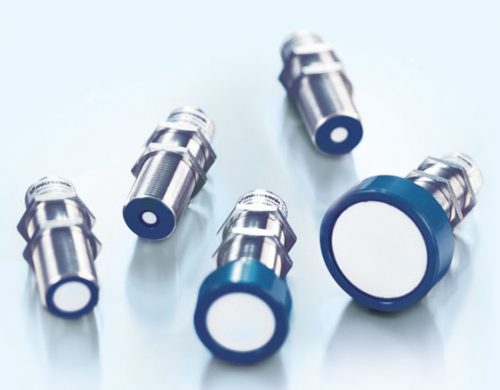
five ultrasonic wear sensors of different shapes and sizes

Why use Ultrasonic Wear Sensors?

Incorporating ultrasonic wear sensors into maintenance strategies not only extends the lifespan of equipment and ensures operational safety but also seamlessly integrates into physical products. This integration allows for real-time health monitoring of machinery, providing immediate insights without disrupting ongoing operations.

  • Seamless Integration: Ultrasonic wear sensors can be embedded directly into machinery and components, offering real-time monitoring without the need for manual inspection.
  • Proactive Maintenance: Their ability to detect early signs of wear enables proactive maintenance, drastically reducing the likelihood of unexpected downtime.
  • Safety Enhancement: The early detection capabilities of UT sensors contribute to a safer working environment by preventing equipment failures before they can cause accidents.

How Ultrasonic Wear Sensors Work

ultrasonc-wear single

Ultrasonic wear sensors work by sending out and interpreting sound waves to assess the condition of machinery without needing to touch it. Here’s a breakdown of how they do it:

  1. Emitting Sound Waves: The sensors produce high-frequency sound waves that are too high-pitched for us to hear, which can deeply penetrate the material under observation.
  2. Wave Interaction and Reflection: When these sound waves hit an irregularity, like wear or cracks, they bounce back to the sensor.
  3. Capturing and Analyzing Signals: The sensor picks up these bounced-back waves and uses advanced analysis to figure out the material’s health or thickness.
  4. Making Maintenance Decisions: By regularly or continuously checking the data, the system identifies when the wear reaches a critical level, signaling it’s time for maintenance.

Example UT Sensors in Heavy Mining Equipment

Big Dump Truck truck bulldozer vehicle

A practical application of ultrasonic wear sensors can be seen in the mining equipment industry, where heavy machinery like excavators are subject to intense wear.

Here’s how it UT wear sensors work with an excavator’s bucket, which often wears out:

  • Placement: An ultrasonic wear sensor is attached to the bucket’s edge, which is a part that gets worn down a lot.
  • Monitoring: This sensor sends out sound waves into the bucket’s edge to keep track of how thick it is and if it’s still in good shape while it’s being used.
  • Detection: The sensor figures out how worn the bucket is by looking at how long it takes for the sound waves to bounce back. The longer it takes, the more worn the bucket is.
  • Alerts: If the bucket wears down to a certain point, the sensor system will let the operators or the maintenance team know that it’s time to fix or replace the bucket before it gets too damaged.

Types of Applications for UltraSonic Sensors:

Ultrasonic wear sensors find applications in a variety of industries, demonstrating their versatility and effectiveness in monitoring equipment health.

  • Construction Equipment: Ultrasonic wear sensors are crucial for monitoring the integrity of construction equipment like crane cables and bulldozer tracks, preventing accidents and ensuring project timelines are met.

  • Mining Equipment: These sensors are used to keep an eye on the wear and tear of mining drills and earthmover tires, helping to avoid costly downtime and ensuring the safety of mining operations.

  • Medical Devices: In healthcare, ultrasonic wear sensors ensure the reliability of life-saving medical devices, such as heart pumps and diagnostic machines, by monitoring their condition for early signs of wear.

  • Smart Agriculture: Farmers use these sensors to predict maintenance for tractors and combine harvesters, optimizing harvest times and reducing the risk of machinery failure during critical agricultural operations.

  • Food Processing: In food processing plants, sensors monitor the wear on cutting blades and mixing equipment, crucial for maintaining food safety standards and production efficiency.

  • Marine Industry: These sensors play a vital role in detecting hull thinning and corrosion in ships and submarines, ensuring vessel integrity and safety at sea.

  • Rail Transport: Ultrasonic wear sensors are key to maintaining rail safety, used for inspecting the wear and cracks in train wheels and rail tracks, preventing derailments and ensuring smooth operations.

Limitations of Ultrasonic Sensor Technology:

ultrasonic-wear-sensor-failure

While ultrasonic wear sensors offer significant advantages, they also come with limitations that must be considered.

  • Surface Prep: They require clean, smooth surfaces for accurate readings, challenging in rough environments like mines or construction sites.
  • Skilled Interpretation: Data analysis demands expertise in ultrasonics, scarce in remote or technologically underserved regions.
  • Material Limits: Not effective with materials like certain composites or highly porous substances due to sound absorption issues.
  • Cost Barrier: High initial and maintenance costs make them a steep investment, particularly for smaller entities.

As an alternative, Electromagnetic Acoustic Transducer (EMAT) technology offers a solution that bypasses some of these challenges, such as the need for direct contact or extensive surface preparation, potentially providing a more versatile and less labor-intensive option in certain applications.

Ultrasonic wear sensors are transforming the landscape of industrial maintenance, offering a proactive approach to equipment management. Despite their limitations, the benefits they provide in terms of safety, efficiency, and cost savings make them an invaluable tool in the modern industrial sector.

Share

Working on a new device integrating Ultrasonic Sensor Technology?

We can help take you from idea to design, prototyping, and volume manufacturing.

27 Years Experience

75+ Design Awards

1,000+ Manufactured Products

From Idea to Prototype in as Little as Six Weeks!
Ready to Start?

Published on: November 1, 2025

10 Steps to Finding a Manufacturer for your Product

10 Steps to Finding a Manufacturer for your Product

Estimated Reading Time:

At Design 1st, we’ve developed a proven approach to finding reliable manufacturing partners for our clients’ products. While we offer comprehensive manufacturing support services, we understand that some entrepreneurs prefer to conduct their own research.

Here’s our expert-guided process for sourcing manufacturers, refined through helping hundreds of inventors and startups bring their products to market.

Kickstart Your Manufacturer Search Here:

Start your search for manufacturers by exploring reputable platforms and directories to find suppliers. Here are five we recommended, with instructions on how to use:

  1. Panjiva: A comprehensive platform offering insights into global supply chains, enabling you to identify potential manufacturers and suppliers worldwide. Utilize detailed search filters to streamline your sourcing process and find the right partners for your project.
  2. Alibaba: One of the largest online marketplaces connecting buyers with manufacturers from around the world. Use filters to narrow down your search based on location, product type, and other criteria.
  3. ThomasNet: An extensive database of manufacturers and suppliers across different industries. Filter search results by location, capabilities, certifications, and more.
  4. MFG Manufacturer Marketplace: MFG’s database consists of manufacturing companies offering services such as machining, fabrication, and injection molding.
  5. Kompass: A global business directory offering access to a wide range of manufacturers, distributors, and service providers worldwide.

By utilizing these platforms, you can expand your search and discover a diverse range of manufacturing partners to suit your specific needs and requirements.

Next, follow these 10 steps to vet and select the best manufacturers you've found:

1. Build a list of potential manufacturers

Compile a list of potential manufacturers by conducting thorough research and utilizing online resources like Google and industry-specific directories. Seek out manufacturers aligned with your product requirements, such as those specializing in sustainable materials and production processes, to ensure compatibility with your vision. Additionally, leverage your network to gather recommendations and insights from industry professionals.

For instance, if you’re developing a new line of eco-friendly kitchenware, search for manufacturers specializing in sustainable materials and production processes.

2. Define Your Product Requirements

Clarify your product specifications, including materials, dimensions, and production quantities. Provide detailed briefs or reference materials to ensure alignment with your expectations. The more detail and information you have about your product requirements, the more efficient the manufacturing process will be.

If you’re designing a high-performance electric bicycle accessory, specify the desired materials, dimensions, and compatibility requirements to streamline the manufacturing process.

3. Assess Manufacturer Capability and Capacity

Evaluate each manufacturer’s capabilities and capacity to determine their suitability for your project. Inquire about their experience, production processes, and quality control measures.

Will the manufacturer do a low-volume production run so you can test the product quality and process? Do you have to invest significant capital in tooling and setup before production? Weigh the risks carefully. For complex products having a manufacturing partner with existing relationships can get you up and running faster and cheaper.

For instance, if you’re developing a custom-designed portable fan, ensure the manufacturer has the necessary expertise and equipment to handle complex electronic assemblies and testing procedures.

4. Request Manufacturer Quotes and Proposals

Reach out to shortlisted manufacturers to request quotes and proposals. Seek clarity on pricing, lead times, and minimum order quantities. Compare the offerings of different manufacturers to identify the best value proposition for your project.

Consider factors such as cost, quality, and flexibility when evaluating proposals. What assurances are in place that you will receive a quality product? Are there minimum production volume requirements?

For example, if you’re launching a new line of premium leather accessories for smart watches, request quotes from manufacturers specializing in high-quality leather craftsmanship. Do not go to manufacturers without significant leather experience.

5. Conduct Due Diligence on Suppliers

Perform thorough due diligence on potential manufacturers, verifying their credentials, certifications, and track record. Check for any red flags such as past disputes or negative reviews. Look for references and testimonials from previous clients to gauge their reputation and reliability.

A reputable manufacturer with a proven track record is more likely to deliver quality results and adhere to deadlines. If you cannot find any information confirming the quality and trustworthiness of a manufacturer, reach out to brands they have developed products for, ask for reviews. Or engage a manufacturer support expert to help.

6. Visit Facilities or Conduct Virtual Tours

If feasible, arrange visits to the facilities of your top manufacturing candidates or conduct virtual tours to assess their operations firsthand. Observe their production processes, equipment, and workforce to gain insights into their capabilities and working conditions. Pay attention to factors such as cleanliness, organization, and compliance with safety standards.

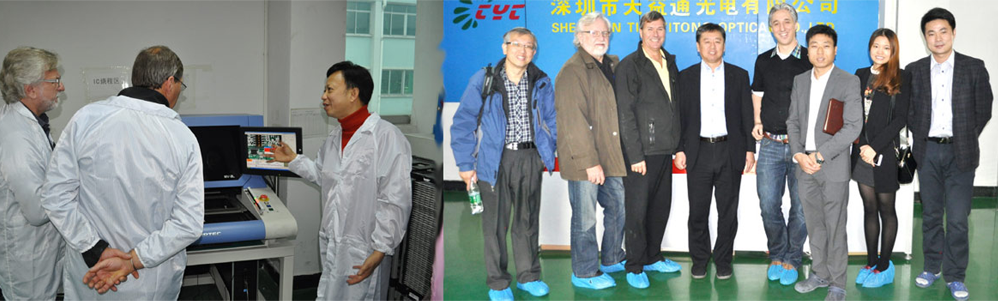
For example, if you’re outsourcing the production of solar battery devices, visit the manufacturer’s workshop to assess their techniques and quality control measures. Design 1st often tours potential suppliers and manufacturing companies alongside clients to meet teams face-to-face.

design-1st-manufacturing-pa
Image: Design 1st staff and clients meeting with suppliers in China

7. Negotiate Terms and Contracts

Engage in transparent negotiations with chosen manufacturers, discussing terms such as pricing, payment schedules, and intellectual property rights. Clearly define expectations and responsibilities to avoid misunderstandings later on. Negotiate terms that are fair and mutually beneficial, taking into account factors such as volume discounts, payment terms, and exclusivity agreements.

For example, if you’re partnering with a manufacturer to produce a new line of branded apparel, negotiate licensing terms to protect your brand’s intellectual property rights.

8. Develop Prototypes and Samples

Collaborate with manufacturers to develop prototypes and samples of your product. Evaluate quality, functionality, and aesthetics before proceeding to full-scale production. Iterative prototyping allows you to refine your design and address any issues or concerns early in the process. Seek feedback from stakeholders and make necessary adjustments to ensure the final product meets your requirements.

If you’re launching a new line of products, it is crucial to work closely with the manufacturer to prototype and test different design iterations until you achieve the desired functionality and user experience.

heatstone proto build test
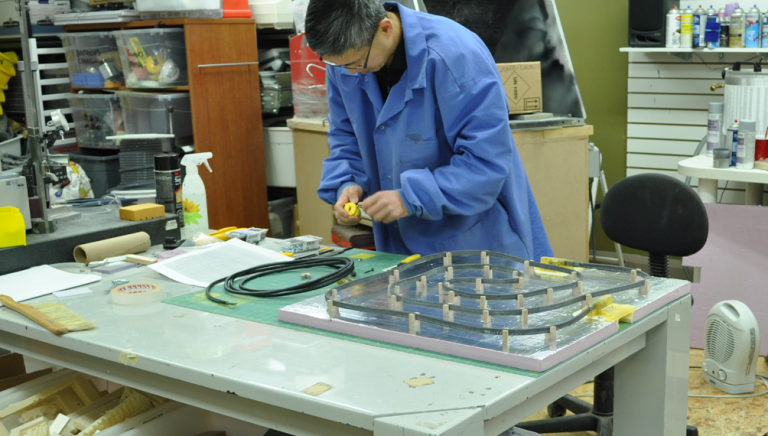
Image: Design 1st engineer testing electrical heating patio stones

9. Consider Geographic Location and Logistics

Take into account the geographic location of each manufacturer and how it may impact logistics, shipping costs, and lead times. Consider factors such as proximity to raw materials, transportation infrastructure, and potential trade restrictions.
Opting for a manufacturer located strategically can help streamline production processes, reduce shipping expenses, and ensure timely delivery of your products.
If you want your product to be “Made in the USA” consider what mix of parts, assembly, and manufacturing allows for it to be “made in the USA”. Can you import parts, components, and materials to a USA manufacturer for final assembly?


10. Establish Long-Term Relationships

Cultivate long-term relationships with your manufacturing partners based on trust, communication, and mutual respect. Maintain open lines of communication and collaborate on continuous improvements to optimize efficiency and quality. Regularly review performance metrics and address any issues or concerns proactively. A strong partnership with your manufacturer is essential for the success and sustainability of your product.

For example, if you’re launching a new line of consumer electronics, foster a collaborative relationship with the manufacturer to facilitate ongoing product enhancements and updates based on customer feedback and market trends.

By following these ten steps, you can navigate the process of finding the right manufacturer for your product idea with confidence and clarity. Remember to approach each step thoughtfully and strategically, prioritizing factors such as quality, reliability, and compatibility with your vision and values. With diligence and determination, you can forge a successful partnership that brings your product to market and sets the stage for future growth and innovation.

Share

Need help manufacturing your product idea?

We can help take you from idea to design, prototyping, and volume manufacturing.

Published on: April 11, 2025

How to Sell Your Invention to Canadian Tire

How to Sell Your Invention to Canadian Tire

Canada’s iconic “we-sell-everything” retailer, Canadian Tire, is launching thousands of new products, relying on local inventors who understand the market, weather, economy, and unique needs of Canadians to fill the gap, embodying its mantra “Tested for life in Canada.”

Highlights:
  • Canadian Tire is actively seeking new innovative products to enhance its portfolio, focusing on the Canadian lifestyle.
  • Private-label brands are central to Canadian Tire’s strategy, emphasizing unique innovations exclusive to the retailer.
  • A new straightforward process for inventors and companies to bring their products to the Canadian market through Canadian Tire
  • Design 1st – Canada’s largest product team, helps inventors develop their ideas for volume manufacturing for partnerships with Canadian Tire
inside canadian tire edmonton showcase store display of products
Image: Canadian Store in Ottawa, Ontario

What Types of Products is Canadian Tire Looking For?

Canadian Tire seeks products that address the unique challenges of Canadian living, from the harsh winters to the diverse outdoor activities enjoyed across the country. If your invention simplifies daily life, increases safety, or adds enjoyment in a distinctly Canadian way, it could be the perfect fit for Canadian Tire. 

Tip: Explore Canadian Tire’s “Consumer Brands” division webpage to explore all the in-house brands Canadian Tire currently sells. Will your product fit into one of these? What is missing? Build a story angle that showcases your product’s value.

Image: Canadian Tire Consumer Brands

Why Should Inventors Care?

Partnering with Canadian Tire offers a transformative opportunity for your invention, turning it from a concept into a household name across Canada. It’s a chance to make a significant impact on the daily lives of millions, providing solutions that resonate with the unique Canadian lifestyle. Your product could become an essential part of homes nationwide, cherished for its utility and innovation.

Plus, Canadian Tire has over 500 stores across Canada alongside a robust distribution network.

left: exterior of the new canadian tire store in ottawa. right: rows of shelves from a second floor view
Image: New Canadian Store Design

How Catch Canadian Tires Attention With Your Idea?

To catch Canadian Tire’s attention, your product must innovate or significantly improve upon existing solutions, addressing everyday problems in ways previously unimagined. Products that offer a unique benefit or solve a problem in a new way are especially appealing. 

Most importantly, have a well-thought-out design and path to volume manufacturing for your product. Major retailers, like Canadian Tire, need new products to sell now. A rough product idea will not cut it, development time times a minimum of one year. So start now!

Canadian Tire Inventor Success Stories:

Rumidifier and Wheel Nut Caddy, Ottawa Inventors.

Two Ottawa-based inventors caught the attention of Canadian Tire with unique, simple product innovations that were fully developed, tested, and ready for scale manufacturing. 

Rumidifier: an eco-friendly, zero energy home humidifier

wheel nut caddy on wheels

Wheel Nut Caddy: storage for wheel nuts (bolts) with the off-season wheels

How Can You Get Your Invention into Canadian Tire?

 
Step 1: Register Your Company

Start by registering your company with the Canadian Tire Vendor Gateway. This crucial first step allows you to introduce your product to Canadian Tire. Follow the provided directions carefully and wait for your registration confirmation.

Step 2: Participate in a Sourcing Review

Next, participate in a sourcing review, which includes specific training and documentation. This step is designed to prepare you for presenting your product to Canadian Tire, moving you closer to potential selection.

Step 3: Negotiate Your Contract

If Canadian Tire shows interest in your product, you’ll enter negotiations on contract details, such as costs and discounts. This is your opportunity to finalize the details and secure a spot for your product within their offerings.

Step 4: Onboarding

After selection, you’ll undergo an onboarding process to familiarize yourself with Canadian Tire’s operational procedures. This ensures a smooth transition for your product into the market, setting the stage for a successful launch.

April 29, 2020 - Dartmouth, Canada - Cargo containers stacked high at a Canadian Tire Distribution Centre/Warehouse located in Burnside Industrial Park.
Image: Canadian Tire Shipping Containers

Getting Help Bringing Your Product Idea to Volume Manufacturing

If you’re in the thick of product development and encounter obstacles, remember that assistance is within reach. Collaborating with experts who excel in scaling products to mass production is pivotal. These specialists provide support in navigating manufacturing challenges, ensuring your invention aligns with Canadian Tire’s quality standards and market expectations.

Act now—your invention could be the next big hit at Canadian Tire.

Share

Have a new product idea?

We can help take you from idea to design, prototyping, and volume manufacturing.

27 Years Experience

75+ Design Awards

1,000+ Manufactured Products

From Idea to Prototype in as Little as Six Weeks!

Ready to Start?

Published on: February 26, 2024

How much do prototypes cost?

How Much do Prototypes Cost?

Prototype costs can range from $100 to upwards of $30,000 for high fidelity connected devices.


Video: Reasons why we prototype in product development

Key Highlights on Prototype Costing in 2024:

So, why do YOU want a prototype?

If you ask any of the recent people we talk to, many will have a different answer. Some people want prototypes to prove out a new technical feature of a product, other’s need a prototype to launch a Kickstarter campaign and many more need a prototype to test the product/market fit.

But if you gather up all the prototype inputs there will be one common theme – RISK.

Prototypes are built to assess, qualify, and minimize design risk.

Risk takes many forms including user, business, technical and manufacturing risk.  And of course, the larger the risk the higher the cost of a one-off prototype.

One end of the scale is a fully functional production-ready prototype with custom embedded electronics and software to run it. This prototype can cost over $10,000, a lot more than a cardboard model prototype with a sketch of the user interface and 3D virtual rendering.

So, how much will YOUR prototype cost?  

To determine prototype cost you need to know where you are on your product development journey. This can be done by following our four-stage product development process and reviewing the types of prototypes and risk identification at each stage below:

Stage 1: Concept Design (Start at $1000)

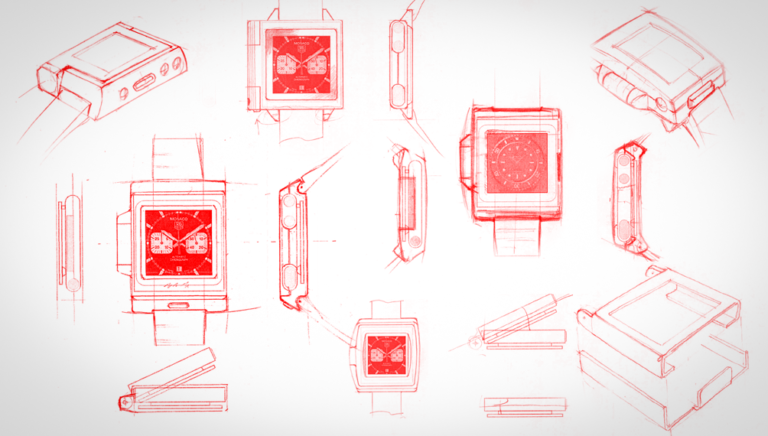
Prototype sketching during concept design

This prototype stage is all about product research ‘user and chooser’ prototypes that simulate a user experience with enough fidelity to allow third-party comment on the value of the new product.

 Risks we identify include:

  • Risk of user confusion or rejection of device
  • Identify physical size constraints of device
  • Interaction methods and the most useful solution.

Types of prototypes:

  • User Interface Mock-ups
  • Foam models
  • Wireframes, virtual 3D Renderings
  • Wizard of Oz functionality (beauty models)

Prototype Costs:

  • Low – materials are mostly off the shelf and can include 3D custom prototype parts, cardboard paper, tape, glue, canned software, module electronics
  • Design Time, can be less than a week
  • Can start at $1000 for design costs for preliminary sketching and mock-ups

Stage 2: Design Engineering (Start at $5000)

Deckster Prototyping

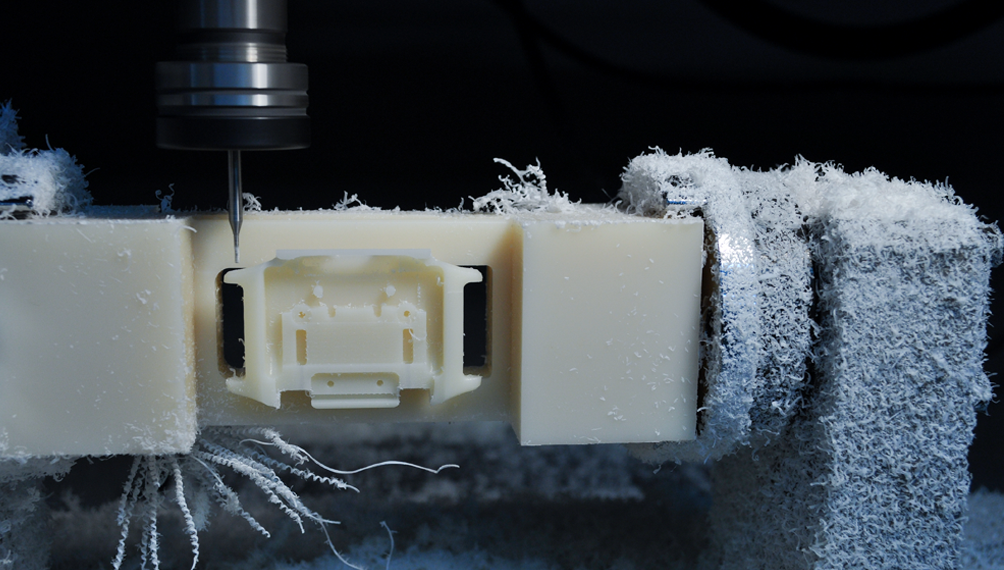
Bench model prototype made on in-house Roland CNC

This stage is all about bench model engineering prototypes that quantifies options to make design decisions.

 Risks we identify include:

  • Thermal, fluid, stress and structural engineering risks
  • Wire and sub-component management
  • Test specific components of design
  • Mechanism functionality
  • Wireless protocol limitations

Types of prototypes:

  • Scale models of product
  • Proof-of-concept: hand built models

Costs:

  • Medium: Depends on customized sub-systems needed and user testing validation metrics
  • Starting estimate is $5000 for bench model prototyping testing + material costs

Stage 3: Prototype & Test ($10,000 and up)

Deckster Engineering

Pre-production prototype parts ready for assembly

This stage outputs a production alpha prototype that is fully functioning

 Risks we identify include:

  • Business risk and costing of components in volume
  • Business risk of yield and high-volume outputs
  • Custom electronics and wireless connectivity

Types of prototypes:

  • Fully functional alpha prototype

Costs:

  • Medium: Depending on complexity of product and volume of output
  • Minimum 4-6 weeks of development time on average
  • The alpha prototype material costs can range from a few hundred to thousands depending on custom parts, electronics and fidelity required.

Stage 4: Manufacturing Set-Up ($30,000 - Ready for Production)

High-fidelity fully functional prototype

This Stage outputs a manufacture ready production parts prototype that is an early stage fully manufactured unit.

Risks we identify include:

  • Manufacturing process risks, these can include wall thickness of part, surface finish, color matching and more
  • Business risk tied to lead time of parts, components and assembly

Types of prototypes:

  • Early small run pilot pre-production unit

Costs:

  • Medium: Depending on complexity of product and volume of output
  • Minimum 3 months of development time
  • Costs typically start at $30,000 for basic products and move upwards depending on manufacturing process, volume and development time involved.

Share the knowledge!

Want a detailed prototype cost estimate? We can help.

We can help take you from idea to design, prototyping, and volume manufacturing.

27 Years Experience

75+ Design Awards

1,000+ Manufactured Products

From Idea to Prototype in as Little as Six Weeks!

Ready to Start?

Published on: January 22, 2024

5 New Flood Prevention Products

5 New Flood Prevention Products

Floods are becoming more common globally.

The main solution deployed to fight these rising water is sandbags – 1000’s upon 1000’s of sandbags made from burlap or polypropylene. Not anymore.

Explore in the news product innovations to prevent floods.

1) Water Gate: Rapid Response Flood Control System


Water gate 
is a clever PVC device that uses the pressure of oncoming water to stabilize itself. While more expensive than sandbags, it has been proven to be a highly effective means of containing flood damage. A single person can deploy the product in a few hours to protect a home, or larger devices can be purchased to protect entire areas and unrolled trucks.

The product is lighter than sandbags, reusable and doesn’t require filler material that will be contaminated after use.

2) WIPP: Water Inflated Property Protector

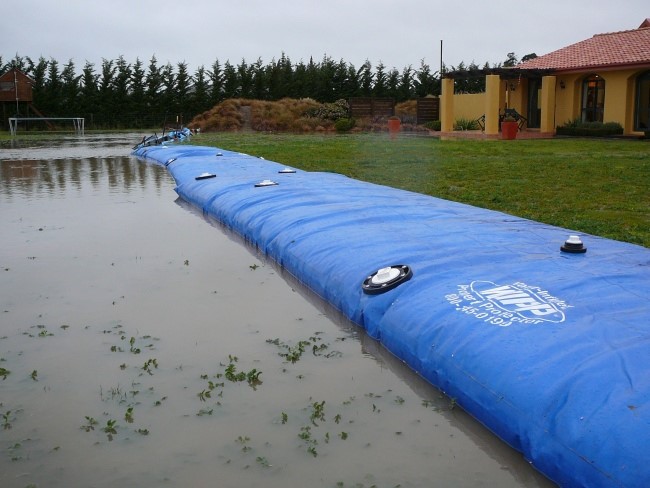
The “Water Inflated Property Barrier” (WIPP) made from a long (up to 150 ft.), extremely durable, vinyl-coated polyester. The idea is to fight water with water, and WIPP does just that; essentially a long tube with an internal support structure, the system can be inflated with any nearby water source, acting as a heavy barrier against oncoming waters.

Like other systems, WIPP can be easily and quickly deployed, repaired and packed away compactly when not in use. 


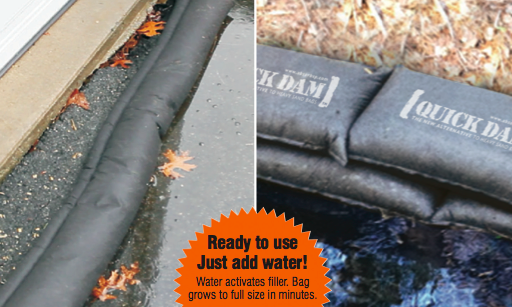
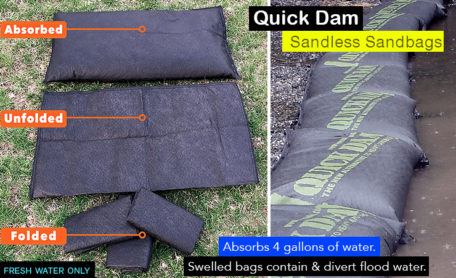
3) Quick Dam: Flood Barrier Socks

Quick Dams – water barrier socks are the fastest growing flood protection device in North America. Over the past year Quick Dam’s distribution has grown to include all major home renovation retailers (ie. Home Depot, Lowes, Rona) as well as a large Amazon store stocked with product variations.

The Quick Dam flood barriers are available in 5ft, 10ft and 17ft long pieces, suitable for all types of environments. And based on reviews so far, the product is doing a good job of keep homeowners property dry in the wake of rising flood waters.


4) Floodblock: Modular Flood Prevention Solution

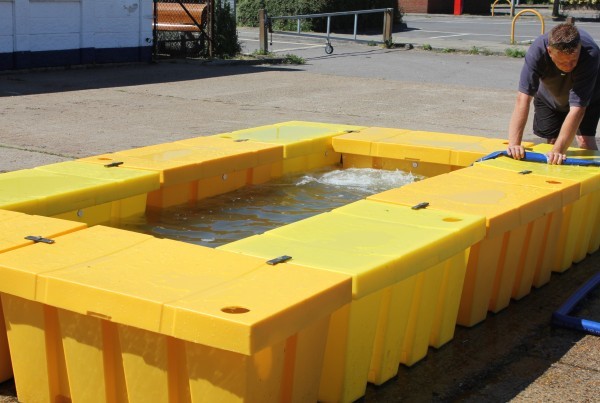
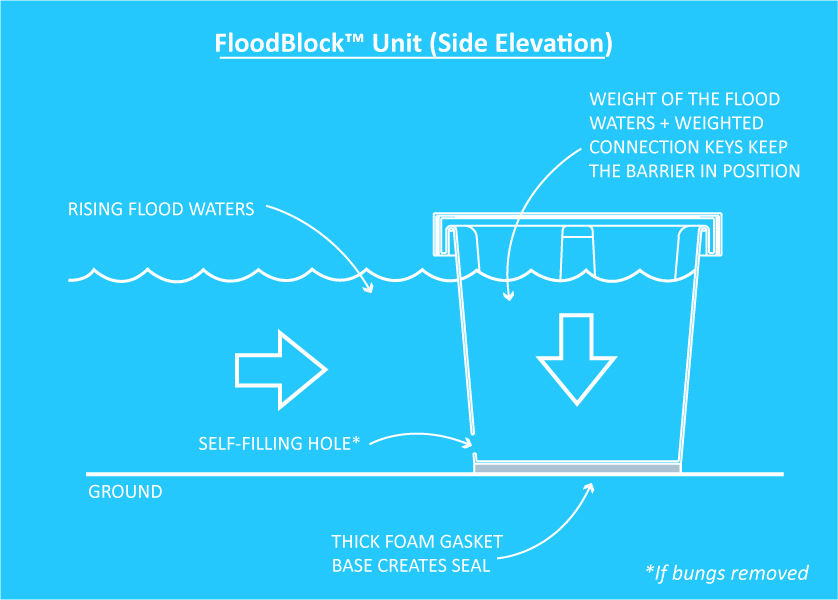
FloodBlock is another Lego-like invention that can be interlocked, stacked and positioned to protect homes and commercial spaces from flooding. The device is a self-filling crate with foam padding on the bottom creating a seal which prevents water seeping from underneath. The stacking feature ensures a minimal footprint when stored away. The simplicity of the system and its light weight means that no special training is required to assemble – and it’s a high quality, affordable solution that’s more effective than sandbags.

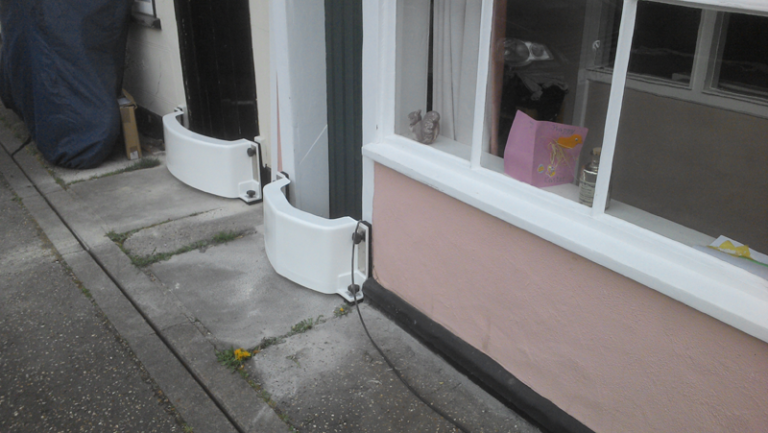
5) Aquobex: Heritage Floodguard system

Aquobex is a global leader in fighting flood waters and offers a variety of flood devices to help both homeowners and cities deal with rising water. There Hertiage Floodguard is one of their most popular devices and the often the first line of defense to prevent entering doors and windows.

The lightweight reusable barrier provides the same protection as a permanent barrier and has helped 1000’s of homeowners stop water in in it’s tracks.

Share

Have a new product idea?

We can help take you from idea to design, prototyping, and volume manufacturing.

27 Years Experience

75+ Design Awards

1,000+ Manufactured Products

From Idea to Prototype in as Little as Six Weeks!

Ready to Start?

Published on: December 30, 2023

Navigating 20 Years of AI with 10 Groundbreaking Trends

Navigating 20 Years of AI with 10 Groundbreaking Trends

Discover the ten key AI trends impacting the future of product development.

In 20 years, AI has shifted from being a tech outlier to a central player in shaping product development’s trajectory. This piece sheds light on the top 10 groundbreaking AI trends redefining our digital age and offers a peek into the future.

Table of Contents

Trend #1: Machine Learning  – The Heartbeat of Modern AI

In the vast world of Artificial Intelligence, Machine Learning (ML) algorithms are pivotal. Imagine these algorithms as either a ‘White Box’ – where we can see and understand the inner workings – or a ‘Black Box’ – where the internal processes remain hidden, and we primarily see the output.

What’s interesting is how these algorithms learn from data. Just like we might guess the next move in a game based on past plays, ML algorithms predict outcomes using a technique called ‘backpropagation’. Think of backpropagation as the algorithm’s way of retracing its steps, refining its guesses until it gets them right.

Here’s a brief look at the types of learning these algorithms use:

  • Supervised Learning: Like a student with a teacher, it uses known data to predict outcomes.
  • Semi-Supervised Learning: Combines the methods of the student and the explorer, using both known and unknown data.
  • Self-Supervised Learning: An independent learner that sets its own questions based on the data it sees.
  • Unsupervised Learning: The explorer, discovering patterns on its own, often used in visual systems and making recommendations.
  • Reinforcement Learning: Learns through trial and error, like playing a game and adjusting strategies for the win.
  • Deep Reinforcement Learning: Uses deep thinking (or complex processing) to further refine the game strategies.
  • Incremental Learning: Continuously evolves by incorporating new data, similar to how we never stop learning.
  • Transfer Learning: Takes knowledge from one area and applies it to another, like using basketball skills in a netball game.
types-of-machine-learning

Machine Learning is more than just tech jargon; it’s the magic behind today’s AI innovations, making it crucial for tech startups and product developers to understand.

Trend #2: Navigating the World of Artificial Neural Networks (ANN)


Ever wondered how machines can recognize faces or predict what song you’ll love next? Enter the world of Artificial Neural Networks (ANN).

  • What’s an ANN? Think of ANNs as the brain of a machine, made up of connected nodes (like our brain’s neurons) that process information.
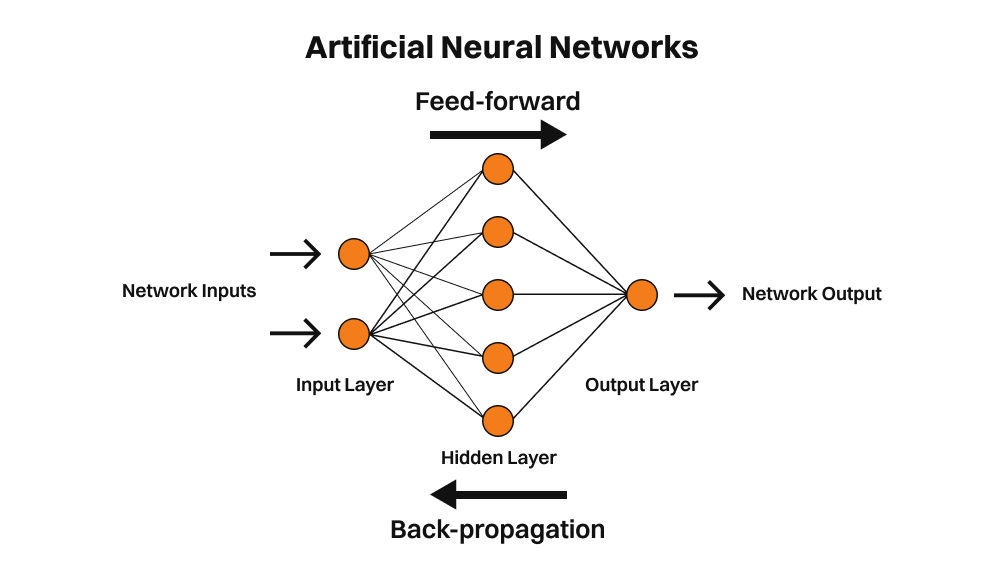
  • Layers: These networks have different layers – input (where they get the data), output (the final result), and some hidden layers in between (where the magic happens).
  • How Layers work: Each node in these layers does a mini job like filtering or multiplying data. Together, they identify patterns and make sense of the information.
  • ANN Learning Process: Just like how we learn from our mistakes and successes, ANNs have a two-step dance – forward propagation (making an initial guess) and backpropagation (adjusting based on how right or wrong they were).
  • Legacy: While ANNs sound futuristic, they have a rich history. The first basic neural network was introduced in 1957 by a visionary named Frank Rosenblatt.
ai-artifical-neural-networks

There are various types of these neural networks. Some of the big names include:

  • CNN (Used commonly for images)
  • RNN (Great for sequences, like videos)
  • DBN, GAN, GNN, and GCN (Others with specialized functions)

Did you know? By 2023, we’ve discovered over 100 different types of neural networks!

Trend #3: The Expanding Horizons of Deep Learning

Deep learning is not just another buzzword; it’s shaping the future of Artificial Intelligence (AI). Picture this: a supercharged version of neural networks, sometimes comprising an incredible 150 layers. These computational structures sift through vast amounts of data and, akin to refining a skill, utilize a method known as backpropagation to perfect their functions.

Key Impacts of Deep Learning:

  • Generative AI: Pioneering innovations like GPT-4 for text creation, vibrant chatbots, artistic AI renditions, and even coding assistive tools such as Microsoft’s GitHub Copilot.
  • Image Manipulation: Witness on-device enhancements with technologies like Pixel 8 and those embedded in iPhones.
  • Recognition Tools: Handwriting deciphering, voice commands with assistants like Alexa, or the seamless conversion from speech to text – all thanks to deep learning.
  • Image Analysis: Systems that categorize images (from human detection to forest fire management) and others that recognize intricate details within them, including form scanning for efficient data entry.
  • Information Tech: Amazon’s eerily accurate product suggestions or platforms that provide detailed answers owe their capabilities to deep learning.
  • Future Transportation: The drive towards self-driving cars, real-time language translations, and even assisting in complex tasks such as chip designing.
  • Medical Advancements: Detecting medical conditions from images, providing health recommendations, groundbreaking drug discoveries, and predicting protein structures.
  • Biometric Evolution: Beyond the usual fingerprint and facial recognition on phones, deep learning powers specialized systems that identify individuals by unique traits, from their walk to their voice.

With deep learning orchestrating advancements across diverse sectors, its influence is destined to grow, charting new territories in the tech landscape.

Trend #4: The Rise and Evolution of Conversational Technologies

Conversational tech, whether chatbots or advanced agents, are defining the next frontier in user interaction. The journey’s just begun.
  • Chatbots: Text-based helpers powered by machine learning, evolving through each interaction.
    • Example: Website Chatbots
    • Core: Natural language processing (NLP) to generate responses.
  • Virtual Assistants: Voice-oriented aides remembering past interactions to offer better insights.
    • Example: Amazon Alexa, Siri
    • Core: Voice interaction, contextualized responses.
  • Conversational Agents: Text wizards that dive deep into conversations to address user problems.
    • Example: Chat-GPT, Bing-GPT
    • Core: Advanced text generation, problem resolution

Table 1: Evolution of Voice AI Virtual Assistants

Virtual Assistant Company Year Capabilities
Siri Apple 2011 Advanced speech recognition tech.
Alexa Amazon 2014 Wake word-activated, preset functions.
Cortana* Microsoft 2015 Bing search-powered (*now discontinued).
Google Assistant Google 2016 Multimodal: Text, GUI, Voice.
Bixby Samsung 2017 Successor of S Voice Assistant.

Table 2: Modern AI Conversational Assistants

Conversational Agent Company Year Capabilities
Chat GPT OpenAI 2022 GPT-3.5 AI-backed chatbot.
Bing Chat Microsoft 2023 GPT-4 AI, custom site sources.
Bard Google 2023 Transitioned from LaMDA to PaLM 2.
Alexa Enhanced Amazon 2023 LLM hallucination guardrails.
Google Assistant (w/ Bard) Google 2024 Bard’s generative reasoning for Android & iOS.
Siri (w/ Apple GPT/Ajax) Apple 2025 Experimental generative AI; possible Siri extension.
From predictive text to sophisticated LLMs, conversational technologies have revolutionized our interactions. The attached timeline offers a snapshot of this transformative journey in generative AI.
Image: History of AI Text Generation 1995 - 2023

Trend #5: Progress and Potential of Large Language Models

Introduction: The universe of AI has been swept by the storm of Large Language Models (LLMs). These massive computational brains, trained on extensive datasets, are now at the forefront of generating, translating, and understanding human language with unprecedented proficiency. What’s an LLM? Google describes an LLM as “A statistical language model, trained on a massive amount of data, capable of performing numerous natural language processing (NLP) tasks. Deep learning architectures, notably the Transformer model introduced by Google in 2017, serve as its backbone, empowering it to decipher and generate vast amounts of text.” LLM in Action: A Snapshot Generative Pre-trained Transformers (GPT) epitomize LLMs. Training an LLM is no small feat—it’s a laborious process, often spanning over a year. What makes them particularly intriguing is their “Black Box” nature, where these AI systems employ profound learning from colossal datasets to comprehend and produce fresh content.

Table 3: Noteworthy LLMs: A Brief Catalog

LLM COMPANY YEAR SIZE CAPABILITIES TYPE
GPT-2 OpenAI 2019 1.5B Basic text based Generative AI capabilities / conversational skills Proprietary
GPT-3 OpenAI 2020 175B Advanced text based Generative AI capabilities / conversational skills Proprietary
GPT-3.5 OpenAI 2022 175B Optimized for ChatGPT – Comprehend complicated linguistic structures and provide effective replies Proprietary
GPT-4 OpenAI 2023 1.5 Trillion Most advanced text based Generative AI capabilities / conversational skills Proprietary
Orca Microsoft 2023 13B Orca is built on top of the 13 billion parameter version of LLaMA, small enough to run on a laptop Open Source
Bing GPT Microsoft 2023 Microsoft Version of Chat GPT-4 Proprietary
RankBrain Google 2015 N/A First time the Google search engine’s algorithm adopted artificial intelligence to understand content and search using Machine Learning only Proprietary
BERT Google 2019 110M – 340M Increases the Google search engine’s understanding of human language by understanding the relationships between words in a sentence Open Source
T5 Google 2020 11B Research/Demo purposes > Unified Text-to-Text Transformer Open Source
FLAN-T5 Google 2022 11B Research/Demo purposes > Enhanced T5 transformer, better at everything Open Source
FLAN-UL2 Google 2023 20B Research/Demo purposes > Enhanced FLAN-T5, upgraded pre-training procedure dubbed UL2 Open Source
LaMDA Google 2021 137B Basic conversational skills Proprietary
LaMDA 2 Google 2022 137B Advanced conversational skills > trained on anonymous conversations providing enhanced capabilities for natural dialogue Proprietary
PaLM Google 2023 540B Advanced conversational skills / Reasoning tasks, code, math, Classification and question answering Proprietary
PaLM 2 Google 2023 1.3 Trillion Most advanced conversational skills / Commonsense reasoning, arithmetic reasoning, joke explanation, code generation, translation, robotics Proprietary
Gemini Google 2024 1.8 Trillion ??? Gemini is expected to succeed PaLM-2, Announced at Google IO Proprietary
The rapid evolution and diversification of LLMs signify a remarkable chapter in the annals of technology. As they continue to refine and expand, the horizon for what’s possible in the realm of language processing and generation looks boundlessly promising.

Trend #6: The Shift to On-device AI – PCs & Smartphones

We’re seeing a technological shift where AI processing is transitioning from cloud-based systems to personal devices like PCs and smartphones. These devices are now equipped to handle Machine Learning algorithms and basic inference engines, including the more compact LLMs. This transition reduces the need for cloud computing and boosts user privacy.

Key Players in the On-Device AI Shift:


A) Google’s Pixel 8: Harnessing the “Tensor G3 Processor” (2021-2023)

  • Photo Features: Best Take, Face Swap, Magic Eraser, Magic Editor, Cinematic Blur, and exclusive Pixel 8 Pro features like Image Zoom with Interpolation.
  • Audio Innovations: Audio Magic Eraser for background noise removal.
  • Text-based Applications: Automated transcription of voicemails, Automatic Call Screening, and Smart Replies via Gboard Keyboard.
  • Hybrid AI (2024): Integration of Google Assistant with Bard, offering page summarizations and Video Boost with features like Night Sight and Video HDR exclusive to Pixel 8 Pro.
  • Phone Enhancements: Call Screening with transcription, AI-driven responses, and Google Watch 2 support introducing Call Screening Button with transcription.
  • Other Notable Features: Google Gboard and Apple QuickType advancements offering better text suggestions.

B) Apple’s  iPhone 15: Powering Through “Apple Neural Engine/ANE” (2017-2023)

  • Photo Capabilities: Cinematic Mode, person, dog, and cat detection, and US-exclusive Visual Look Up for object and scene recognition.
  • Text Features: Live Text for image-to-text conversion, automated transcription of voicemails, and an enhanced predictive text recommendation system.
  • Other Significant Features: Offline Siri operations, Face ID, on-device search, the revolutionary Personal Voice feature catering to ALS patients, and Voice-isolation to mute background noises.

C) Qualcomm’s Vision: Chip Platform With Built-in AI Processor:

  • Boosts VR and action cameras with powerful recognition capabilities and premium 4K video playback.
  • Combines high performance, low power consumption, and adaptability for a range of AI tasks.

As on-device AI continues its growth trajectory, it promises enhanced user experience, faster response times, and increased privacy. This shift from cloud to device not only signifies technological advancement but also a move towards democratizing AI, making it accessible and efficient for all.

Trend #7: Hybrid AI – Merging the Power of Cloud and Devices

Hybrid AI is the next big step in technology, blending the vast capabilities of cloud computing with the convenience of our everyday devices. In simpler terms, it’s like having the strength of a supercomputer right in your pocket.

Google spearheaded this movement with the Pixel 8 Smartphone and even brought some features to iPhones through Google Apps. Apple and Microsoft are not far behind, gearing up their devices to leverage Hybrid AI. For instance, come 2024, the Google Assistant with Bard will be available on both Android and iOS, using advanced AI to summarize web pages instantly.

Additionally, Microsoft is rolling out “Copilot”, which enriches their products with smarter features:

  • Windows 11: A quick “Windows-C” command brings up Copilot.
  • Bing: Upgraded for a smarter search on Android and iOS.
  • Edge: Offers a tailored browsing experience.
  • Microsoft 365: Smarter document understanding and collaboration.
  • Microsoft Office: Assistance with text in Word, formulas in Excel, and presentations.
  • Paint: Teams up with DALL-E 3 for artistic creations.

The fusion of Hybrid AI, combining cloud strength with device agility, will revolutionize product development. Designers and engineers can anticipate swifter prototyping, enhanced device intelligence, and more personalized user experiences. This transformative shift ensures that future connected devices are smarter, faster, and more attuned to user needs.

Trend #8: AI Safety and Decoding the ‘Black Box’

Understanding and ensuring the safety of AI has taken center stage. With technological marvels increasing daily, it’s vital to ensure they’re transparent and trustworthy.

ai-safety-joke

Spotlight on Anthropic: This standout leader in the AI safety realm has caught the tech giant Amazon’s attention. Their partnership is a testament to the importance of AI safety.

Guardians of AI: Multiple global organizations, like OECD, GPAI, and NIST, have risen to the challenge. They’re establishing standards and best practices to ensure that AI technologies are both innovative and responsible.

Mechanistic Interpretability Unveiled: Sounds technical? At its core, it’s about dissecting AI – understanding its inner workings. Think of it as a peek behind the curtain of a magic show, revealing the secrets of how the trick is done. By breaking AI processes down into circuits and algorithms, we can shed light on the often termed “Black Box” of neural networks.

Research at the Forefront: Many minds, especially from Anthropic, are diving deep to ensure the safety of AI. They’re committed to ensuring that as AI evolves, it remains a tool we can understand, trust, and control.

What to dig deeper into AI Safety? Take a look at these resources:
As AI powers ahead, there’s a concerted effort to make sure it’s a journey we can all follow, trust, and feel safe with.

Trend #9: Pioneering AI Hardware: Accelerators & Supercomputers

The Surge of AI Supercomputers and Accelerators

The world of AI is not just about algorithms and data. The hardware that powers these intelligent systems is evolving rapidly, driving both innovation and efficiency.

Precision Breakthrough: IBM’s revelation that AI predictions remain consistent with reduced bit precision paves the way for custom AI Accelerator chips. Simplified, it means we can achieve powerful results with less computational “heft.” 

Future Glimpse: IBM’s Analog AI Accelerators, using Phase Change Memory, are tipped to be the game-changers, promising powerful computation with minimal energy. 

The Cerebras Marvel: Envision a chip with 2.6 trillion transistors and a whopping 850,000 cores! And the potential to scale up to 13.5 million cores? That’s Cerebras for you, revolutionizing the AI hardware landscape. 

The AI Hardware Galaxy:

  • Amazon: Supercomputers AWS Trainium & AWS Inferentia2; Processors Trainium & Inferentia2
  • Google: Supercomputers TPUv4 & TPUv5; Processors TPU/Tensor Processor Unit
  • IBM: Supercomputer Vela; Processors AIU/Artificial Intelligence Unit
  • Microsoft: Relies on NVIDIA Clusters; Processor A100
  • NVIDIA: Leaders with Supercomputers Helios & H200 SuperPods; Processors H200, H100, & A100
  • Apple: Pioneers with Apple Neural Engine/ANE; Processors A17, A16 & A15 Bionic Chips
  • Baidu: Minwa Supercomputer; Featuring 72 AI processors & 144 GPUs
  • Cerebras: Supercomputer Andromeda; Processor WSE-2/Wafer Scale Engine 2
  • Graphcore: The Good Computer; Processors GC300 MK3 & GC200 Colossus
  • Meta: RSC/Research Supercluster; Processor MTIA Accelerator
  • SambaNova: DataScale SN30; Processor Cardinal SN30
  • SpiNNaker: SpiNNcloud; A Neuromorphic AI Accelerator
  • Tesla: Supercomputer Dojo; Processor D1 Chip, compatible with Open-Source RISC-V

In essence, as AI continues to redefine industries and lives, the silent heroes powering this transformation are these innovative accelerators and supercomputers. Their advancements promise a future where AI is faster, more efficient, and integrated into every facet of our existence.

Trend #10: Leaders and Innovations Transforming AI Today

Artificial Intelligence (AI) and Machine Learning (ML) have become indispensable in the current business landscape. As technology matures, we’re witnessing an unprecedented acceleration in AI/ML development, empowering businesses to create more sophisticated and innovative solutions. Here’s a breakdown of the current state and trajectory of AI and ML for the modern business:

Table 4: Key AI/ML Development Tools

Tool Description
PyTorch Widely adopted for its Python interface; a powerhouse for deep learning projects.
Microsoft Azure Tools Suite providing functionalities like Cognitive Services, ML Services, and AutoML.
Amazon Bedrock A fully managed platform bolstered by foundational services, facilitating streamlined AI/ML development.
Google TensorFlow & JAX Offer interfaces in Python, C++, and R; backed by giants like Google Brain, DeepMind, and Apple.
NVIDIA CUDA Pivotal for parallel computing on GPUs; a testament to NVIDIA’s dominance in AI.
Caffe Versatile for various AI tasks; integrates with Nvidia cuDNN and Intel MKL.

Understanding AI Training and Inference:

  • Training: This is where AI models learn. With the advancement in technology, even massive datasets can be processed within a year, powering robust LLMs.
  • Inference: Post-training, the AI model is put into action. As AI continues to evolve, the demand for inference escalates, spotlighting the importance of hybrid AI for scalable generative AI solutions.

Market Influencers: Did you know that 70% of all AI chips come from NVIDIA? Their CUDA platform’s expansive developer base accentuates the preference for NVIDIA GPU resources, especially in the Cloud.

Power Players in AI & Cloud Synergy: The fusion of AI and Cloud is redefining the business ecosystem. Let’s evaluate the “Big 6” companies at the forefront of this transformation:

Table 4: Power Players in AI & Cloud Synergy

Company Key Contributions/Assets
NVIDIA Known for custom silicon and extensive GPU lineage; preferred choice for AI training; partnerships with Microsoft, Amazon, and Google.
Alphabet/Google Acquisitions like DeepMind and tools such as TensorFlow; seamless integration of AI into daily digital experiences (e.g., Google Translate, LaMDA).
Amazon Pushes the AI envelope with tools like Amazon Bedrock and investments in companies like Anthropic; also dominates in the e-commerce realm.
Apple Relatively new to the AI supercomputing arena but shows promise with systems like Ajax and Apple-GPT.
Microsoft Collaboration with OpenAI, tools like Azure AI, and the intent to embed AI capabilities into daily computing applications (e.g., Outlook, GitHub).
IBM Legacy in tech innovation; offerings like Watsonx and unique hardware solutions such as phase-change memory for AI acceleration.

As AI tools transition from research labs to the forefront of business, the way we design and develop products is undergoing a radical shift. Following these AI trends isn’t just smart – it’s essential for seizing the bright opportunities of tomorrow’s innovative devices.

Share

Have a new product idea?

We can help take you from idea to design, prototyping, and volume manufacturing.

27 Years Experience

75+ Design Awards

1,000+ Manufactured Products

From Idea to Prototype in as Little as Six Weeks!
Ready to Start?

Published on: October 26, 2023

Glossary of Product Design Terms

Glossary of Product Design Terms

27 Years Experience

75+ Design Awards

1,000+ Manufactured Products

From Idea to Prototype in as Little as Six Weeks!

Ready to Start?

88 Product Design Terms You Need to Know

product-design-terms

If you are designing a new product, working with a product design firm or have an interest in hardware startups – knowing your way around product design terminology is critical.

For example, exploding a  BOM – may come as shock to those who don’t know BOM stands for bill of materials, and flashing it simply means showing a list of all the components in one view!

But a quick read of the most frequently used product design-related terms below will bring you up to speed, and ensure the next design engineering meeting goes smooth.

  1. Alias
    Brand of CAD software, most often used for free-form modeling and visualization. Becoming less prevalent.
  2. Animation
    A visualization comprised of moving images, usually created from 3D CAD, which allows a ‘movie’ of the design without needing physical samples. The quality of an animation can vary dramatically depending upon the application.
  3. Anthropometrics
    Study of measurements of humans. Used to inform ergonomics.
  4. Assembly
    A collection of components that are related and have interconnections. Parts joined together form an assembly. Maybe physical, also within CAD.
  5. Backend
    The later phases of a design program, closer to manufacturing. Within some organizations some of these activities are identified as engineering.
  6. Bill of materials (BOM)
    A table containing a list of the components and the quantity of each required to produce an assembly. A costed BOM includes pricing information. An indented BOM indicates how different components and sub assemblies relate to one another and the order in which they are assembled.
  7. Brief
    Instructions and requests provided to design team prior to the commencement of a project. The format can vary and may range from informal & verbal, to comprehensive document.
  8. CAD
    Computer-aided design is software used to assist with design and documentation.
  9. CMF
    Colour, material, finish.
  10. CNC
    Computer-numerically-controlled. Refers to various machinery used to produce prototypes, tools and components.
  11. Commercialization
    Commercialization is the process or cycle of introducing a new product or production method into the market. Many technologies begin in the laboratory and are not practical for commercial use in their infancy.
  12. Component
    Part. Single, discrete element within an assembly.
  13. Concept design
    Early-stage design, not all aspects are resolved, however overall intent or direction should be apparent.
  14. Contract Manufacturer (CM)
    The external company that produces parts or products to order.
  15. Control Drawing
    2D representation of a design, used to assist production. Often used in conjunction with 3D CAD data, a control drawing can provide information such as dimensions, tolerances and notes that may not be readily obtained from 3D data alone. Also called 2D drawing, engineering drawing or technical drawings. Similar to architectural ‘plan’
  16. Design Thinking
    An approach to problem-solving based upon the methodology used by designers, but (usually) applied to other disciplines, such as business and education.
  17. Detail design
    Determining and accurately documenting all the aspects of the design, largely related to the performance and manufacture of the part. Depending upon organizational structure this work may be carried out by engineers.
  18. DIA
    Design Institute of Australia.
  19. Dimension
    Distance or measurement.
  20. Drawing
    Usually refers to a precise black and white ‘line’ image often generated in CAD within a recognized format, used for communicating technical aspects of a design. See also control drawing.
  21. Eco-design
    Design with significant consideration to the environment also called green design.
  22. E.E.
    Electrical (or electronic) engineering.
  23. Ergonomics
    Application of principles that consider the effective, safe and comfortable use of a design by humans. An example would be the design of a handle based on anthropometric data and with subsequent usability testing.
  24. Exploded view
    Visual representation of an assembly, showing some or all of the components separated to illustrate the parts and their relationships to one another.
  25. FEA
    Finite-element analysis: a computer-based engineering tool for assessing structural aspects of a mechanical design.
  26. Feasibility Study
    A feasibility study is an evaluation and analysis of the potential of a proposed project, based on extensive investigation and research to support the process of decision making.
  27. Finish
    Surface treatment of component. Maybe functional and/or cosmetic, examples include polishing, painting and anodizing.
  28. Form
    The three-dimensional equivalent of Shape.
  29. Form study
    Type of prototype used to assess the external form of the design, usually full size, often in a single colour or with minimal cosmetic finishes. The ‘clays’ used in automotive design are an example.
  30. Front end
    Preliminary stages of the design process, typically where overall configuration and desired appearance are established.
  31. General Assembly (GA)
    A drawing or CAD model illustrating all the components of a finished product and their relationship to one another. May incorporate a bill of materials (BOM).
  32. Human Factors
    A phrase largely interchangeable with ‘ergonomics’, human factors relates to consideration of human users in the design of a product and environment. Some people make a distinction that ergonomics more specifically relates to the physical association between people and products.
  33. ID
    See industrial design; also internal diameter (e.g. the distance across the hole in a donut).
  34. IDEA
    International Design Excellence Award. Presented by IDSA.
  35. Ideation
    Idea generation, typically early in a project and in a relatively loose/abstract form. Brainstorming is an ideation technique.
  36. IDSA
    Industrial Designers Society of America
  37. Illustrator
    Computer software often used for 2D design work. Also used extensively by graphic designers.
  38. Industrial Design (ID)
    A term for the profession, as in the design of industrially-produced goods. Some attribute the origin of the phrase to a Kiwi c.1920, and it has been largely misunderstood by the public ever since…
    ID is generally interchangeable with product design, though industrial design (or ID) is more often used by people ‘in the know’. When a distinction is made, it is generally that whilst there is a lot of overlap, industrial design is more focused toward the earlier stages of the design process
  39. Intellectual property (IP)
    Characteristics of a design the owner may wish to protect from unauthorized use. Strategies include trade secrets and formal, legal IP protection such as utility patents & design registration.
  40. Interface
    Elements of a product via which a user receives and inputs information. On a smartphone this may be as simple as a touchscreen and a few buttons. On a motorcycle it is far more involving, with both hands and both feet operating controls, along with visual display of information.
  41. IP
    See intellectual property.
  42. ME
    Mechanical engineering.
  43. Model (including CAD)
    Representation of a design. May refer to a physical item or a representation within computer software e.g. CAD model
  44. Mould (or mold in American-English)
    Tool used to create plastic parts. Typically made of metal.
  45. Mood board
    Collection of images gathered at the outset of a project to help clarify and communicate aspects of the aesthetic of the yet-undesigned product. Interchangeable with theme board.
  46. Native
    The file type used by a given software program during normal use (creating & saving files) Example ‘.docx’ for MS Word. Native files are often not used to transfer design data, as translation formats such as STEP offer tamper resistance, revision control and do not have the interdependence that is common with CAD data.
  47. New Product Introduction (NPI)
    New product introduction is the complete process of bringing a new product to market.
  48. Original Design Manufacturer (ODM)
    Company that designs and produces goods to be sold by other brands. The design may be initiated by the ODM or may be to meet a specification provided by a brand.
  49. Original Equipment Manufacturer (OEM)
    Contract manufacturer that produces complete, finished products. Manufactures products for other brands, (to the design and specification of those brands) which the brand then distributes. Common business model, with many brands outsourcing some or all of their production (to OEMs).
  50. Off-Tool Sample (OTS)
    Initial sample created using production tooling. Used to check design and ‘tune’ tooling prior to making production quantities. Common to have at least 2 generations of OTS (OTS1, OTS2, etc.) as first OTS will often not have cosmetic finishes applied to tool.
  51. Organic
    Describes form. Soft, irregular shapes, as occur in nature.
  52. OTS
    See off-tool sample.
  53. Part
    A single element. Some products, such as a paperclip, consist of a single part. Often a product is an assembly of multiple parts.
    PCB
    A printed circuit board (PCB) mechanically supports and electrically connects electronic components using conductive tracks, pads and other features etched from copper sheets laminated onto a non-conductive substrate. PCBs can be single sided (one copper layer), double sided (two copper layers) or multi-layer.
  54. Percentile (as in ’5th percentile’)
    Term used within ergonomics to indicate a portion of the population with regard to a particular trait. Using height for example, of a sample population 50th percentile is the mid point, 5th percentile would be the shortest 5% of people within the sample group, 95th percentile the tallest 5%.
  55. Phase
    A period within a design program that is identified as having a particular focus of activity and/or outcome.
    A project may have a user-research phase, a concept phase, etc. This term is commonly used in the US, the word ‘stage’ is largely interchangeable.
  56. Pilot Run
    An initial small production run produced as a check prior to commencing full-scale production. The pilot run provides an opportunity to further refine assembly process or identify any remaining issues with the design or manufactured parts, thereby saving time & $ in the transition to full production.
  57. Pro/E
    Brand of CAD software, subsequently named ‘Wildfire’, and now ‘Creo’ (the family of products still widely referred to as Pro/E). Well-established platform for mechanical CAD with large user base.
  58. Program
    A body of design work for a single organisation, typically involving multiple projects. Alternatively a piece of computer software, increasingly called apps or applications.
  59. Project
    A specific, defined design task. In this context often a product. May also be more narrowly defined, such as a piece of stand-alone research or a conceptual exploration used to gather knowledge without necessarily being intended for production.
  60. Proposal
    Stated approach to a design project. This is a response to a brief.
  61. Prototype
    A model made during the design process to assess aspects of the design prior to manufacture. Usually physical, but may take other forms, including on-screen or even Post-it notes. For glossary of terms relating to prototyping see separate article, (coming soon!)
  62. Quality Assurance
    Quality assurance (QA) attempts to improve and stabilize production (and associated processes) to avoid, or at least minimize, issues which lead to a product’s defects.
  63. Quality Control
    Quality control (QC) is a process in which the quality of all factors involved in production is reviewed. It emphasizes testing of products to uncover defects and reporting to those who make the decision to allow or deny product release.
  64. Quality Management Systems
    A quality management system (QMS) is a collection of business processes focused on achieving quality objectives to meet customer requirements. It is expressed as the organizational structure, policies, procedures, processes and resources needed to achieve the desired standard of quality.
  65. Rapid Prototyping (RP)
    Various technologies for producing a prototype directly from 3D CAD data which produce a result far more quickly (typically within a couple of days) than traditional model-making.
  66. Rendering
    An image of a proposed design which may be generated by various means including marker pens on paper, 2D software, or 3D CAD visualisation software. The detail provided in a rendering can range from quite abstract and suggestive to photorealistic. In layman’s terms, an ‘artist’s impression’. I have no idea why the term rendering is used…
  67. Research
    May be undertaken at different times in a project, for different reasons. Common types are user research, competitor research, and research into materials and process.
  68. Rhinoceros (Rhino)
    Brand of CAD software, tends to be used for free-form modelling and visualisation.
  69. Sample
    Item demonstrating one or more characteristics of a design. Can differ from a prototype in that a sample may represent a material or process, without necessarily being in the form of the design in progress.
  70. Scale
    A ratio of size to allow documentation of designs that are too large or small to be documented effectively at true size. For example a chair may be drawn at 1:5 scale (one fifth of full size). A scale may also refer to a ruler with graduations to easily measure scaled drawings, but this is more common in architecture.
  71. Schematic
    A structural or procedural diagram, especially of an electrical or mechanical system.
  72. Sketch
    An image that is quick to generate and does not contain complete detail. Also used as an adjective, e.g. sketch model.
  73. SolidWorks
    Brand of CAD software. Widely used platform for mechanical CAD.
  74. Stage
    See phase.
  75. STEP file
    Computer file format for cross-platform transfer of 3D CAD data.
  76. Styling Freeze
    Point in time after which no further changes to the appearance are intended. This may be implicit and not formally identified.
  77. Sub assembly
    An assembly that forms part of a larger assembly. For example the display of a smartphone.
  78. Supplier
    A company that provides goods or services relating to the item being designed, typically prototype or production components. For design the term is largely interchangeable with ‘supplier’ (though this may be debated by a procurement specialist!). Supplier is more commonly used in Australia and the UK.
  79. System Architect
    System(s) architects define the architecture of a complex system in order to fulfill the technical requirements. Such design includes a breakdown of the system in components, how these components interact together, and generally what technologies they employ.
  80. System Architecture Plan
    It is the conceptual model that defines the structure, behavior, and more views of a system. An architecture description is a formal description and representation of a system, organized in a way that supports reasoning about the structures and behaviors of the system.
  81. Theme board
    See mood board.
  82. Thermal Management
    Heat generated by electronic devices and circuitry must be dissipated to improve reliability and prevent premature failure.[1] Techniques for heat dissipation can include heatsinks and fans for air cooling, and other forms of computer cooling such as liquid cooling.
  83. Thermal Simulation
    Thermal simulation calculates the theoretical temperature and heat transfer within and between components in your design and its environment. This is an important consideration of design, as many products and material have temperature dependent properties. Product safety is also a consideration—if a product or component gets too hot, you may have to design a guard over it.
  84. Tolerance
    Dimensional variation that can occur between nominally ‘identical’ components during manufacture. Tolerance may refer to a dimensioning approach to define this, or the variation observed in parts.
  85. Tool, tooling
    Catch-all phrase for dedicated elements of manufacturing equipment used for the mass production of components. Tooling is a general term which includes molds used for injection-molded plastic parts and dies used for cast metal parts. Investment in tooling often represents a major capital expense and time component of new product development programs.
  86. User
    The person or people who will use the design. A product may have multiple users, for example ‘users’ of a piece of medical equipment may include the patient, the doctor, and technical staff.
  87. Vendor
    A company that provides goods or services relating to the item being designed, typically prototype or production components. For design the term is largely interchangeable with ‘supplier’ (though this may be debated by a procurement specialist!). Vendor is more commonly used in the US.
Share

Need Help WIth Your Product Idea?

We can help take you from idea to design, prototyping, and volume manufacturing.

Published on: July 21, 2023

Design 1st – Color Teller Connects with Stevie Wonder

Design 1st – Color Teller Connects with Stevie Wonder

27 Years Experience

75+ Design Awards

1,000+ Manufactured Products

From Idea to Prototype in as Little as Six Weeks!

Ready to Start?

“As a messenger of peace I want to encourage countries throughout the world to find ways of subsidizing technology and ways of making the world more accessible to those with disabilities.” – Stevie Wonder

Advances in technology and innovative product development have made Stevie Wonder’s message of accessible technology for the disabled – a reality. Selective material sourcing, user-centric design methods and innovative technology have all been combined to produce useful and empowering devices for the impaired.

A recent 2010 NFL Superbowl Volkswagen commercial highlighted the latest advances in technology for the visually impaired. In the ad featuring Stevie Wonder, a variety of people in different driving situations are playing “Punch Buggy”, where the first person to see a Volkswagen playfully slugs his or her friend. The twist comes when Stevie Wonder correctly identifies the color of a nearby Jetta and slugs a surprised Tracy Morgan. To find out how Stevie did it, watch here:

“Just because a man lacks the use of his eyes doesn’t mean he lacks vision.”  
– Stevie Wonder

Brytech’s Color Teller˙ provided a substitute for Stevie Wonder’s vision in the commercial allowing him to accurately determine the color of the car through the push of a button. The “Color Teller” device announces colors, shades and whether a light is on or off to the user. Design 1st was the physical product design and development team behind the product, working closely with the electronics and business team at Brytech.

Working with the blind requires designing with your eyes closed. The Design 1st team had to think blind to come up with the shape of the object that deals with getting it out of a pocket or purse, tethering the product for security, comfort in the hands and simplicity of use. Simple can be the best thing ever for those with vision disabilities ˆ a must have. To come up with the right shape a dozen shapes from wallet rectangles to long tubes were created and reviewed with a group of blind volunteers. From this feedback the final shape was determined and the complex color measuring window was developed with keys, speaker and accessible battery door that could be used without sight. The Color Teller features a single button operation that never needs to be switched off, multiple language selections, different volume levels and a talking battery monitor. Buy one at www.brytech.com

We’re proud that our partnership with Brytech brought an innovative and highly useful product to market. A product that is being recognized for its vision.

Share

Have a new product idea?

We can help take you from idea to design, prototyping, and volume manufacturing.

Published on: July 20, 2023

New Way to Shovel Snow – Heatstone™

New Way to Shovel Snow – Heatstone™

27 Years Experience

75+ Design Awards

1,000+ Manufactured Products

From Idea to Prototype in as Little as Six Weeks!

Ready to Start?

Santa can bring you a new way to shovel snow off the walks – from your living room! Collaborating with the Design 1st team, a Toronto Inventor has been busy creating a new product for the northern markets where an aging population will experience more back injuries by snow shovelling walks and driveways.

Introducing HEATSTONE™ a new way to get rid of unwanted snow from your home, in the market since 2012!

heatstone winter snow melt

Consiglio, a Toronto based inventor, approached Design 1st with the idea to build outdoor radiant flooring with concrete patio stones.  Seeing an opportunity to increase winter safety, comfort and convenience Consiglio engaged with the Design 1st team and began the product development process. From the initial first meeting a year ago, to introducing the product to the marketplace, a creative engineering and design team was needed to work alongside Consiglio on his first journey as an inventor.

The first stage for a design team working with new ideas and inventions is simply to listen. From there we help determine all the things that are important to the success of the product.  Ol’ Saint Nick makes a list and checks it twice; the Design 1st team uses the same process when designing product concepts.  First we get creative, imagine possibilities and illustrate the concepts with sketches, images and models.  It is good practice to outline requirements that meet both our clients and their end customers’ needs. For Consiglio this included safety, ease of installation and maintenance of his radiant flooring concrete patio stones. Safety wise, the patio stones had to clear pathways of ice and snow while meeting reglatory compliance issues in North America.

Lorem ipsum dolor sit amet, consectetur adipiscing elit. Ut elit tellus, luctus nec ullamcorper mattis, pulvinar dapibus leo.

The patio stones will be selling in local commercial hardware stores so ease of installation was a must, as many clients would be building the outdoor radiant flooring themselves.  Winter seasons vary from one year to the next so maintenance and quality were also key design requirements.  No better walkway for ruggedness across the seasons than decorative concrete stone. All the electronics are well protected inside the stones so mother nature and garden tools cannot get  at them.

From there the Design 1st team creates 3D models of the concepts checking over the details and ensuring every surface, edge movement and feature is resolved with critical consideration of the product image, human interaction, materials and manufacturing requirements.

From idea to physical working models, once the technical details and product requirements are met, modelled and reviewed – the 3D virtual design concept is sent Santa’s workshop to be assembled into a working prototype.  In a similar fashion to Santa’s North Pole facilities Design 1st’ onsite workshop has all the tools to build technical products including CNC Machines, micro-saws, cutting machines, epoxies, batteries, bolts, wires, hardware and building materials of all sorts.

For Consiglio’s outdoor heated patio stones the prototyping process involved creating working concrete stone patio blocks that were tested, modified and delivered on the promise to melt the snow as it falls or even after it accumulates.  After some minor tweaks the new product introduction (NPI) phase commenced where the Design 1st engineering team documented every screw, part, assembly and surface treatment in preparation for manufacturing.

Now as Consiglio moves into production cycle the Design 1st acts as a guide helping provide manufacturing introduction, design support, quality control and identifying opportunities for cost savings as the product facilities make last minute improvements.  This holiday season when the snow begins to fall, ice begins to form and sleigh bells are ringing the gifts from Santa’s workshop will put a smile on children’s faces and patio stones designed in our workshop will put a smile on yours!

A joyous Christmas & a Prosperous New Year to All

~Design 1st staff

Share

Have a new product idea?

We can help take you from idea to design, prototyping, and volume manufacturing.

Published on: July 20, 2023

How to Manufacture a New Product

How to Manufacture a New Product

27 Years Experience

75+ Design Awards

1,000+ Manufactured Products

From Idea to Prototype in as Little as Six Weeks!

Ready to Start?

Did you know 70% of a product cost is locked in during the early design stage of a product development process?

For companies launching a new product thinking about manufacturing early in the design phase is an important part of a successful product launch.

There are 6 Critical Details to Consider when Manufacturing a Product:

  1. Select Off the Shelf Components Early
  2. Mechanical Part Outsourcing
  3. Electrical/Electronic Part Sourcing
  4. Part Supply Logistic Planning
  5. High Level Key Item Cost Estimates
  6. Finding the best fit Contract Manufacturer

Each of these plays a key role in the successful manufacturing of new products. The process of evaluating these details when preparing a product for manufacturing is called commercialization. Done right, commercialization allows a product to be manufactured at the lowest cost,  highest quality and delivered on time.

Common Questions every Product Faces on route to Manufacturing:

•    How do I design my product for lowest cost and keep the important functions?

•    What materials and finishes do I use to get the product to look great and perform well?

•    How do I ensure the quality of my product will keep defects and returns low?

•    Where do I find and buy off-the-shelf parts for the lowest cost?

•    What is involved in getting product to my customers and in good working order?

•    Who do I trust when I am making these decisions?

Put a commercialization Expert on your Design Team:

Design 1st has in-house experts in commercialization that work directly with the design team to provide navigation throughout the product architecture configuration stage.   We help you to find “good fit” suppliers and a manufacturer for your product, both local and abroad.  This approach is a natural fit for clients looking to transition their concept prototype to the market. This year Design 1st has played a pivotal role in the commercialization of more than a dozen start-up clients. Here are a few examples of clients that have launched after using our commercialization and market-readiness services:

Share

Have a new product idea?

We can help take you from idea to design, prototyping, and volume manufacturing.

Published on: July 20, 2023