- Search
- 1.877.235.1004
- Contact Us

ArcheOptix - Portable Brain Scanner
A handheld near-infrared scanner that detects brain bleeds in the field.
Product Design Requirements
ArcheOptix set out to detect brain bleeds, the acute subdural and epidural hematomas behind traumatic brain injury, at the point of care rather than waiting on a hospital CT. They engaged Design 1st to turn a bench-top near-infrared prototype into a handheld, battery-powered instrument ready for clinical trials and volume manufacturing.
Backed by an Ontario Brain Institute NERD research grant, the program ran from early concept through production release, with Design 1st owning the industrial design, optomechanical engineering, electronics integration, prototyping, and supply chain.
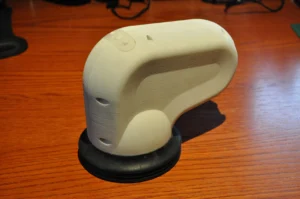
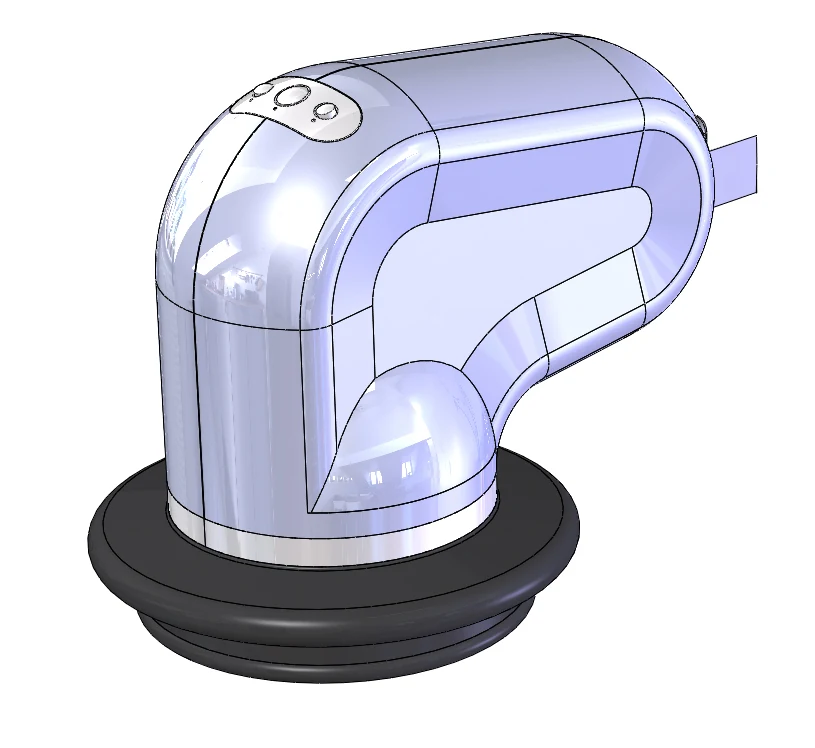
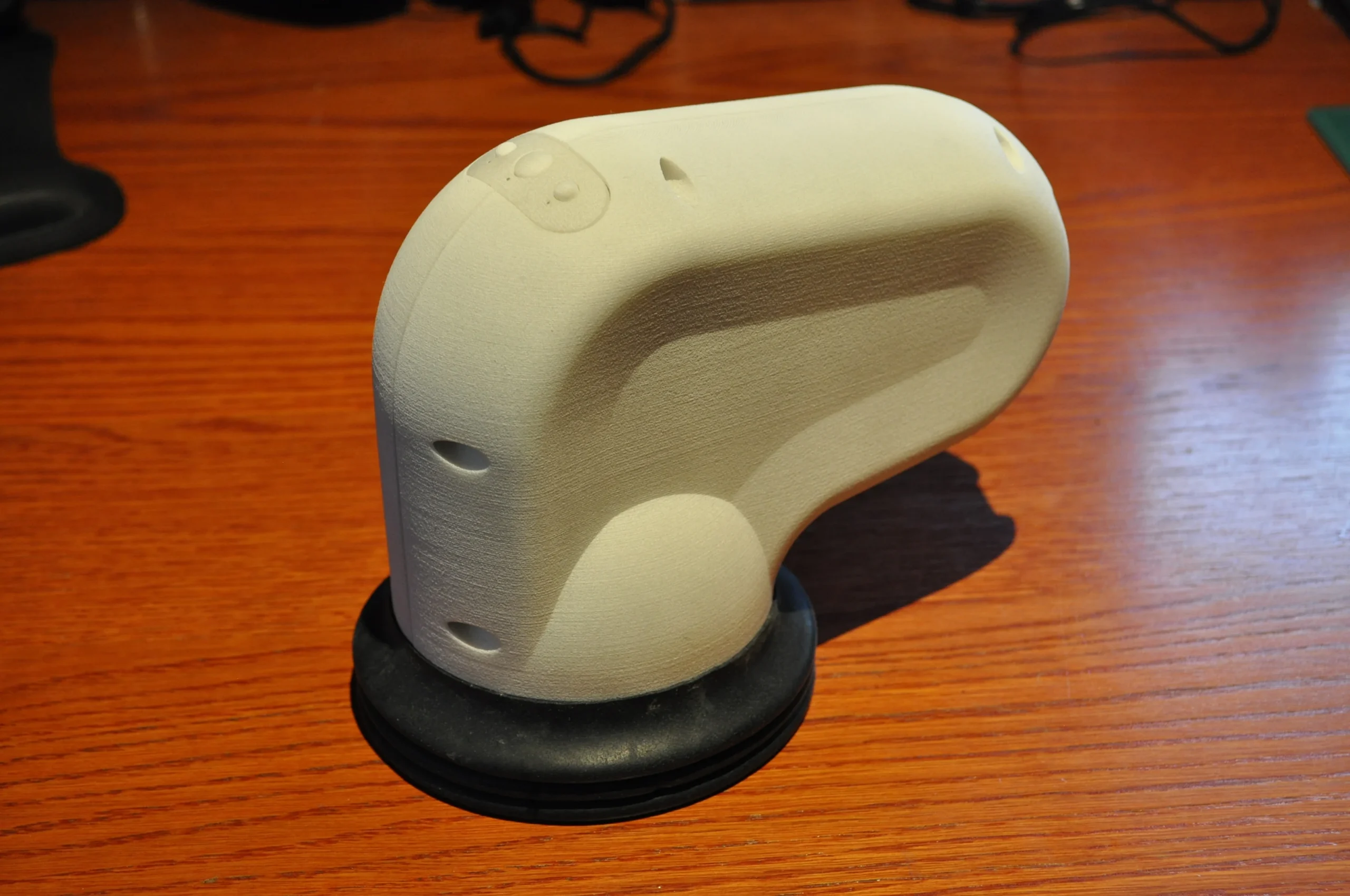
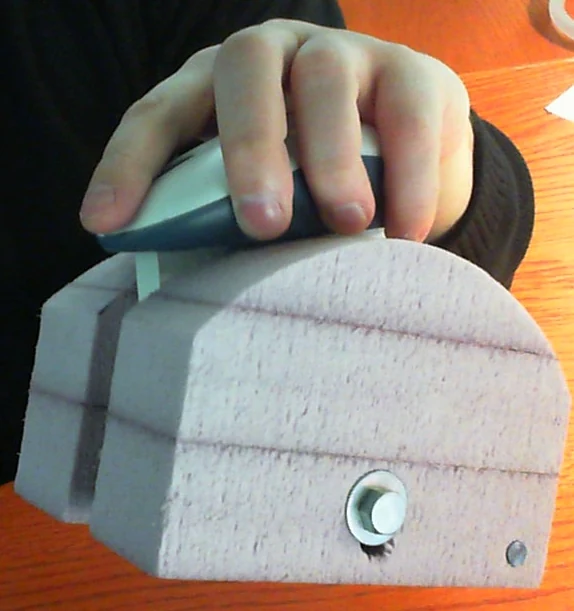
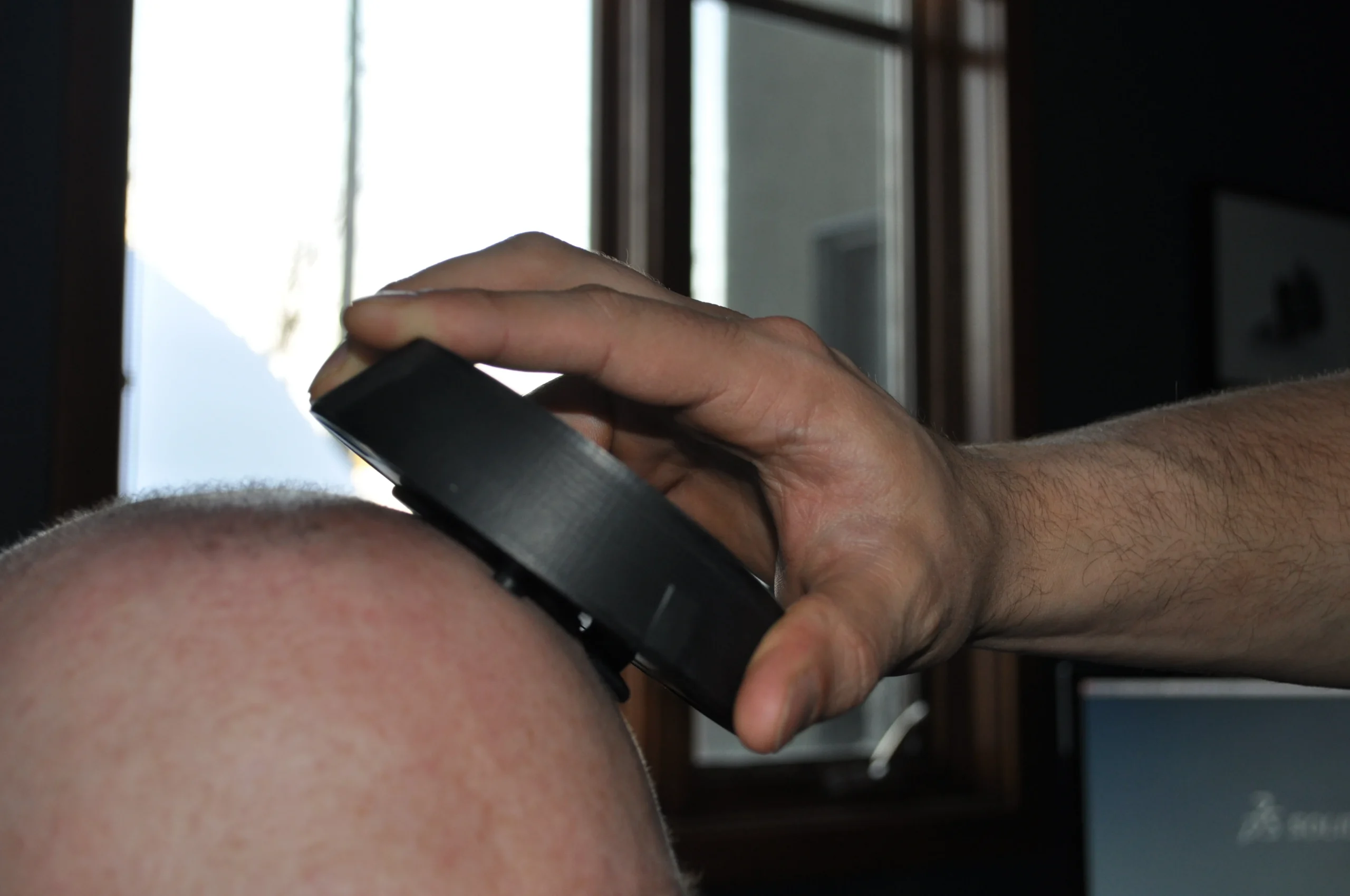
- A bench of loose electronics and optical sensors was miniaturized into a self-contained instrument a clinician holds in one hand against the scalp.
- Four avalanche photodiode (APD) sensors and an infrared source are positioned at precise source-to-detector distances of roughly 15, 27 and 42 mm — the geometry every reading depends on.
- Optical alignment is held to sub-millimeter tolerance so every unit reads consistently across the sensor array.
- The device runs on a rechargeable smart battery with an at-a-glance charge indicator.
- Clinical-trial units were delivered first, followed by a manufacturing-ready production design the contract manufacturer could scale.
Engineering Challenges
A near-infrared reading lives or dies on light discipline and sensor geometry. Implementing Design 1st’s proven process, the team solved the optical, mechanical and manufacturing problems in parallel.
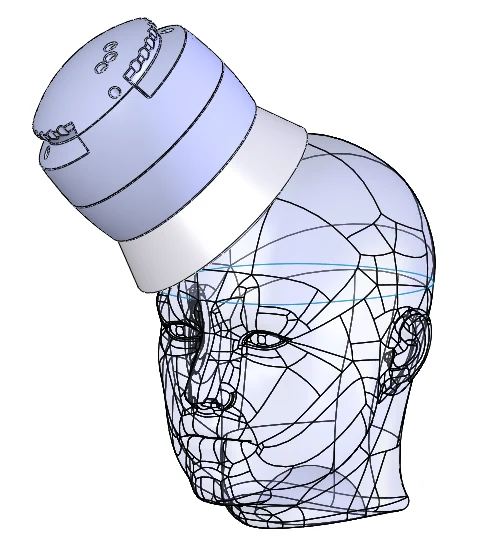
- Stray light corrupted readings, so we designed a disposable scanning head with an integrated light shield and silicone bellows that seals against the scalp and isolating sensors from ambient light.
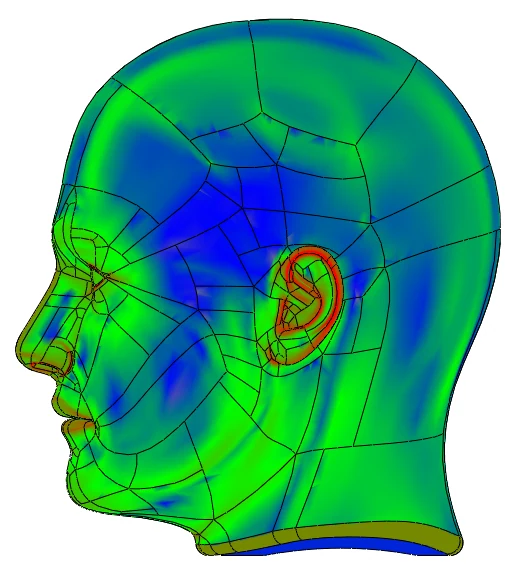
- The scalp is curved and hair-covered, so we mounted the detectors on spring-loaded floating carriers that hold a fixed sensing distance while conforming as the head presses into place.
- Aperture size drove signal quality, so we built a configurable bench rig and ran a structured matrix (1.0, 1.5 and 3.0 mm apertures at two heights) to find the smallest aperture that still delivered a reliable signal.

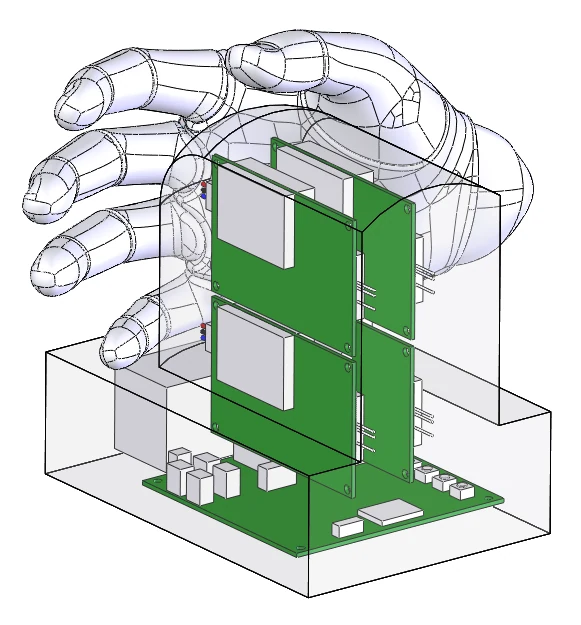
- The early prototype carried bulky RF connectors and oversized boards, so we re-laid the sensors onto a compact four-channel "Quadapus" APD board fed by slim 1.37 mm coaxial cabling.
- The clinical-trial unit was too large for comfortable one-handed use, so we re-architected the internals and shrank the production unit substantially while preserving the same optical core.
Prototype Build and Test
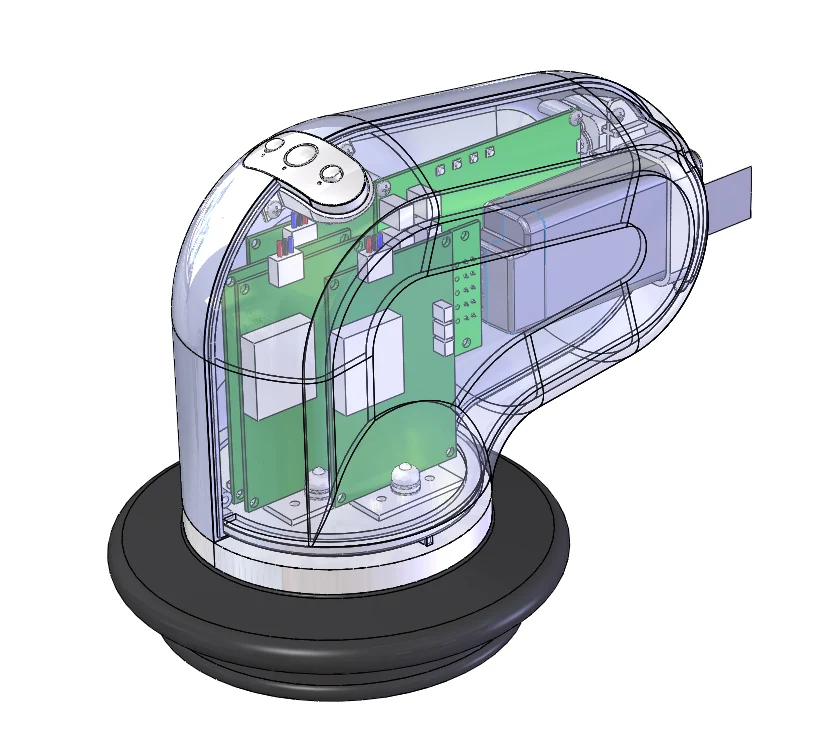
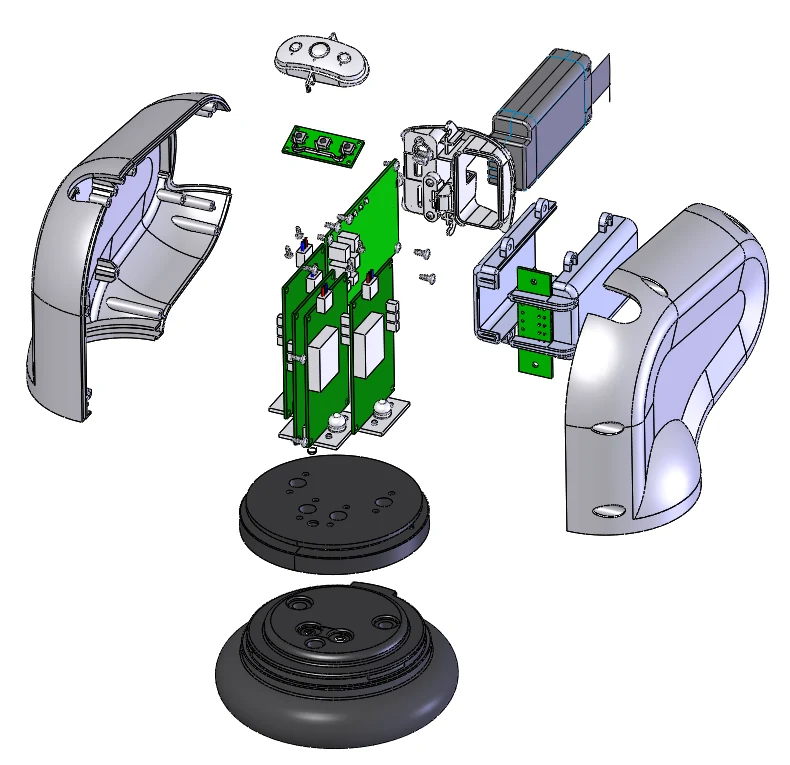
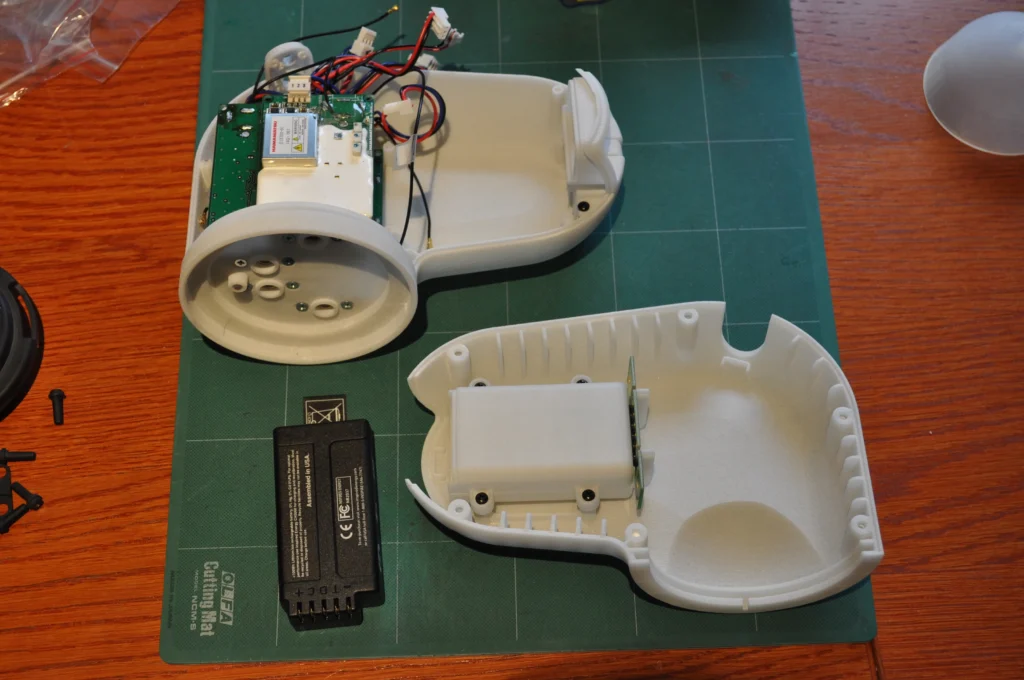
Design 1st integrated optics, electronics, power and a clinician-friendly interface into a single, manufacturable package. The full assembly came together from parts the team designed, sourced and documented for production.
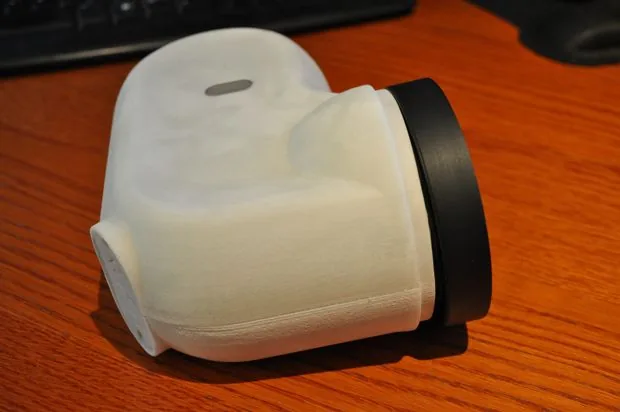
- Custom enclosure with top and bottom housings, a soft silicone rear cover, and a sealed membrane keypad for power, scan, and tracking controls.
- Four custom PCBs: the main board, the four-channel "Quadapus" APD board, the switch board, and the battery-contact board.
- Smart battery system with a dedicated contact board and a green/yellow/red fuel-gauge indicator.
- Disposable optical head that snaps on for each patient, keeping the optics clean and light-tight.
Product Results
The ArcheOptix scanner moved from a bench concept to a clean, production-ready handheld instrument, with assembled clinical-trial units in hand and a complete manufacturing package ready for the contract manufacturer.
- Delivered a fully integrated handheld device: custom housings, silicone cover, membrane keypad, four PCBs, smart battery, and the disposable optical head.
- Achieved sub-millimeter optical alignment across the multi-distance APD array for repeatable readings.
- Assembled clinical-trial units and documented a step-by-step production assembly process for manufacturing.
- Produced a complete manufacturing package: controlled drawings, BOM, RFQs, supplier selection, and a manufacturing test plan.
A breathrough in traumatic brain injury detection
The innovative NIRD® (Near-Infrared Diffuse Reflectance) technology provides advanced brain scanning, our of the hospital and into the field.