- Search
- 1.877.235.1004
- Contact Us
TritonWear - Competitive Swimming Tracker
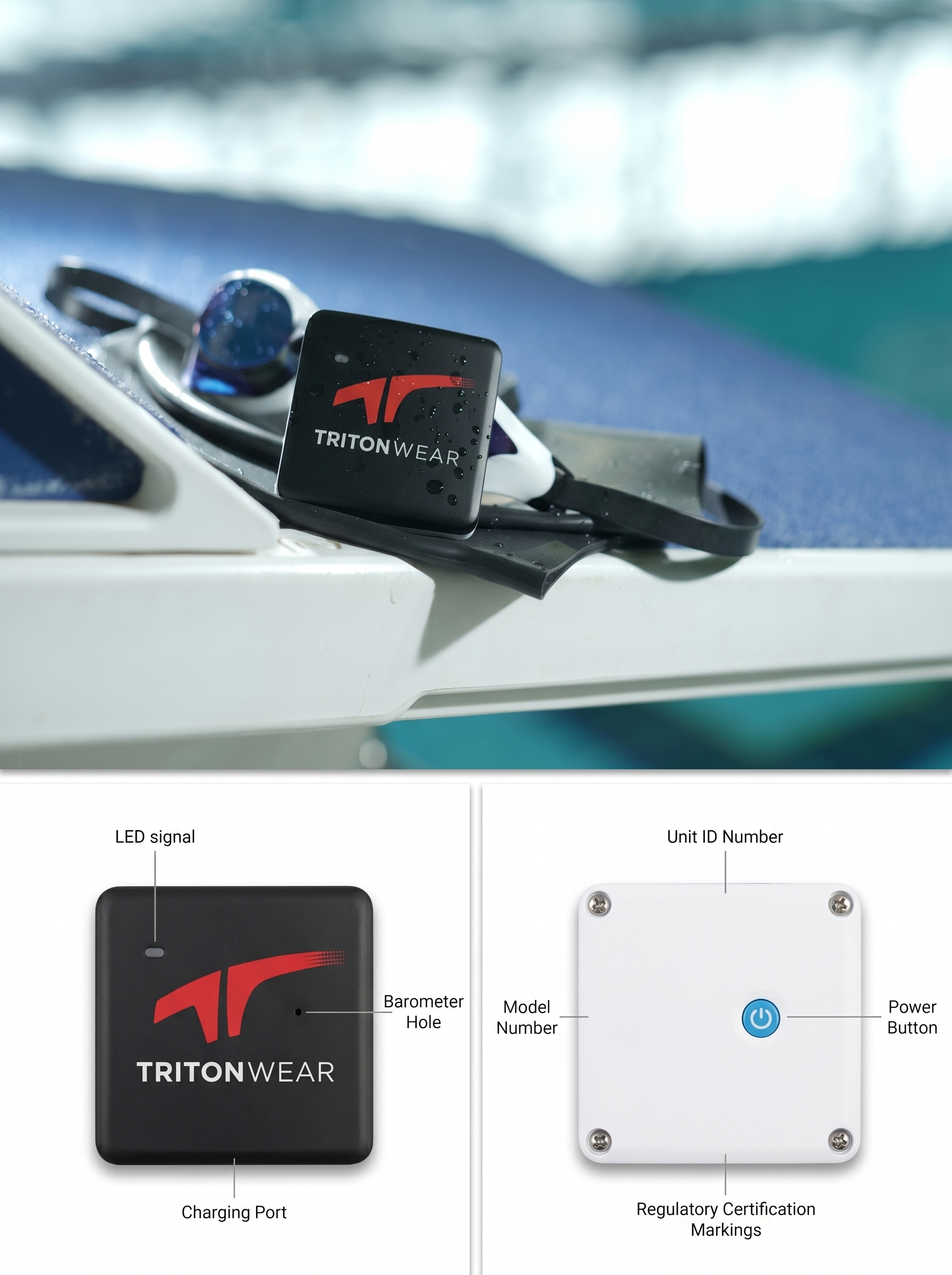
Rugged Multi-Sensor Wearable for Competitive Swimming Analytics
Product Design Requirements
Design 1st engaged with TritonWear in March 2018 to rebuild their competitive-swim performance tracker from the wireless stack up. The first-generation device was already proven with elite athletes and national-team programs, but required a dongle, used a corrosion-prone charging port, and carried an outdated sensor stack.
Design 1st led concept design through certified mass production across industrial design, mechanical engineering, electronics, and firmware. TritonWear retained their stroke-analysis algorithms and app development in-house.
- Move to a Bluetooth-only architecture, eliminating the prior dongle requirement.
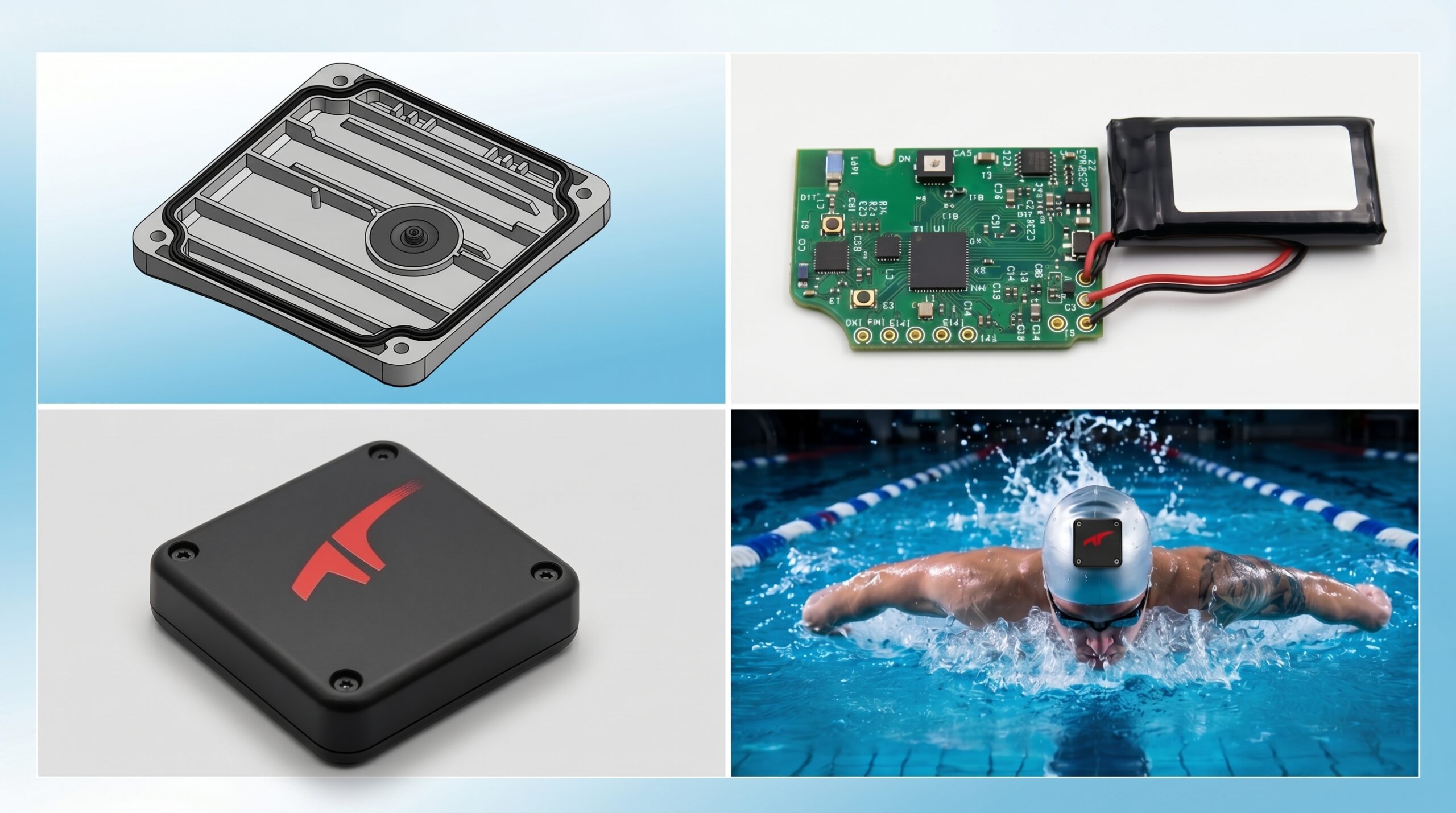
- Upgrade the sensor stack to capture motion, orientation, depth, and heart rate in one head-worn pod.
- Double battery life to eight hours of continuous use, with magnetic charging that survives long-term pool immersion.
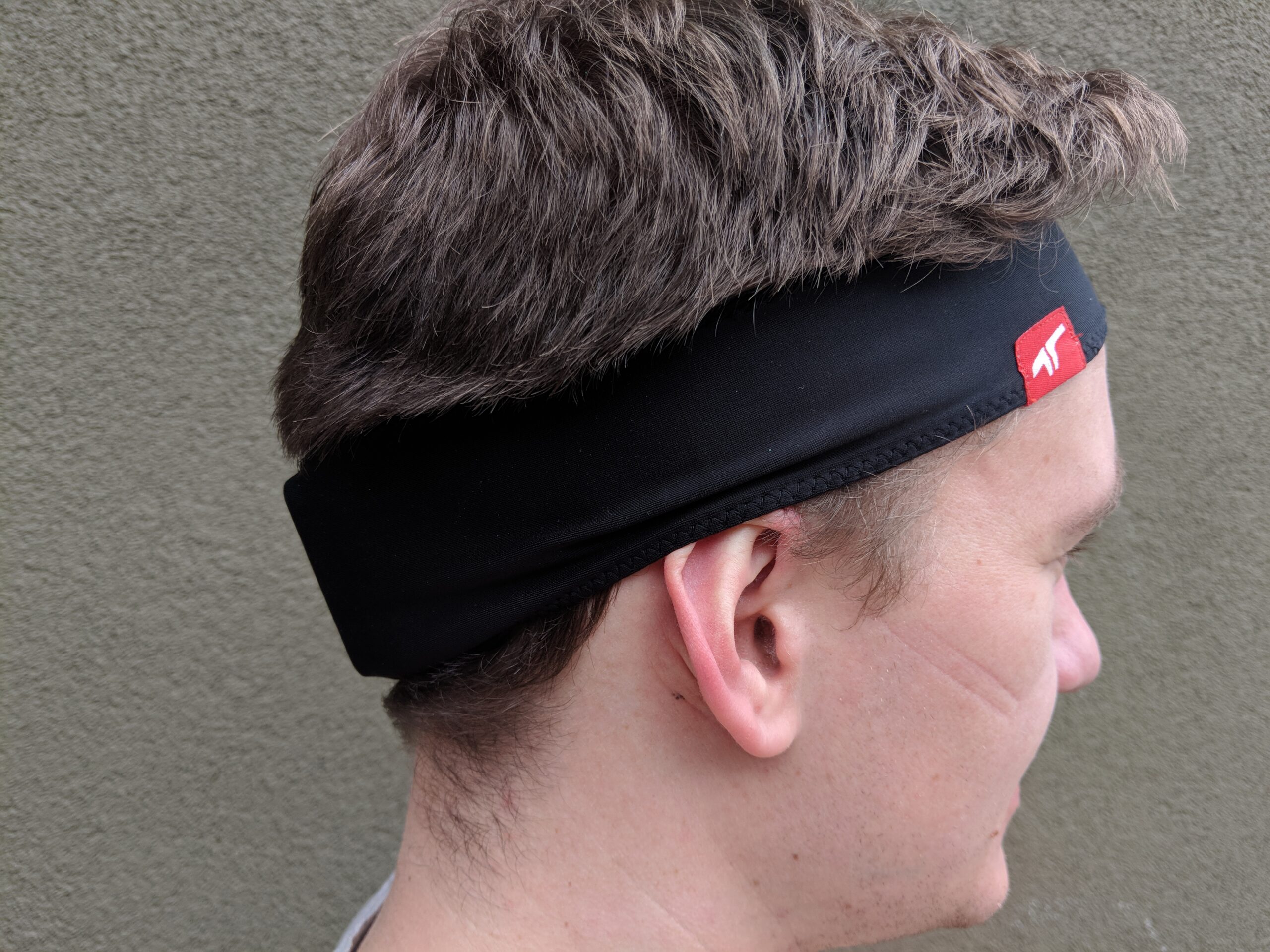
- Design a form factor that consistently self-orients on the head, since sensor position drives algorithm accuracy.
- Clear FCC, CE, and Industry Canada Class B regulatory standards.
- Deliver a production system capable of unit-level personalization at retail scale.
Engineering Challenges
Building the Triton 2 required coordinating four engineering disciplines simultaneously across a 20-month program, from concept design through certified mass production.
Industrial Design
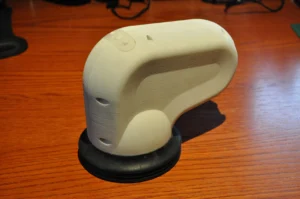
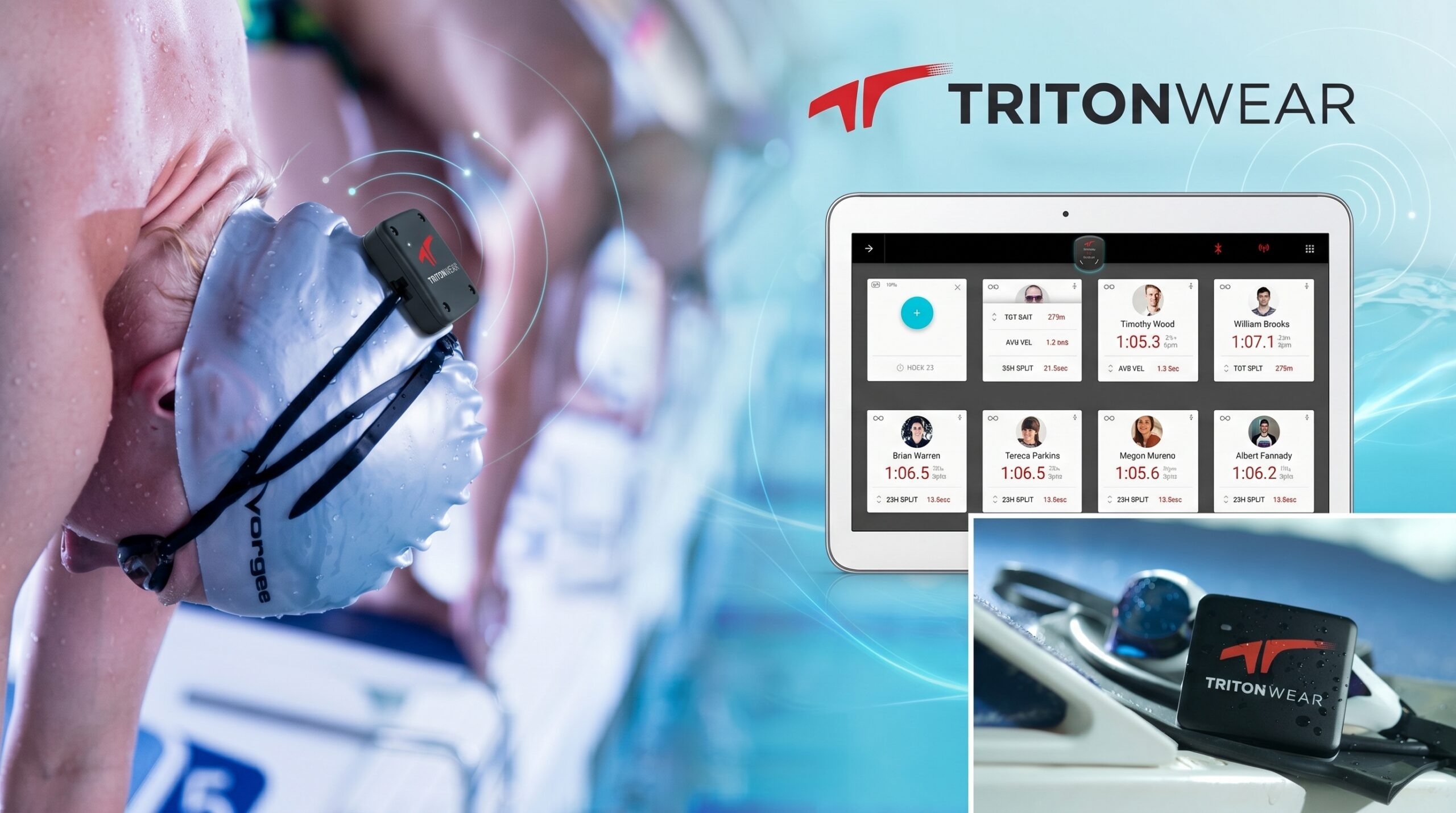
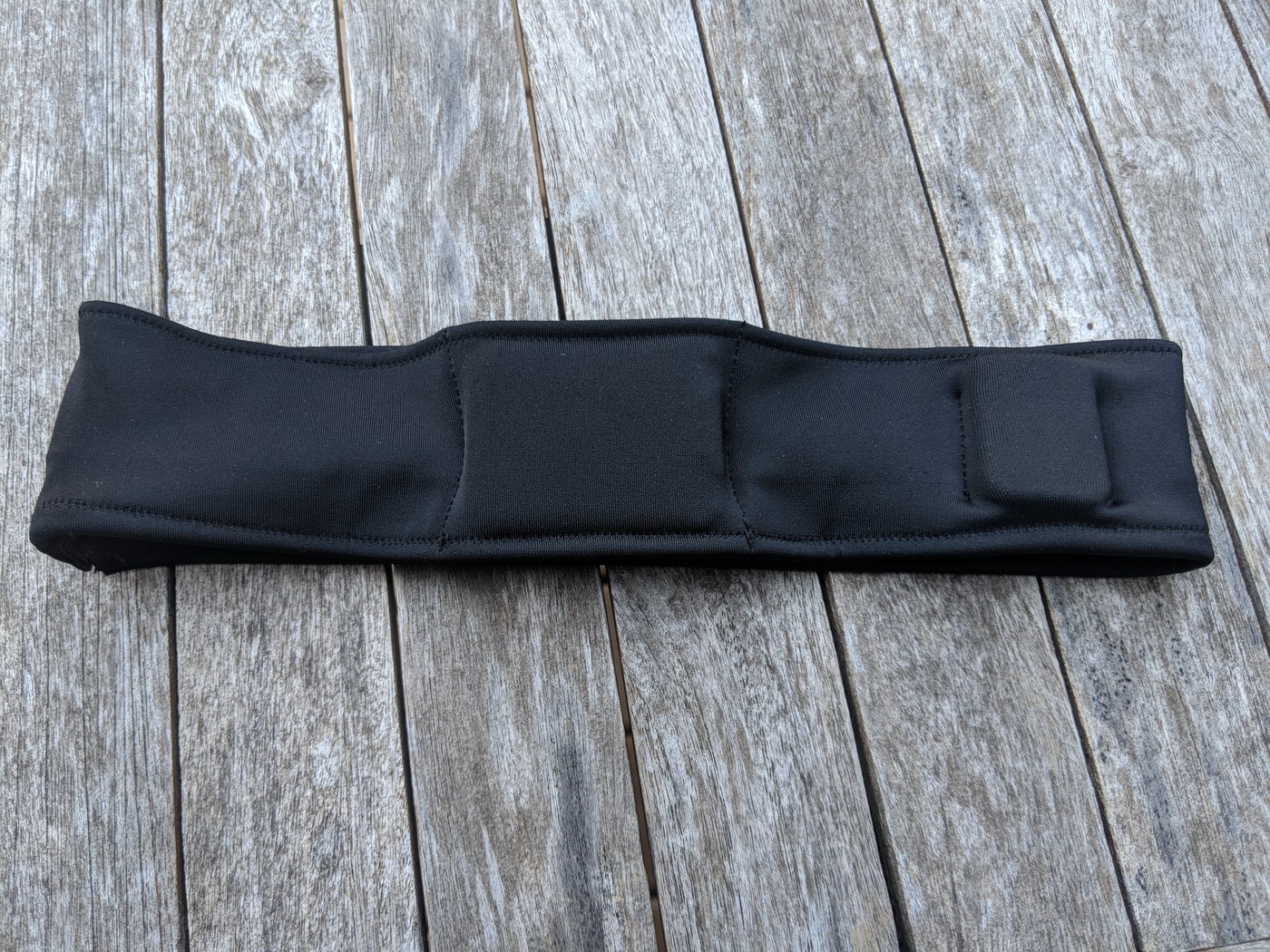
The unit had to consistently self-orient on the back of the swimmer’s head with no visible cues to the user, since the wearer cannot see the device once it is on. Sensor position drives algorithm accuracy.
- Diverse fit requirements (youth, long hair, varied head shapes) led to three concept directions and fit testing before locking the production form factor.
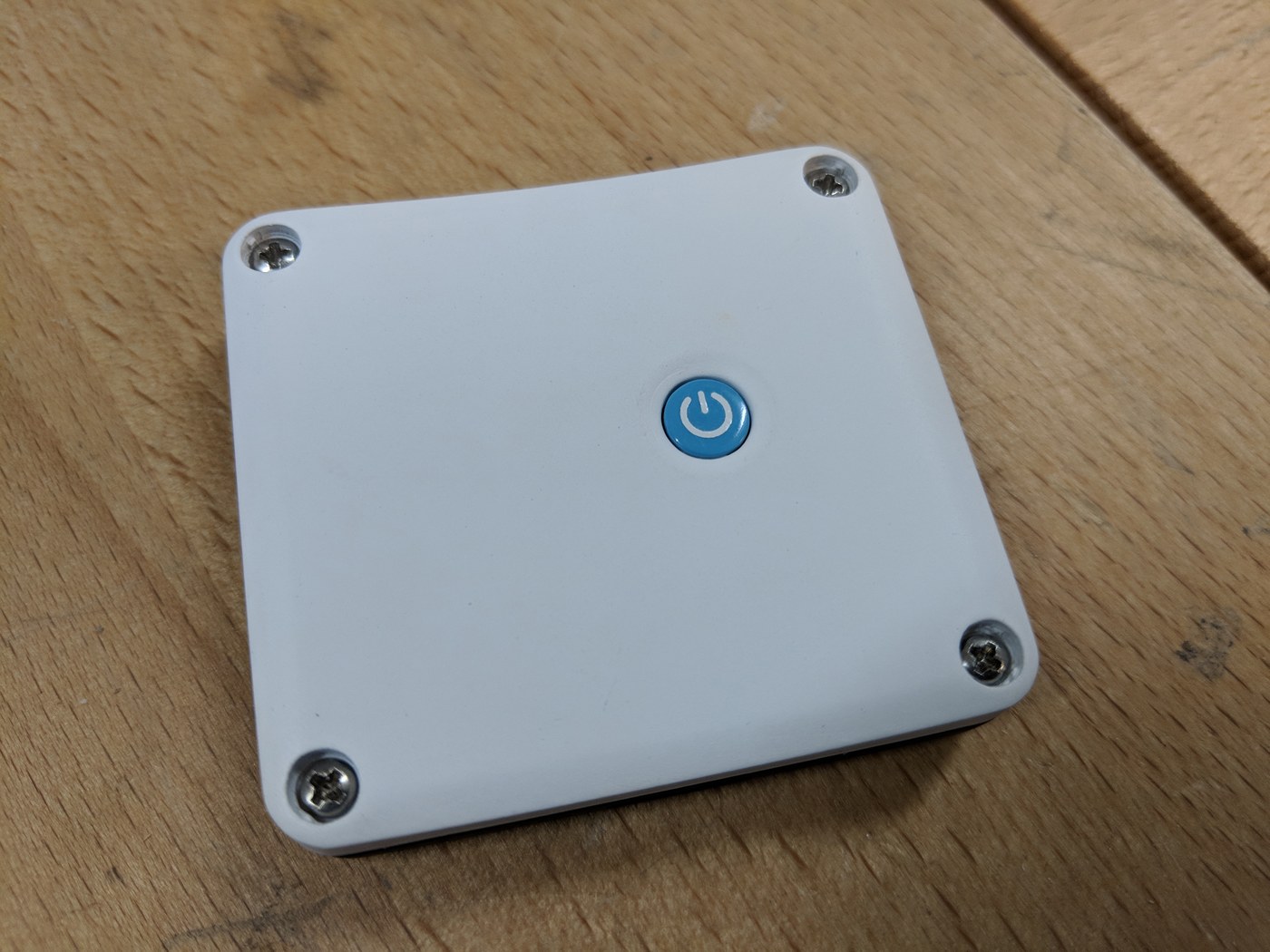
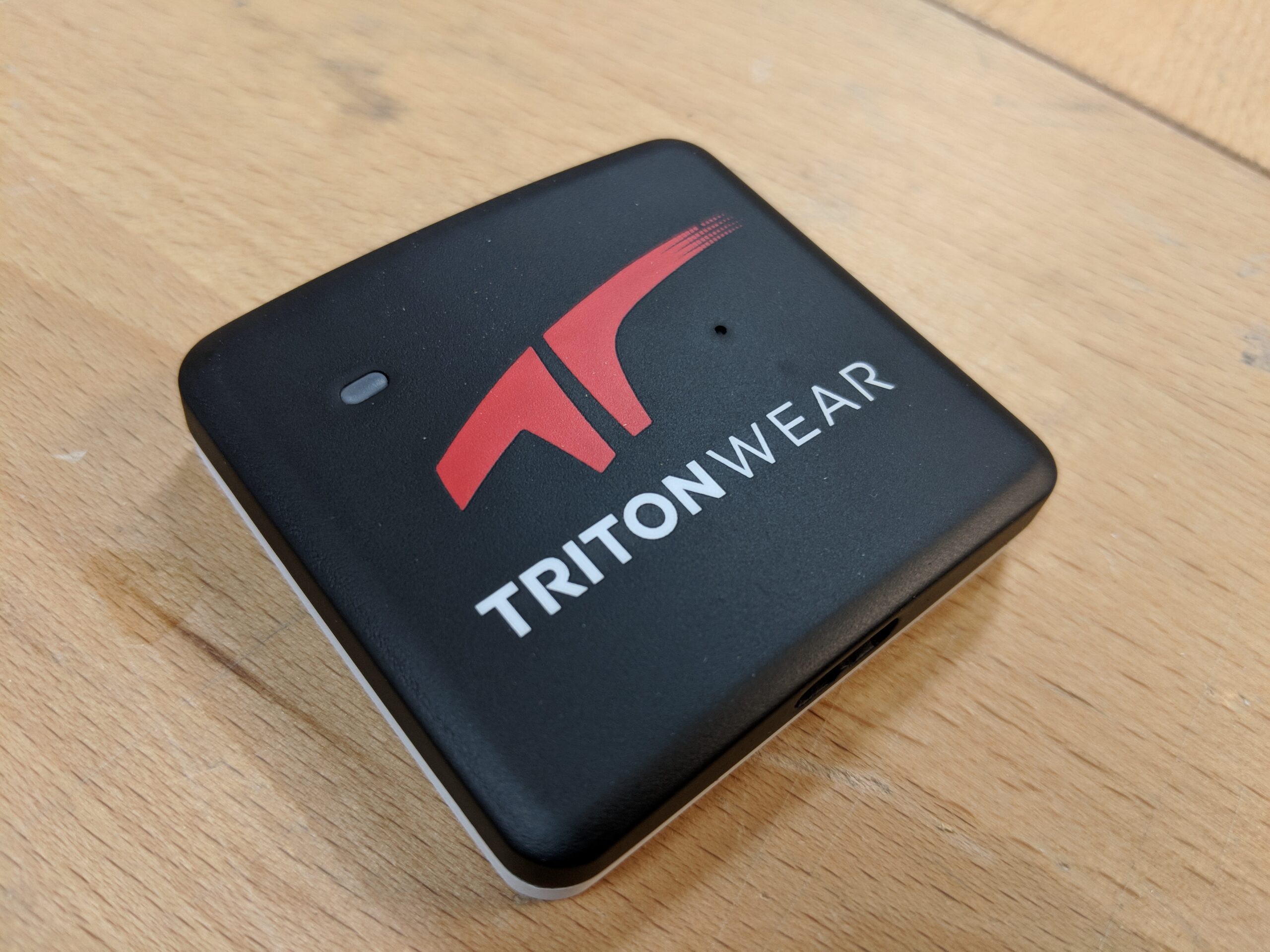
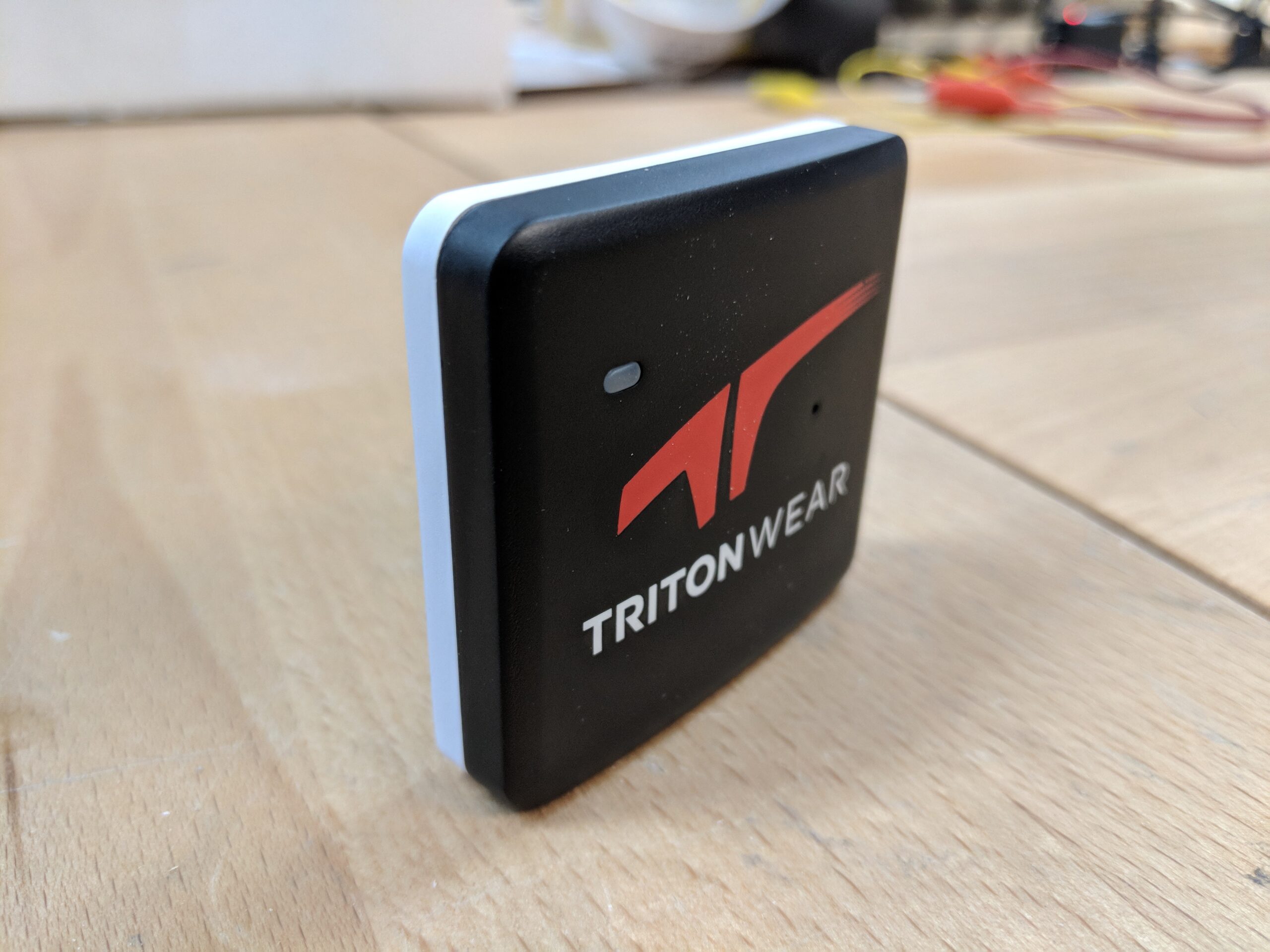
- Consistent placement without user instruction was achieved by shaping the housing geometry to invite correct orientation naturally.
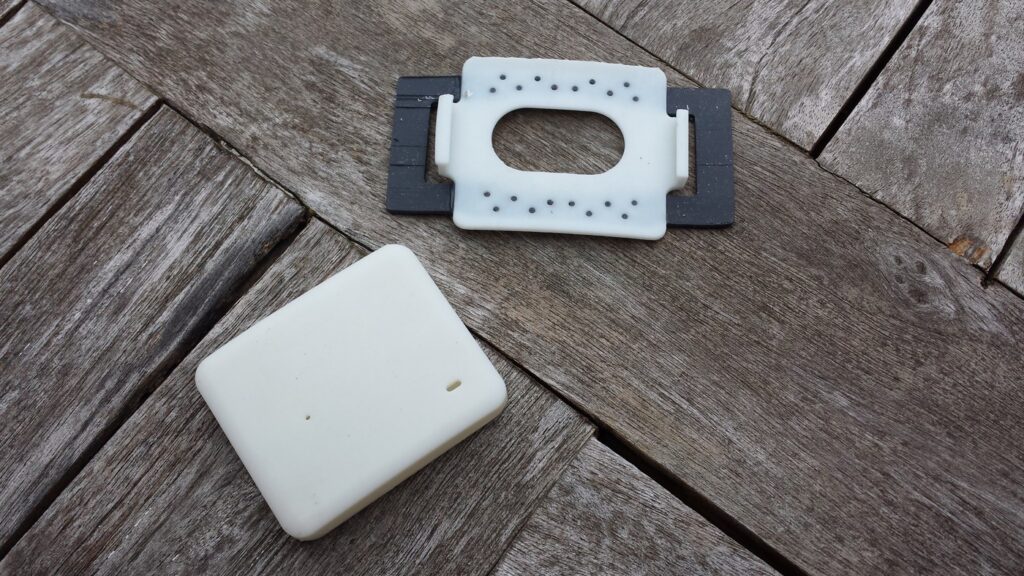
- Daily exposure to chlorine and pool decks demanded a finish stack proven for retail durability and brand consistency.
Mechanical Engineering
The product had to survive long-term immersion in chlorinated and salt-water pools while remaining producible at retail scale across an Asia contract manufacturer.
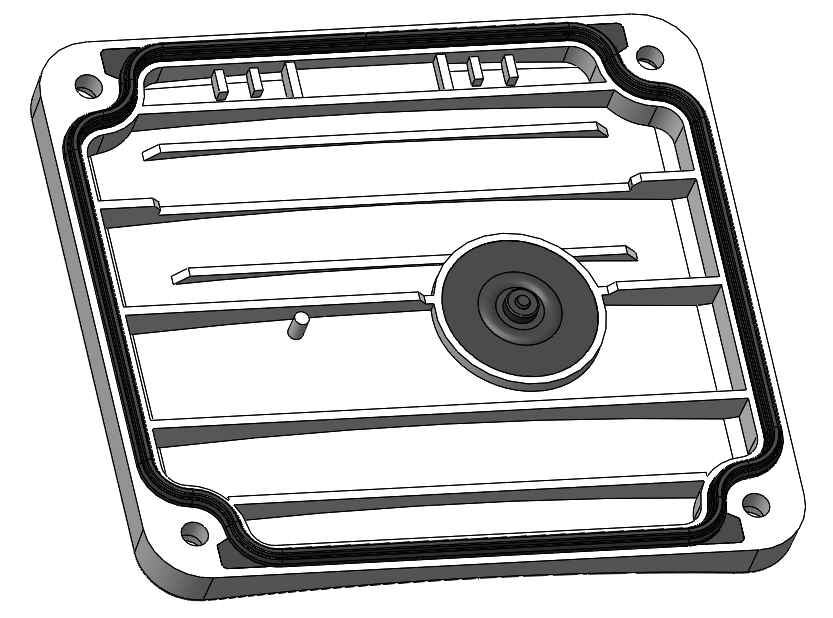
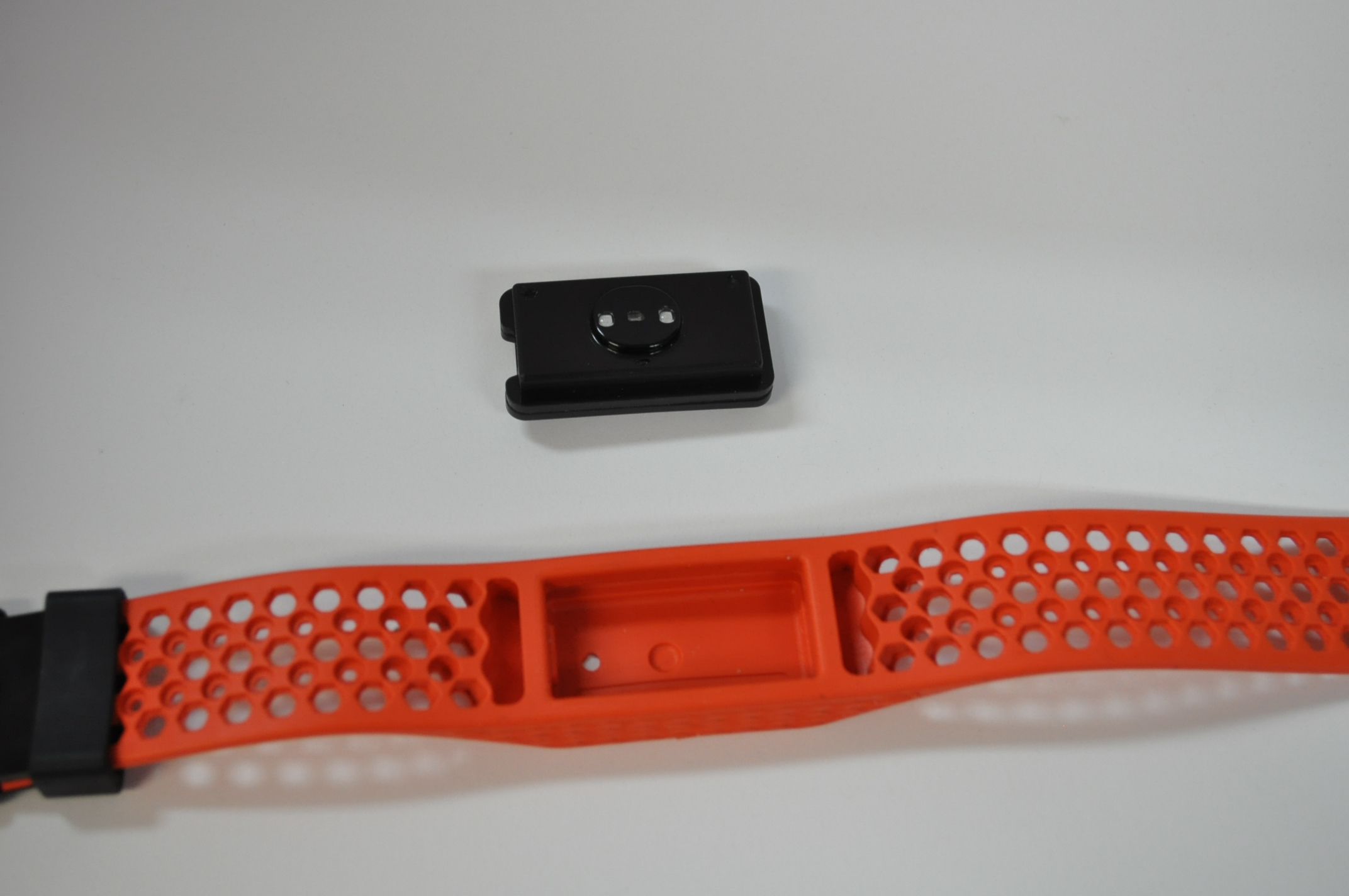
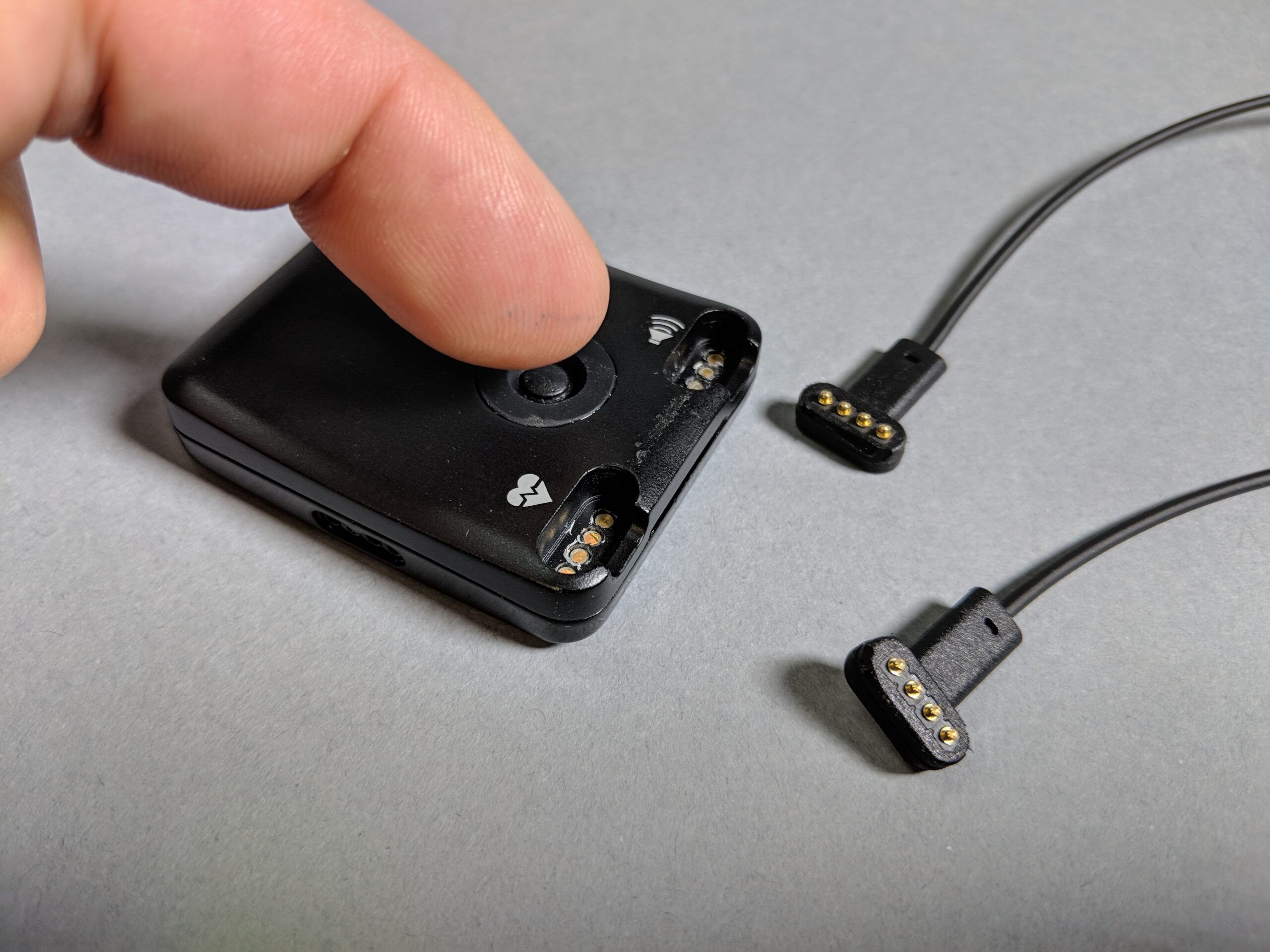
- A failing micro-USB connector was replaced with a magnetic charging interface, validated across nine subassembly revisions for mass production.
- Waterproof sealing passed three independent tests (submersion, rotation, wash cycle), with a production-line test equivalent to 30 meters of water depth applied to every unit.
- 100 unique mechanical parts were drawn through multiple rev cycles, with the full design package locked ahead of Asia tooling.
- Production assembly was reduced to an eight-step process, with custom fixtures developed to address failure modes uncovered in the December 2018 pilot build.
Electrical Engineering
The electronics platform had to integrate motion, orientation, depth, and heart-rate sensing, run BLE radio, and manage power on a single small battery, while clearing three regulatory regions simultaneously.
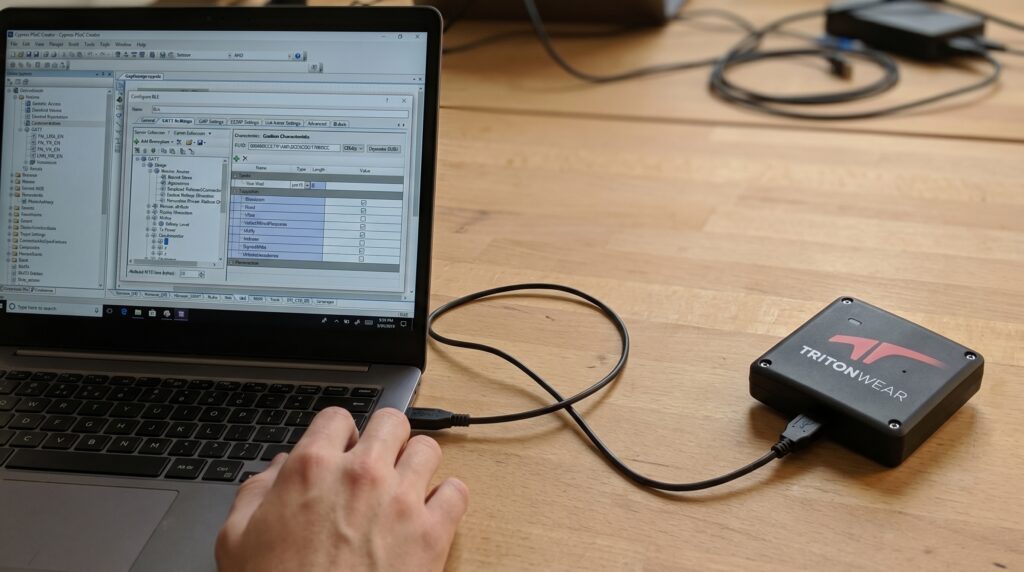
- A dual-core BLE-integrated processor was selected to run real-time sensor capture on one core and high-rate compute on the other, retiring the prior generation's external dongle.
- The integrated motion, depth, and heart-rate sensor stack was tuned for in-pool sampling, with antenna performance iterated through the housing plastics.
- Power management was designed for eight hours of continuous use, with a separated analog supply rail to isolate sensor noise.
- The April 2019 regulatory pre-screen cleared FCC, CE, and Industry Canada Class B emissions with margin, paving the path to certification on the shipping device.
Firmware
BLE links to head-worn pods in water are inherently bursty: the radio surfaces and submerges on every stroke. The firmware had to make this work for an entire team, compute metrics on-device, and synchronize results back to a single coach’s tablet.
- A high-density BLE network managed more than 50 simultaneous bursty connections from a single coach's tablet, exceeding the seven-connection ceiling of the BLE specification.
- Connection intervals were tuned to carry bursts of IMU motion data without collisions, while aggressive power management preserved battery life across full training sessions.
- Compute and radio responsibilities were partitioned across two processor cores to balance real-time sensor capture with high-rate metric computation.
- A 27-metric catalog covering underwater, overwater, transition, and heart-rate measurements was delivered to the TritonWear app team.
- Secure-boot over-the-air firmware update was built in for post-launch revisions.
Product Results
The Triton 2 launched to retail in November 2019 and remains TritonWear’s flagship competitive-swim hardware platform, in active use through 2023 and beyond. Thousands of units have shipped across competitive swim programs and national federations.
- Certified to FCC, CE, and Industry Canada Class B regulatory standards.
- Waterproof to 30 meters of water depth, validated on every unit at production.
- 27-metric performance analytics catalog delivered to the TritonWear app and cloud platform.
- Magnetic pogo-pin charging, full charge in one hour.
- Production launched at TritonWear's Asia contract manufacturer with unit-level laser-etched serialization.
Swimming Canada welcomes TritonWear as official training technology
“We’ve already seen great results from our work with Swimming Canada and their high-performance athletes; this partnership allows us to take that to the next level together”
~ TritonWear CEO, Tristan Lehari