

• Services
  • Portfolio

Archives: Portfolio

Description.

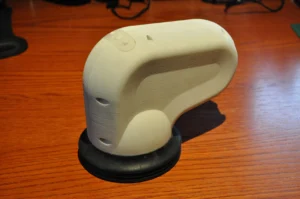
ArcheOptix – Portable Brain Scanner

ArcheOptix - Portable Brain Scanner

A handheld near-infrared scanner that detects brain bleeds in the field.

An inside glimpse into the product development of the ArcheOptix "Portable MRI.

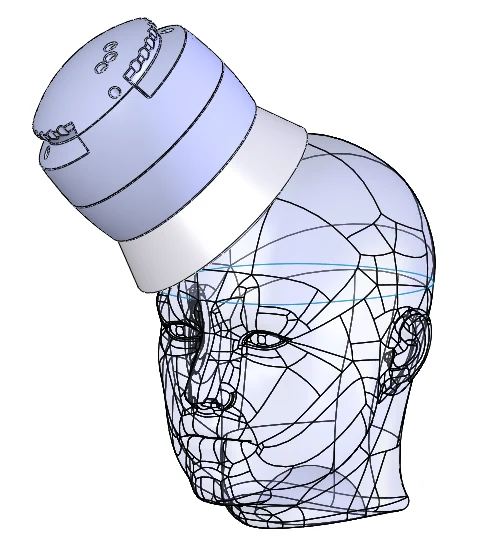
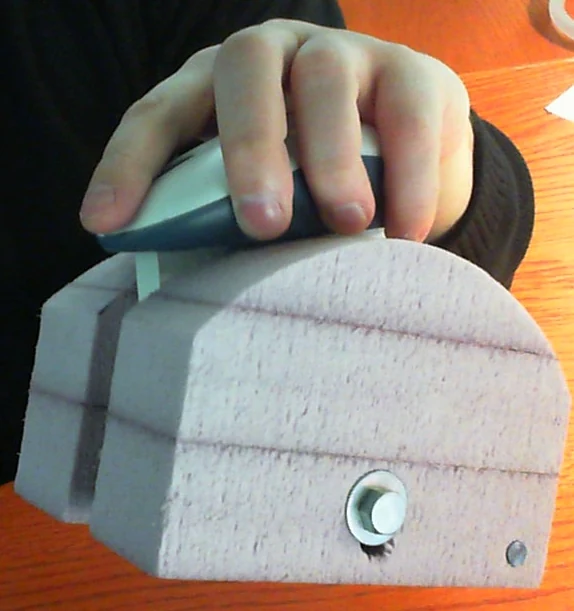
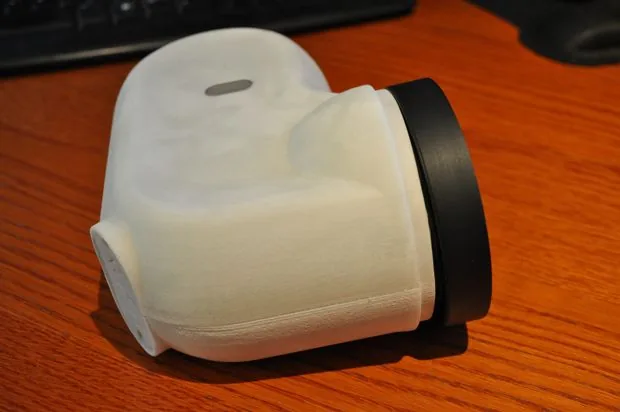
Early Stage 3D Concepts

Product Design Requirements

ArcheOptix set out to detect brain bleeds, the acute subdural and epidural hematomas behind traumatic brain injury, at the point of care rather than waiting on a hospital CT. They engaged Design 1st to turn a bench-top near-infrared prototype into a handheld, battery-powered instrument ready for clinical trials and volume manufacturing.

Backed by an Ontario Brain Institute NERD research grant, the program ran from early concept through production release, with Design 1st owning the industrial design, optomechanical engineering, electronics integration, prototyping, and supply chain.

Engineering Challenges

A near-infrared reading lives or dies on light discipline and sensor geometry. Implementing Design 1st’s proven process, the team solved the optical, mechanical and manufacturing problems in parallel.

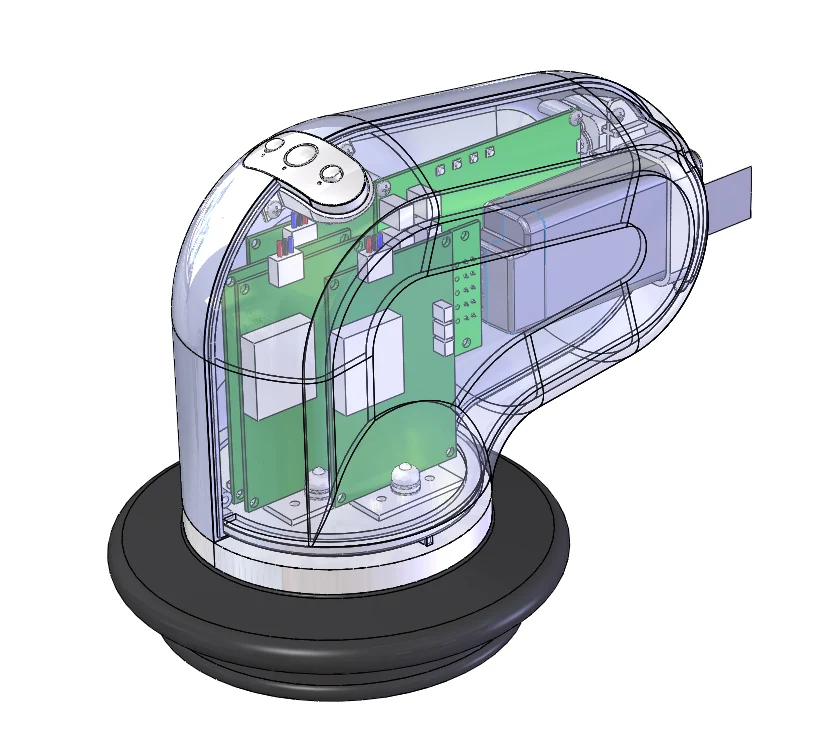

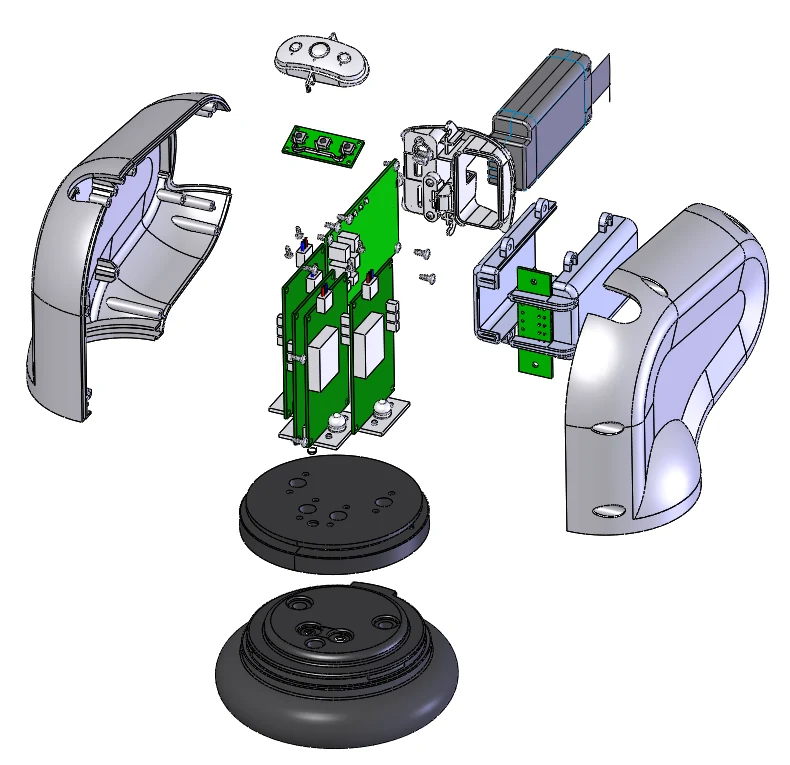
3D Exploded View of Product Assemblu
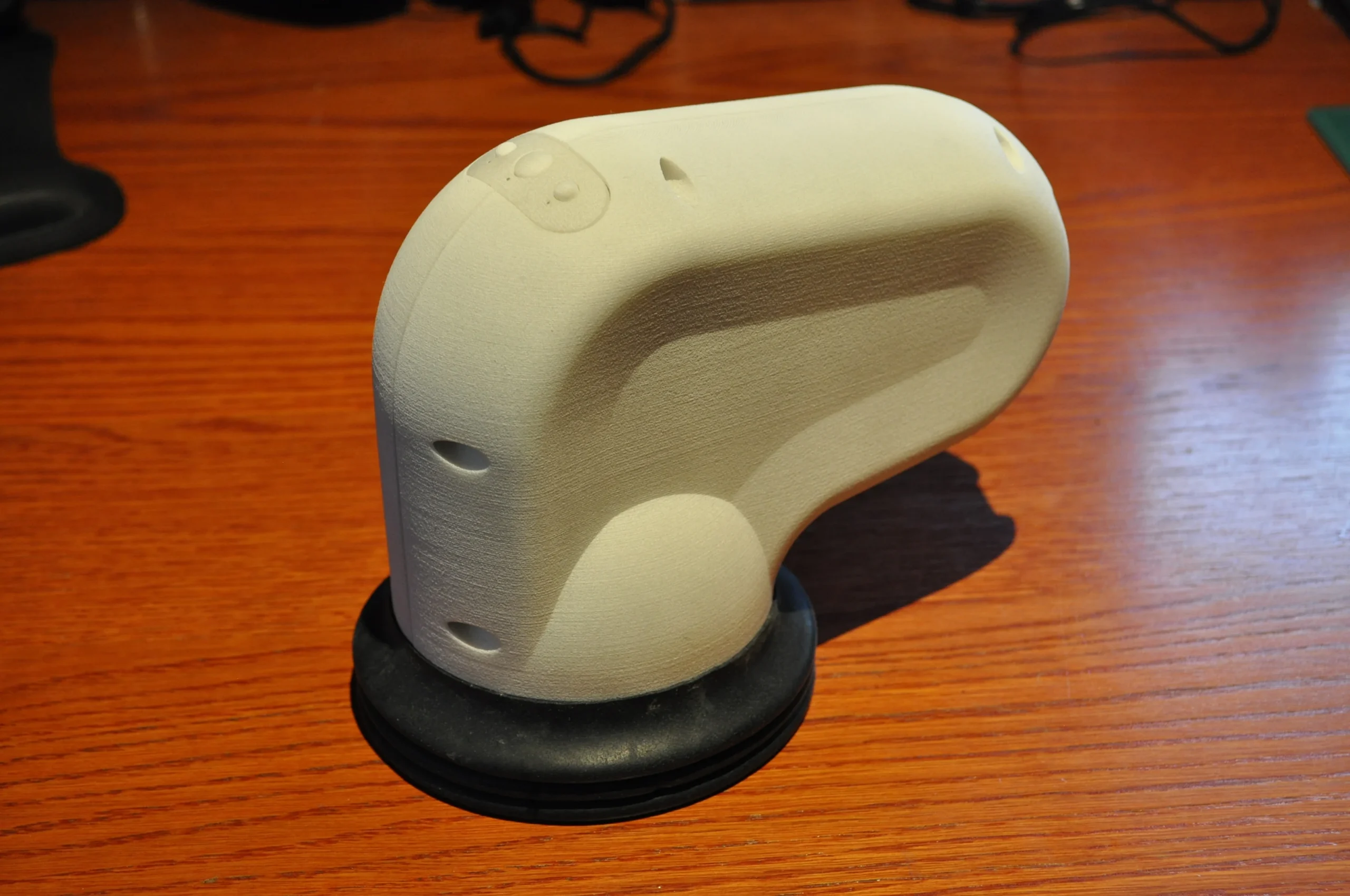
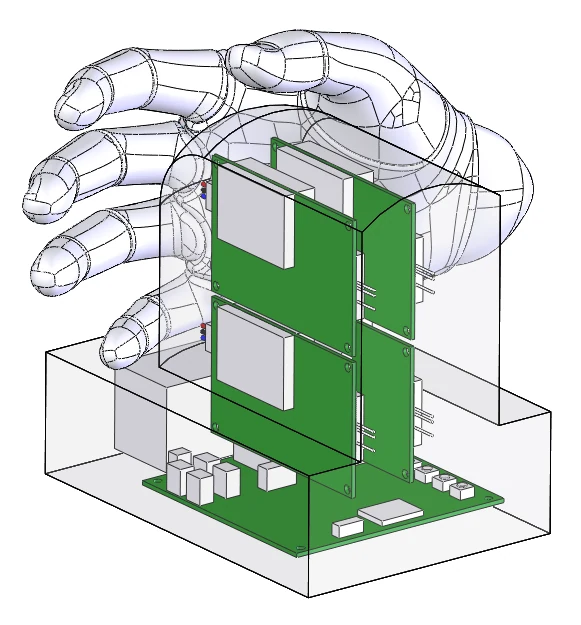
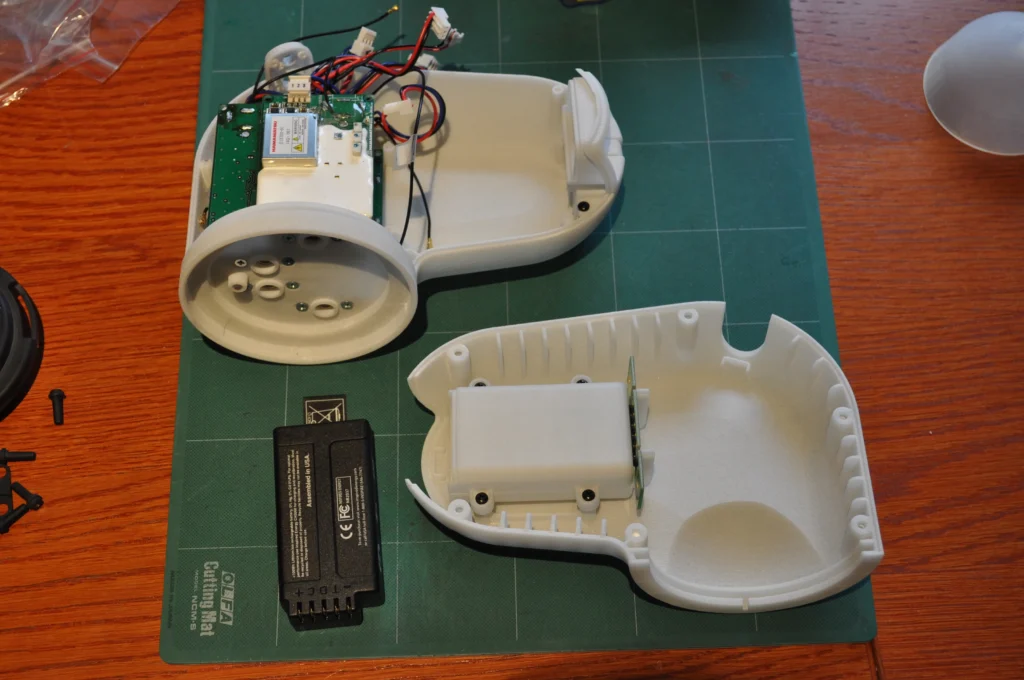
Functional Prototype Bench Build

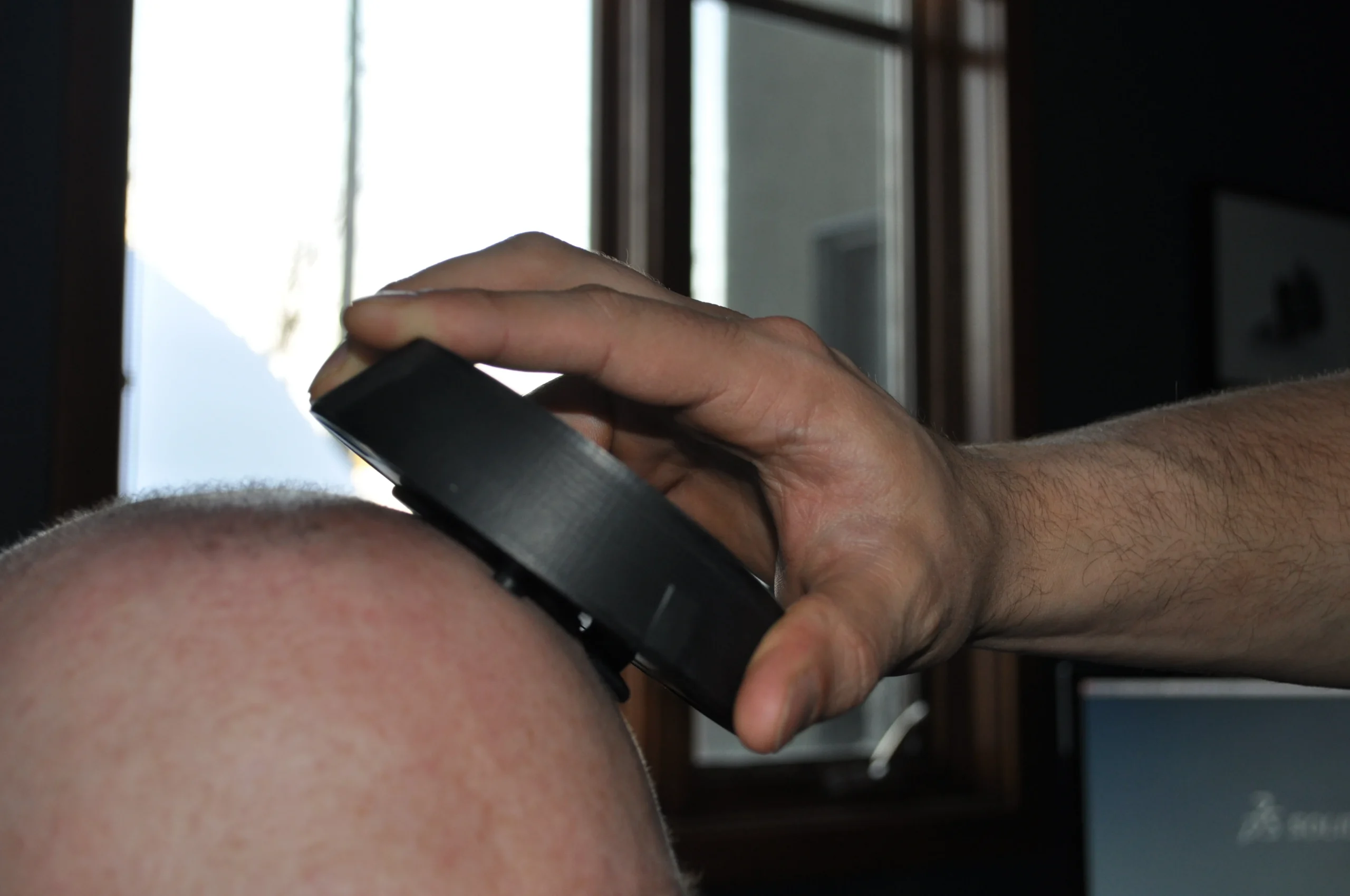
Prototype Build and Test

Design 1st integrated optics, electronics, power and a clinician-friendly interface into a single, manufacturable package. The full assembly came together from parts the team designed, sourced and documented for production.

Product Results

The ArcheOptix scanner moved from a bench concept to a clean, production-ready handheld instrument, with assembled clinical-trial units in hand and a complete manufacturing package ready for the contract manufacturer.

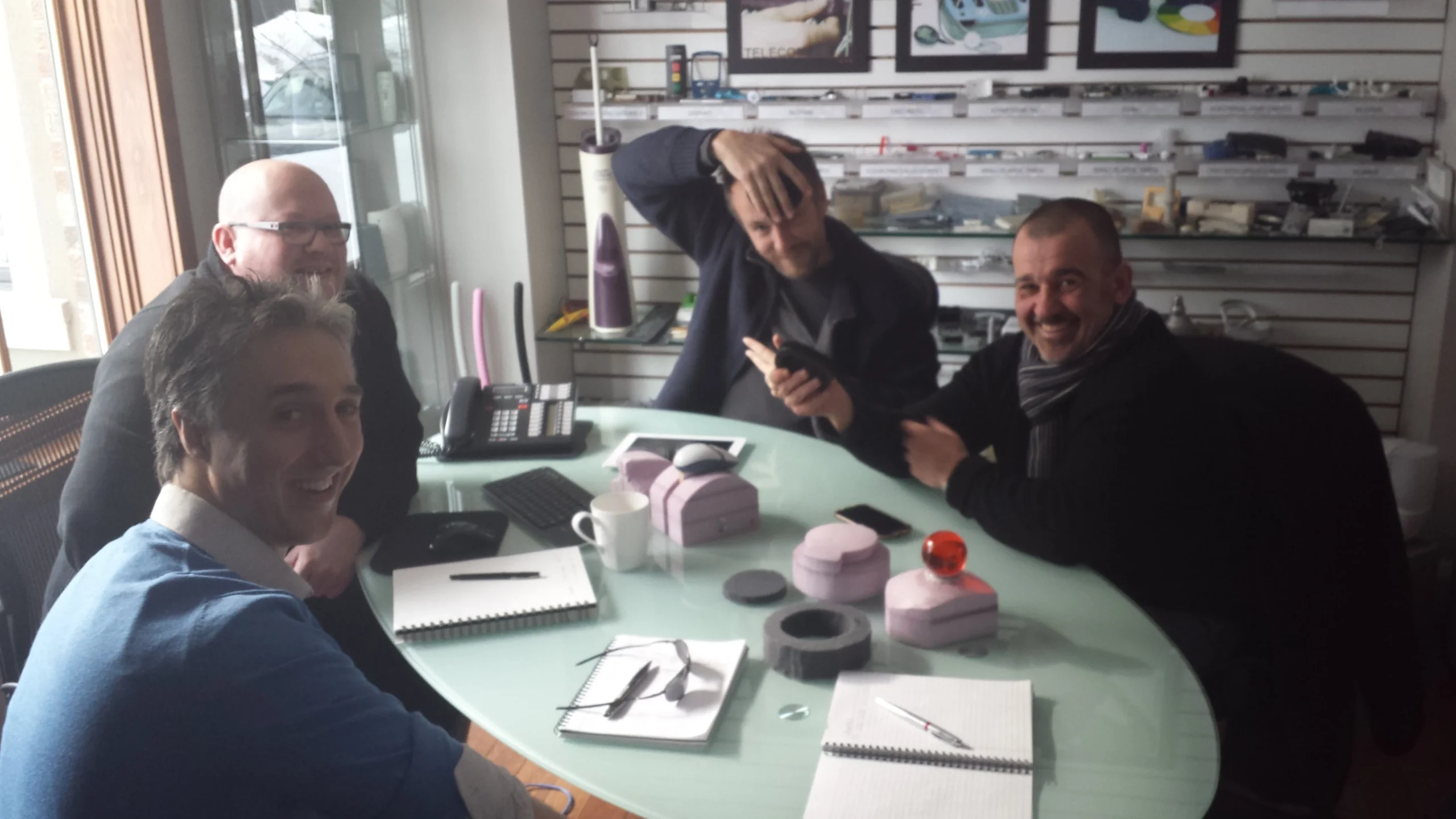
Design 1st Meeting with ArcheOptix

A breathrough in traumatic brain injury detection

The innovative NIRD® (Near-Infrared Diffuse Reflectance) technology provides advanced brain scanning, our of the hospital and into the field.

Related Case Studies

Published on: July 6, 2026

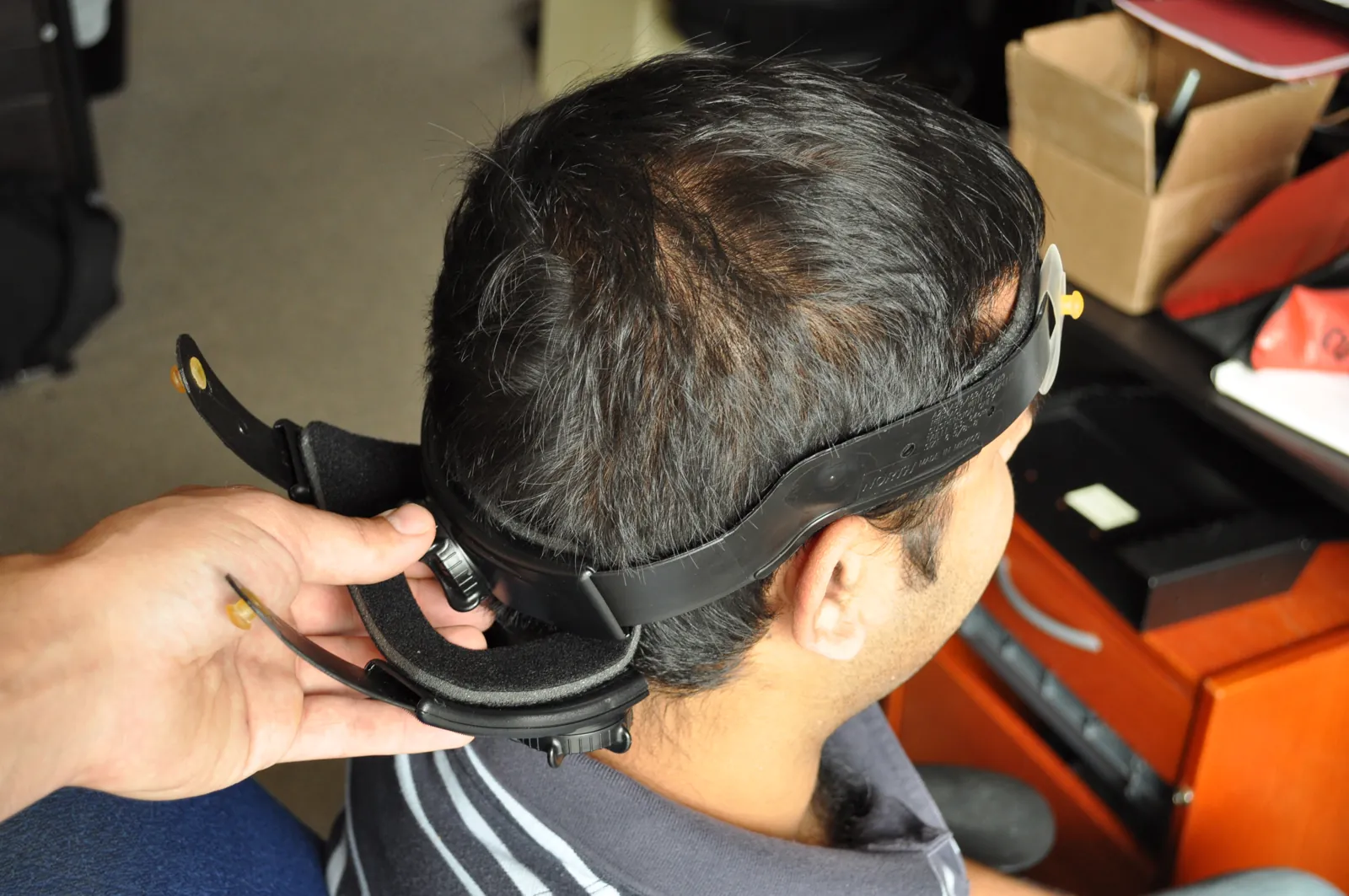
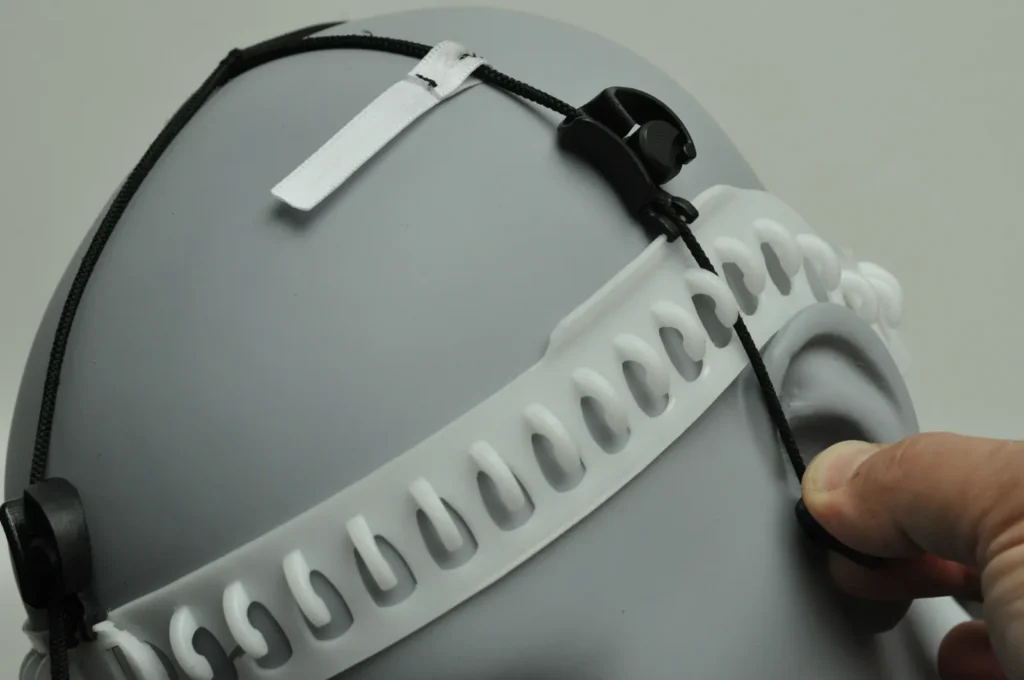
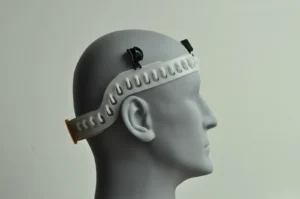
Electrode-Retaining Headband

Electrode-Retaining Headband

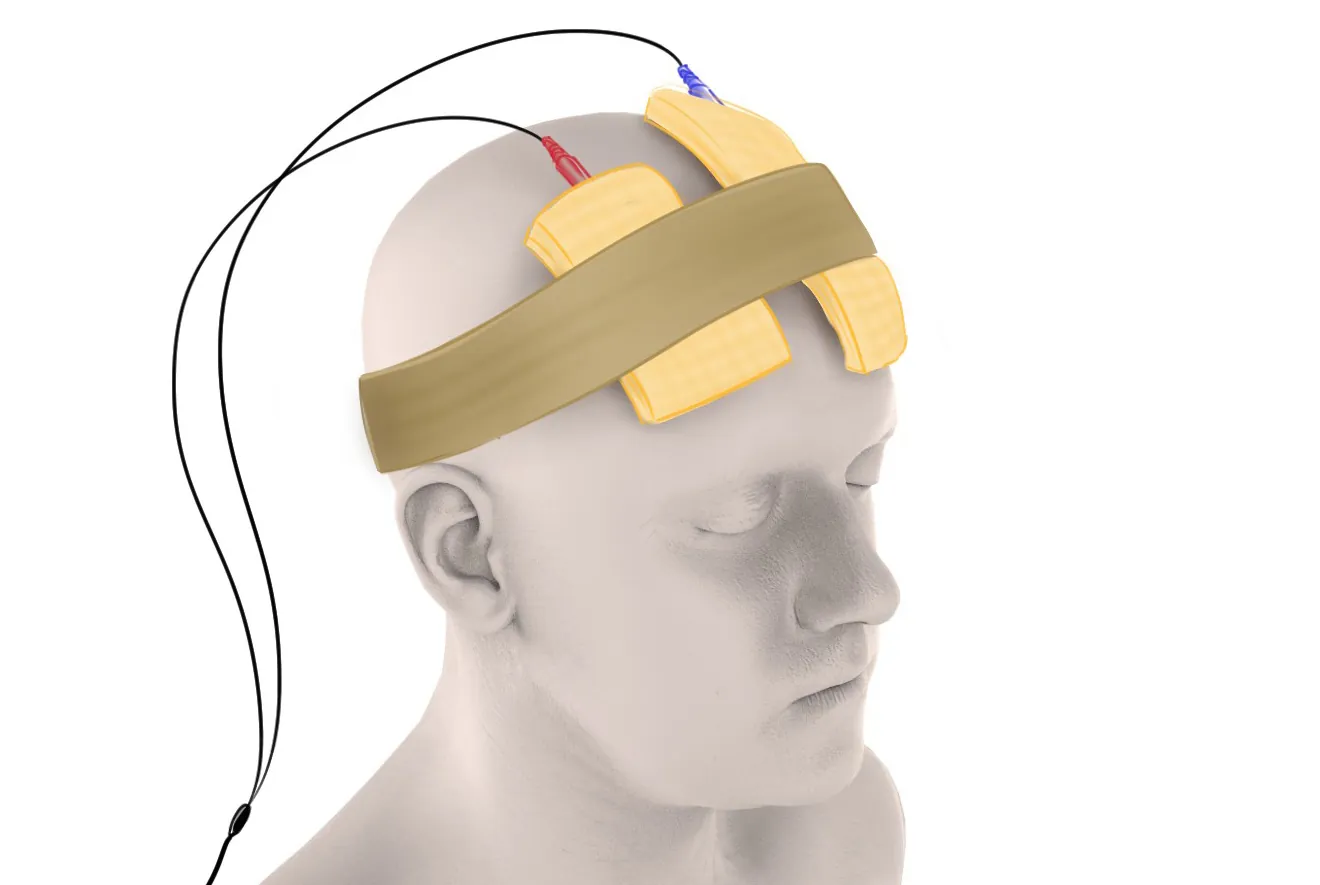
A precision cranial positioning system for transcranial stimulation therapy.

An Inside Glimpse Into the Product Development of Nordoc's Electrode Positioning Headband

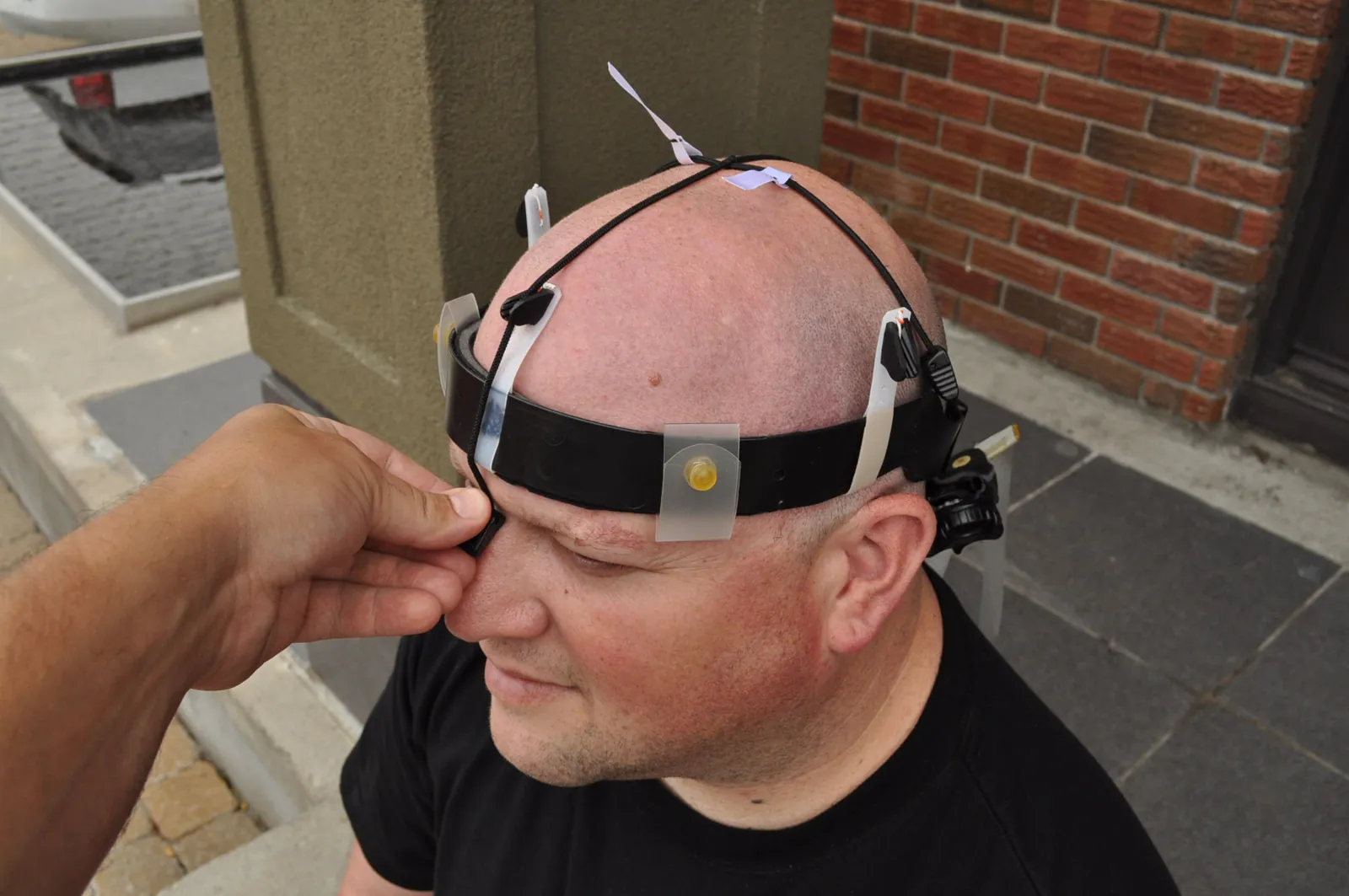
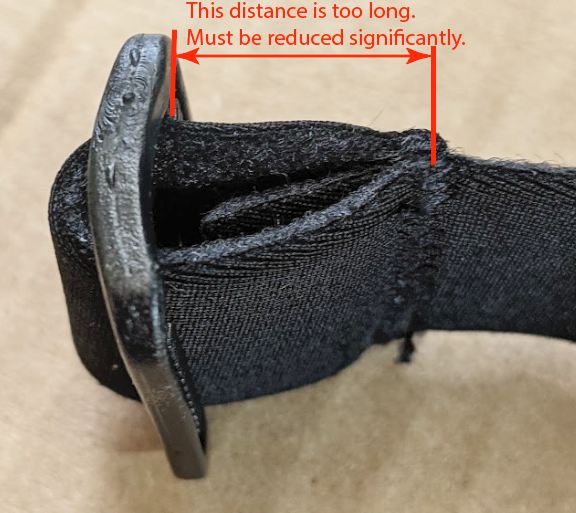
Early Design Concept Testing

Product Design Requirements

Engineering Challenges

A medical device developer came to Design 1st with a procedure that had barely changed in decades. Placing tDCS electrodes meant measuring the head by hand, determining reference points, and holding the sponges in place while a second person wrapped an elastic bandage over them. It was slow, it needed two people, and small placement errors carried consequences. Design 1st was hired to invent something better, from first concepts through working prototypes.
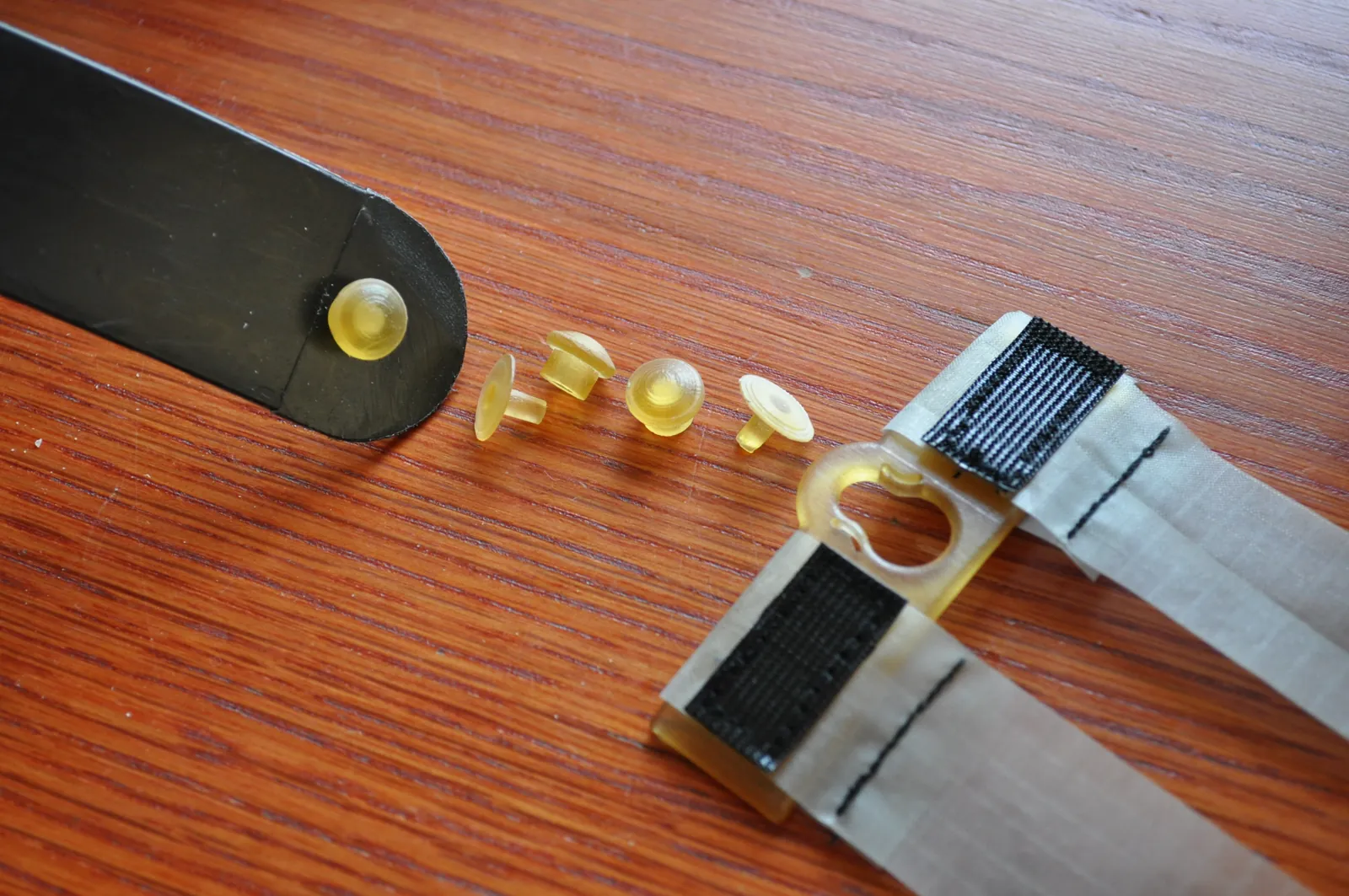
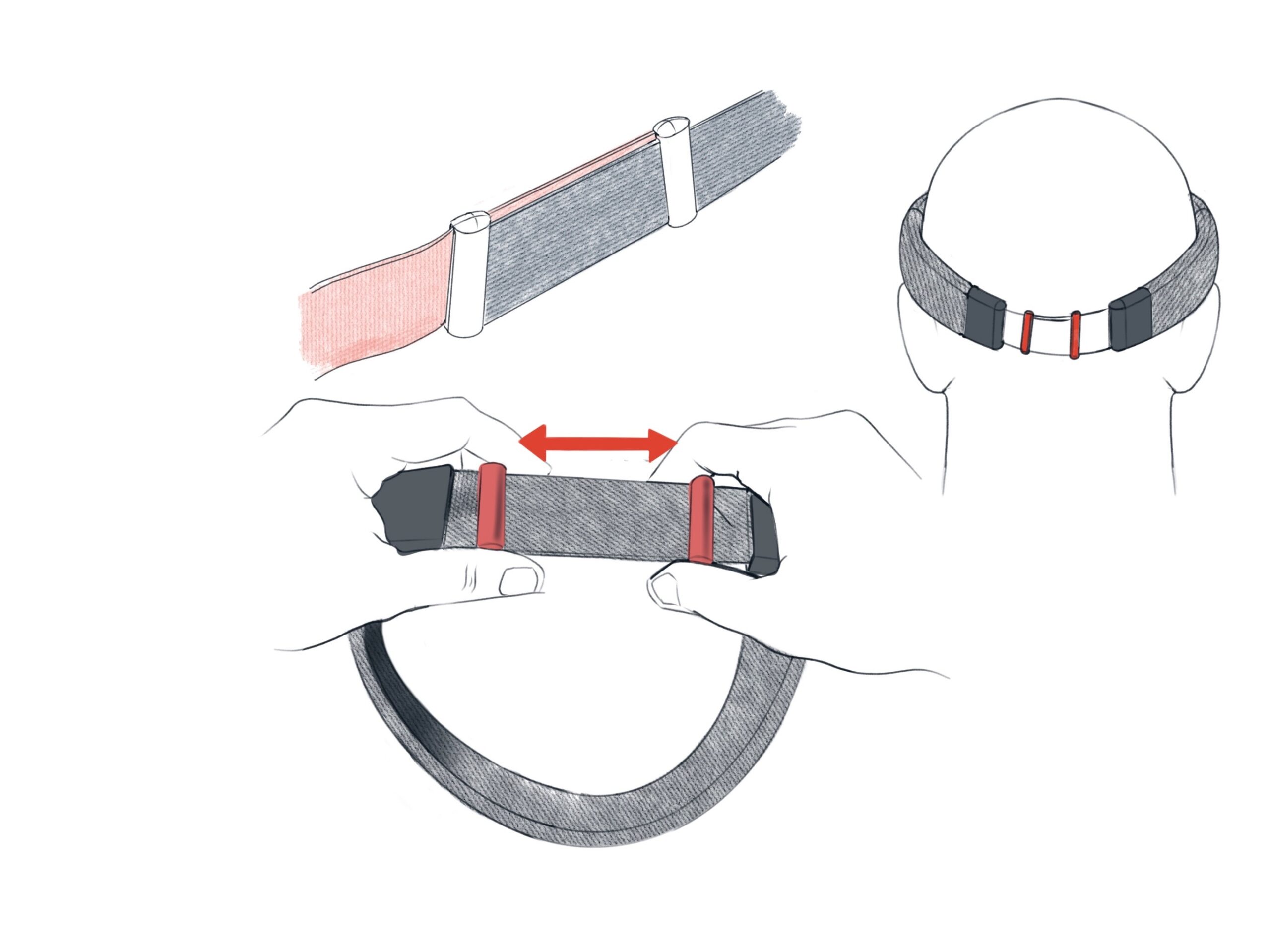
Ratchet System Research
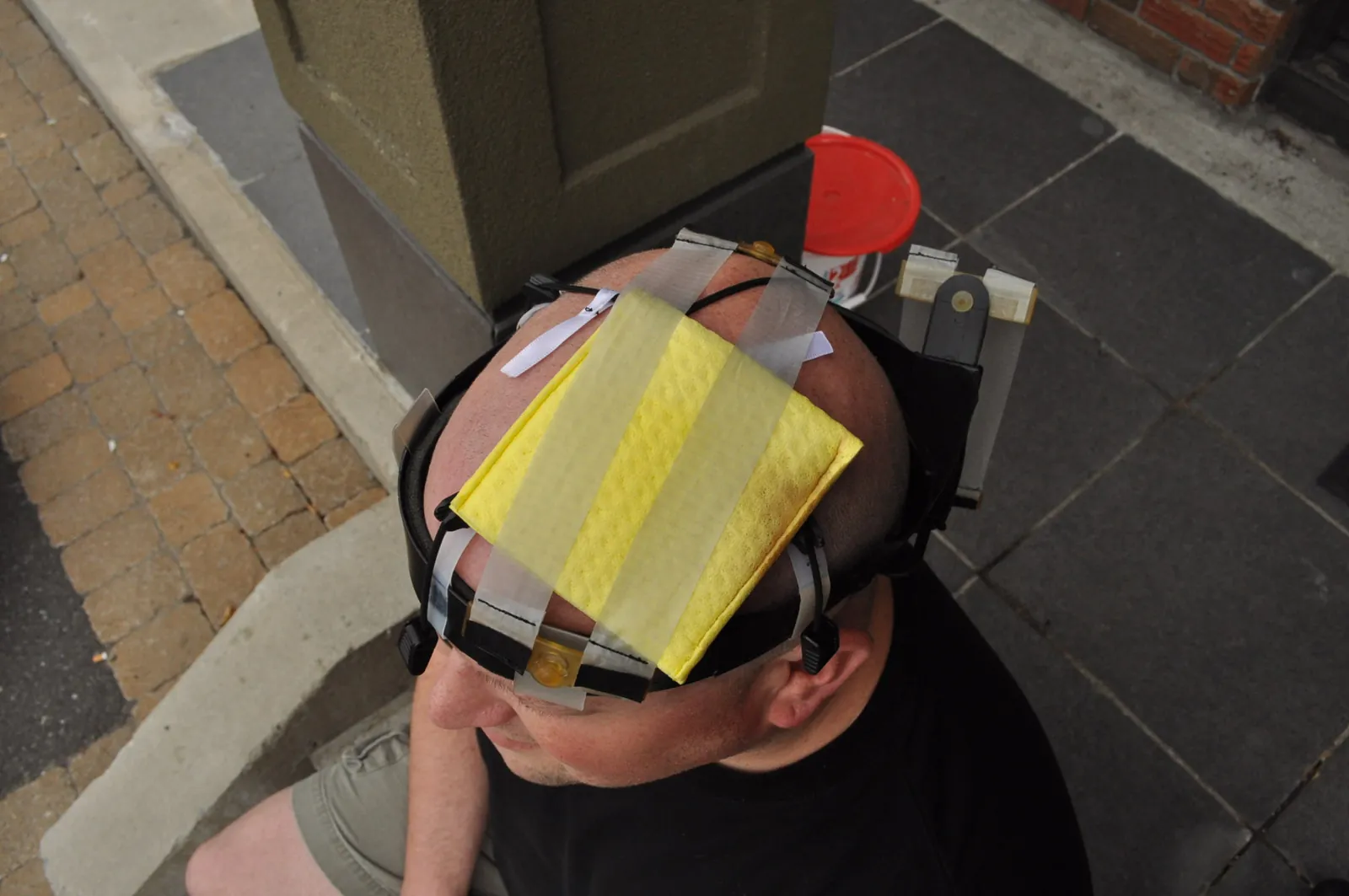
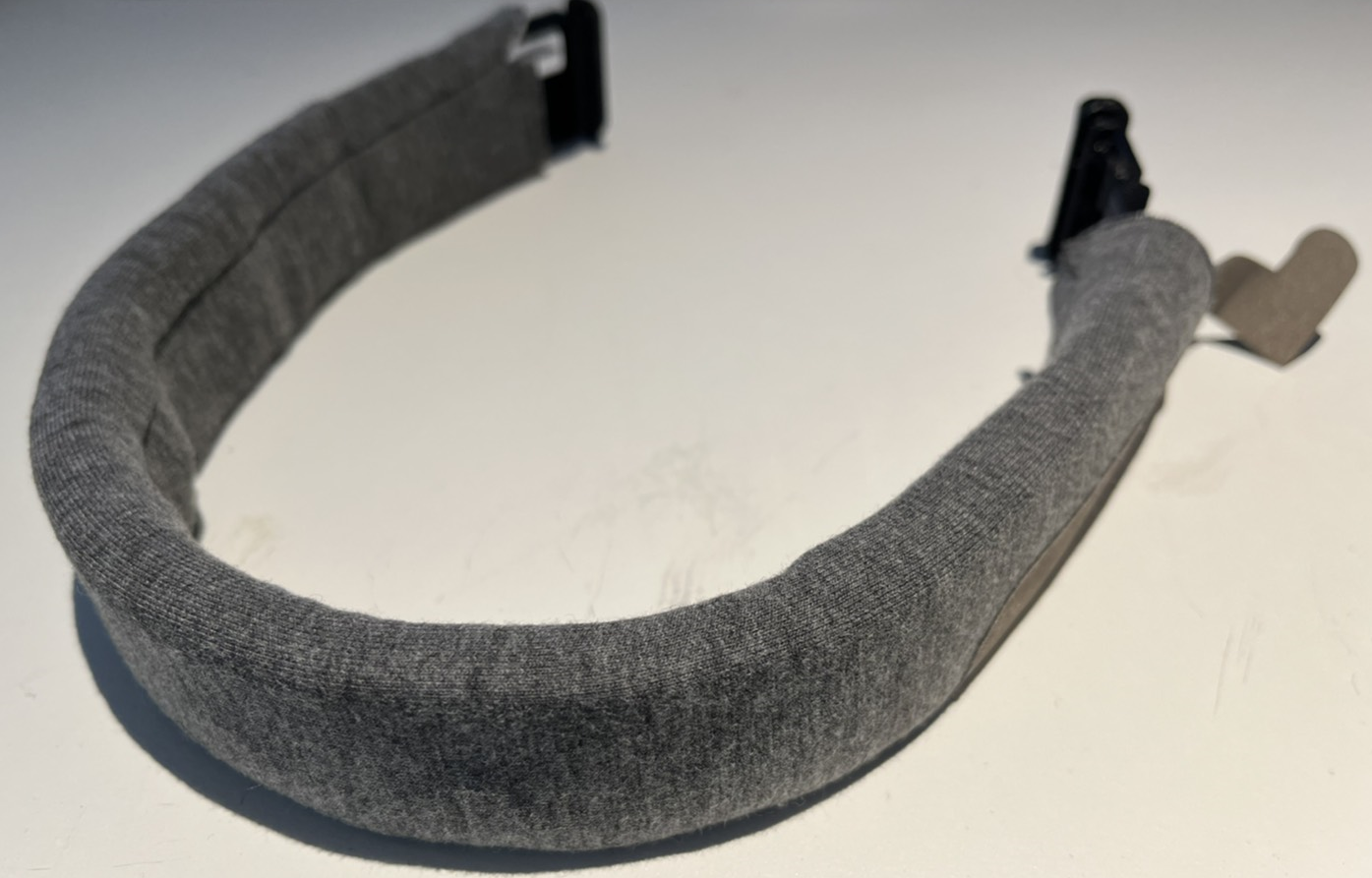
Alpha Prototype Testing

Product Results

Design 1st delivered a complete, patentable system and proved it on real anatomy. What used to need two people and a tape measure became a job for one.

Related Case Studies

Published on: June 14, 2026
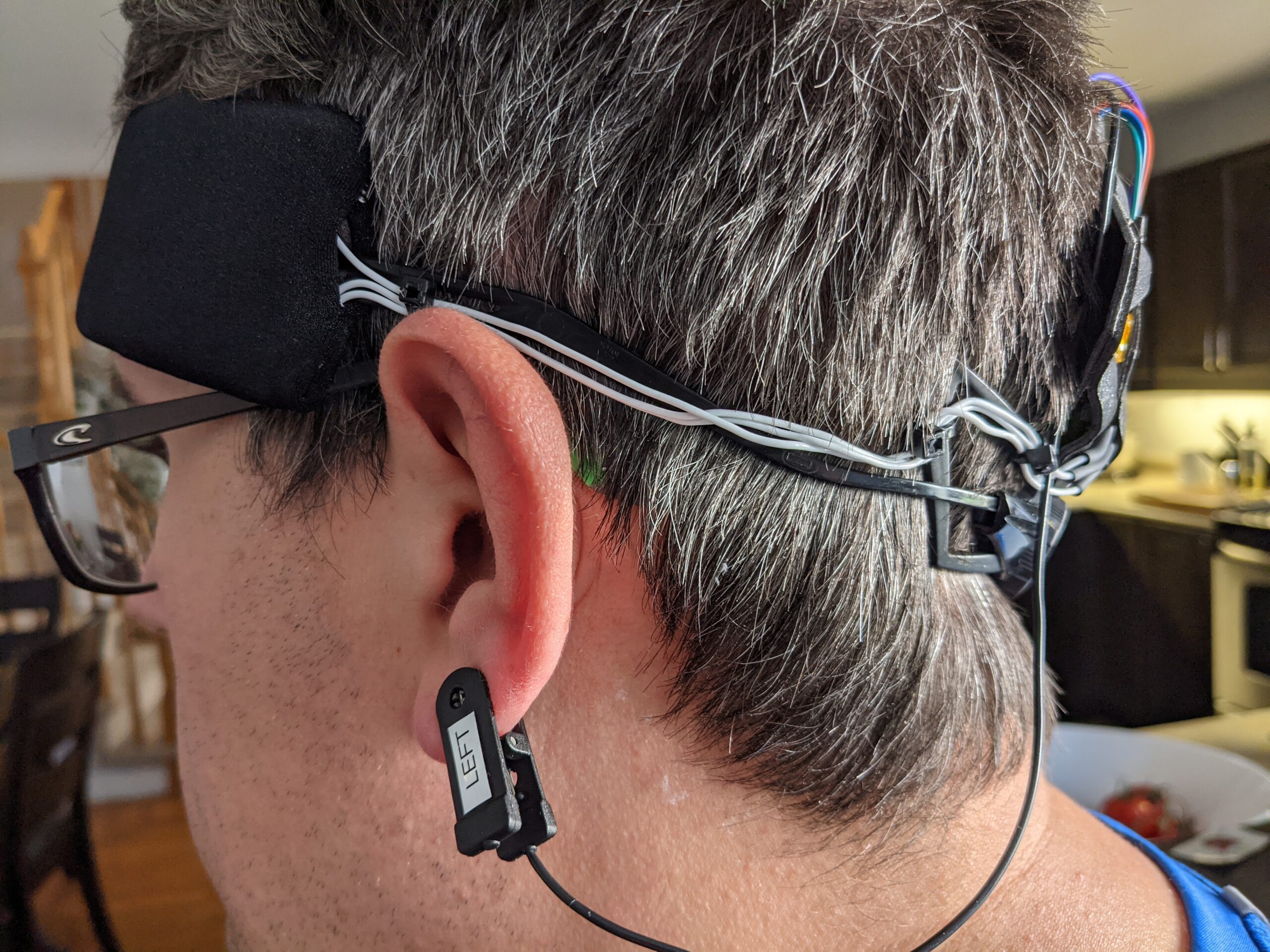
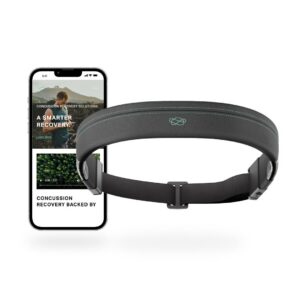
Neurovine – Brain Activity Headband

Neurovine: Brain Activity Headband

A connected headband that reads brain activity to help guide concussion recovery

An Inside Glimpse Into the Product Development of Neurovine's Concussion Recovery Headband

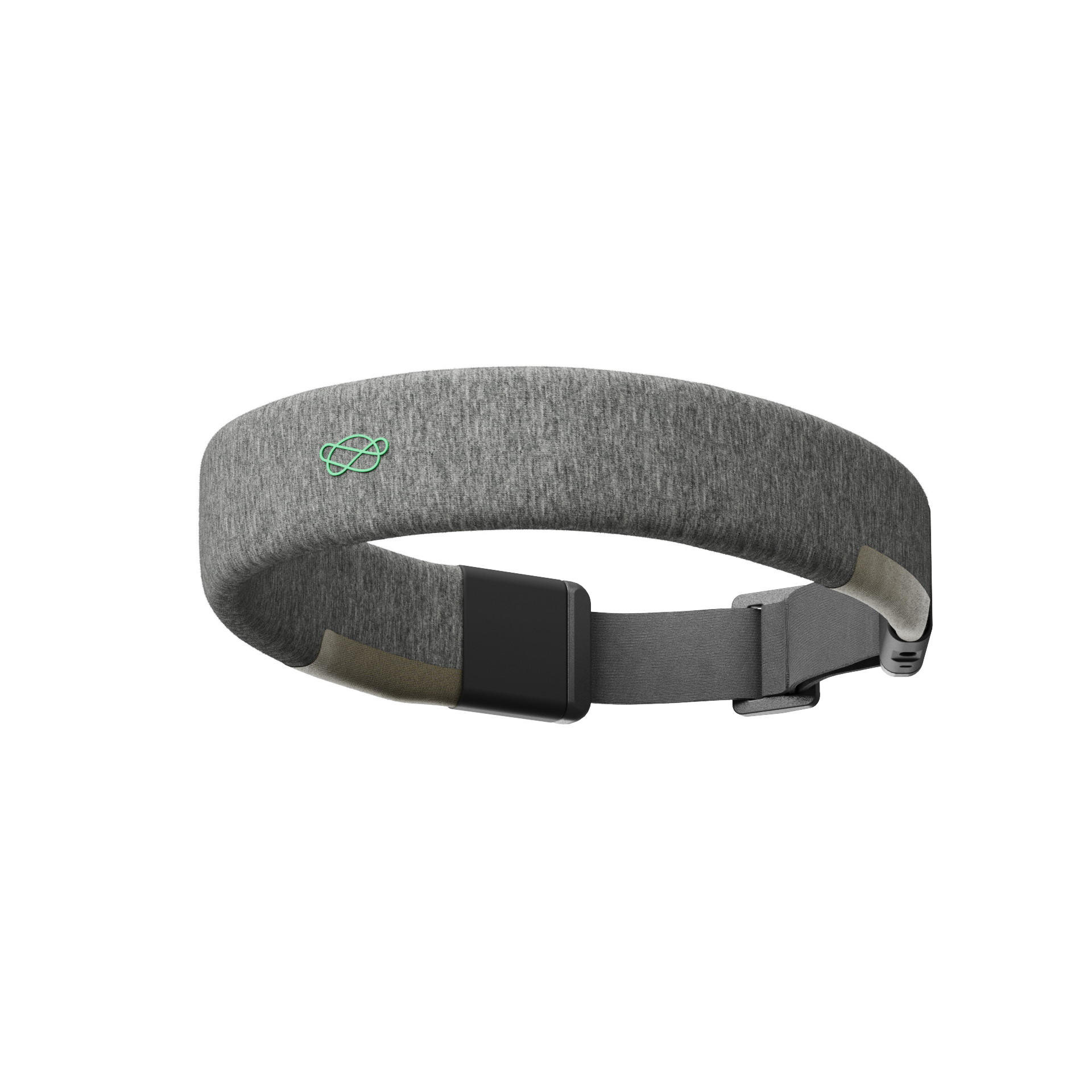
Early Concept Sketches
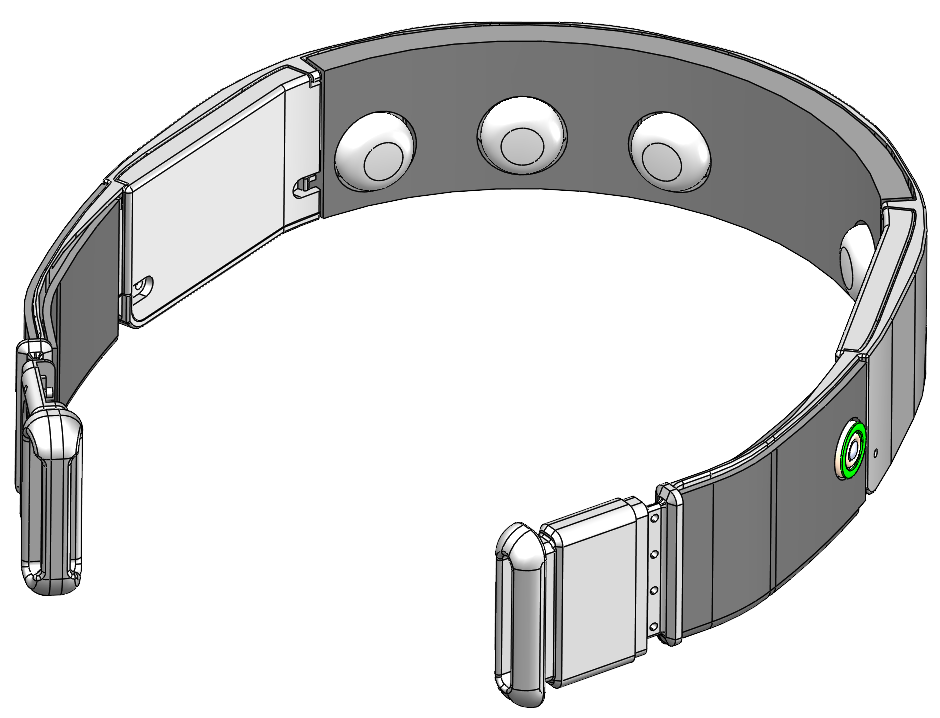
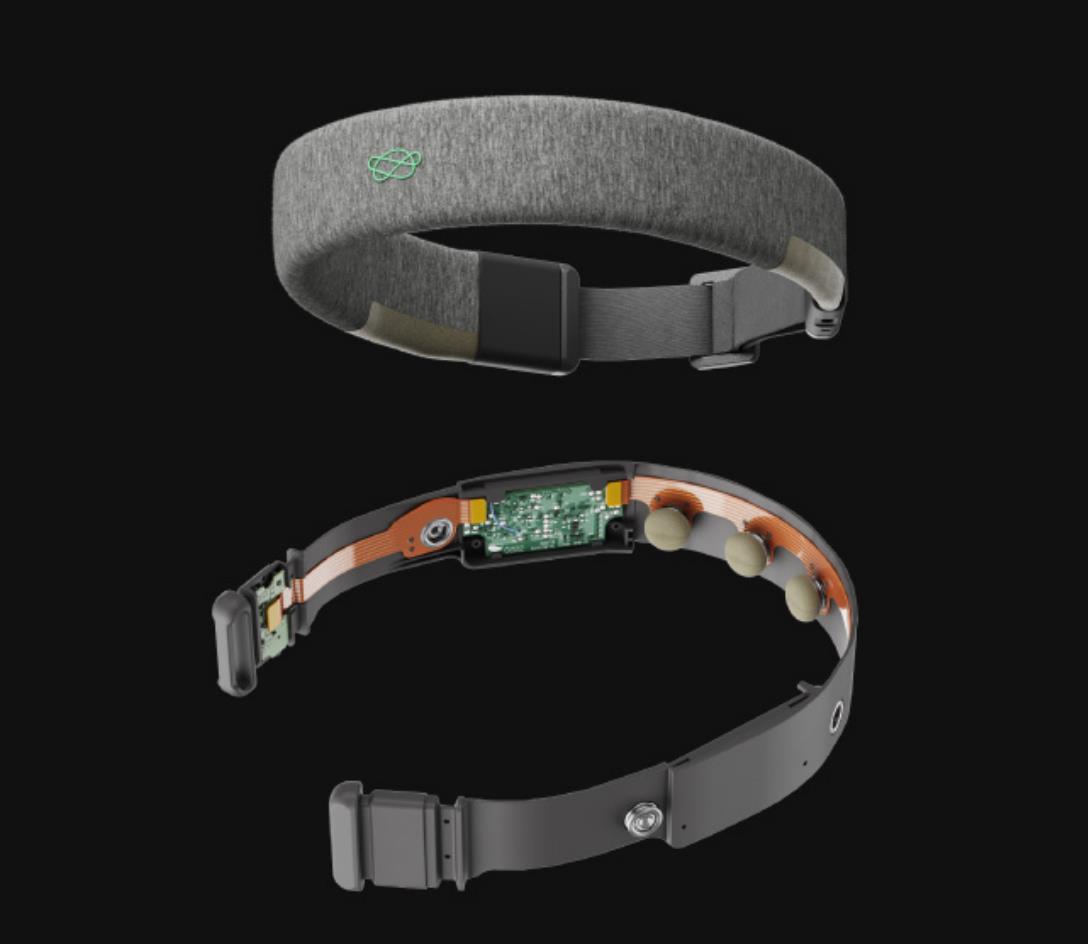
Headband Concept 3D CAD

Product Design Requirements

Ashleigh Kennedy, PhD, founder and CEO of Neurovine Inc., brought Design 1st an early-stage prototype and asked the team to turn it into a production-ready EEG headband that monitors brain activity during concussion recovery. EEG (electroencephalography) reads the brain’s faint electrical signals through sensors against the scalp. From first concept to the goal of a 1,000-unit Canadian production run, Design 1st handled industrial design, electronics, firmware, quality, regulatory, and manufacturing.

The device began as a physician-prescribed medical product, which set a high bar: a documented, traceable design process and a fully defined supply chain. Neurovine later pivoted to a more accessible first market, a testing and consumer wellness device. That shift reshaped the feature set and drove a second round of production design around the curved-frame headband that reached volume.

The Physical Product Design Challenges

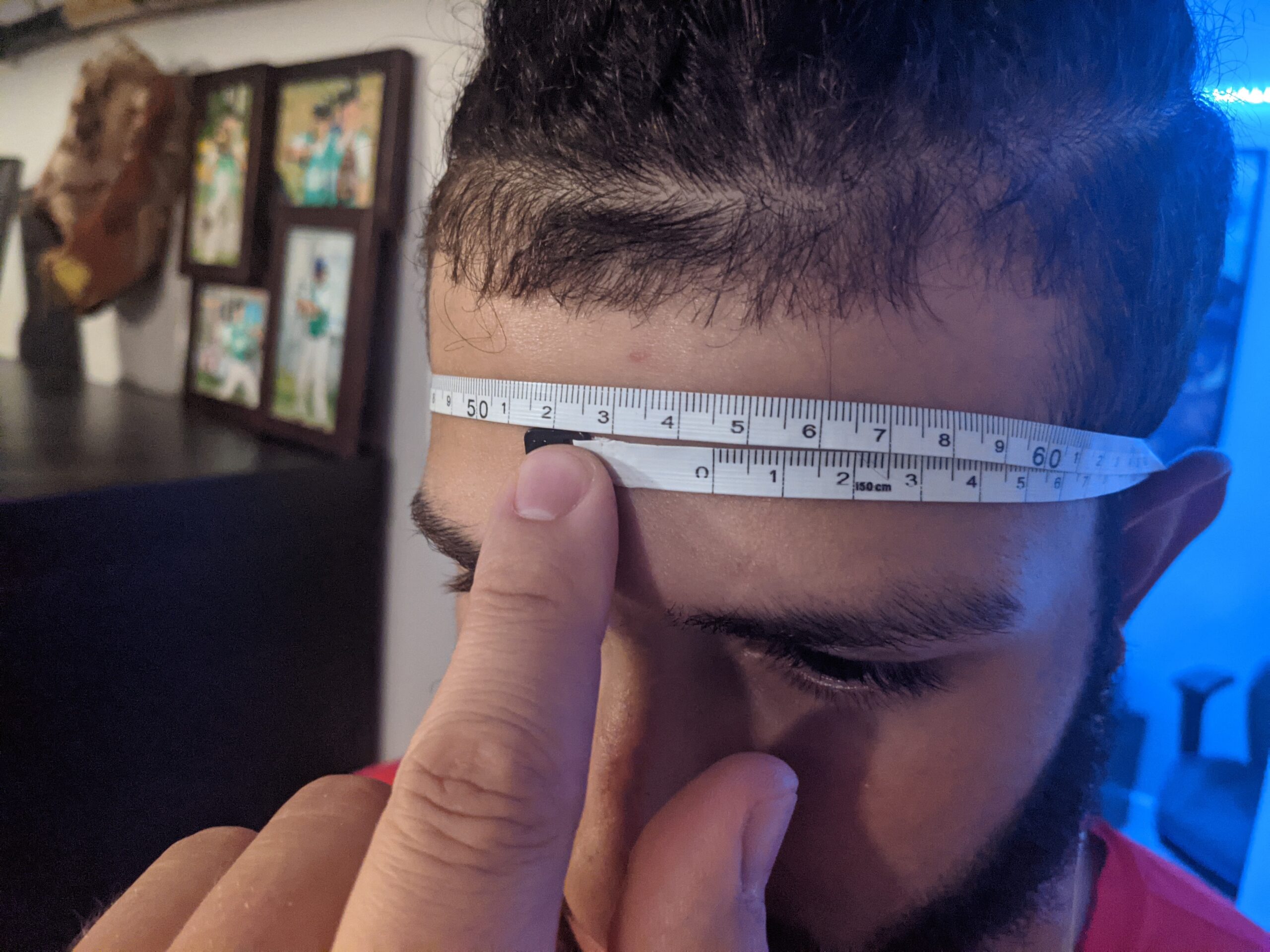
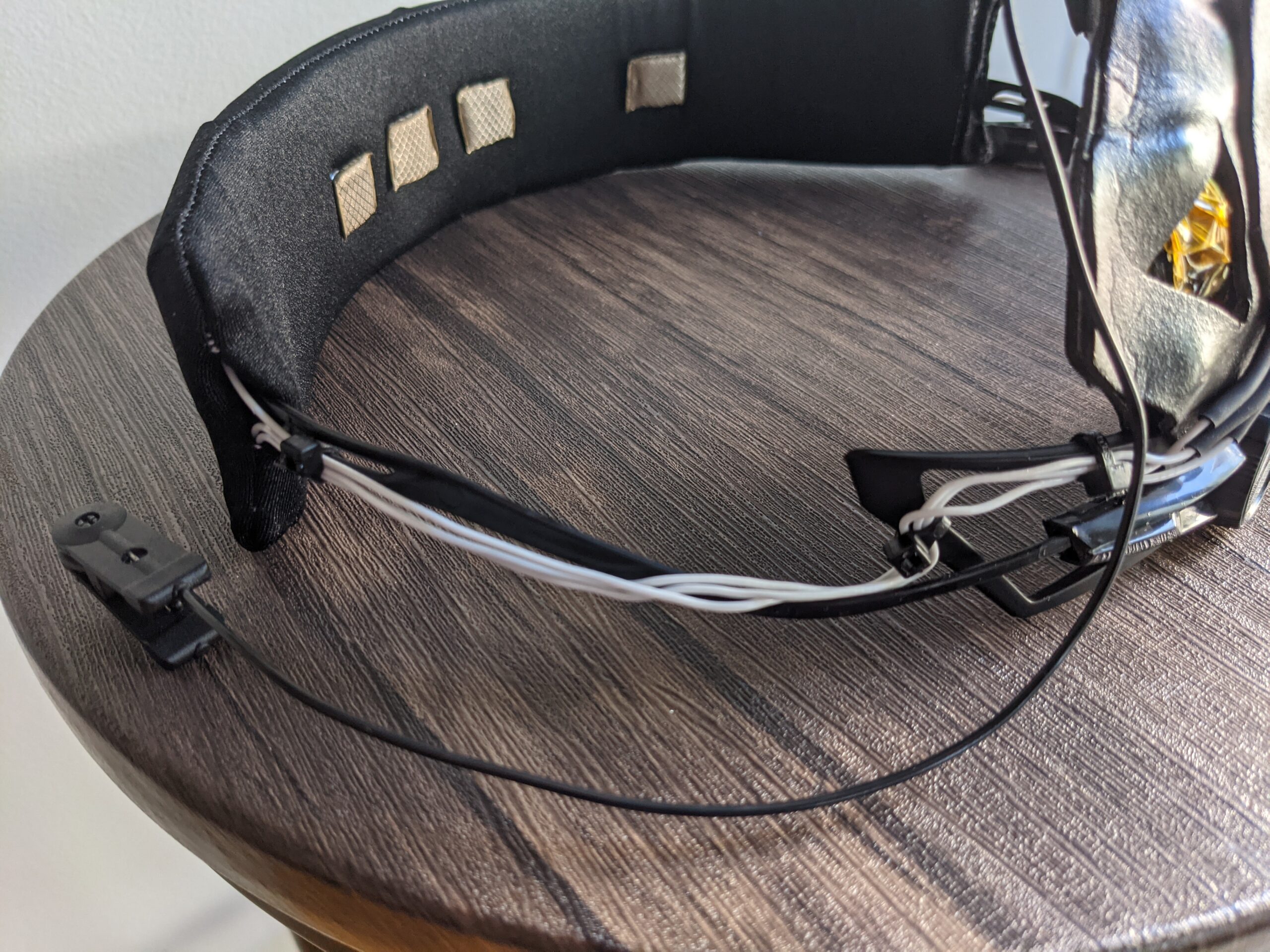
The Neurovine headband required an athletic-leisure-gear feel and clinical-equipment performance. Design 1st’s physical design teams balanced comfort, looks, and precise sensor placement across a wide range of head sizes through comprehensive testing.
Concept Rendering
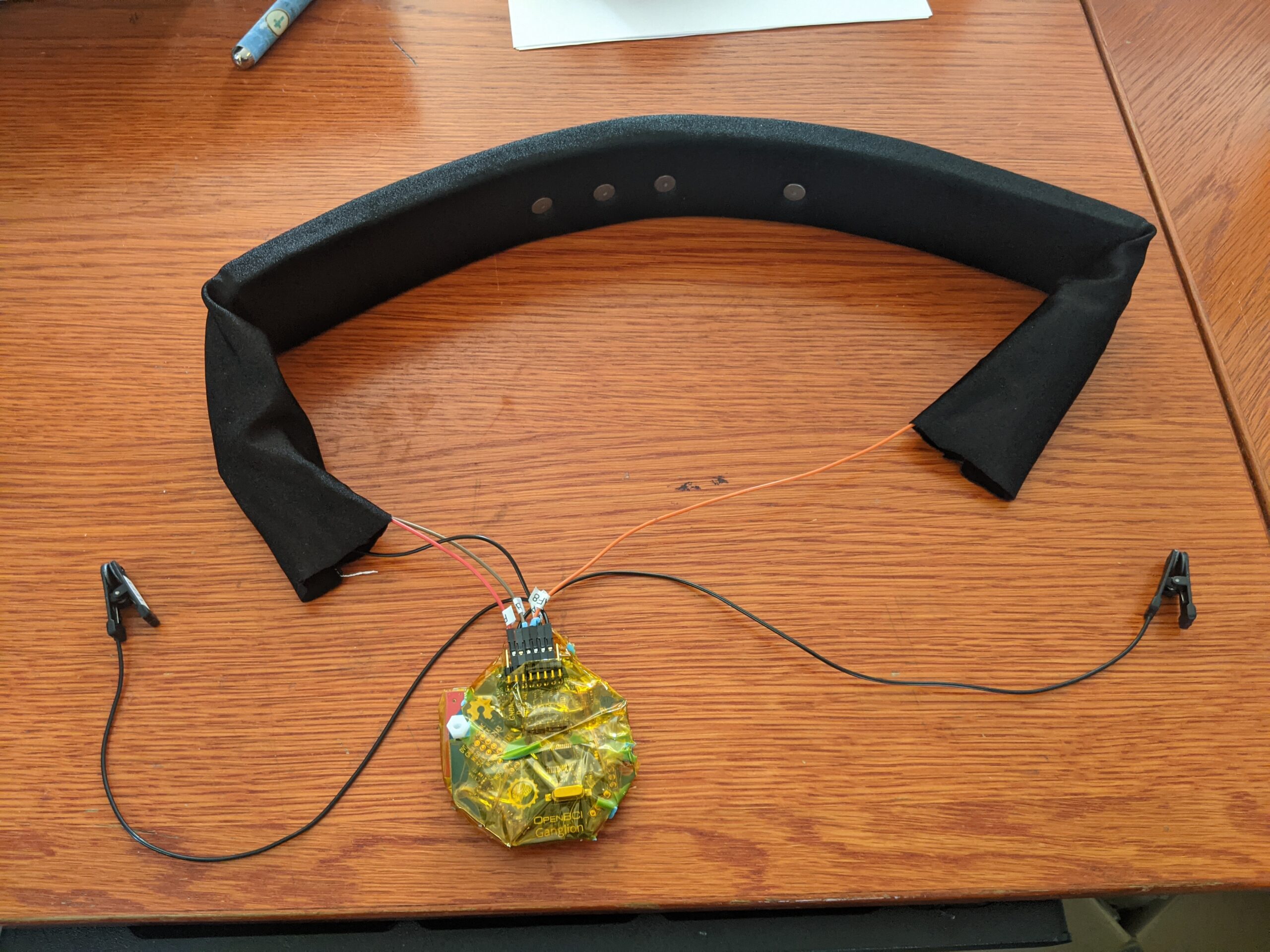
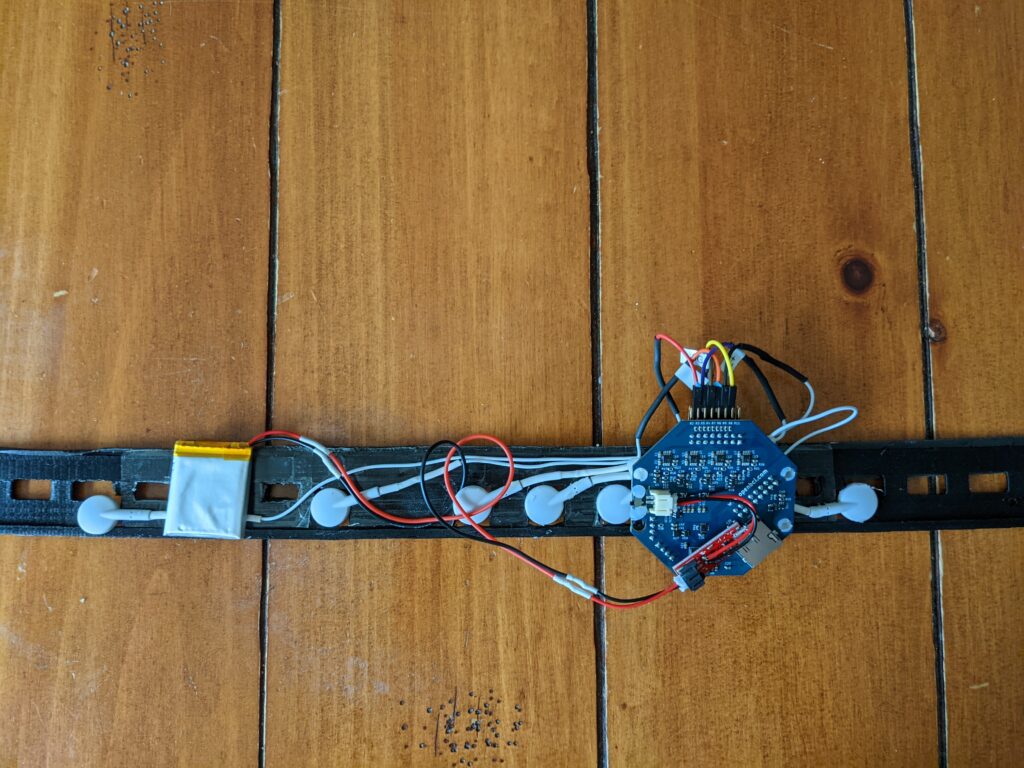
Electronics Bench Model Prototype

Engineering the Electronics

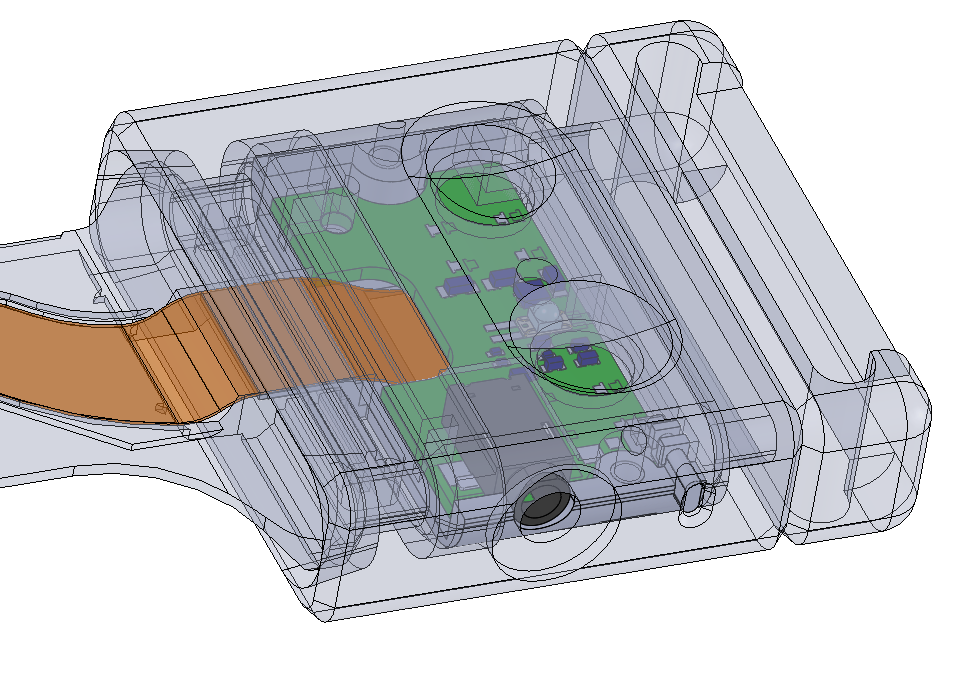
Design 1st replaced the off-the-shelf board the prototype started with (an OpenBCI Ganglion dev board) with a purpose-built design shaped for something worn on the head: two small circuit boards instead of one, joined by flexible ribbon cable.

Embedded Software and Firmware

Design 1st wrote the firmware, the software that runs on the headband. It captures the EEG signal from all four channels, streams it wirelessly to the companion app, and runs the built-in factory tests, all from a single codebase on a low-power processor.
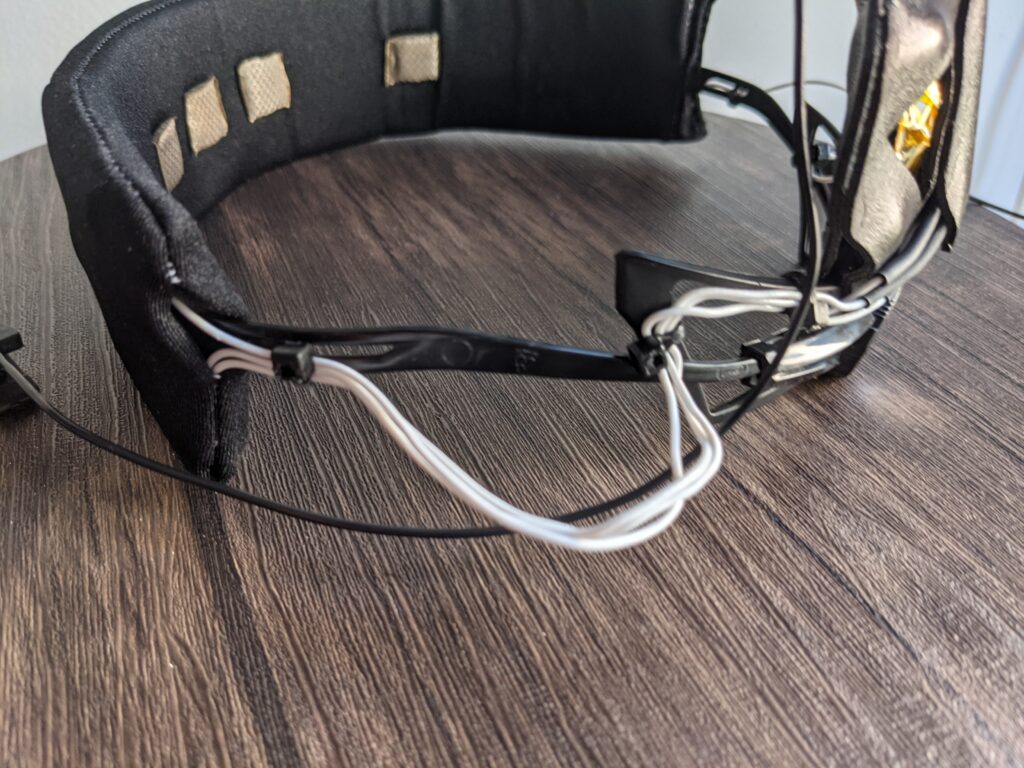
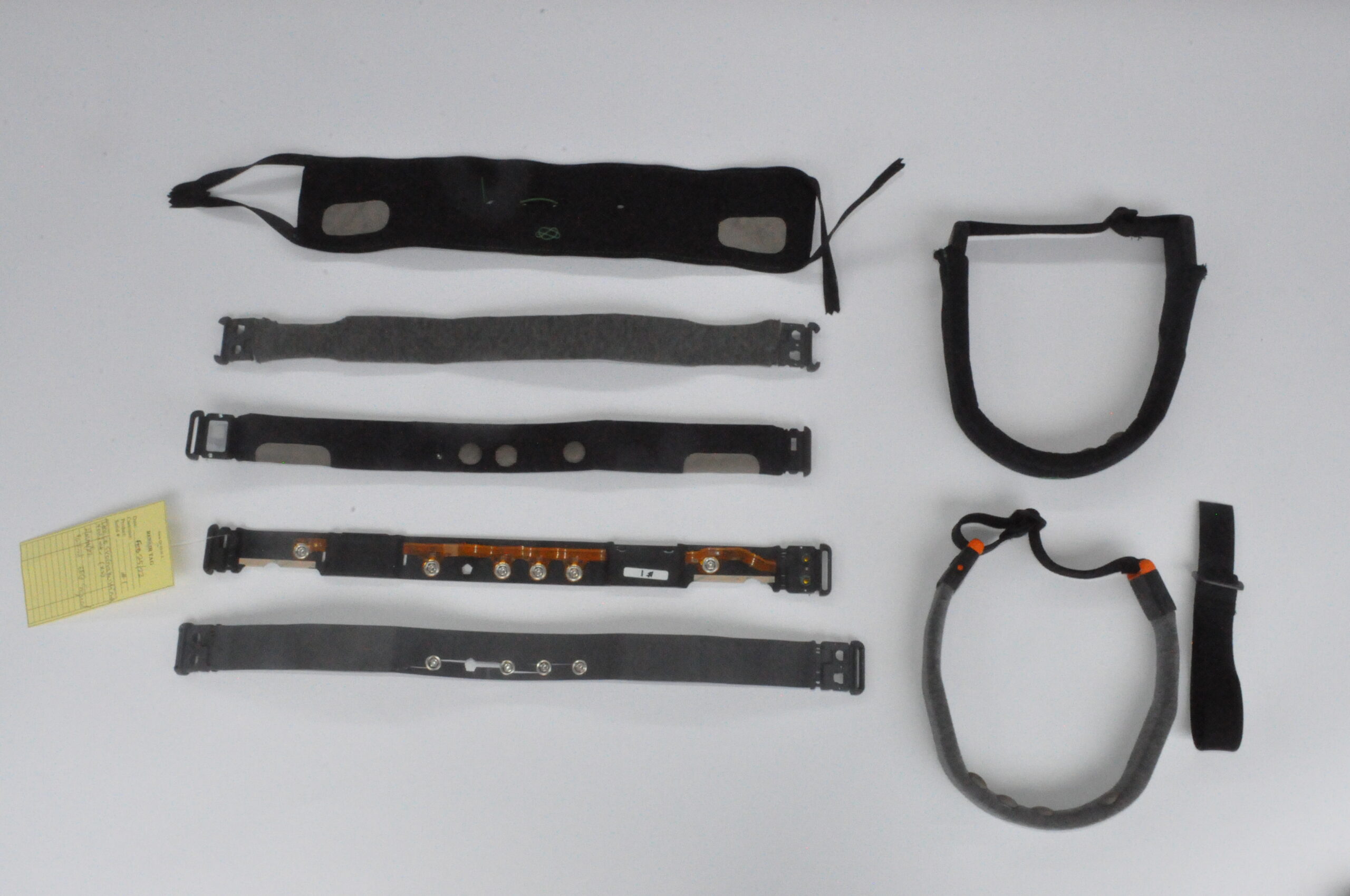
Benchmodel Prototype Testing
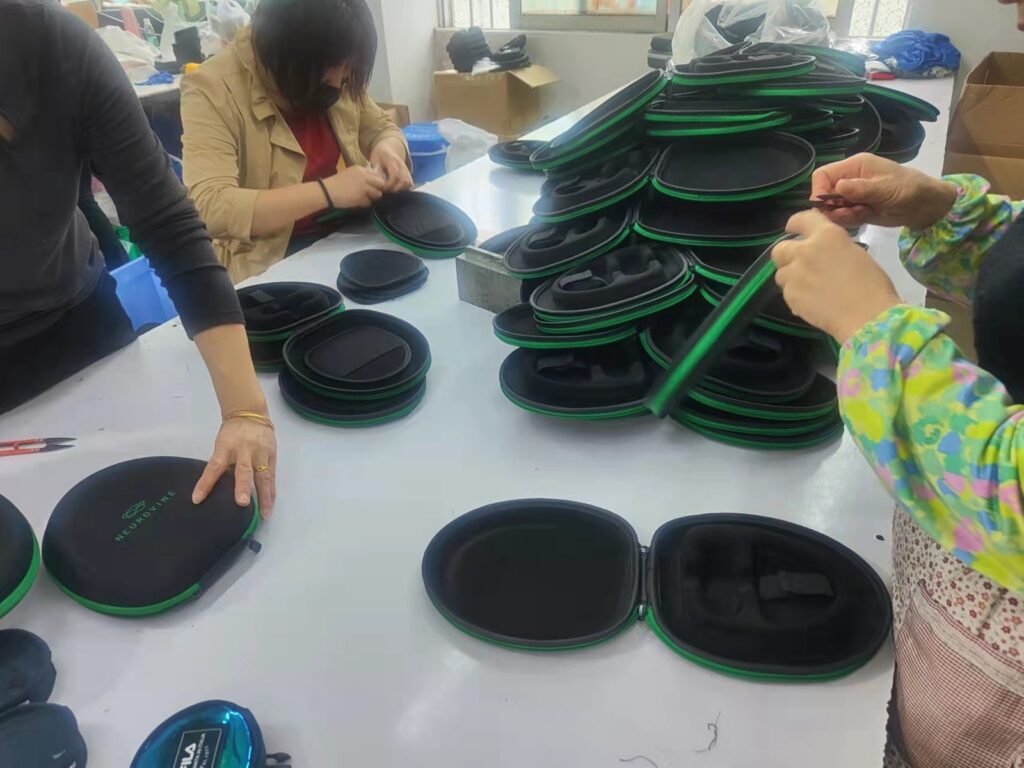
Low Volume Production Build

The Supply Chain Challenges

Neurovine is part hardware, part soft good: rigid electronics and molded plastic on one side, knit fabric, foam, and conductive textile on the other. Building it at volume meant standing up and running a supply chain across all of those worlds.

Clearing the Regulatory Path

Design 1st’s quality and regulatory team, led by VP Quality & Regulatory Dave Mills, built the testing program and the regulatory strategy needed to bring a medical EEG device to market in both the United States and Canada.
Regulatory Testing

Neurovine is using AI to crack the code on concussion recovery

“What excites me most is putting technology that was tested and proven at the professional level into the hands of kids, families, and minor sports teams.”

– Dr. Ashleigh Kennedy, CEO, Neurovine Inc.

Related Case Studies

Published on: June 8, 2026
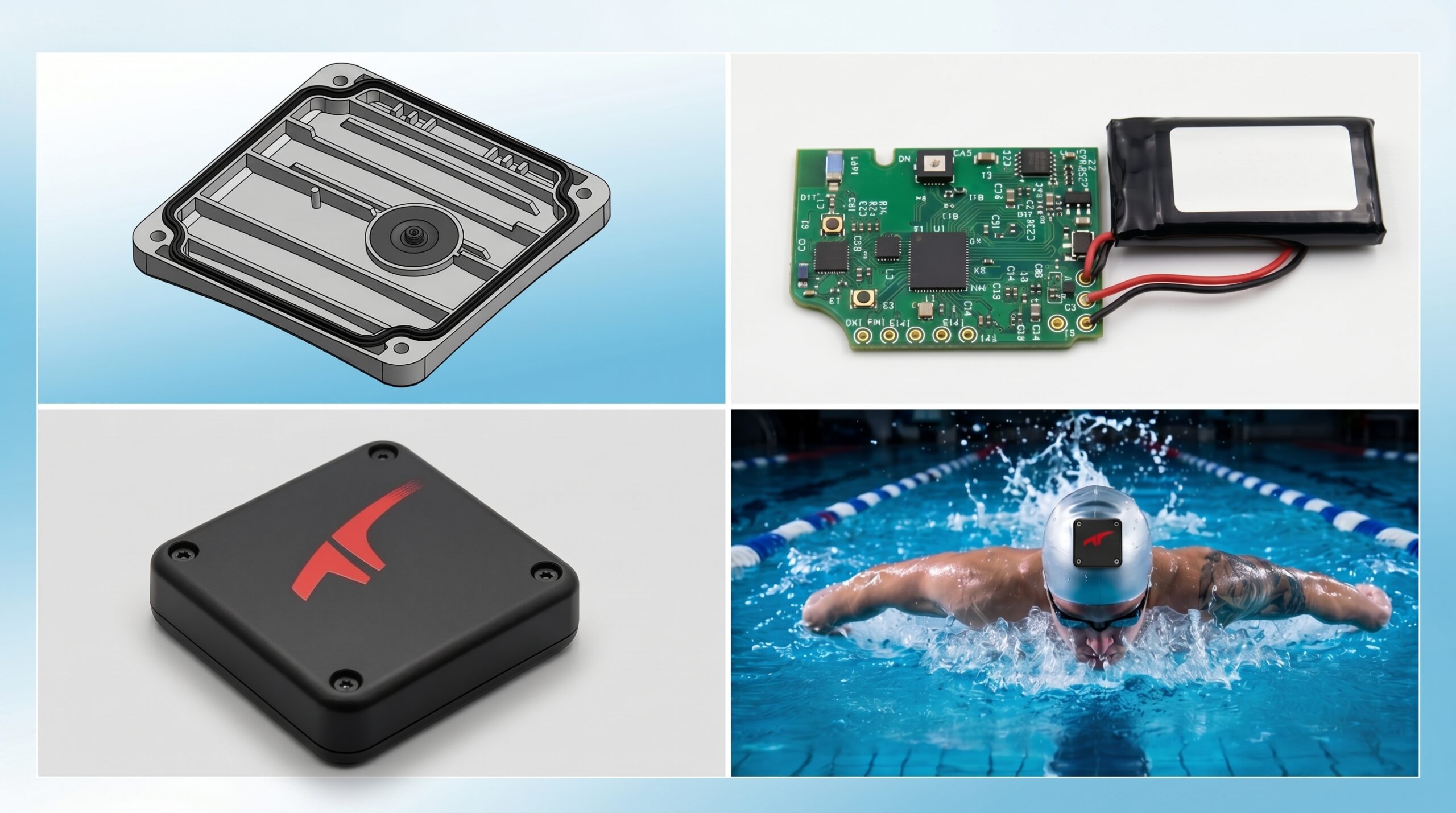
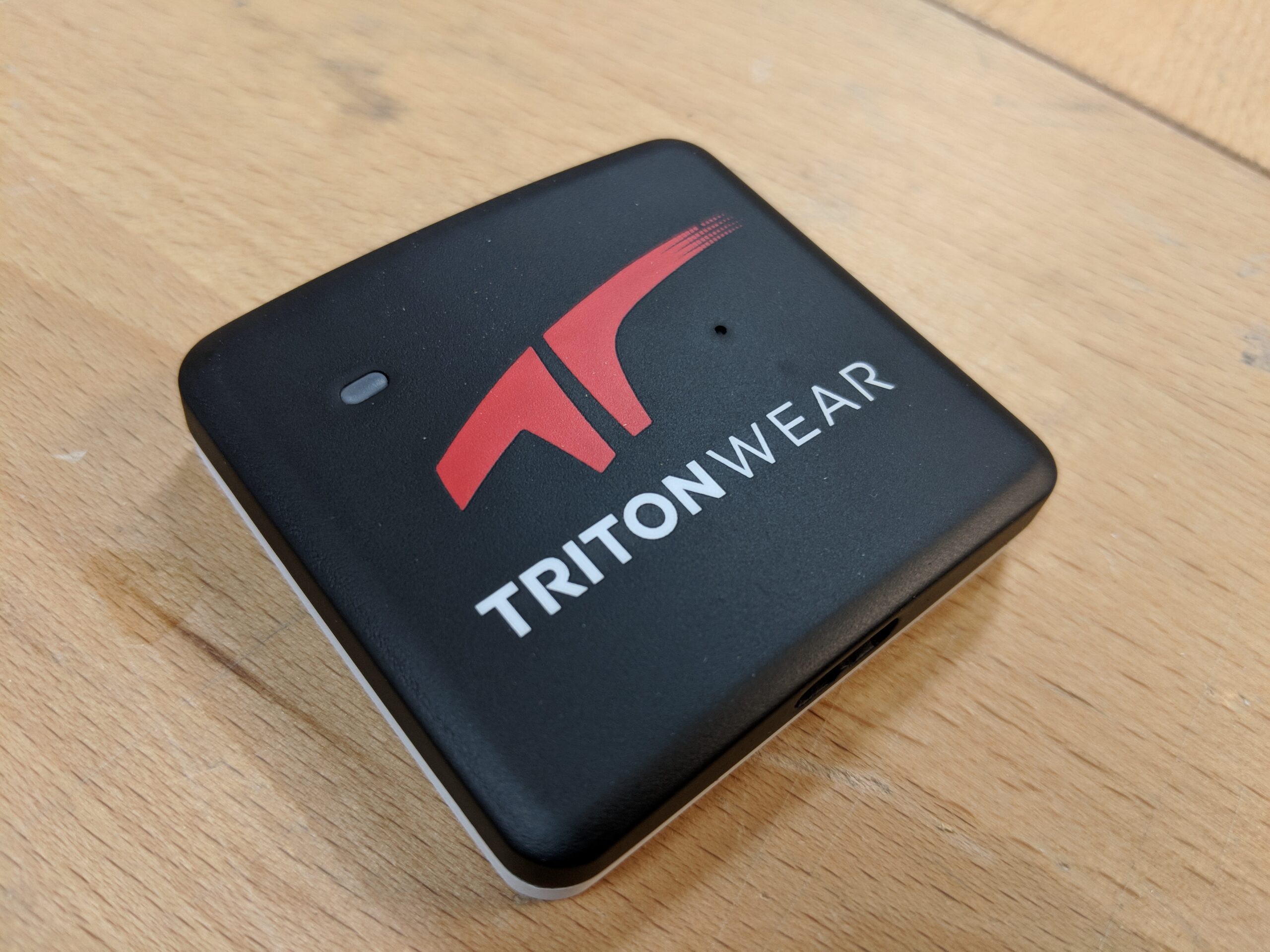
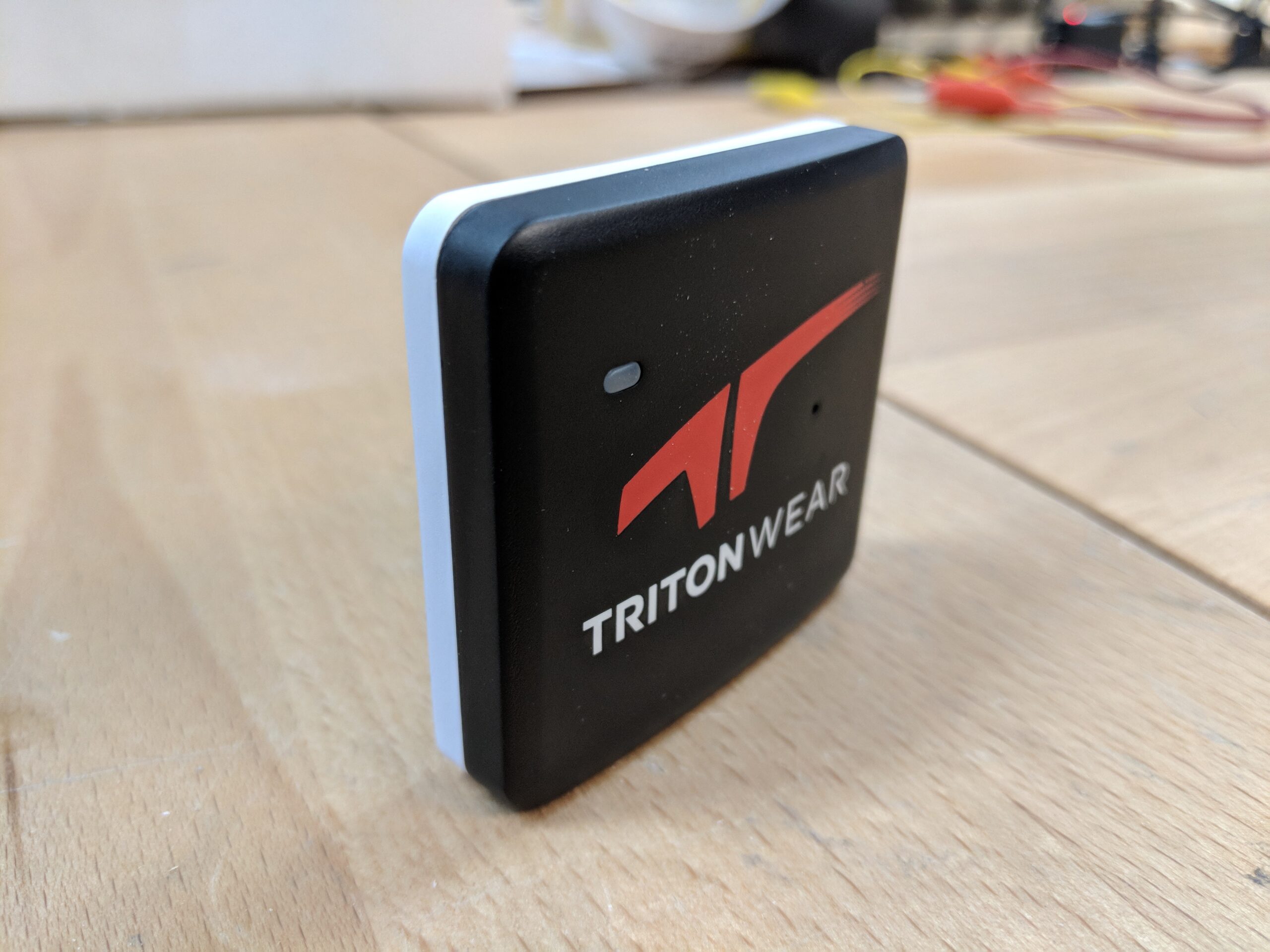
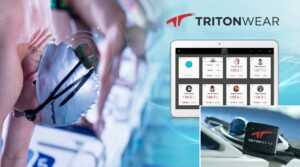
TritonWear – Connected Swim Performance Tracker

TritonWear - Competitive Swimming Tracker

Rugged Multi-Sensor Wearable for Competitive Swimming Analytics

Twenty months, four engineering disciplines, from concept to certified mass production

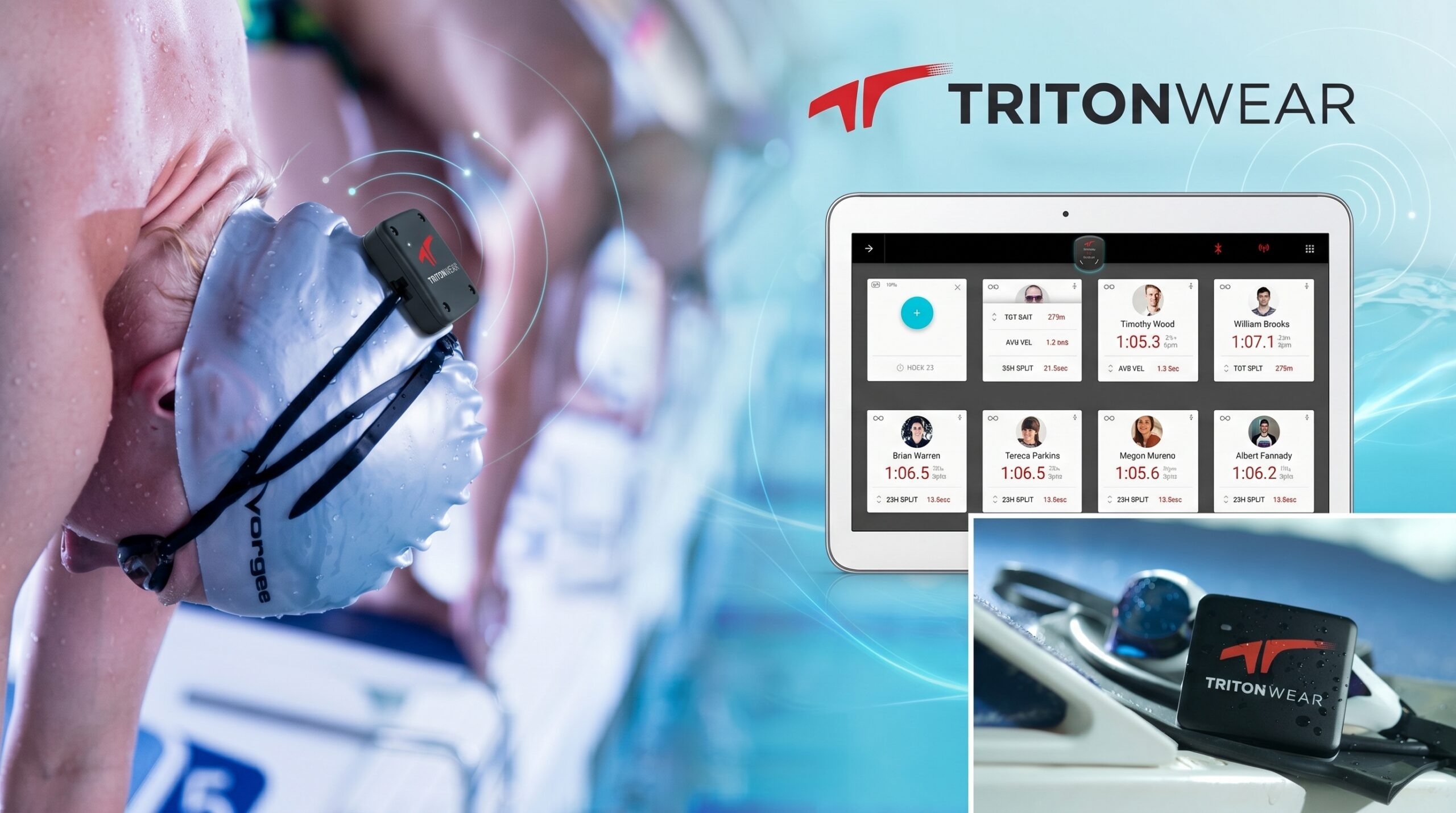
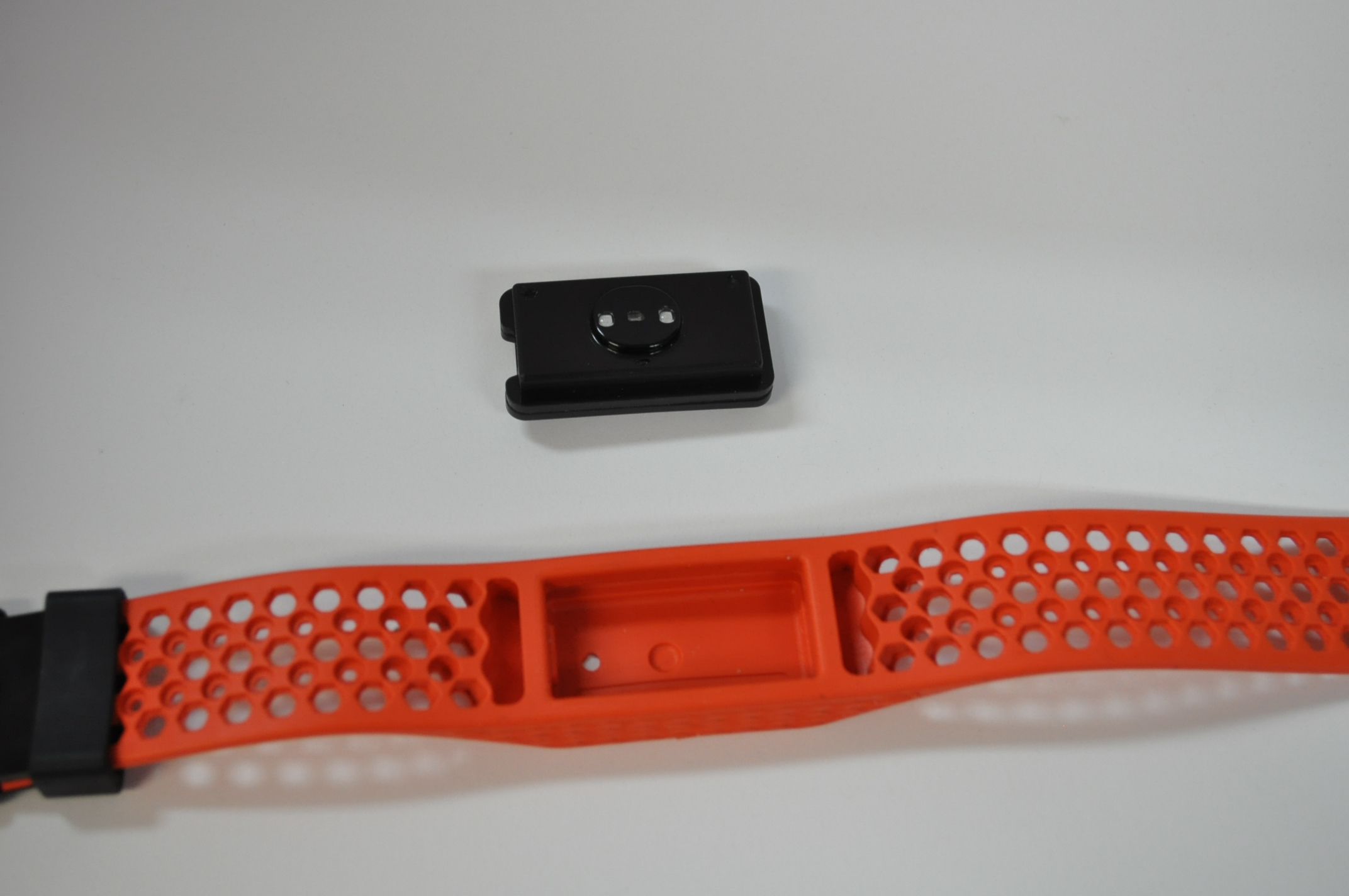
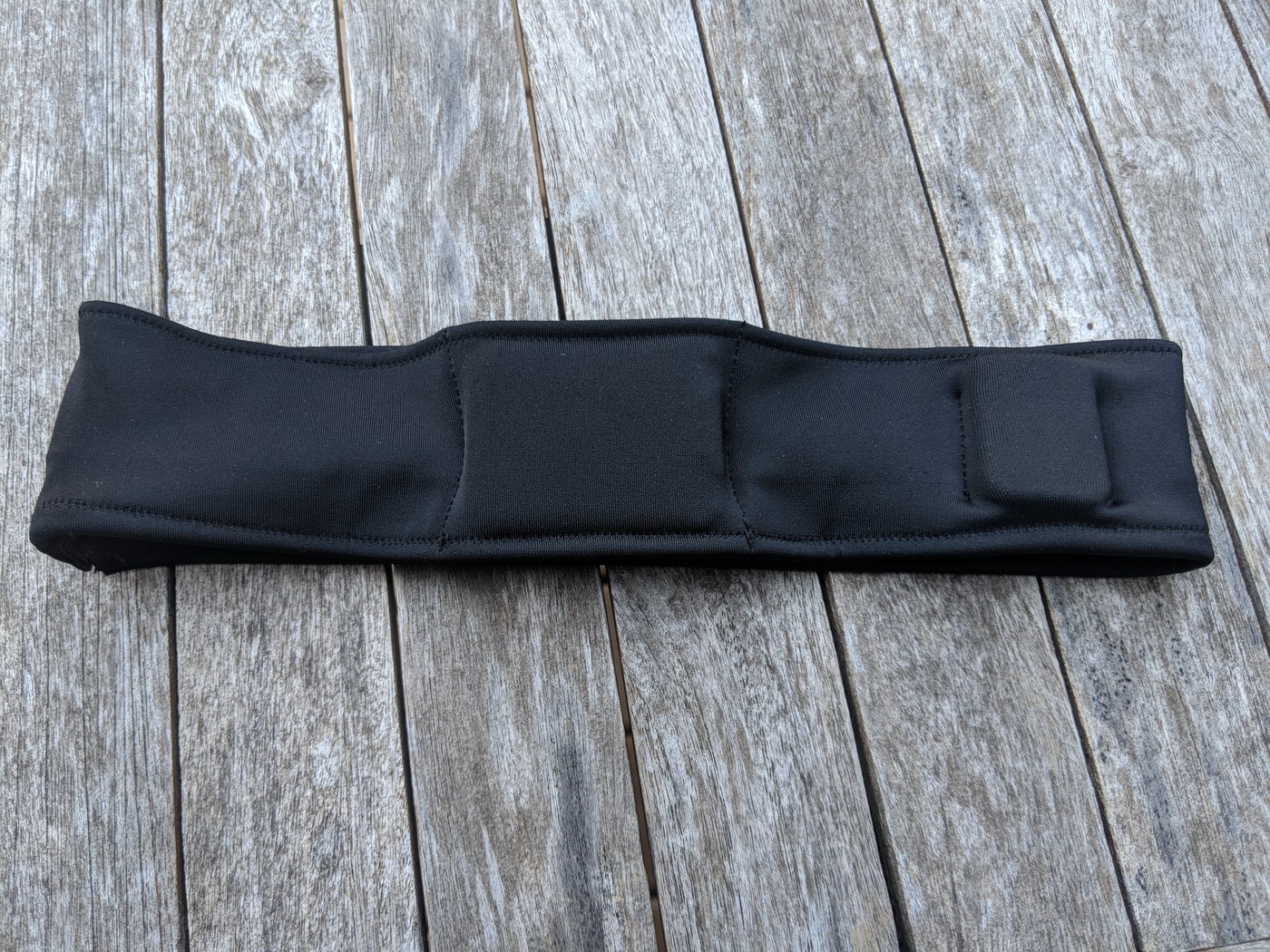
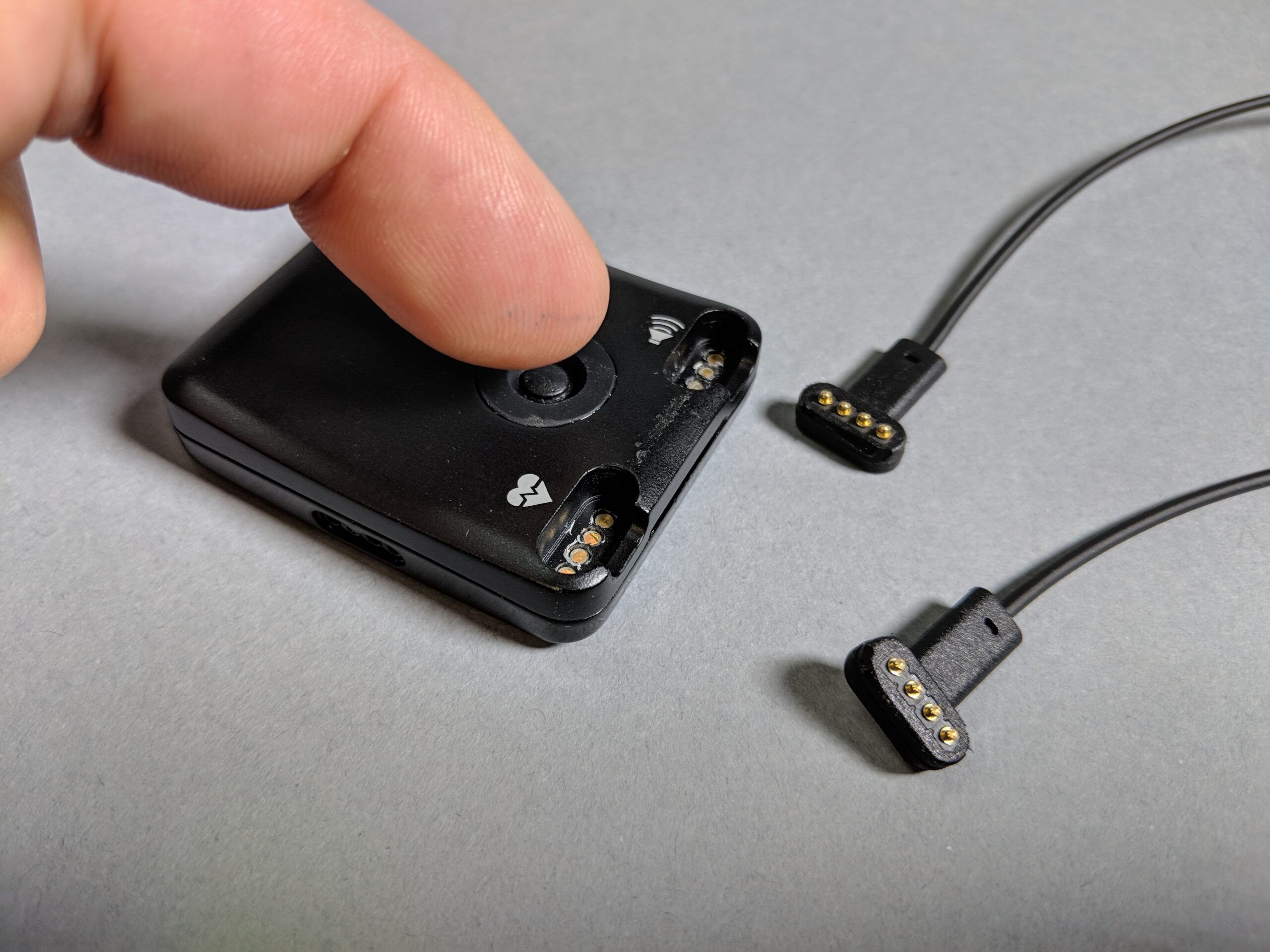
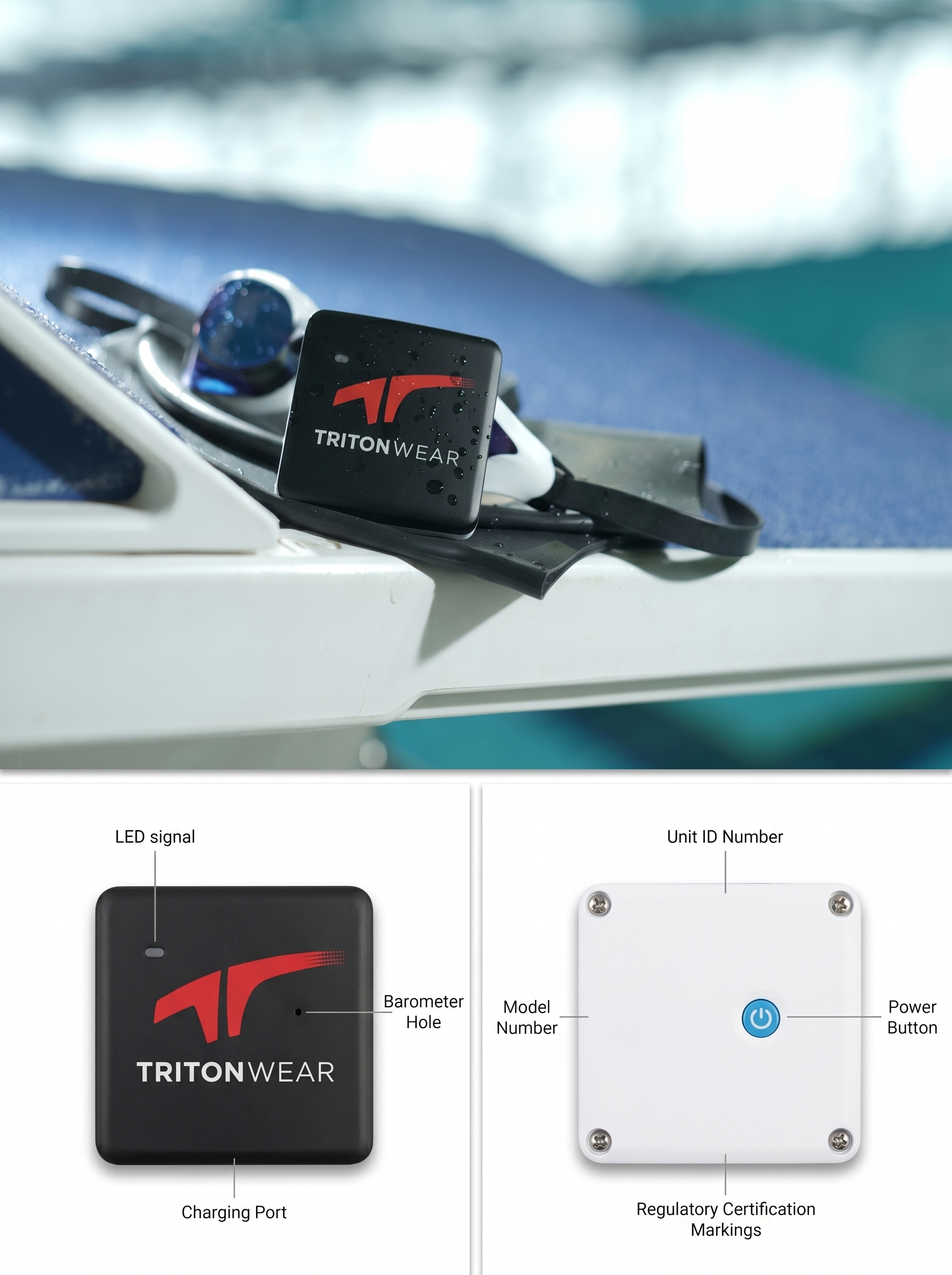
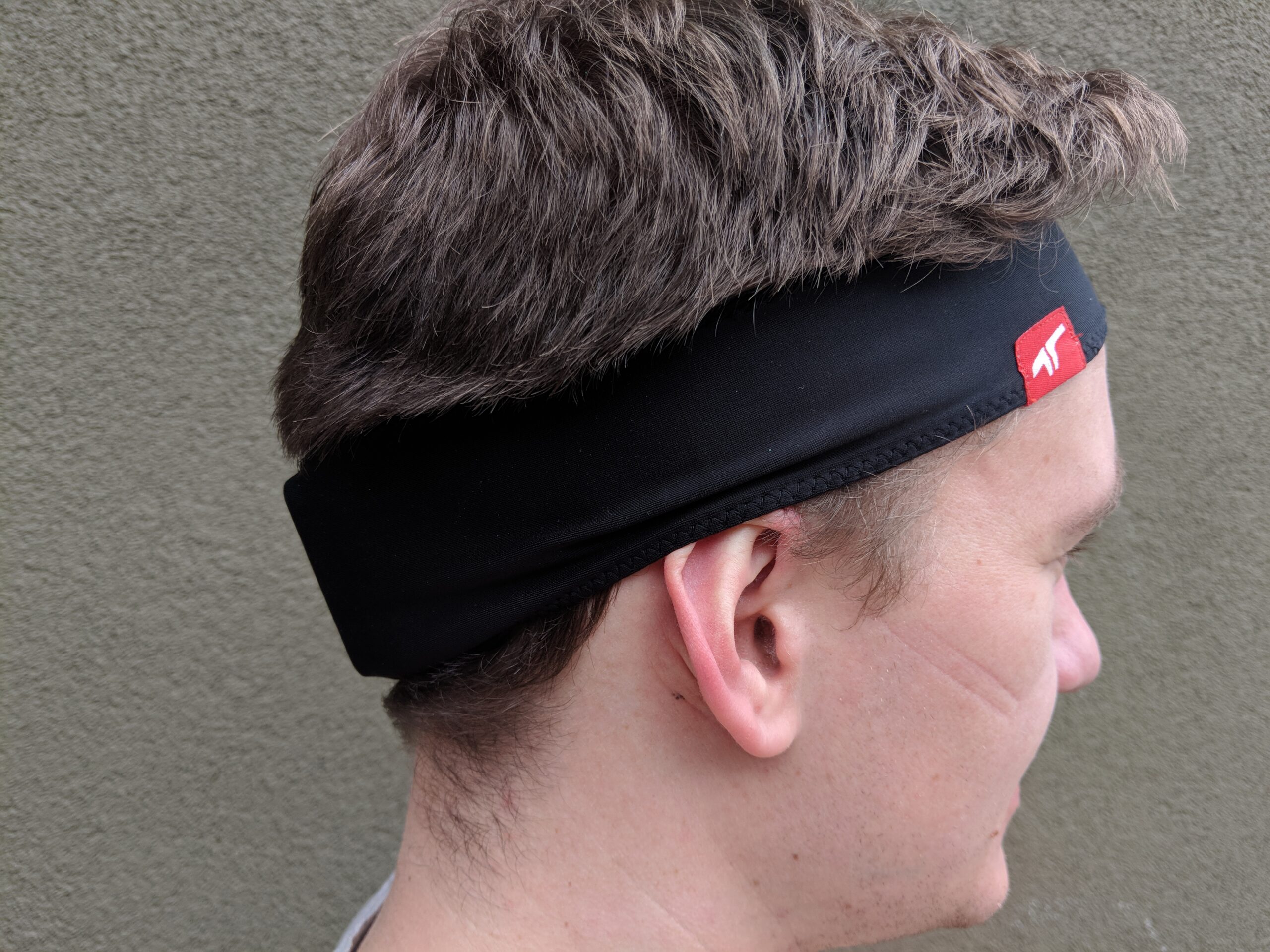
TritonWear - Product Features

Product Design Requirements

Design 1st engaged with TritonWear in March 2018 to rebuild their competitive-swim performance tracker from the wireless stack up. The first-generation device was already proven with elite athletes and national-team programs, but required a dongle, used a corrosion-prone charging port, and carried an outdated sensor stack. Design 1st led concept design through certified mass production across industrial design, mechanical engineering, electronics, and firmware. TritonWear retained their stroke-analysis algorithms and app development in-house.

Engineering Challenges

Building the Triton 2 required coordinating four engineering disciplines simultaneously across a 20-month program, from concept design through certified mass production.

Industrial Design

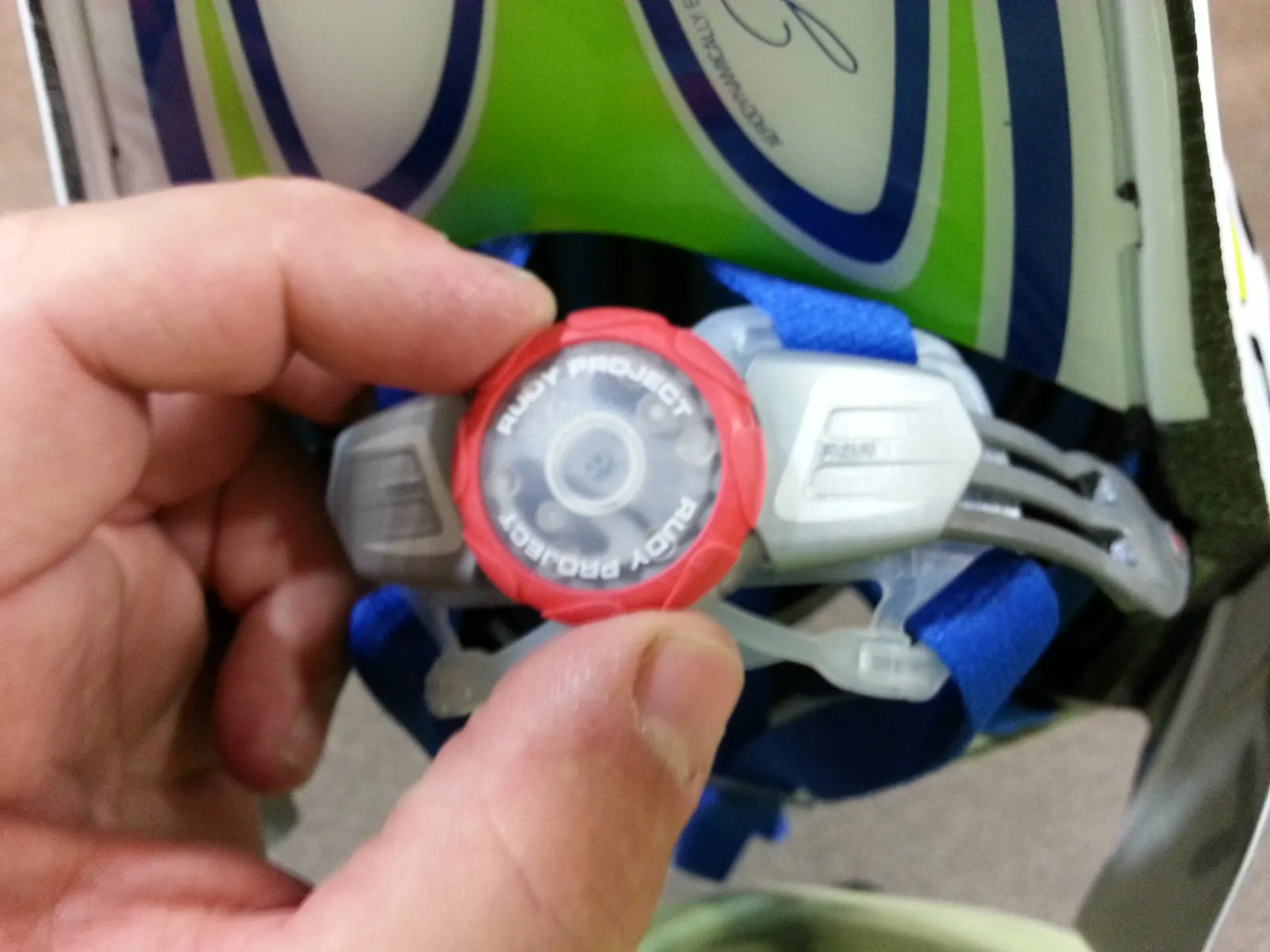
The unit had to consistently self-orient on the back of the swimmer’s head with no visible cues to the user, since the wearer cannot see the device once it is on. Sensor position drives algorithm accuracy.
Human Factors Testing
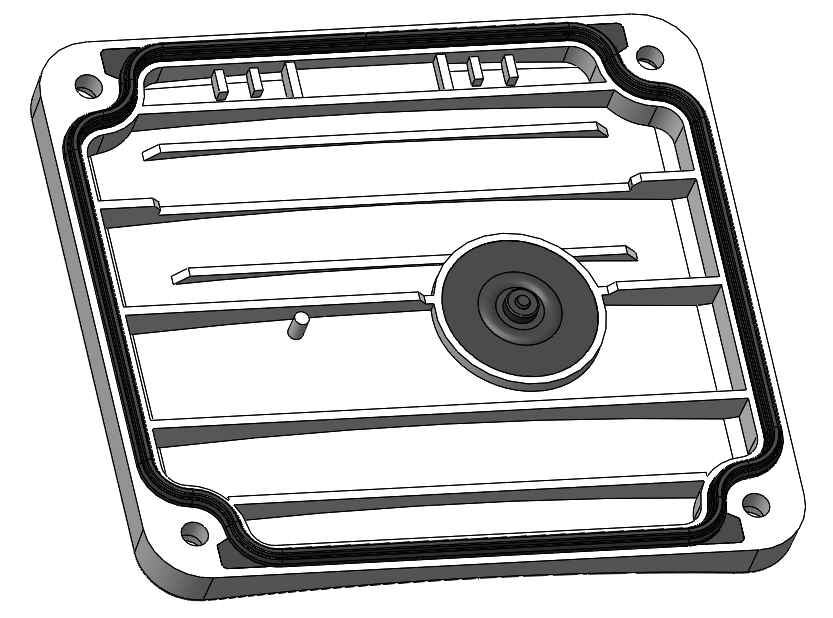
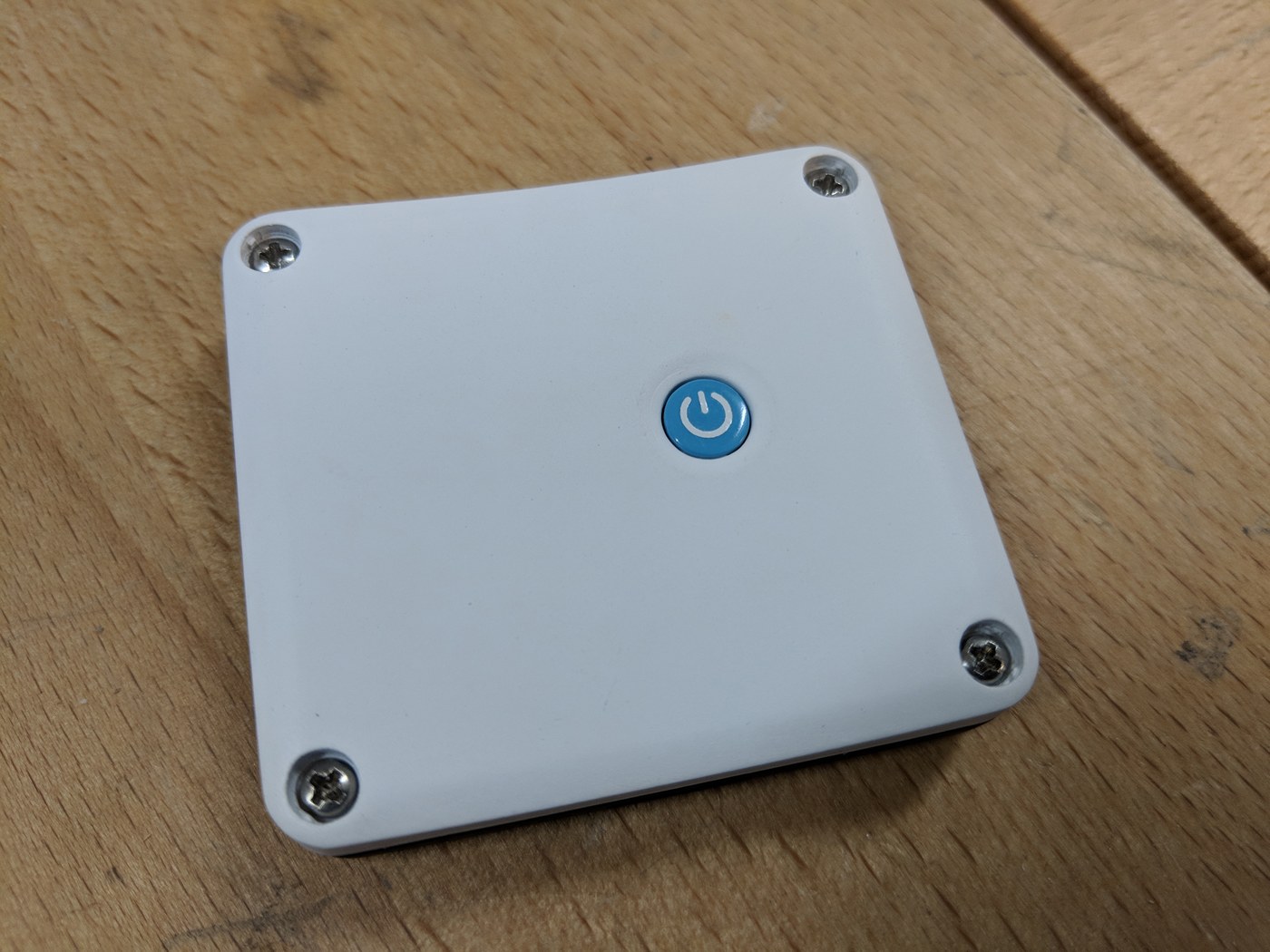
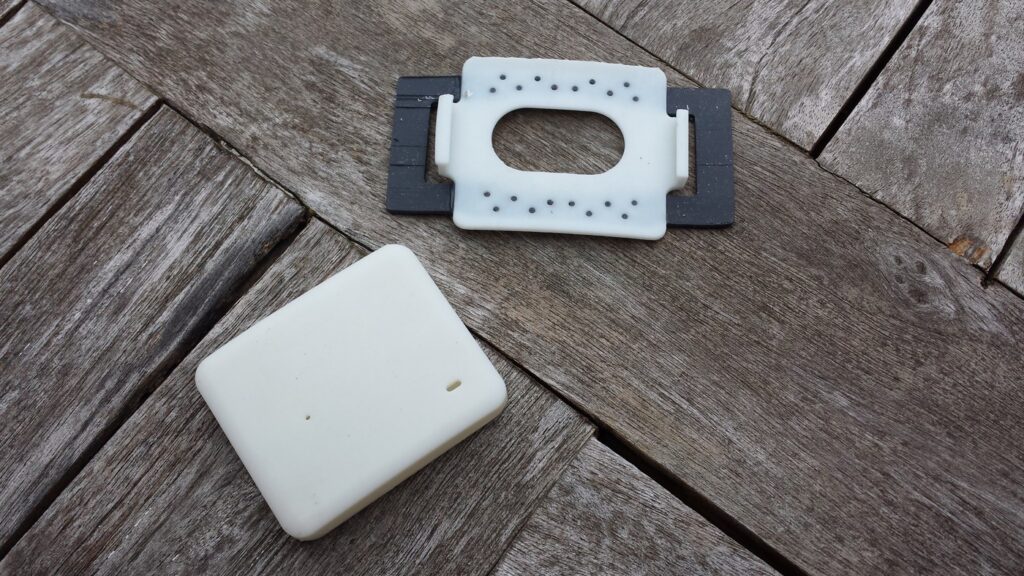
Prototype Part Build

Mechanical Engineering

The product had to survive long-term immersion in chlorinated and salt-water pools while remaining producible at retail scale across an Asia contract manufacturer.

Electrical Engineering

The electronics platform had to integrate motion, orientation, depth, and heart-rate sensing, run BLE radio, and manage power on a single small battery, while clearing three regulatory regions simultaneously.
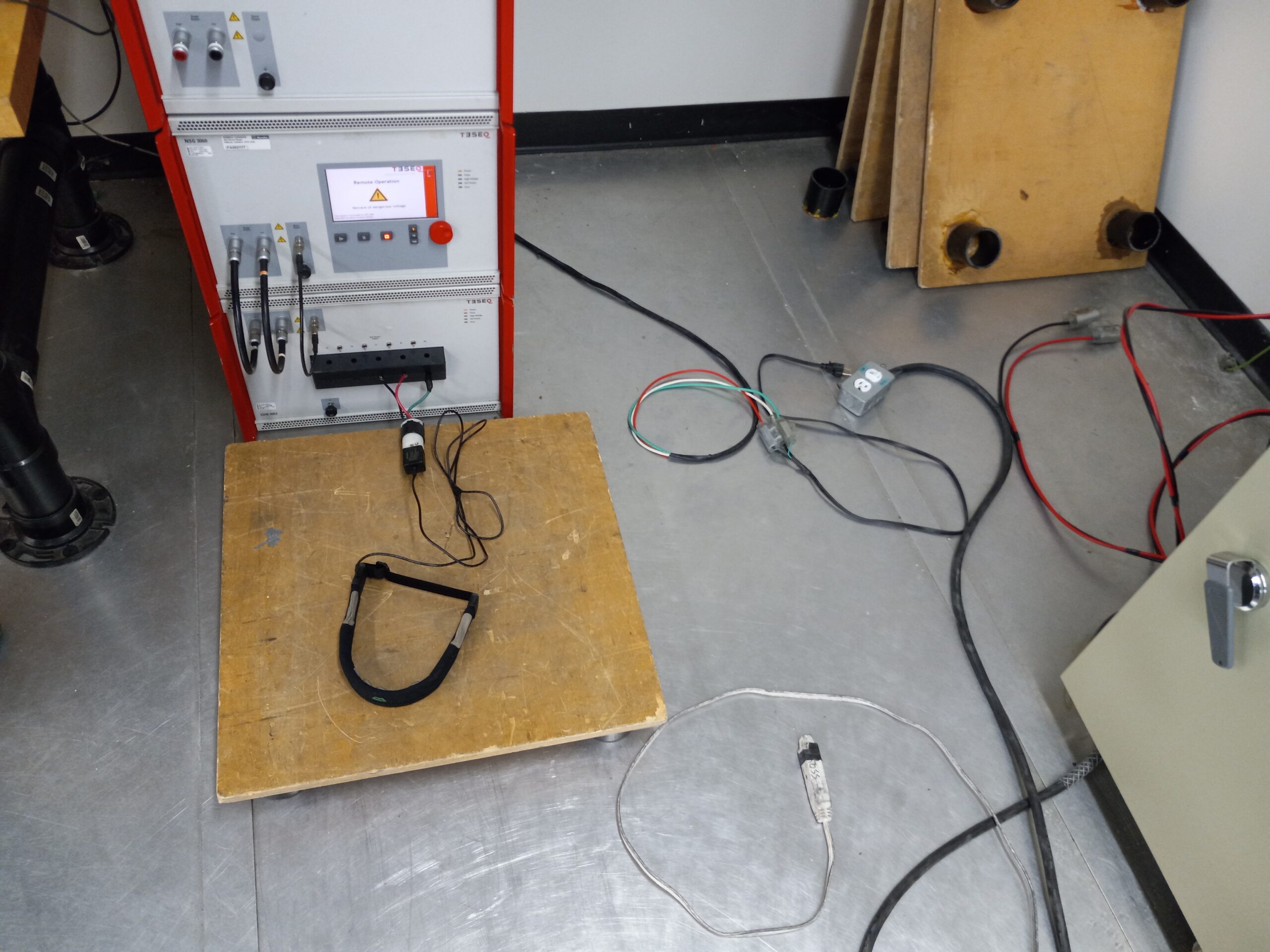
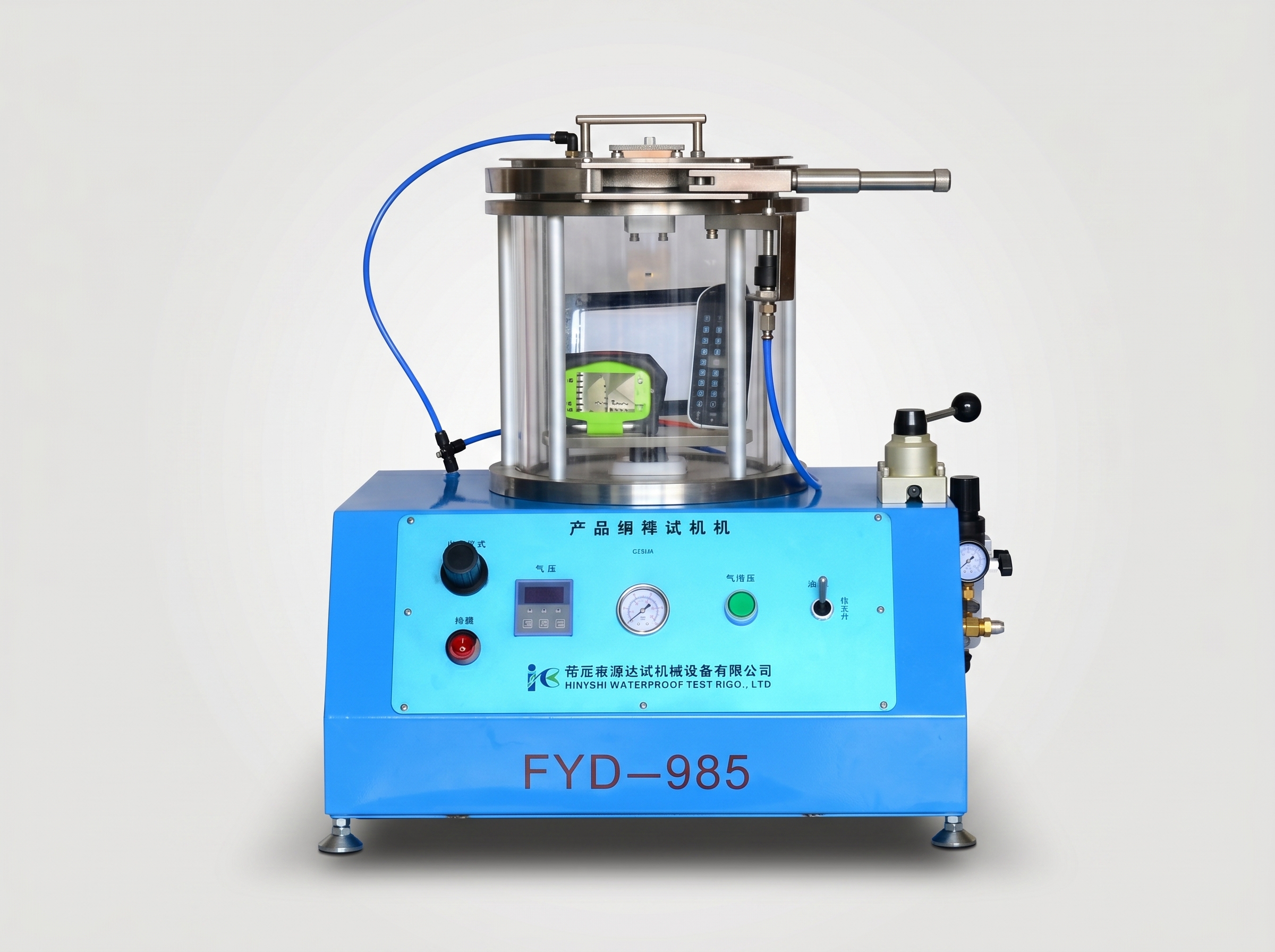
Waterproof Electronics Testing Rig
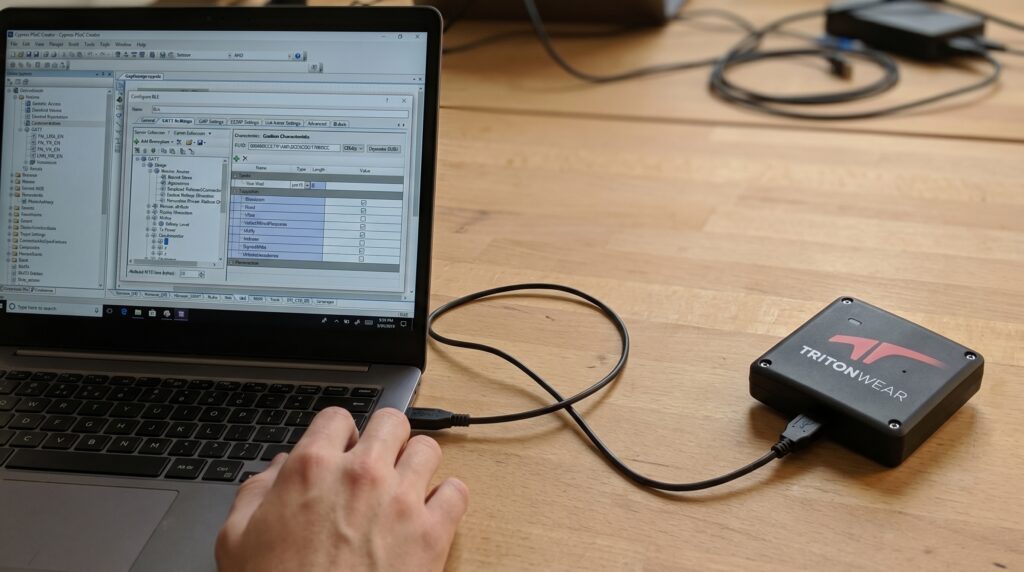
Firmware Bench Testing

Firmware

BLE links to head-worn pods in water are inherently bursty: the radio surfaces and submerges on every stroke. The firmware had to make this work for an entire team, compute metrics on-device, and synchronize results back to a single coach’s tablet.

Product Results

The Triton 2 launched to retail in November 2019 and remains TritonWear’s flagship competitive-swim hardware platform, in active use through 2023 and beyond. Thousands of units have shipped across competitive swim programs and national federations.

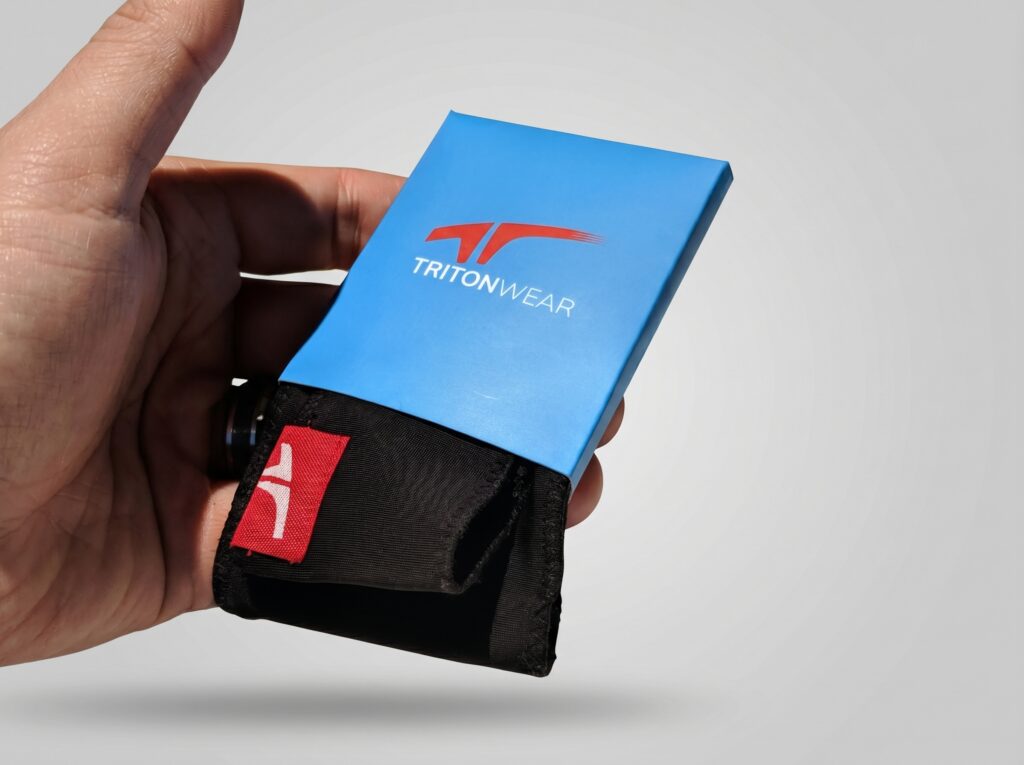
Retail Product Packaging

Swimming Canada welcomes TritonWear as official training technology

“We’ve already seen great results from our work with Swimming Canada and their high-performance athletes; this partnership allows us to take that to the next level together”
~ TritonWear CEO, Tristan Lehari

Related Case Studies

Published on: May 22, 2026
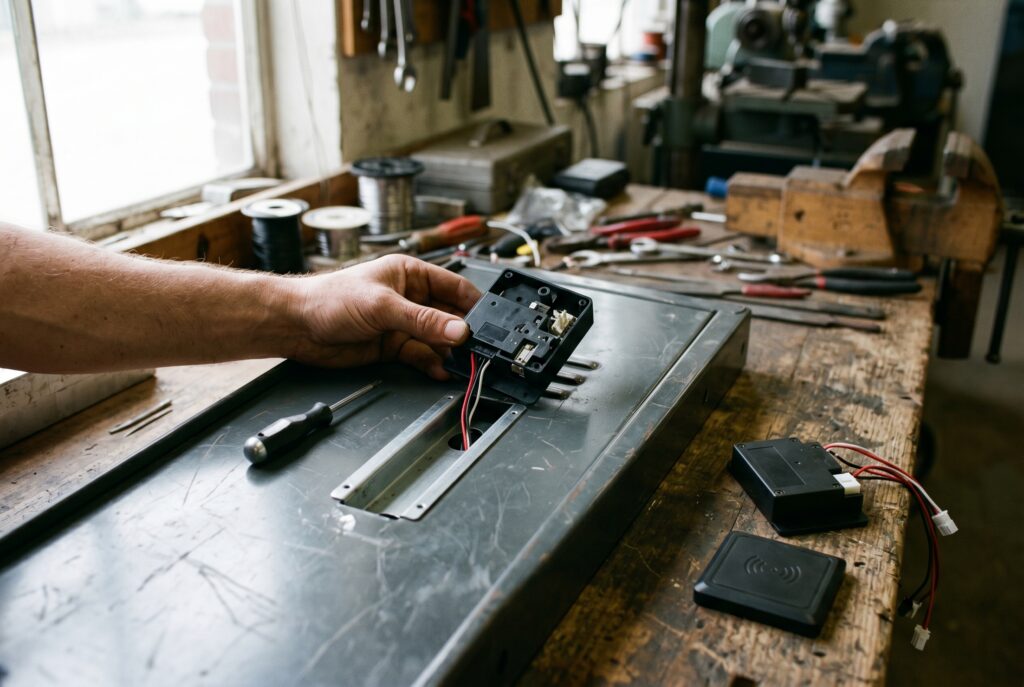
DeBourgh – Modular Smart Locker System

Volta 2.0 - Modular Smart Lockers

Next-Generation Modular Locker Architecture for Multi-Lock Smart Storage

An Inside Glimpse Into the Product Development of DeBourgh's Modular Smart Lockers

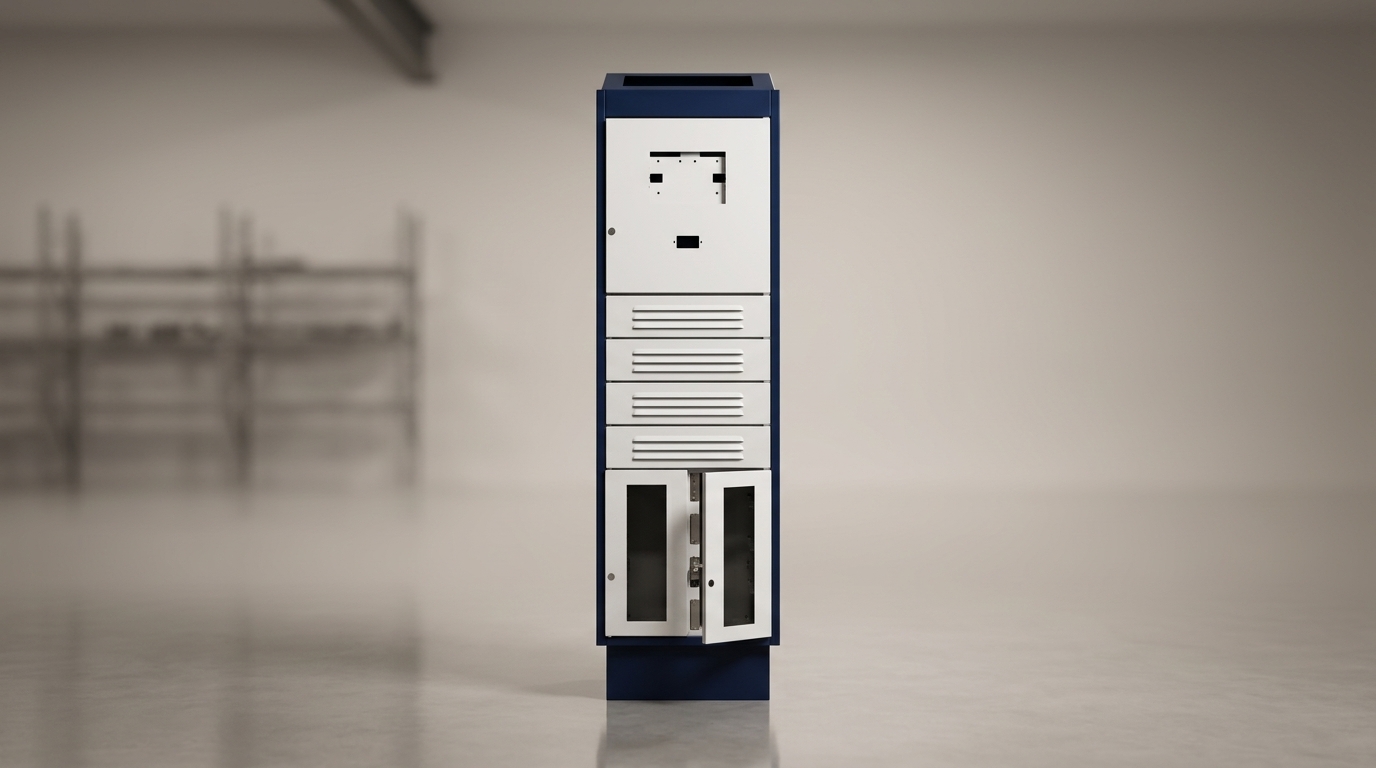
Existing Volta 1.0 Locker Syste,

Product Design Requirements

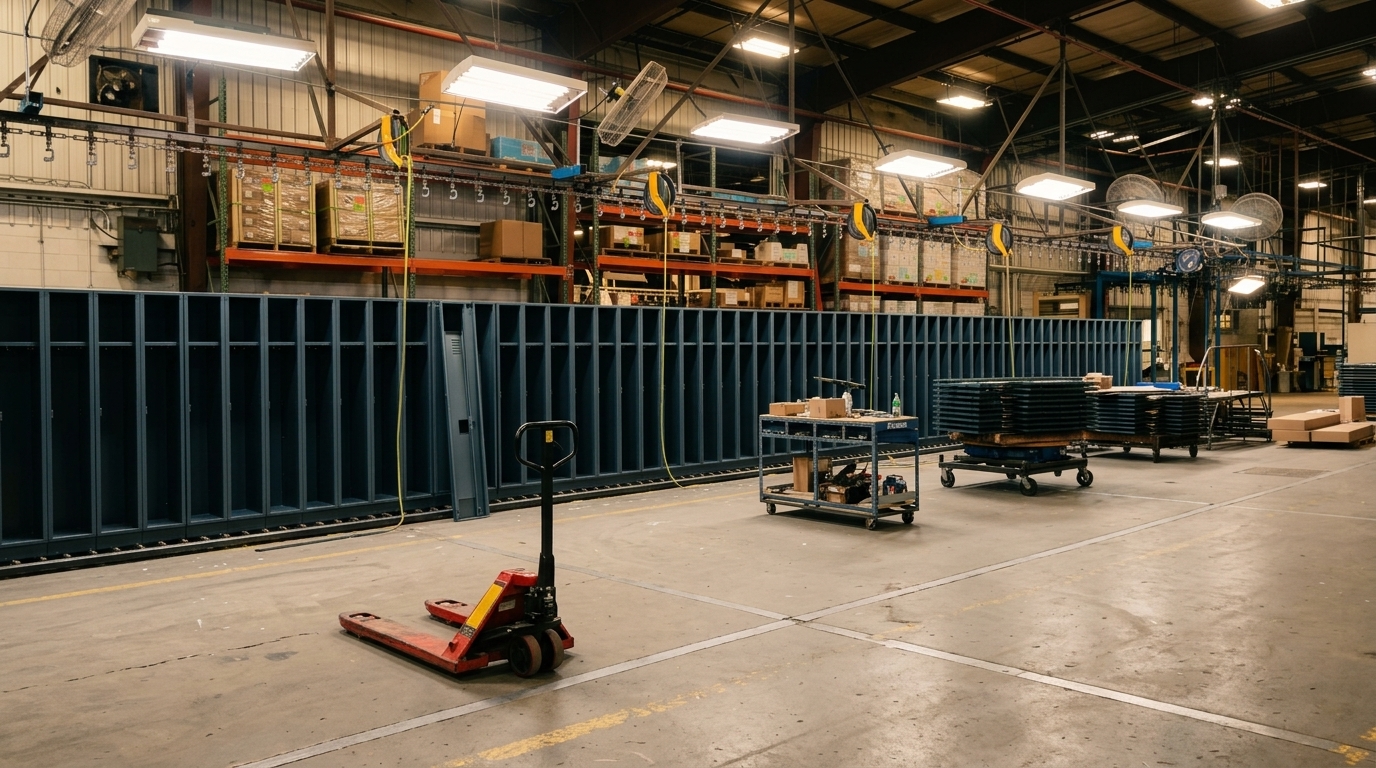
For 90 years, DeBourgh Manufacturing has built metal lockers for schools, workplaces, and public spaces, running its own MIG welding, sheet metal forming, and powder coating out of La Junta, Colorado.

To push their smart locker line forward, President Patrick Berg brought Design 1st in to take the Smart Move concept through to detailed engineering. The constraint was real: everything had to fit DeBourgh’s existing manufacturing line, not work around it. Design 1st delivered the full engineering package for DeBourgh’s R&D and manufacturing teams to take to production.

Engineering Challenges

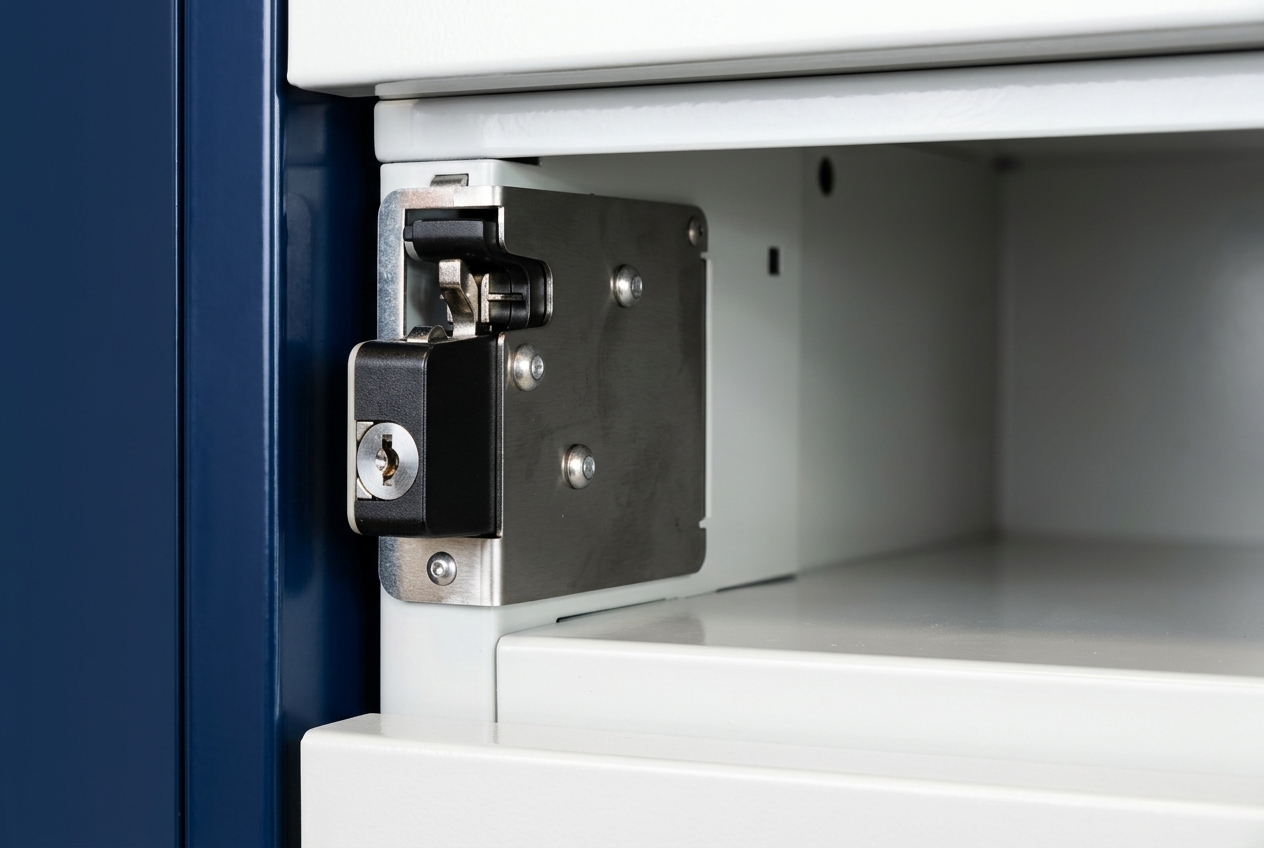
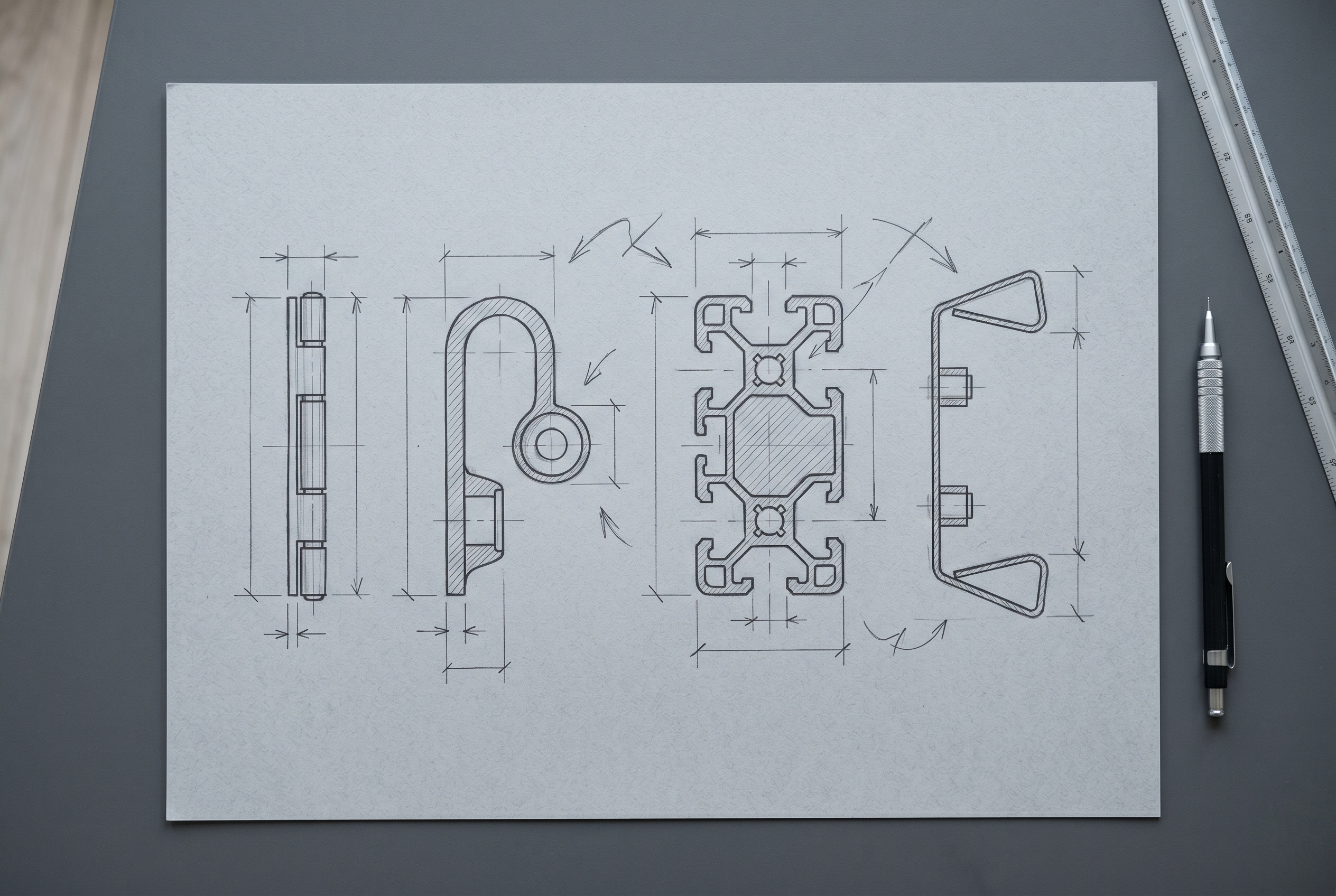
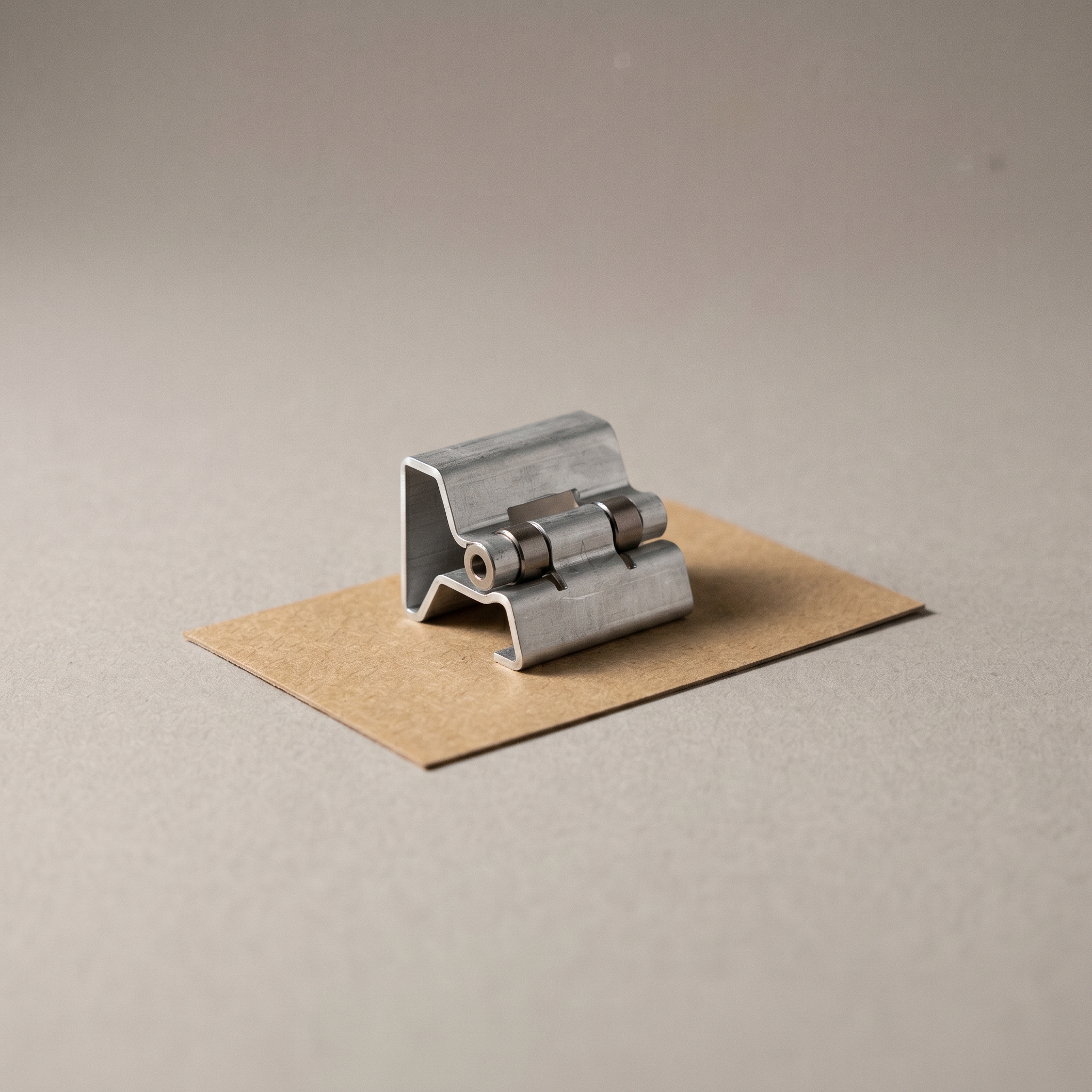
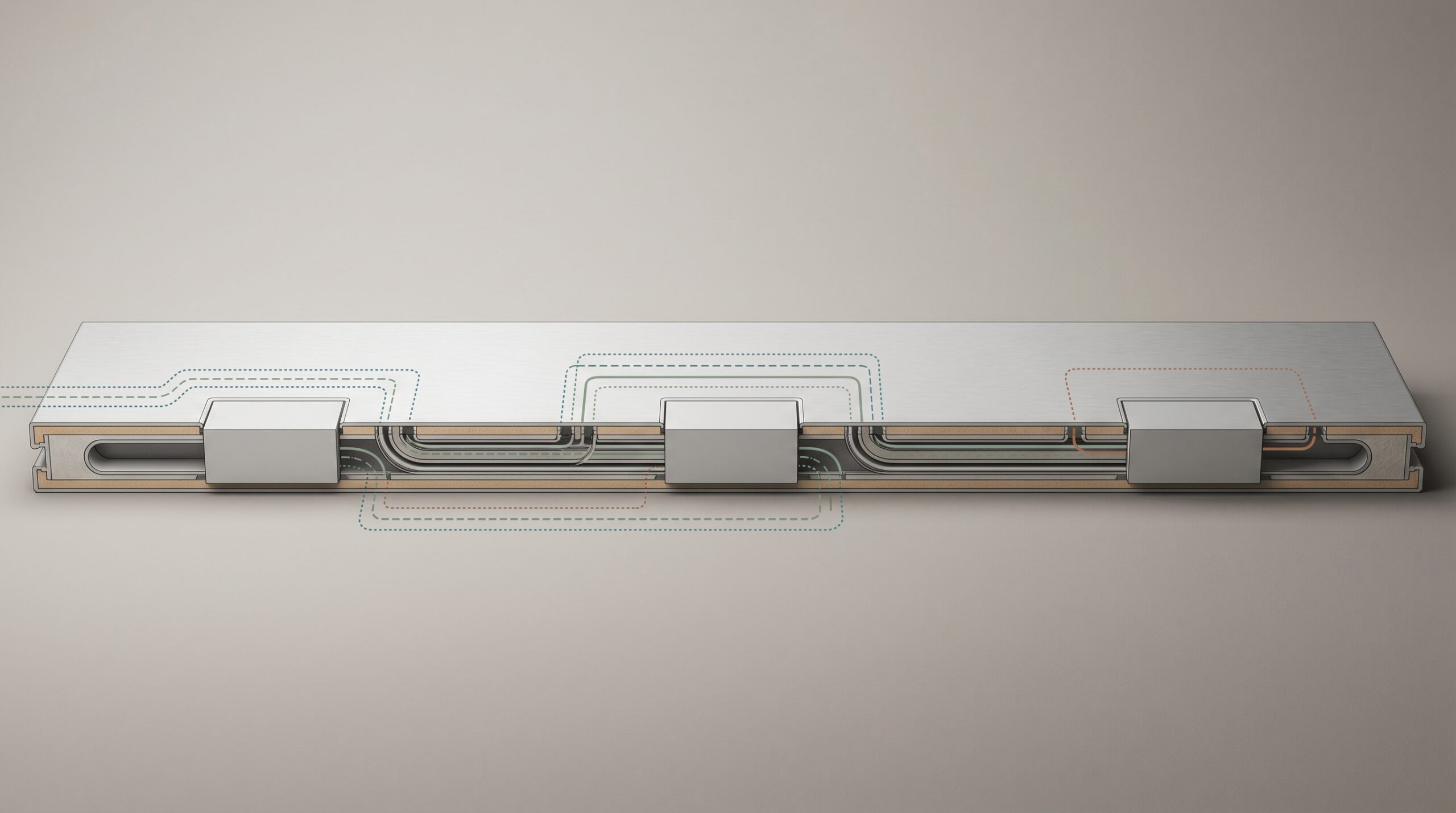
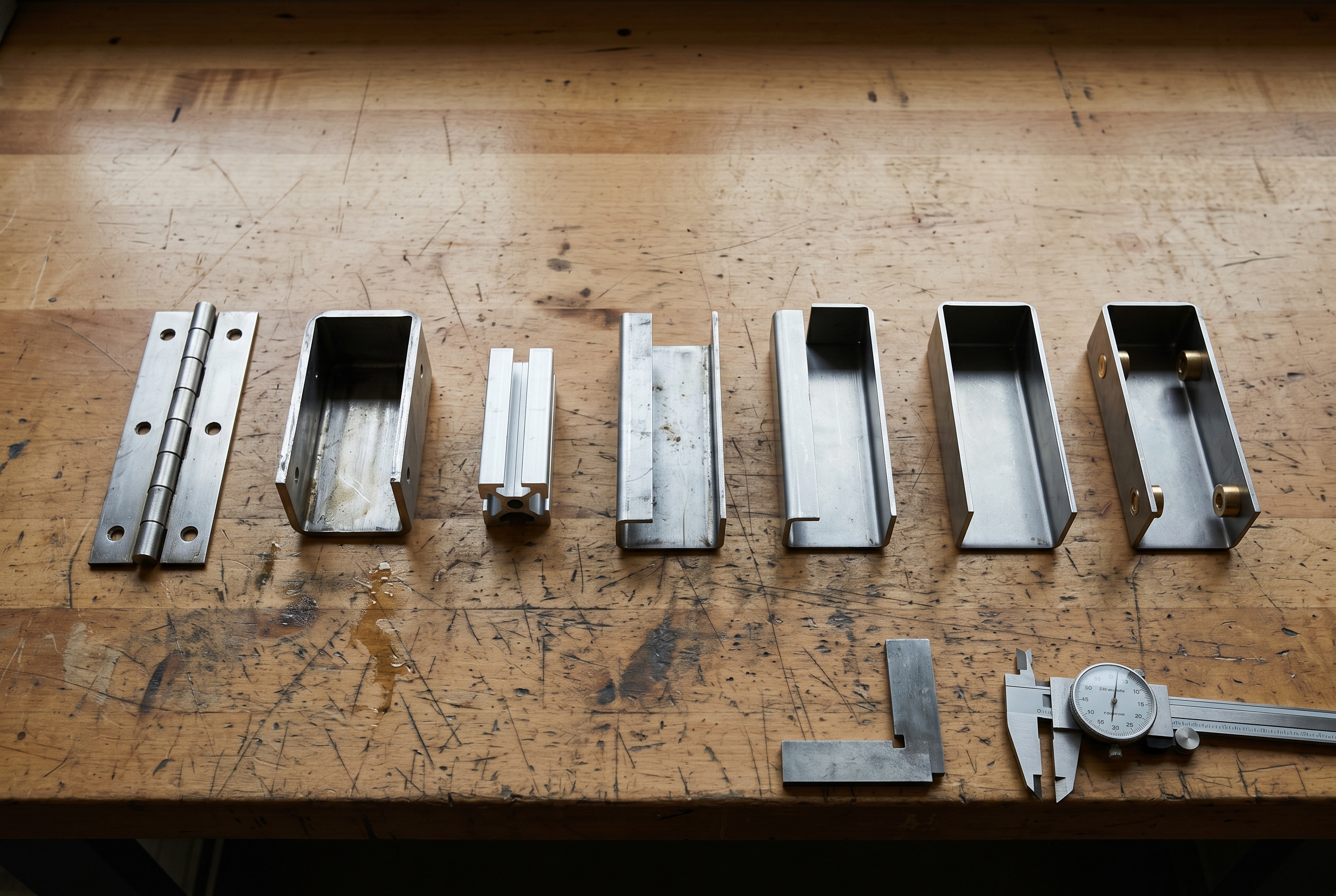
DeBourgh’s in-house fabrication set the design envelope. The Volta 2.0 had to hide every hinge across an extreme door range, fit three lock platforms into one cable channel, and shave assembly time on DeBourgh’s existing welded line without altering tooling or the door feel that anchors the brand.
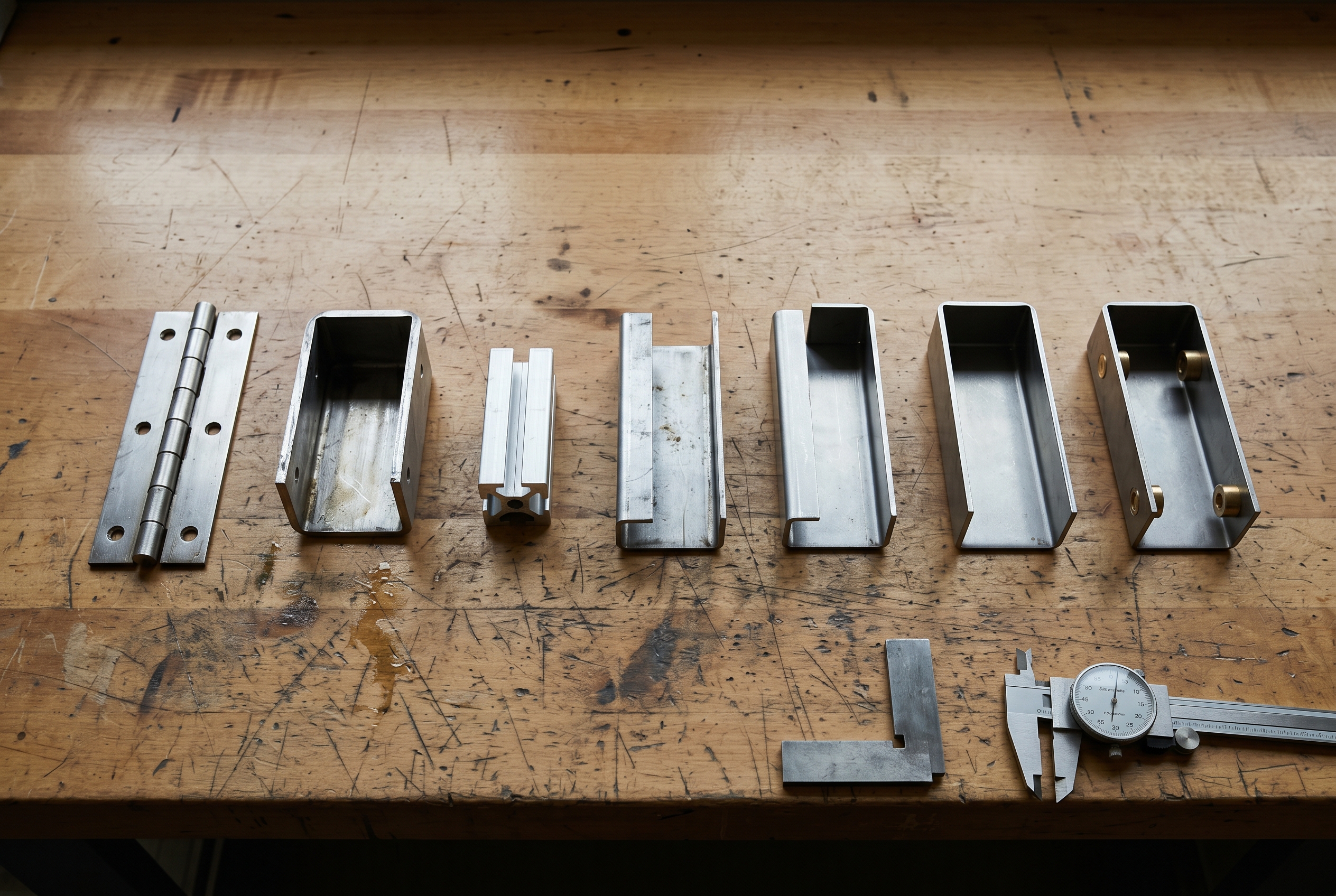
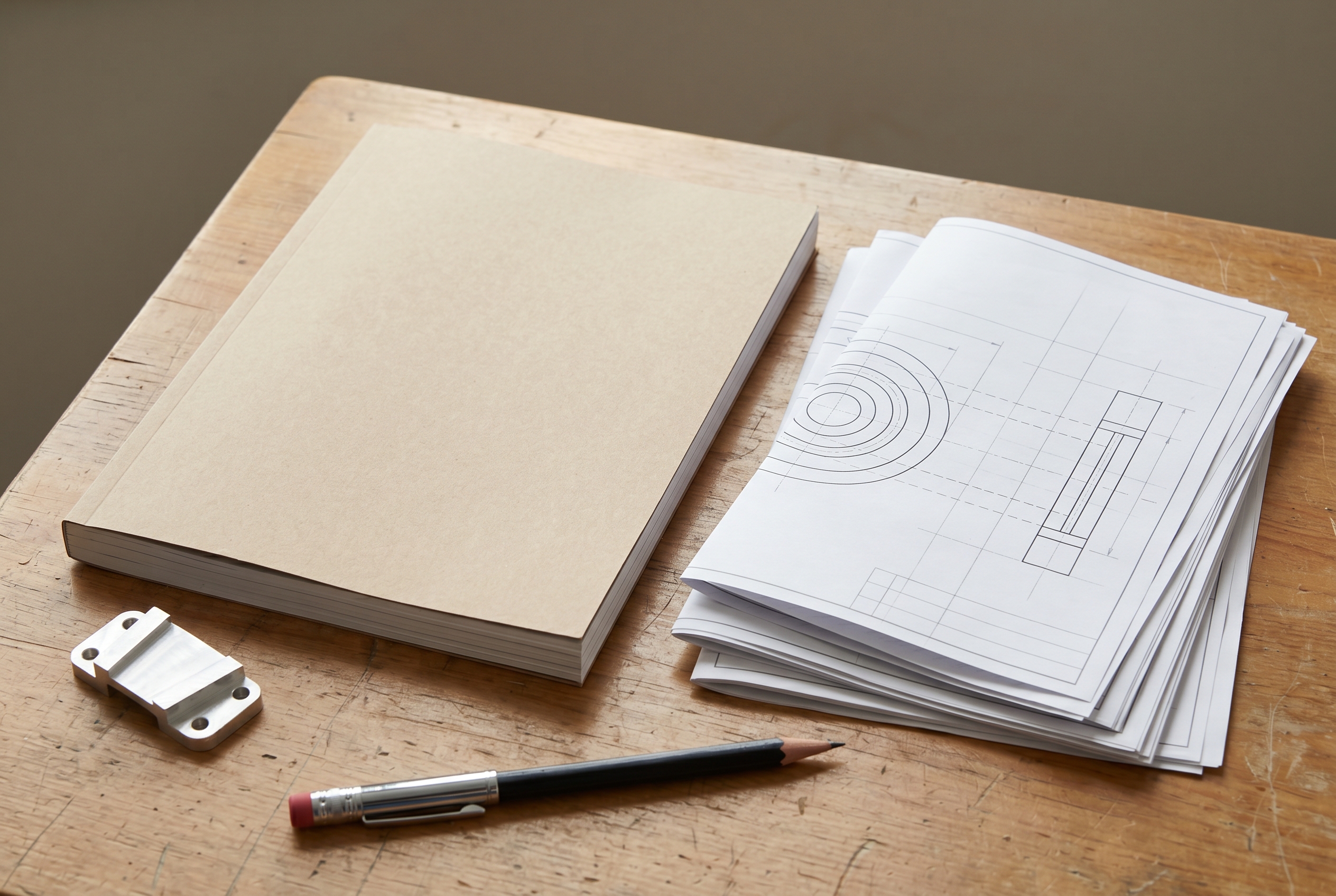
Hinge Prototype Parts
Hinge Concept Sketches
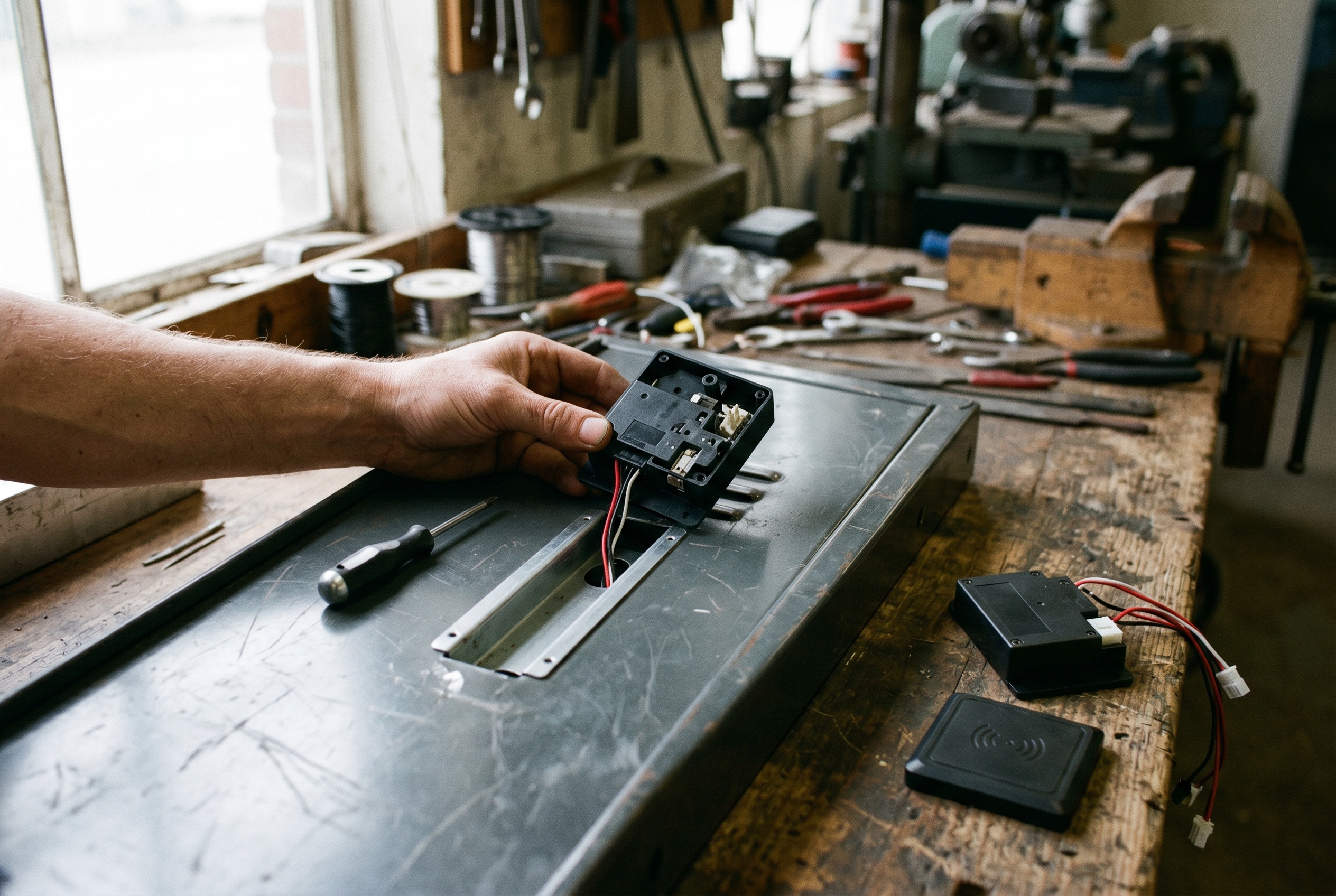
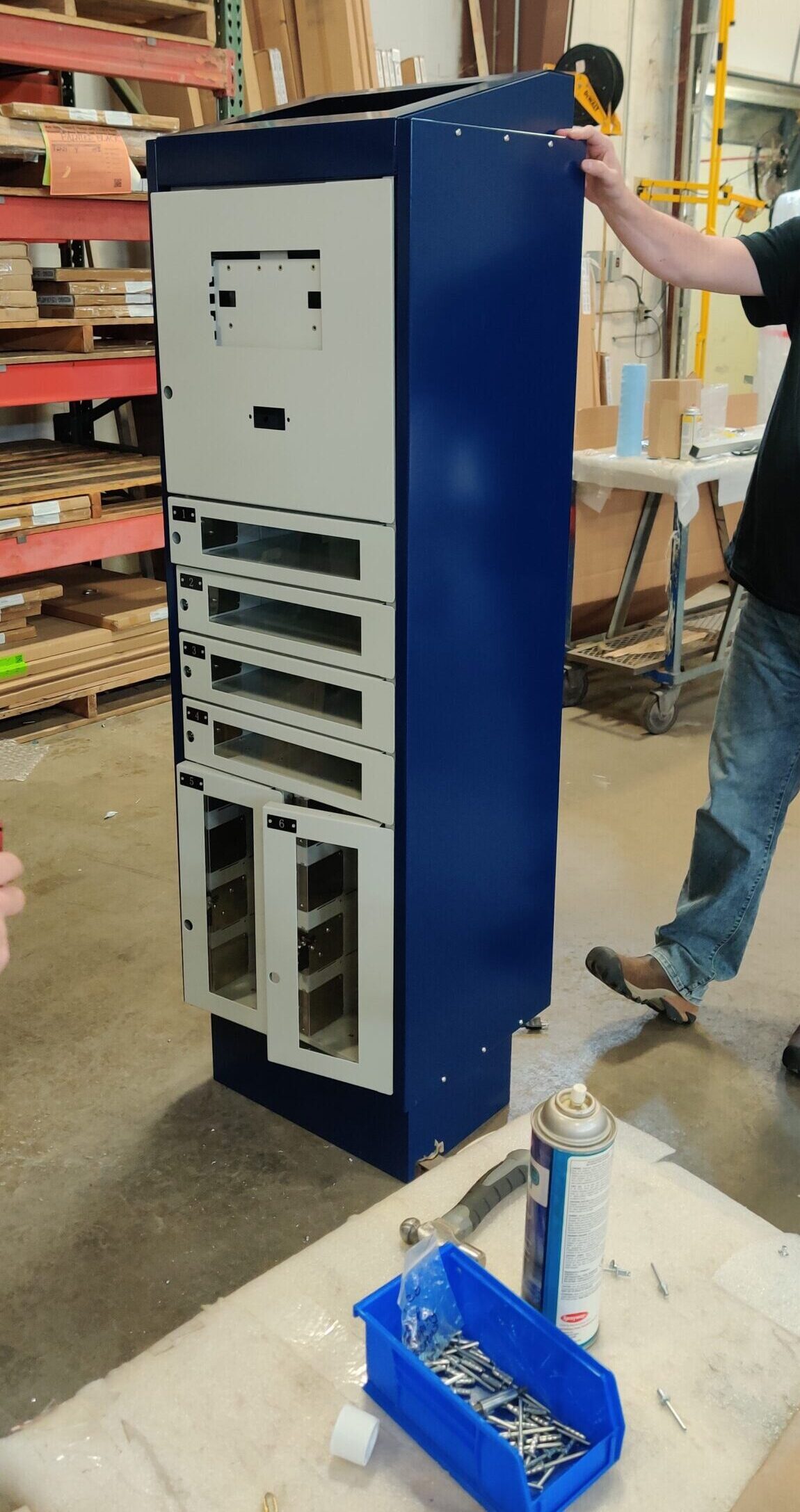
Alpha Prototype Build

Product Results

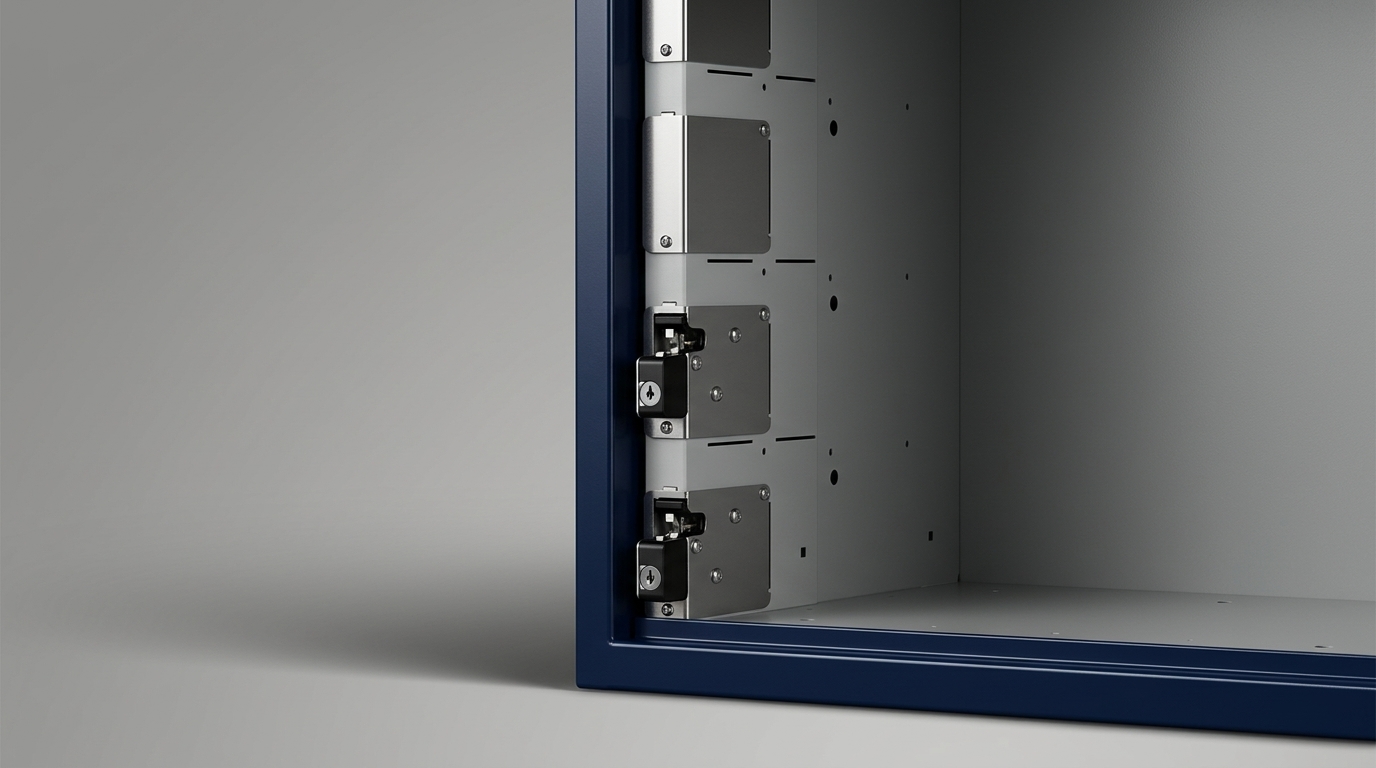
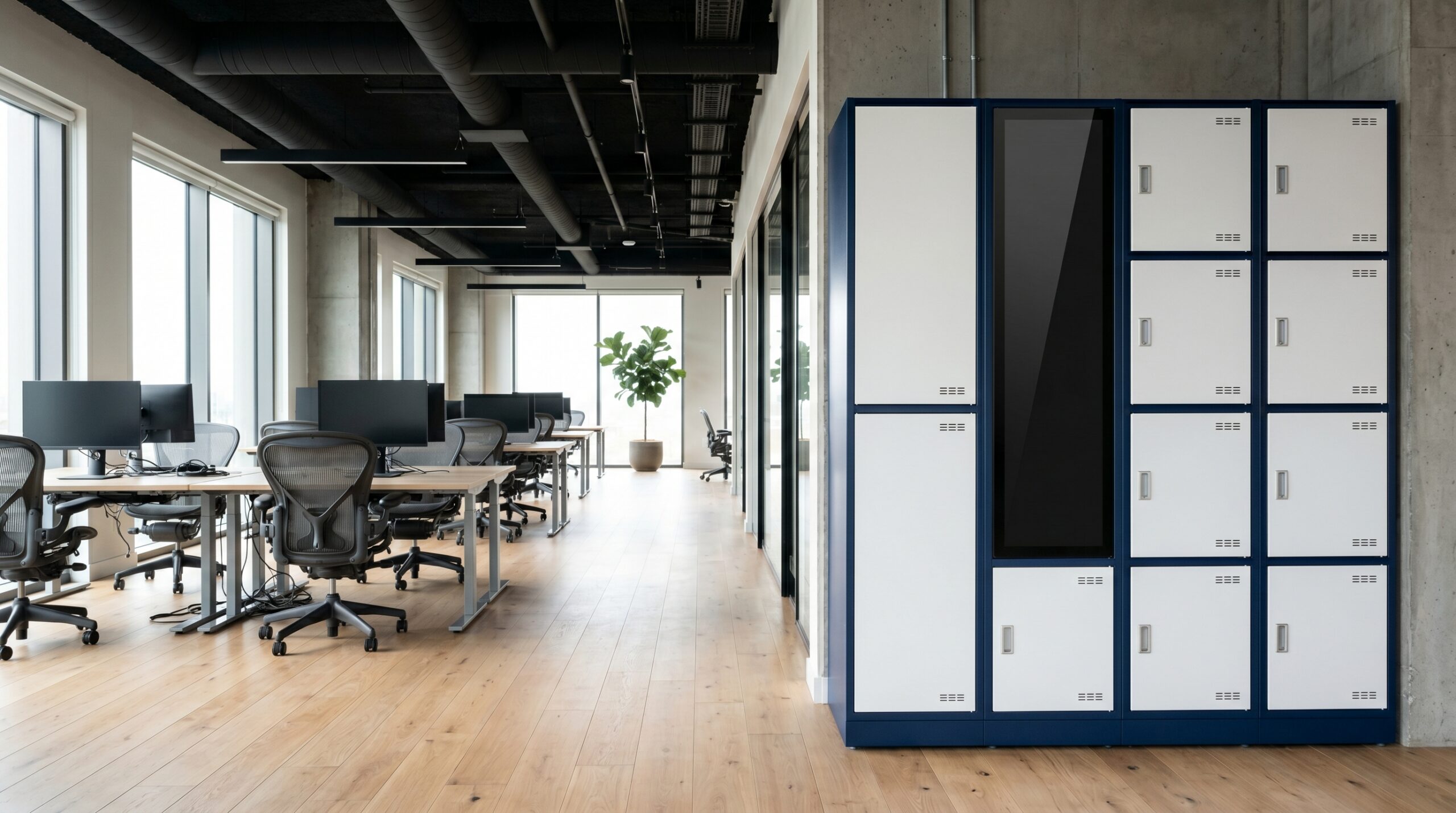
The Volta 2.0 came through detailed engineering as a production-ready column architecture that DeBourgh’s R&D and manufacturing teams took to the line. Design 1st delivered the design files, manufacturing fixtures, and reference documentation DeBourgh needed to release every variant without further outside development.

DeBourgh Manufacturing Acquired by List Industries

In March 2026, DeBourgh announced they were acquired by fellow locker industry titan List Industries. The deal makes DeBourgh’s existing manufacturing facility and business primed for investment and expansion

Related Case Studies

Published on: May 4, 2026
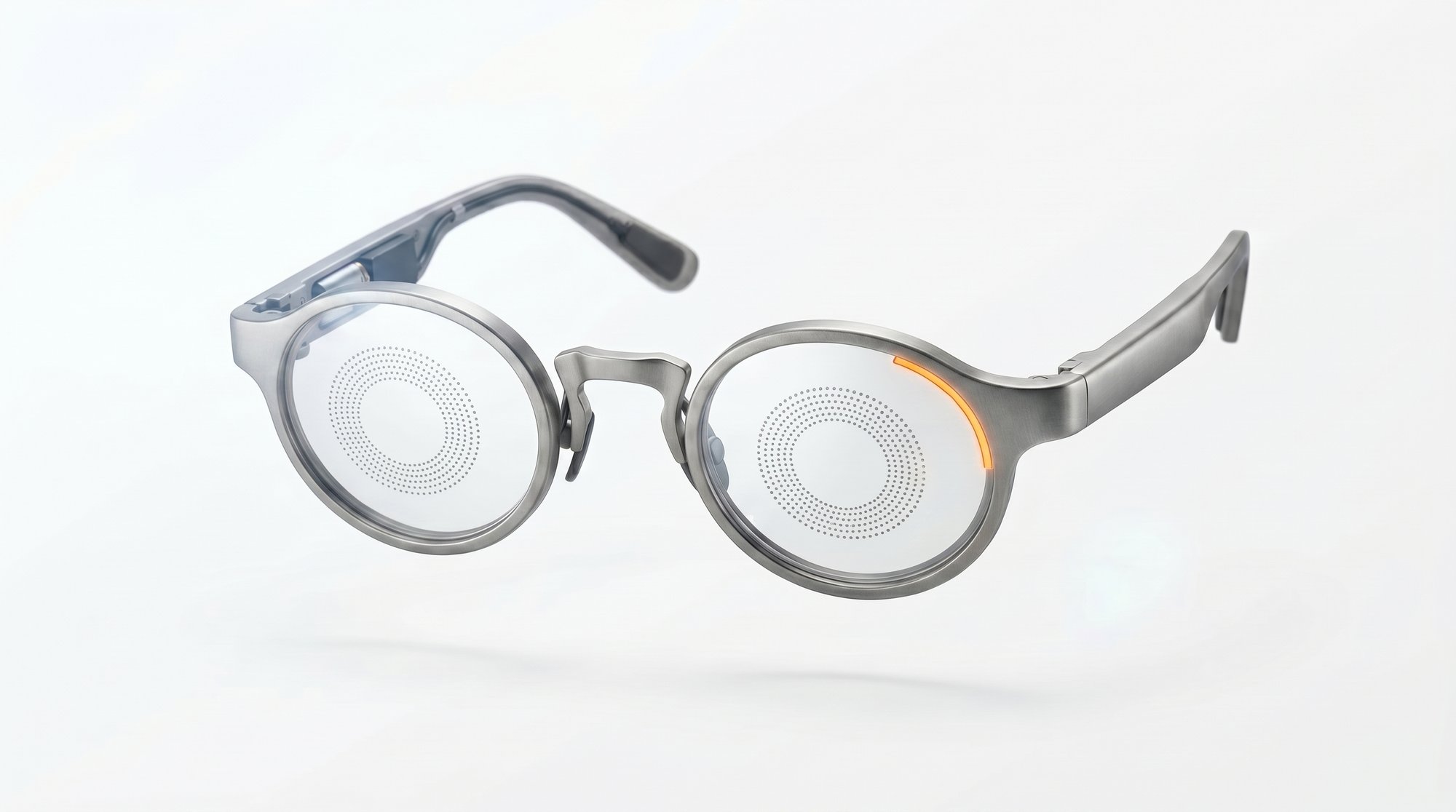
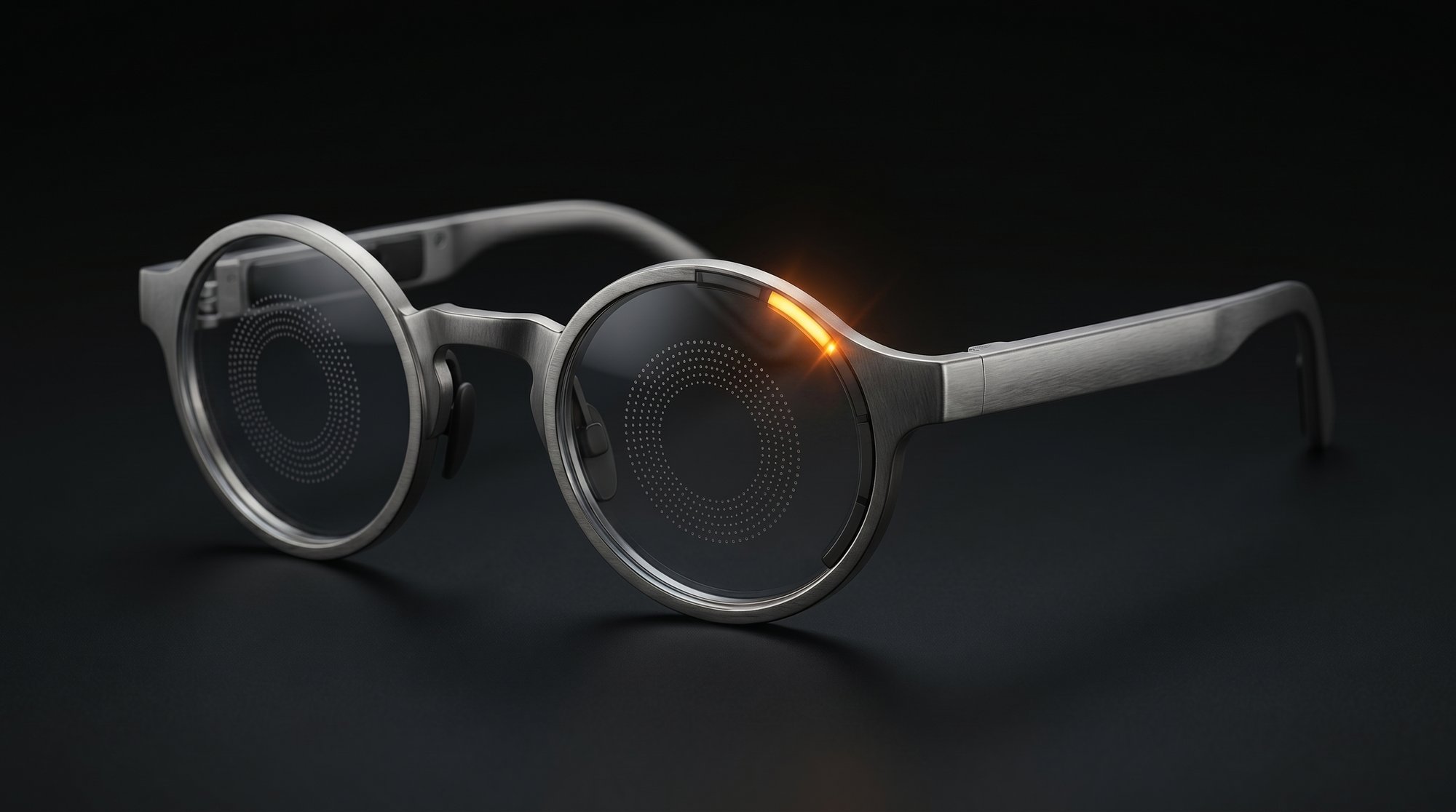
Smart Audio Awareness Glasses

Smart Audio Awareness Glasses

Machine Learning-Powered Wearable for Real-Time Audio Direction Detection

An Inside Glimpse Into the R&D Product Development of Smart Audio Awareness Glasses

Concept Rendering showing form factor

Product Design Requirements

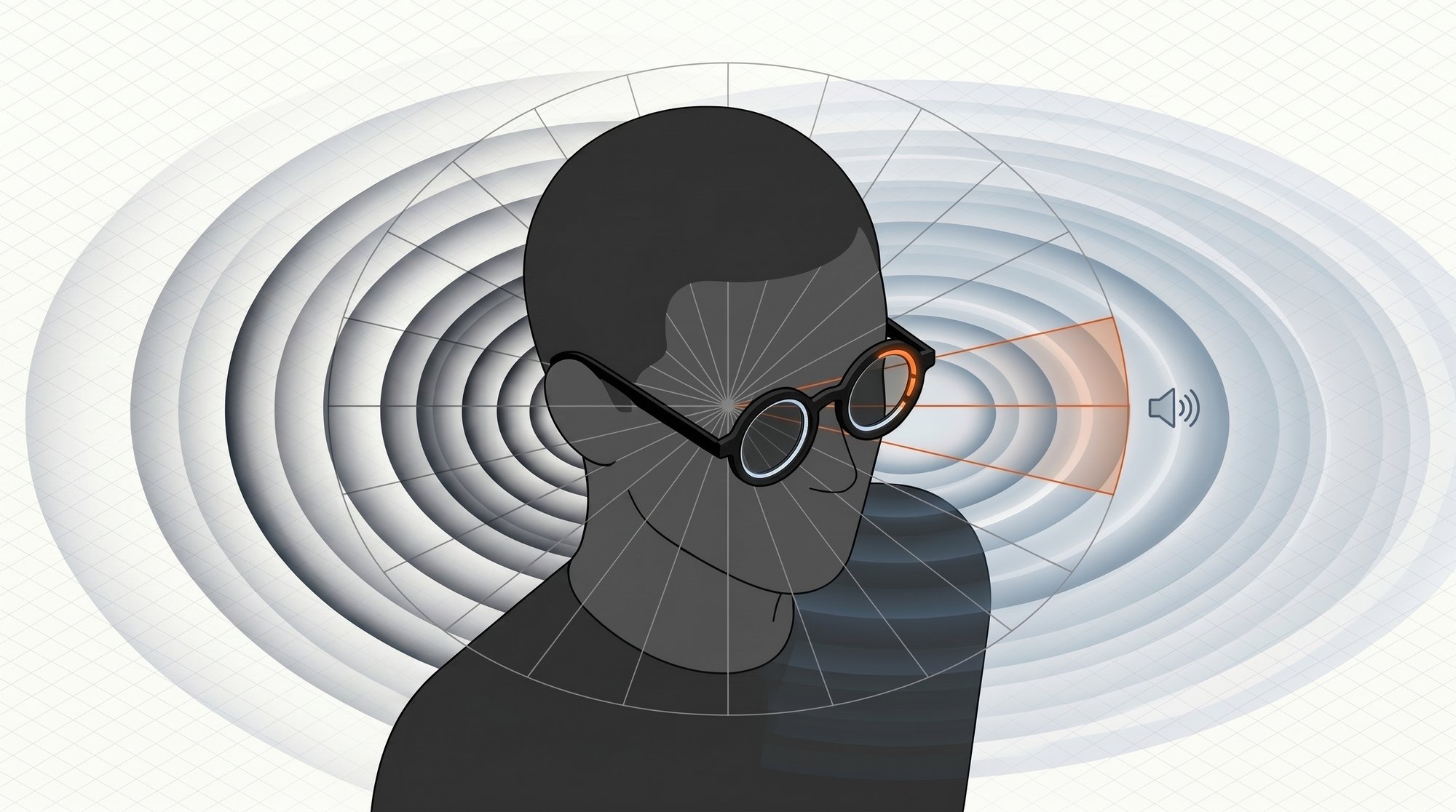
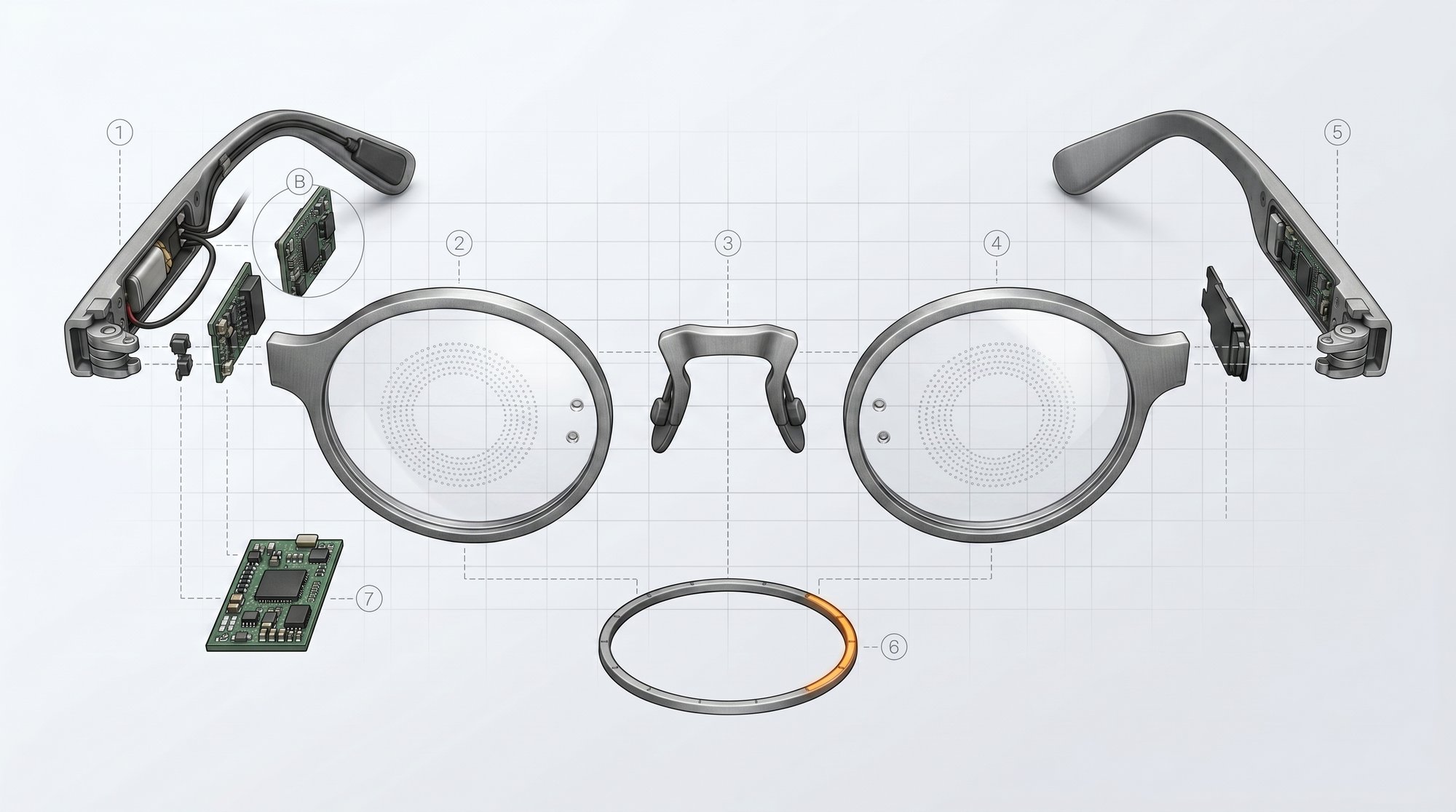
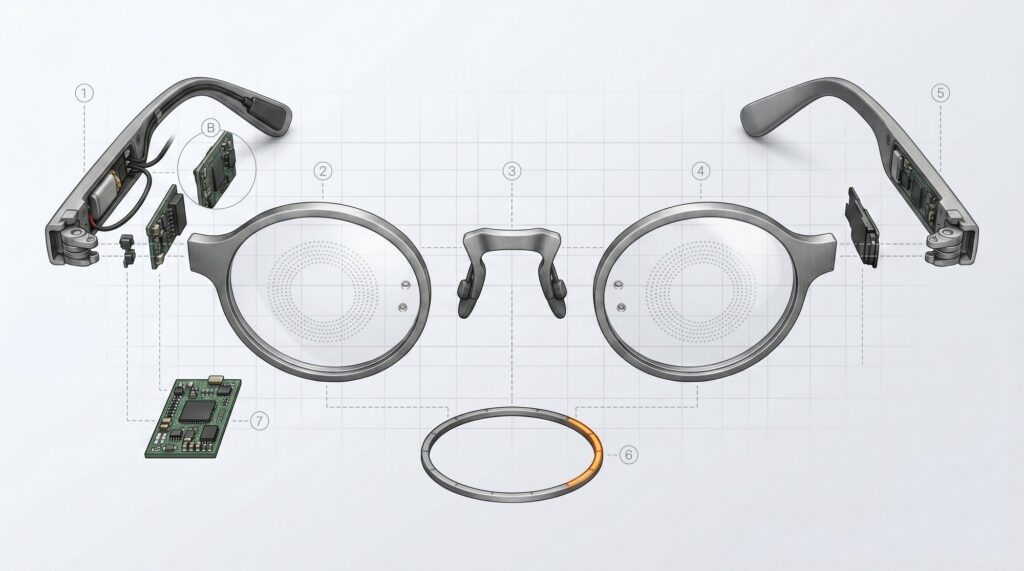
David Thorn, Founder and President of Purple Dragon LLC, engaged Design 1st to prove out a wearable audio direction-finding device built into eyeglasses.  The concept, as a US Patent, placed microphones in the frame rims and an LED ring on the rear inner surface of each rim, sitting in the wearer’s peripheral vision.

When sound arrives, the LEDs light in its direction, giving people with hearing loss a visual channel for spatial awareness. Nothing off the shelf could do this. D1 was brought in to research viable methods and build a technology demonstrator from the ground up.

The Electronics Engineering Challenges

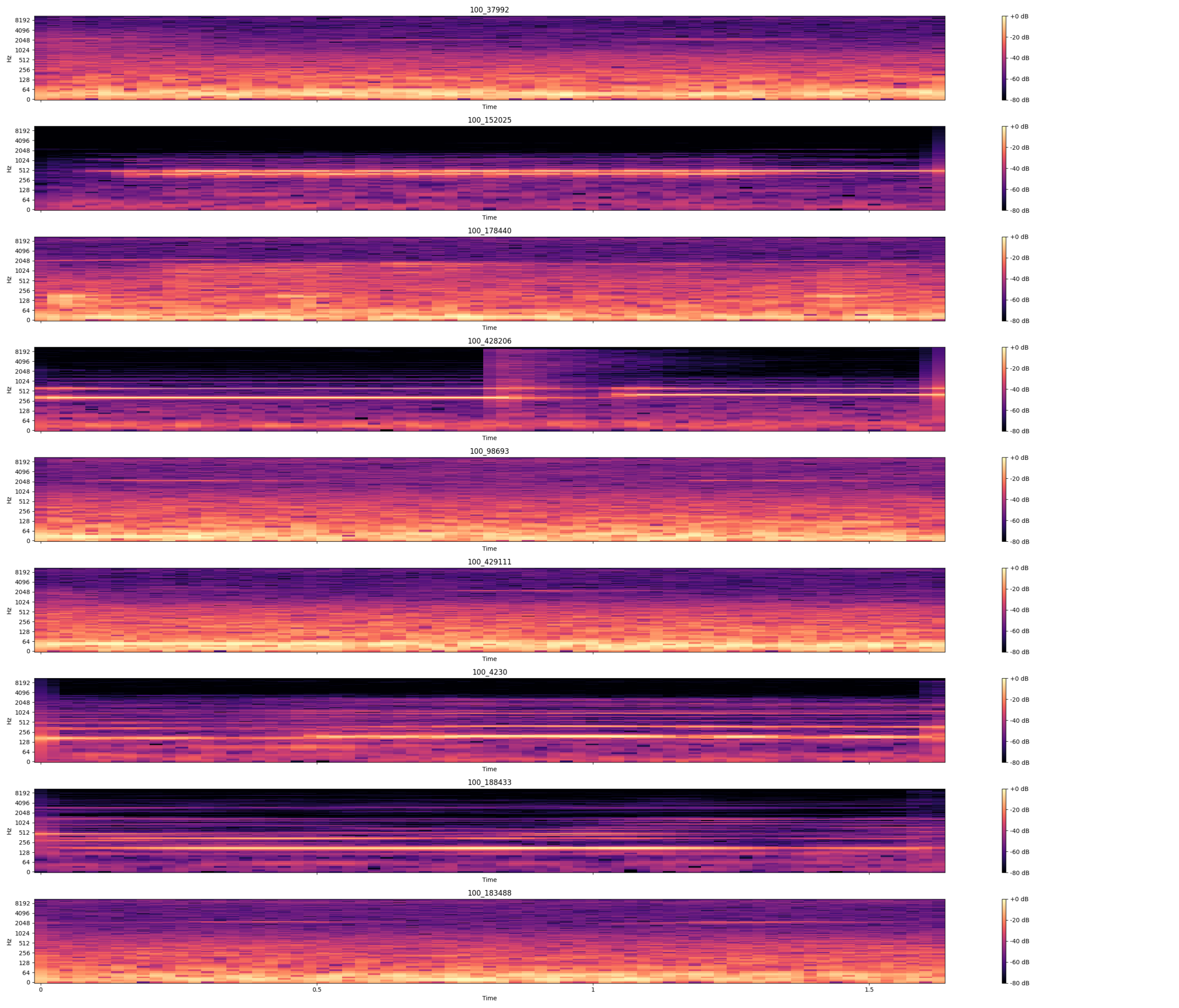
Traditional analytical methods for audio source direction detection rely on complex mathematical models and perform poorly in reverberant, real-world environments. Design 1st’s electronics team selected a machine learning approach for its potential to adapt to diverse acoustic conditions without manual parameter tuning.
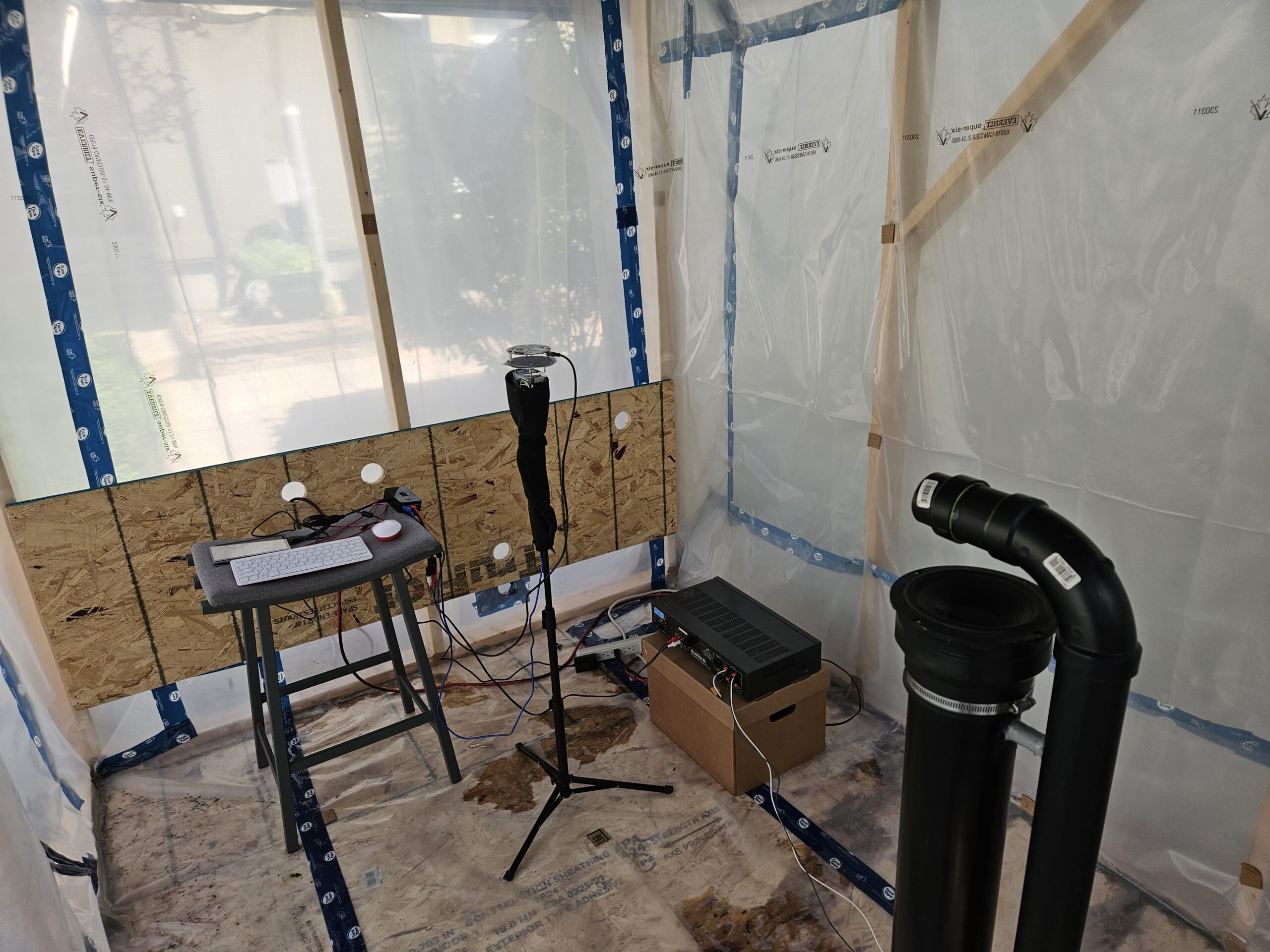
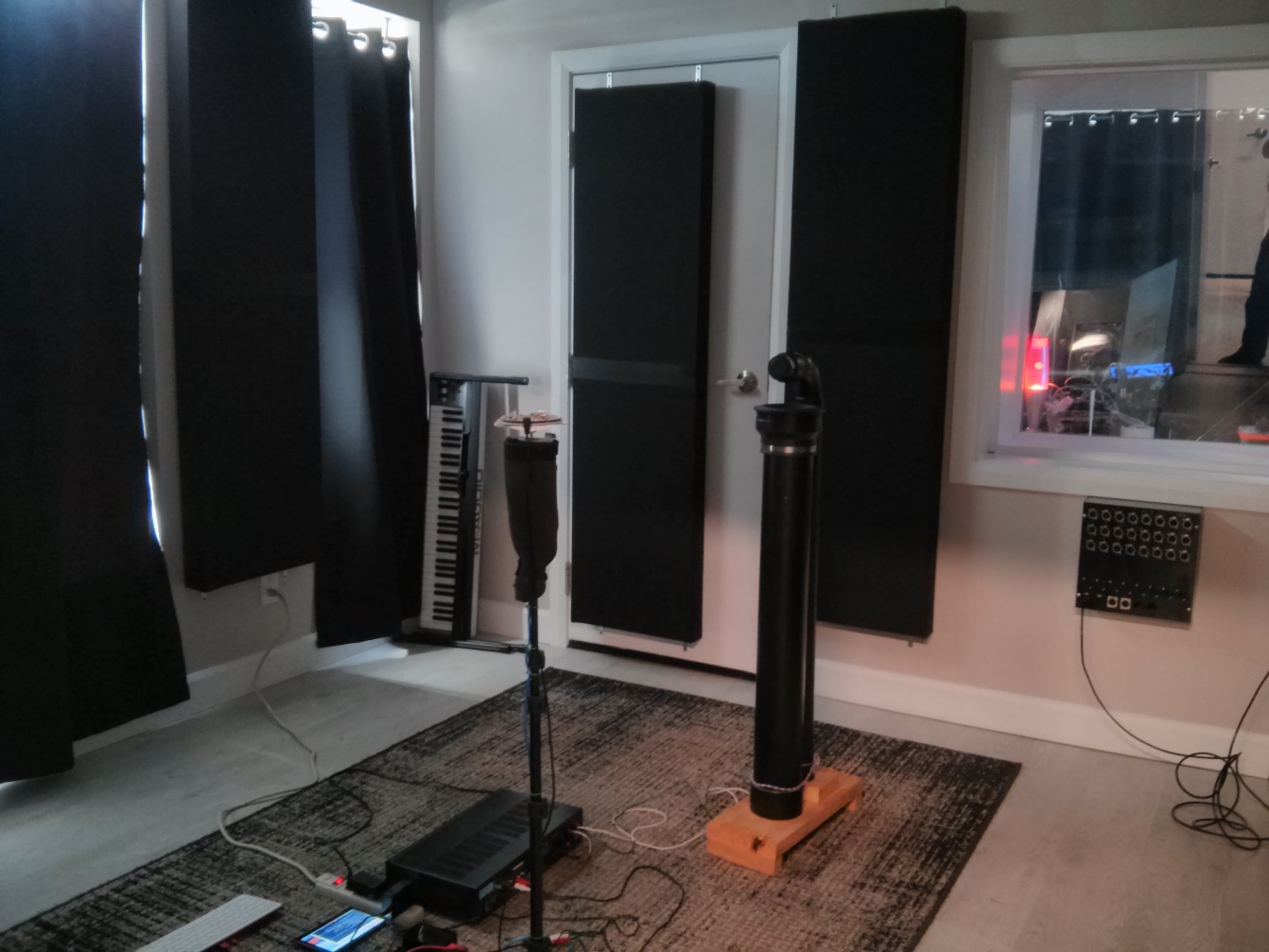
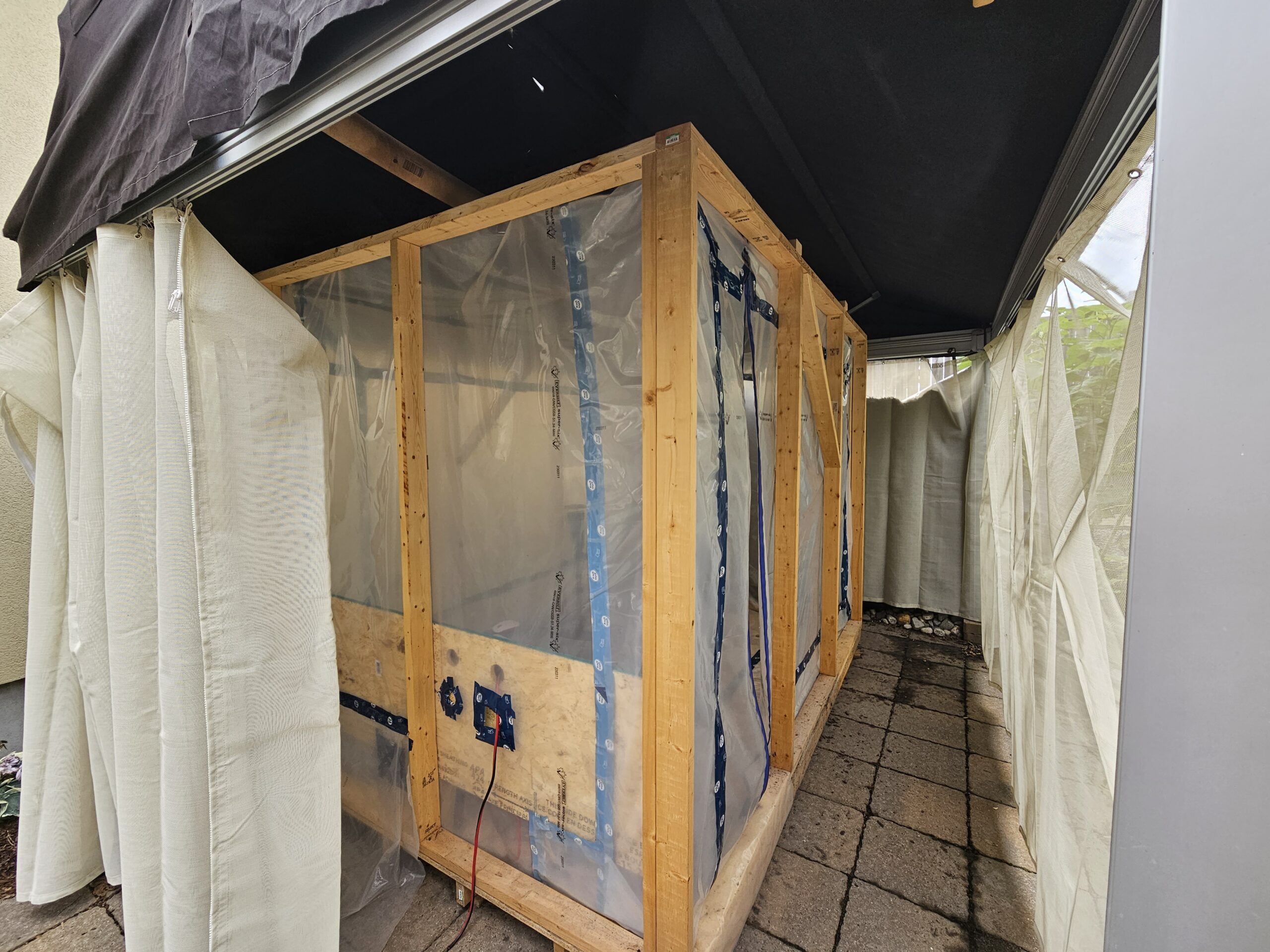
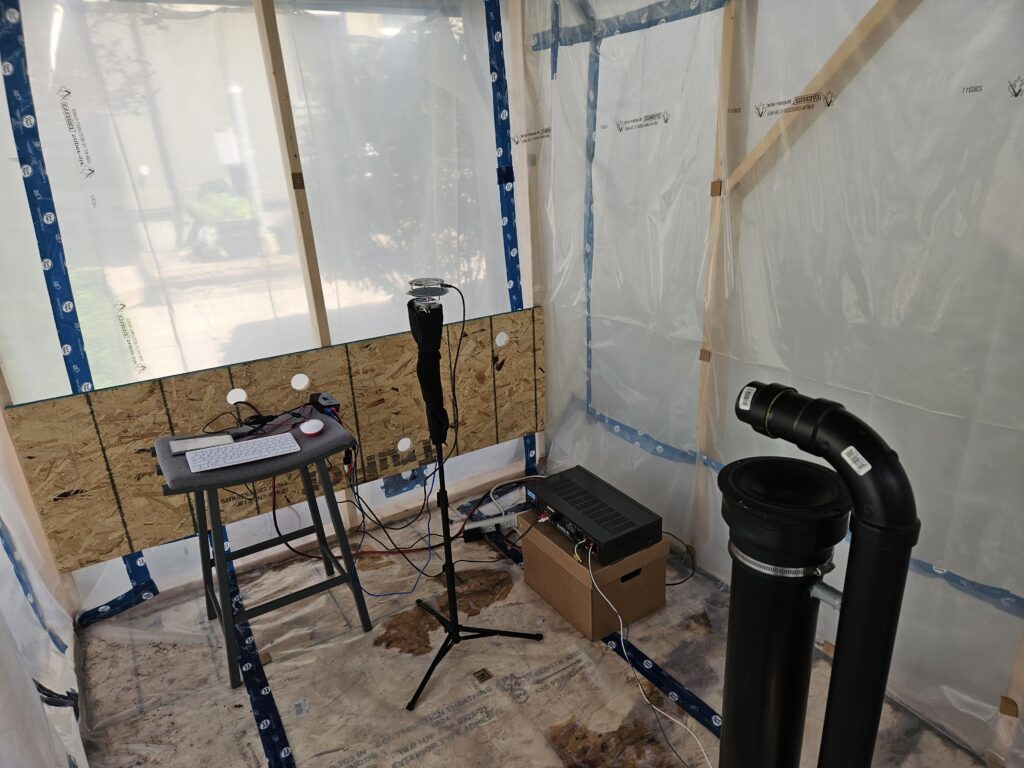
Audio Testing Chamber Built for Project
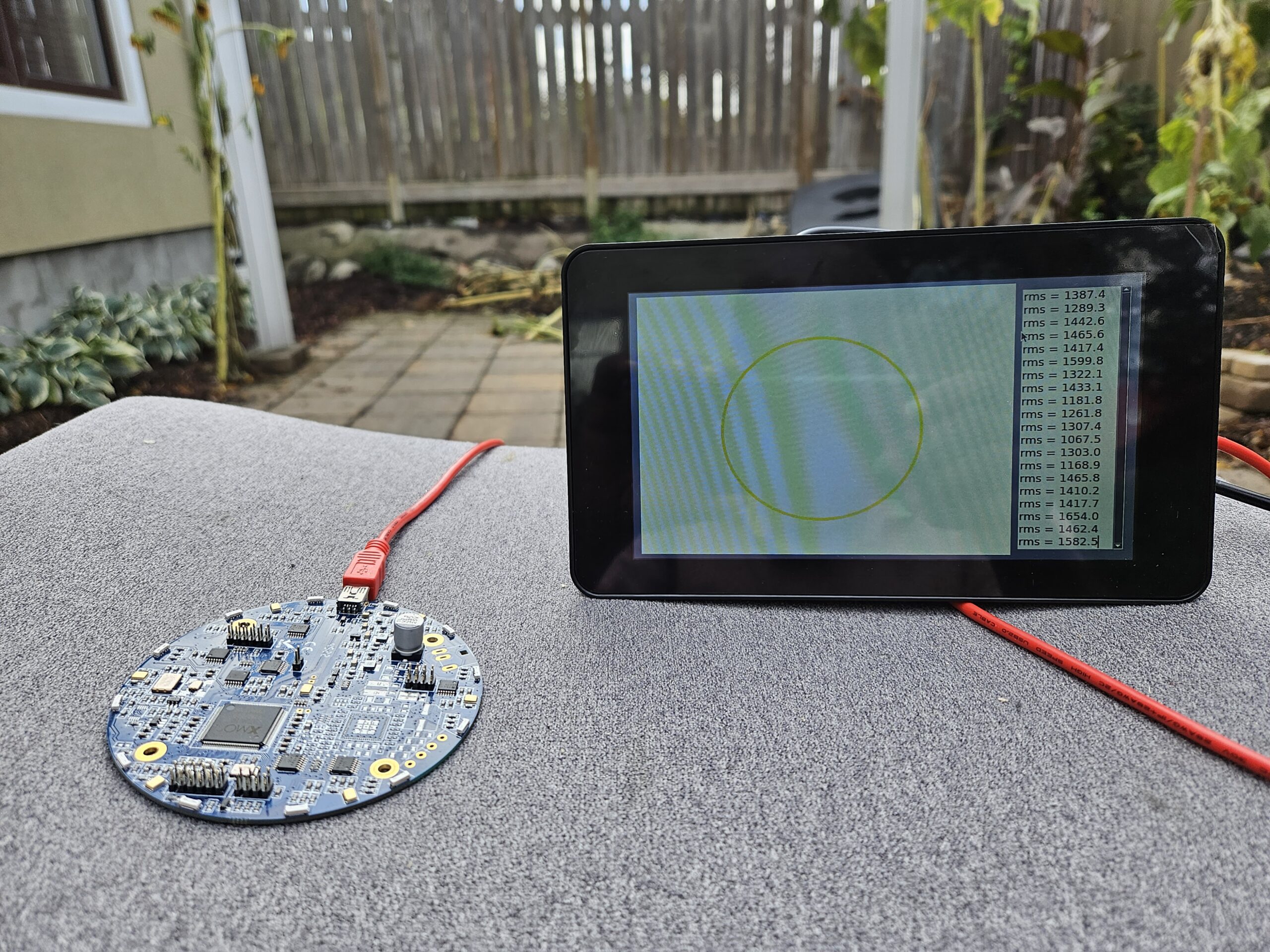
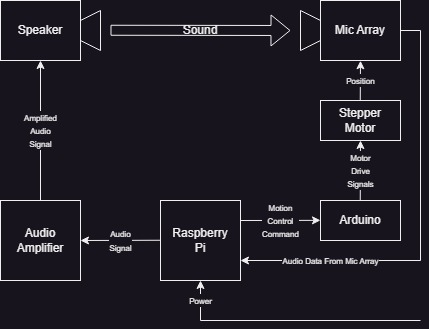
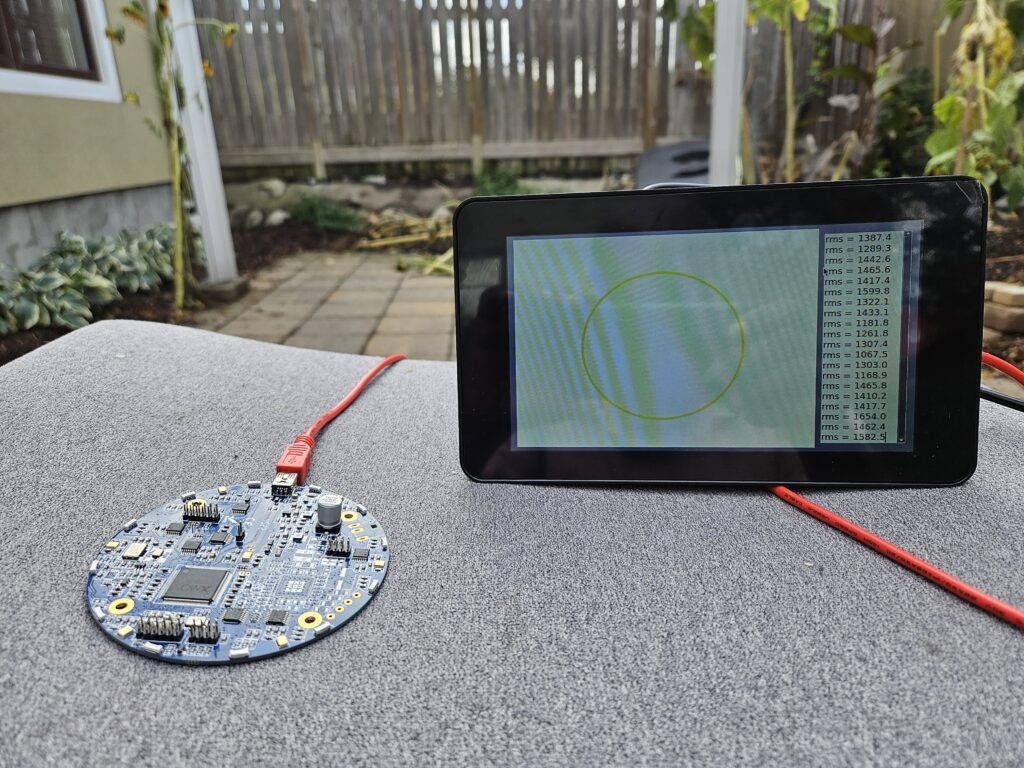
Demo Testing Unit Mic Array

The Machine Learning & Software Challenges

Traditional analytical methods for audio source detection (like GCC-PHAT) often struggle in reverberant, real-world environments. Our team selected a machine learning approach for its ability to generalize across diverse acoustic conditions without manual parameter tuning.

Product Results

The project validated that ML-based audio spatial localization is a viable path to a wearable assistive device. A standalone demo system was shipped to the client, where independent testing replicated D1’s directional detection findings, confirming the approach works outside a controlled lab.
Exploded-View of Concept Assembly

Published on: April 24, 2026
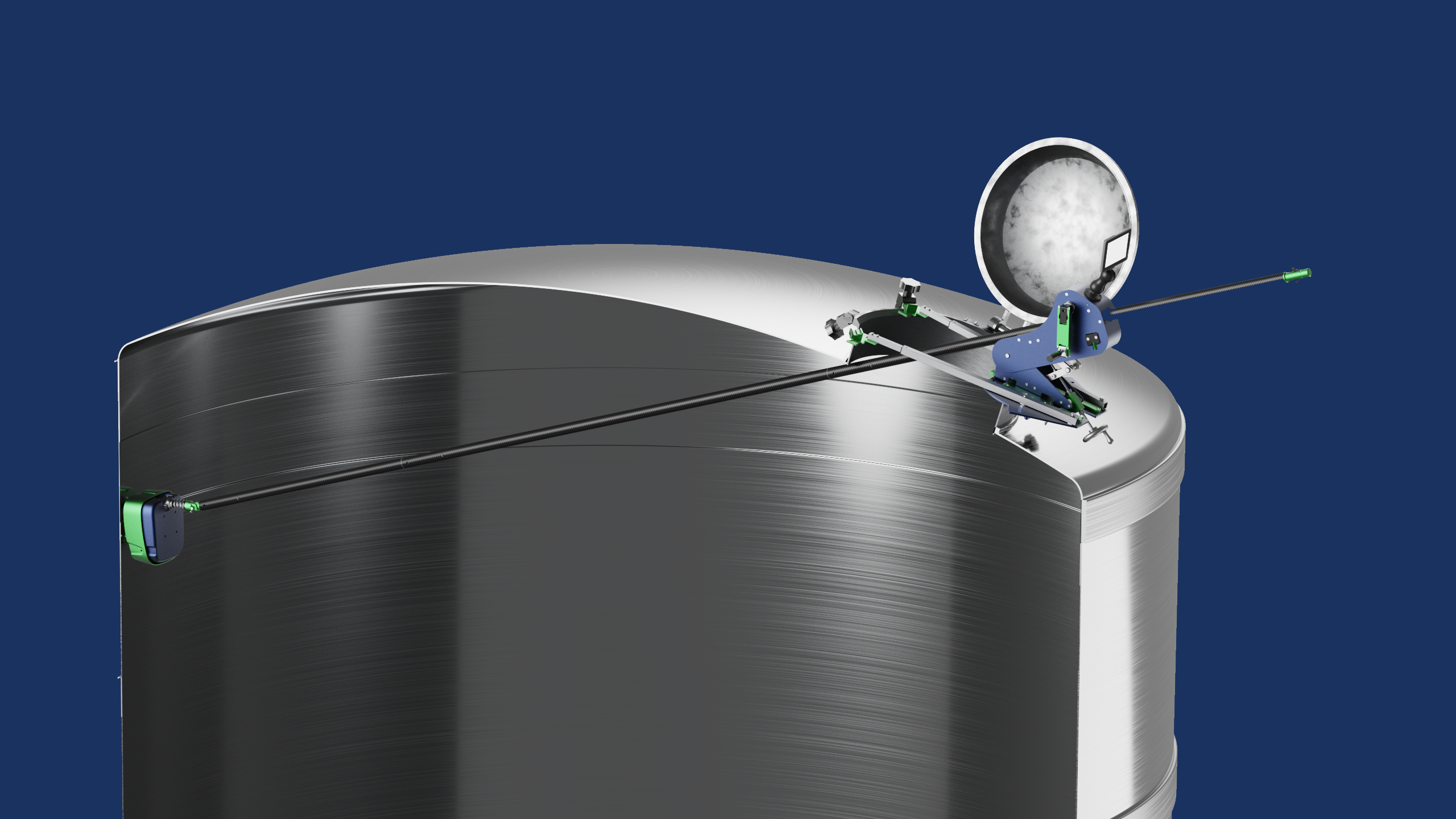
Swabbot – Cleaning Cobot

Swabbot - Cleaning and Validation Cobot

Revolutionary Collaborative Robot (Cobot) for Pharmaceutical Tank Cleaning

An Inside Glimpse Into the Product Development of the Swabbot Collaborative Robot

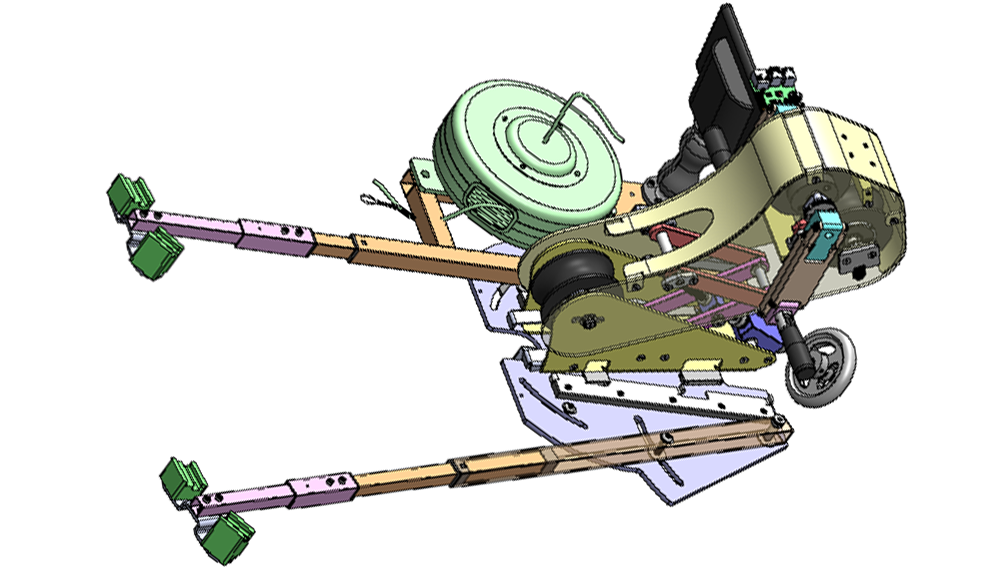
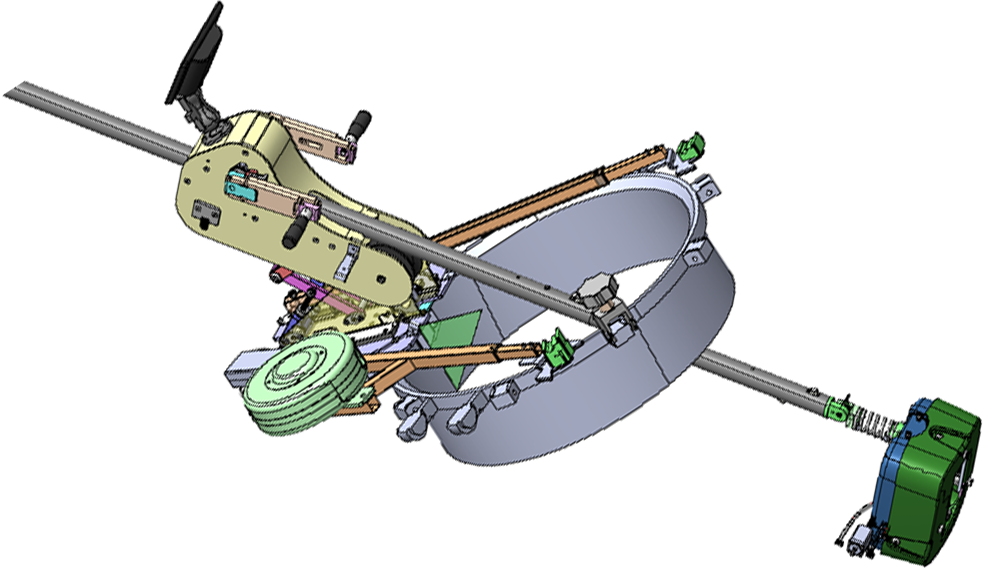
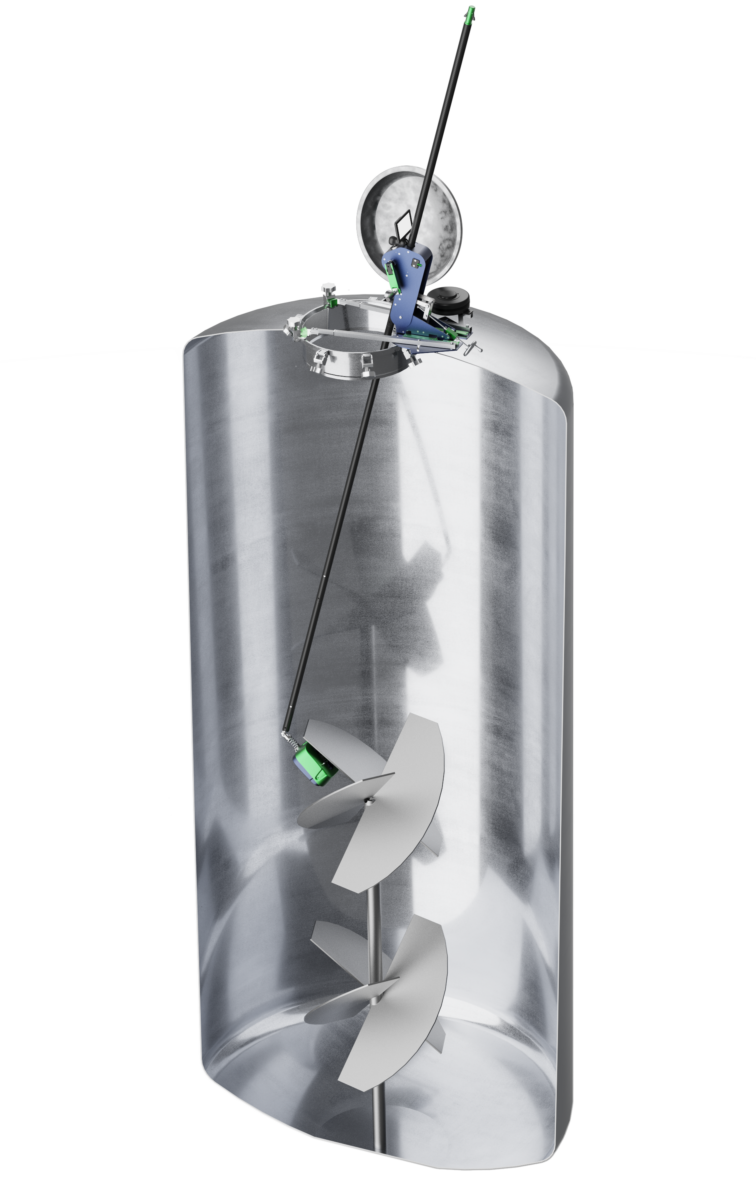
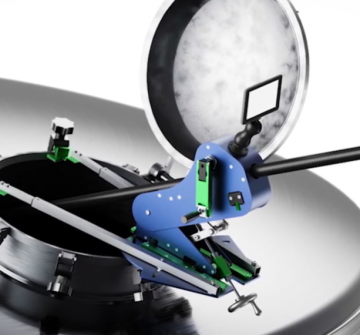
Swabbot Concept Inside large tank

Product Design Requirements

Rick Mineo, CEO of Swabbot, approached Design 1st with an innovative yet preliminary SwabBot prototype, seeking to refine and scale it for rigorous industrial applications. Design 1st focused on evolving the concept into a compact, autonomous collaborative robot (cobot) capable of executing precise cleaning validations in large confined spaces, enhancing safety and operational efficiency. Key product design requirements included:

Engineering Challenges

The evolution of the Swabbot into an efficient cobot required overcoming significant engineering challenges to meet the rigorous demands of industrial cleaning applications. Design 1st tackled issues related to size, automation, and operational safety, critical for the cobot’s success. Engineering challenges and solutions included:

final-product-test-proto-sw
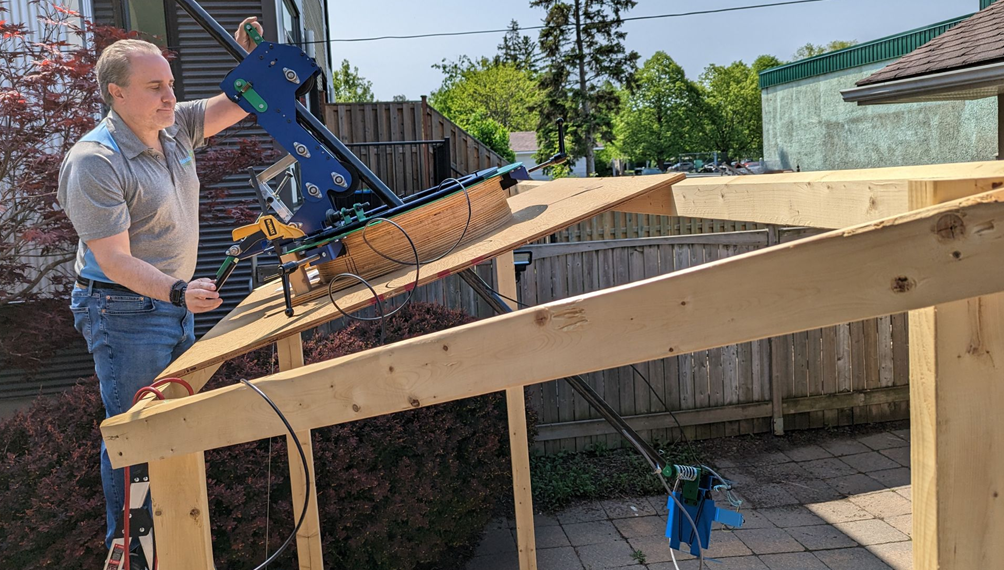
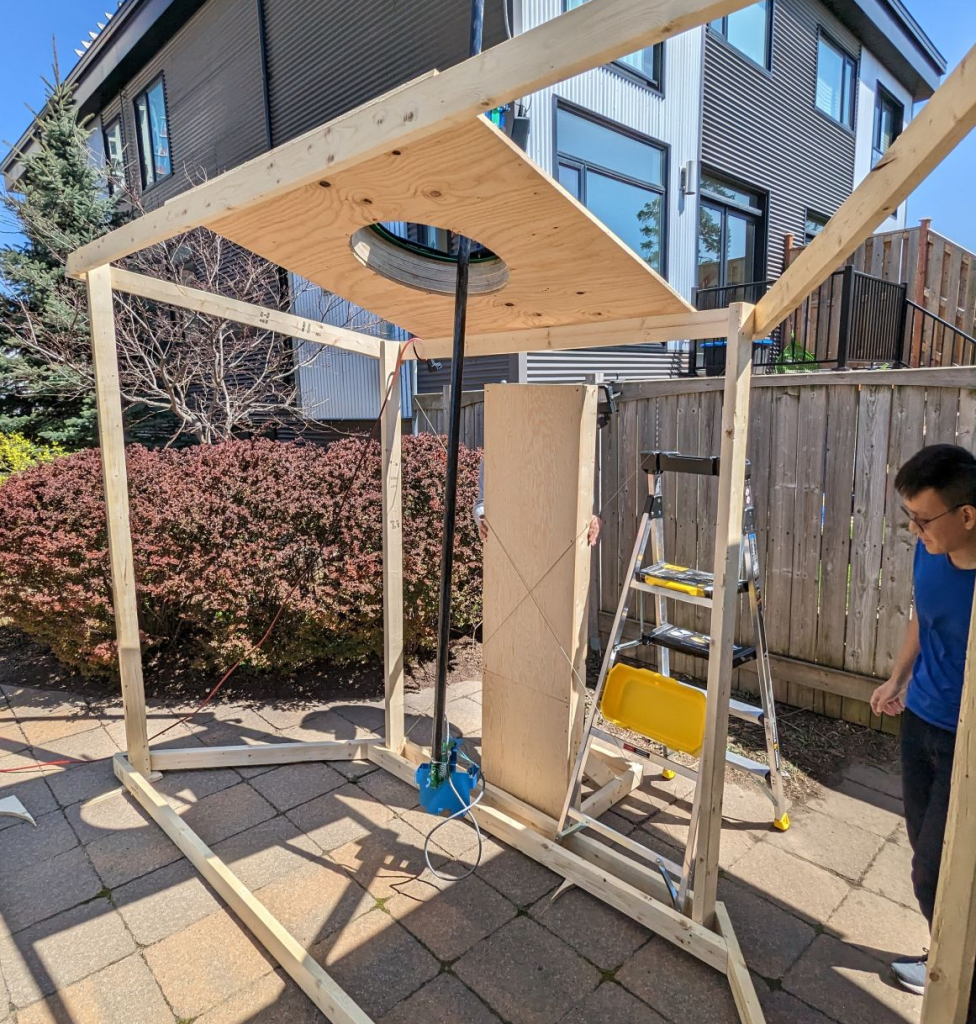
Wood Tank Prototype for Final Product Testing
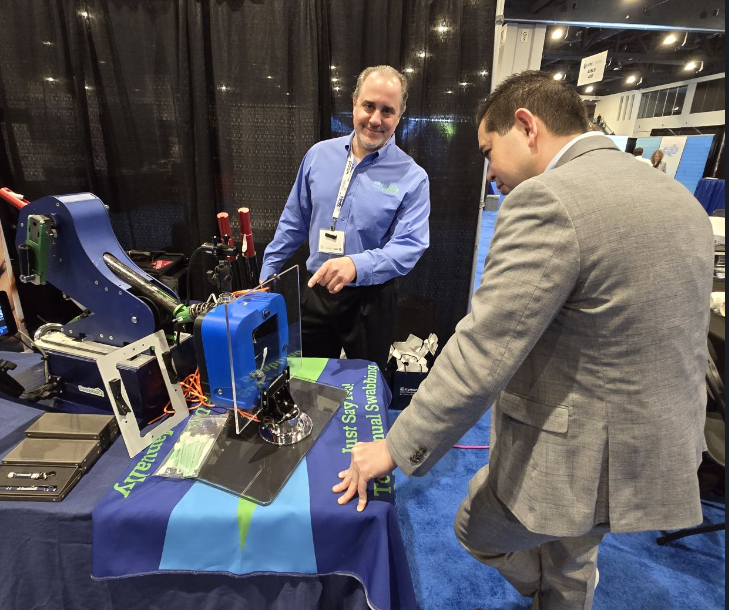
Swabbot Launch at ISPE CASA Tech Show in Raleigh

Product Results

Following extensive testing and development by Design 1st, Swabbot stands out as an innovative solution ready to transform industry standards in cleaning validation. Swabbot is now demonstrating the product at various tradeshows. Key product results include:

Taking a Cobot from initial concept through to final product testing

The initial catalyst to bring in Design 1st was to get a company who covers all of our needs from electrical, mechanical, software, and manufacturing in one group. Design 1st taken us from that early stage now to getting our final prototype and final prototype testing.”

CEO, Swabbot Solutions LLC 

Related Case Studies

Published on: April 23, 2026
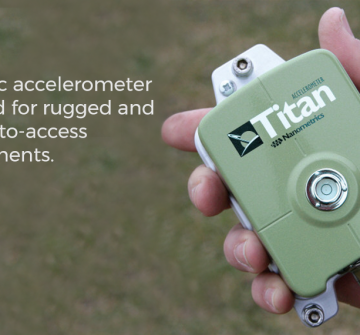
Nanometrics – Seismic Monitoring Device

Nanometrics - Seismic Monitoring Device

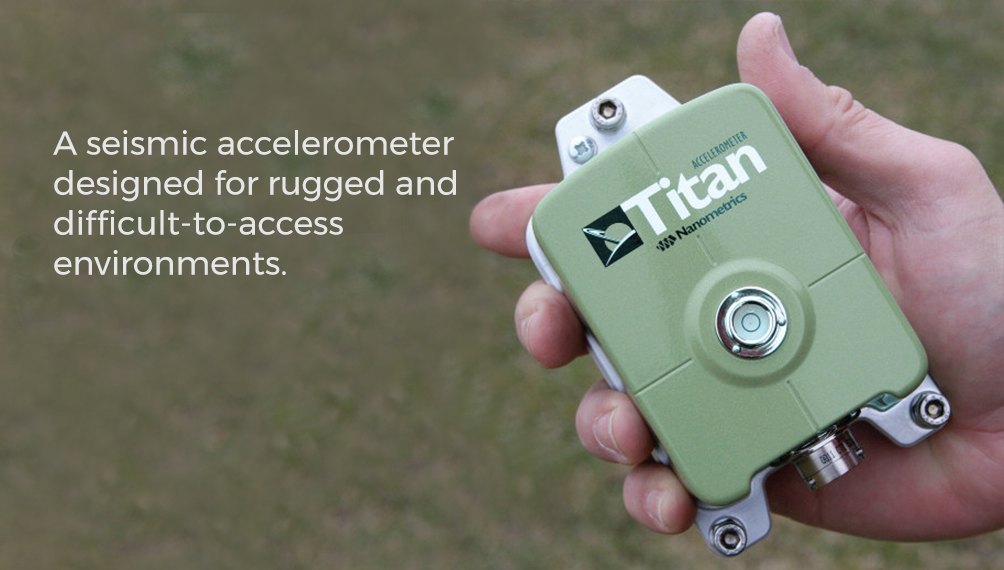
Seismic Accelerometer designed for Rugged and Difficult Environments

Hero

An Inside Glimpse Into the Development of Nanometric's Seismic Monitoring Device

Design
Product Design Sketches

Background & Design Requirements

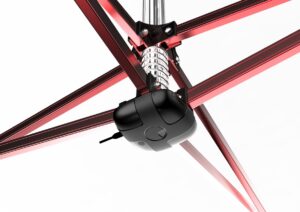
Nanometrics engaged Design 1st for their industrial design and low-cost plastics injection molding expertise to design the rugged Titan – a triaxial accelerometer seismic monitor.

Design and Engineering Challenges

Implementing Design 1st’s proven process, the team was able to overcome several obstacles to:
Prototype
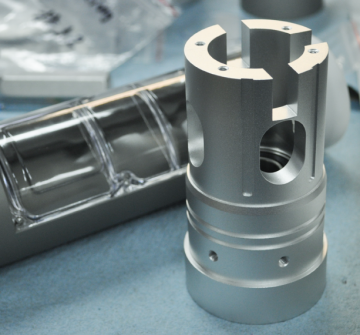
Prototype Housing
Manufacture
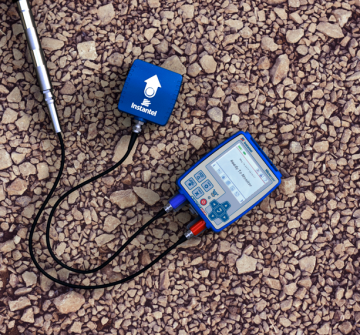
Nanometrics - Titan Accelerometer

Product Results

After nine months of product development, prototyping, and testing, Nanometric’s newest innovation “Titan” was ready for volume manufacturing.

Related Case Studies

Published on: March 31, 2026
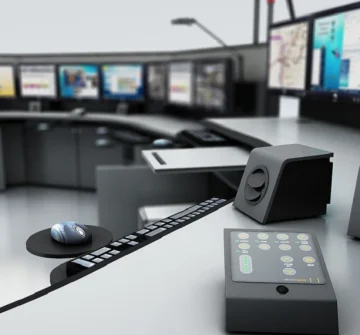
Adaptaspace – Control Room Consoles

Adaptaspace

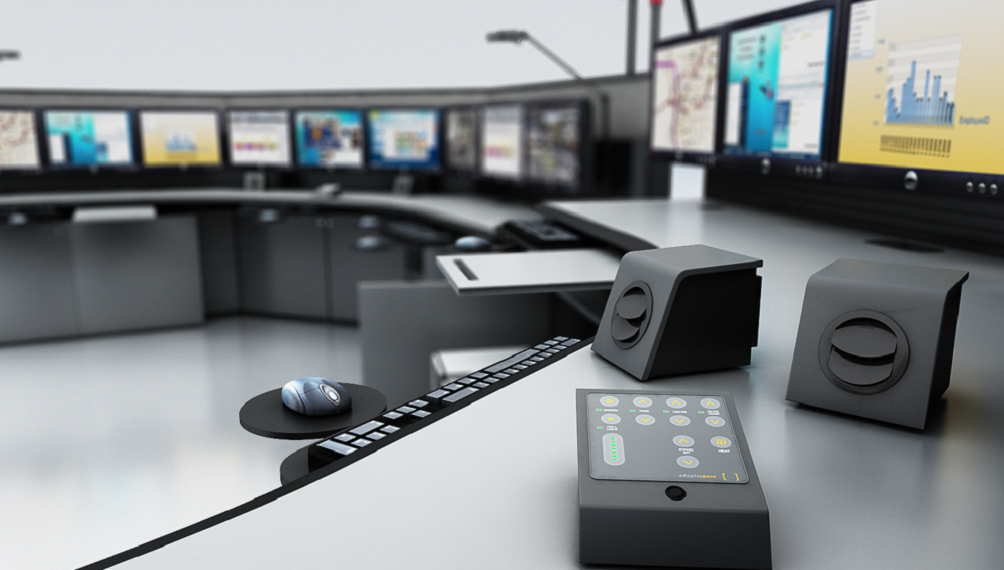
Control Room Consoles Design for Operator Comfort and 24/7 Durability

control-room-office-console

An Inside Glimpse Into the Product Design of Adaptaspace's Control Room Design

adaptaspace-control-room-co

Background and Design Requirements

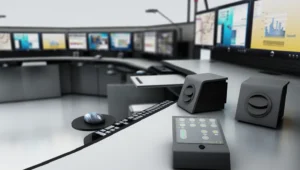
The client came to Design 1st wanting a design several custom products to integrate into their control room system to create the most advanced operating control system for technical work environments, including air traffic control, police dispatch, and emergency services.

Product Design Challenges

Implementing Design 1st’s proven process, the team was able to overcome several technical obstacles, including:
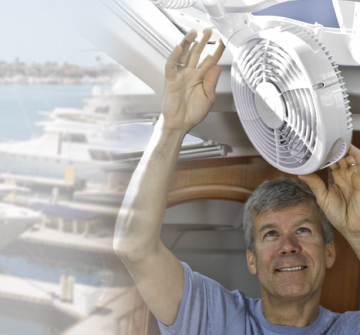
adaptaspace-fan-enclosure-d
adaptaspace-control-system-

Project Results

Through creativity and technical understanding, the Design 1st team helped Adaptspace become a global leader in advanced control systems with industry-leading quality:

Move from concept to volume production, becoming a global leader in innovative control systems

“Design 1st took us from concept right through to volume production using their in-house industrial design, mechanical engineering, and electronic design expertise. They followed our objective of using as many off-the-shelf (OTS) parts as possible, keeping our costs low, and helping us set up a custom global supply chain to meet our sales volume. Design 1st continues to be our manufacturing support partner.”

adaptapsace-cam-renkas
Cam Renkas

President, Adaptaspace

Related Case Studies

Published on: March 15, 2026

BlueKit – IoT Education Platform

BlueKit - IoT Education Platform

Acccessible IoT Learning Kit for Classrooms and Emerging Tech Education

An Inside Glimpse Into the Product Development of the BlueKit IoT Learning Platform

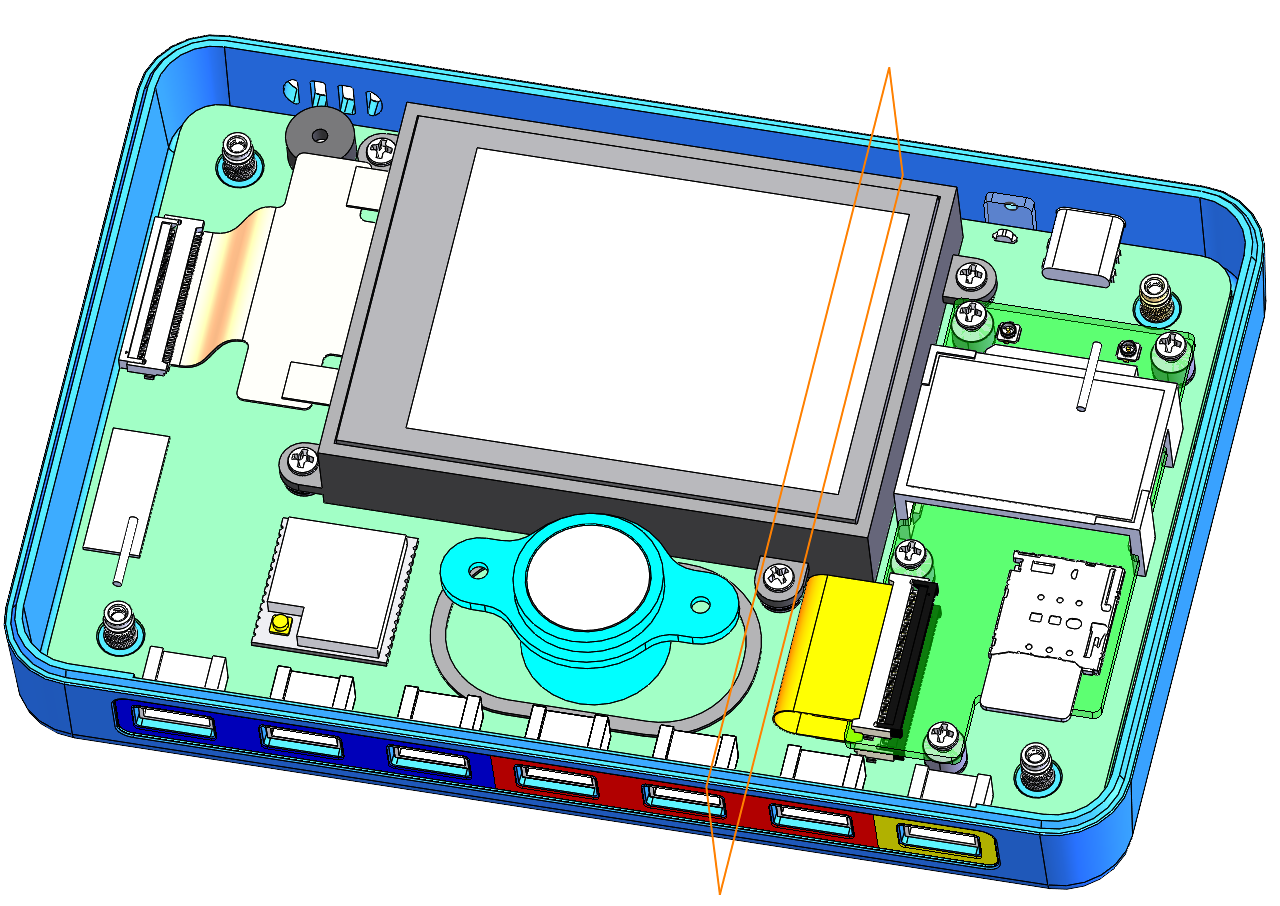
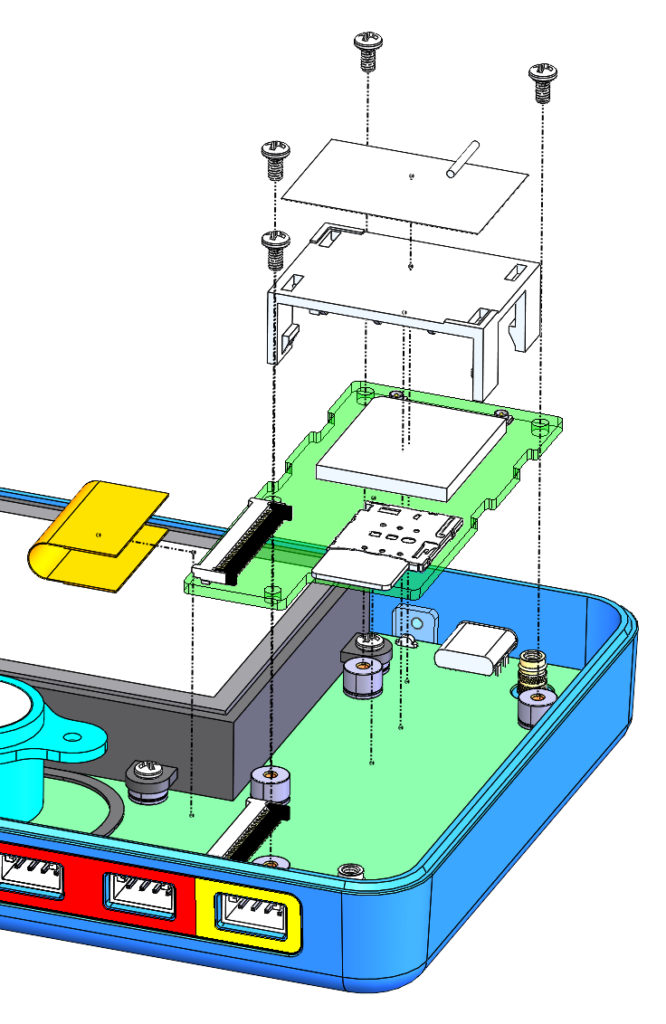
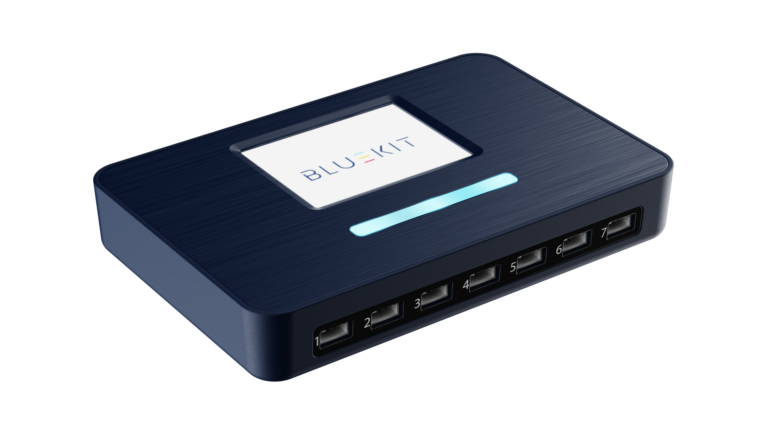
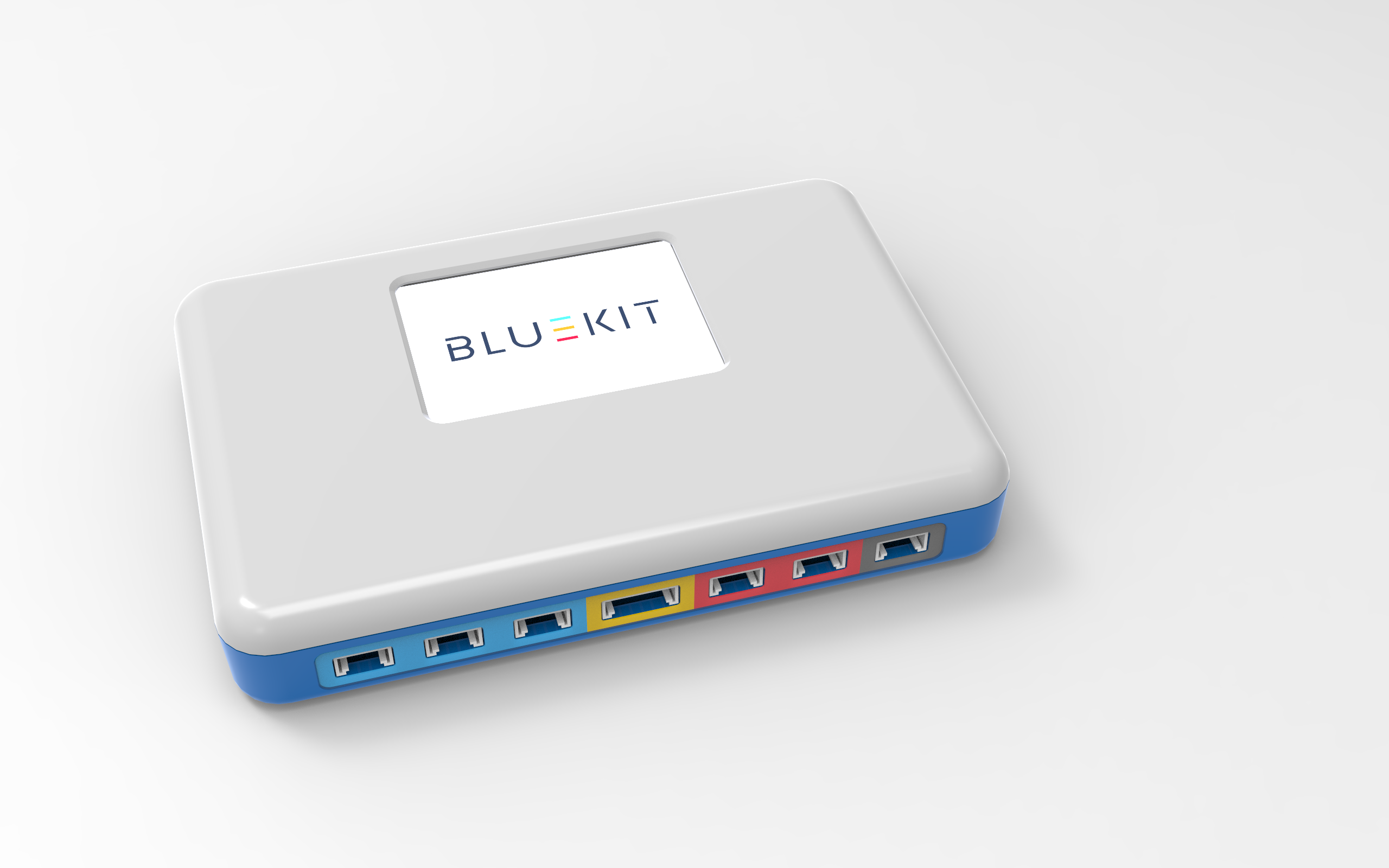
3D Exploded View of Concept

Product Design Requirements

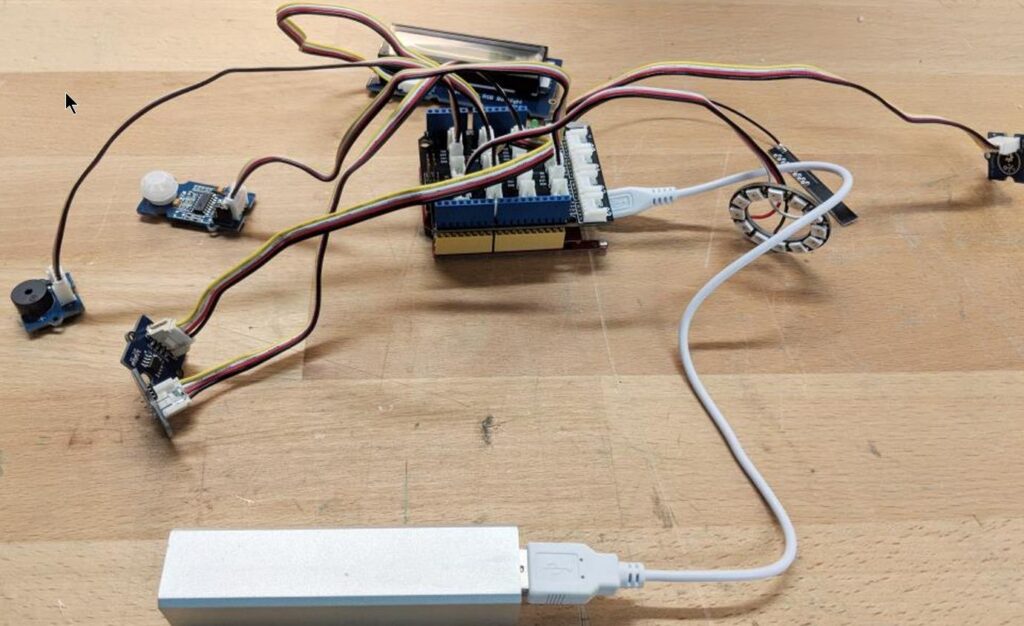
Mike LeBlanc, CEO of BlueKit, approached Design 1st to transform a proven but prototype-stage IoT education kit into a production-ready hardware platform. BlueKit had already validated the concept through school pilots across New Brunswick and workshops reaching over 500 students, earning an AWS City on a Cloud Innovation Award but the off-the-shelf Arduino hardware was too expensive, too fragile, and too intimidating for widespread classroom adoption.

Design 1st undertook the complete hardware development, from concept design through manufacturing setup, to deliver a durable, cost-effective kit that any teacher could deploy without technical expertise.

The Physical Product Challenges

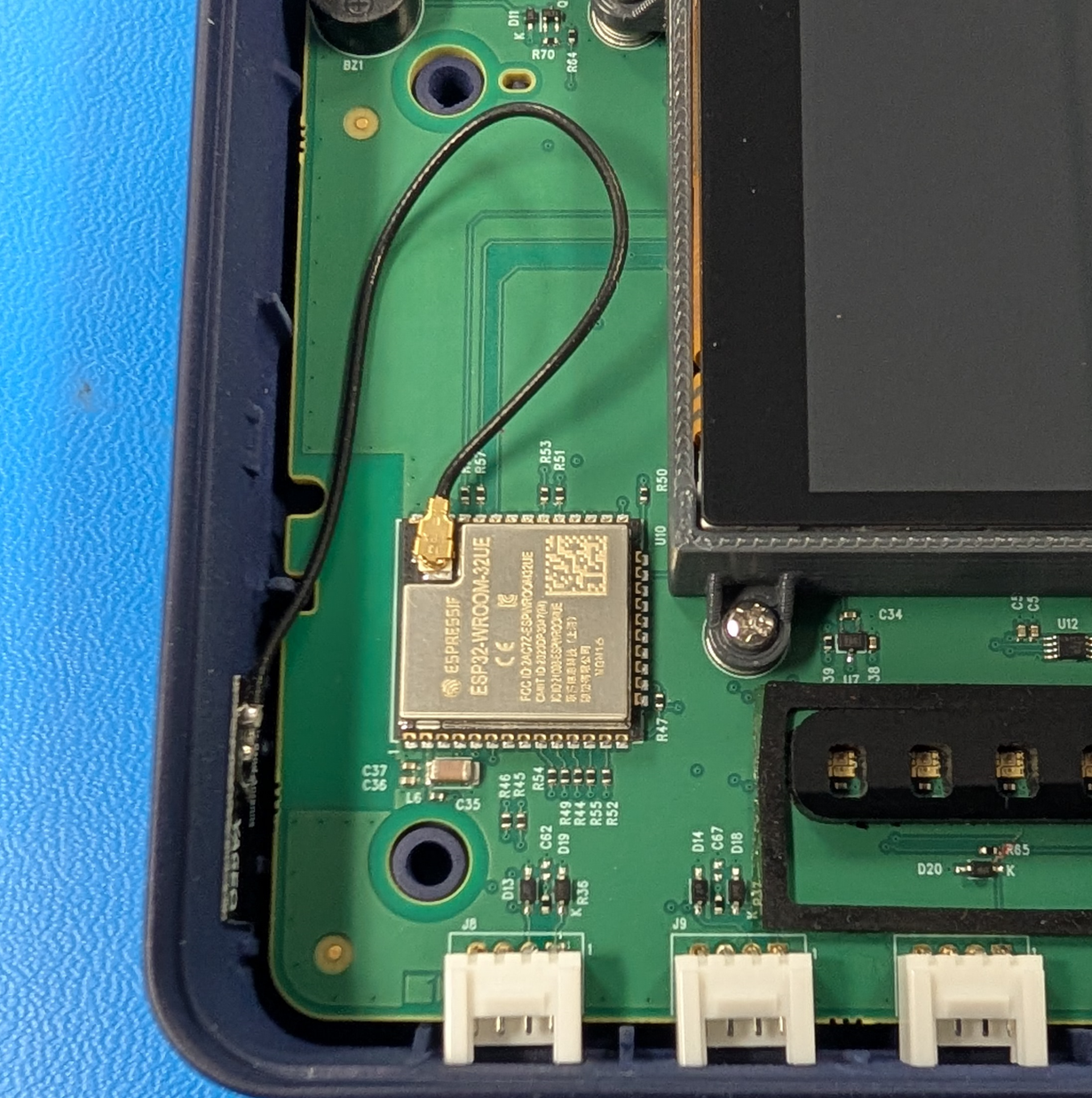
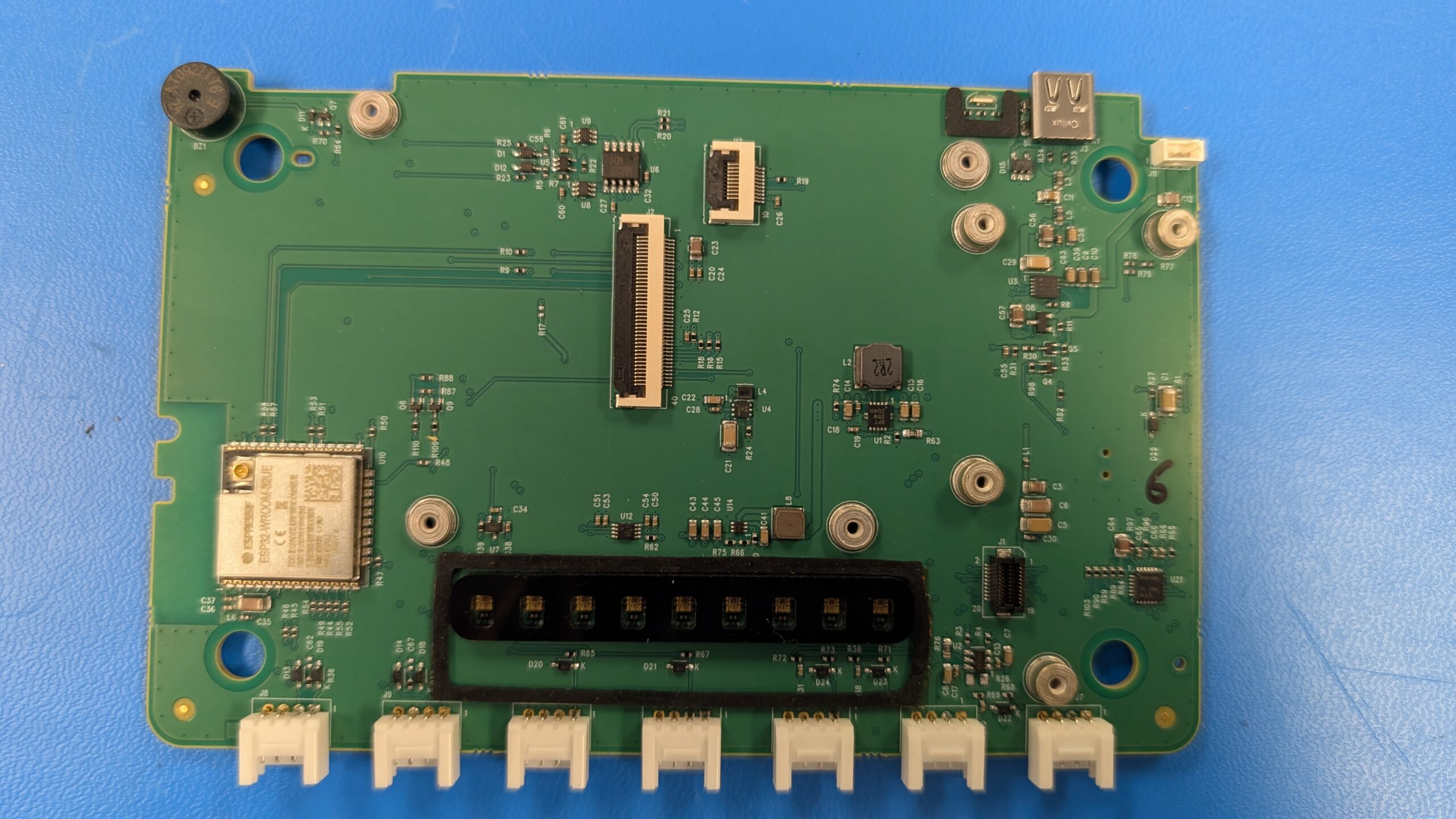
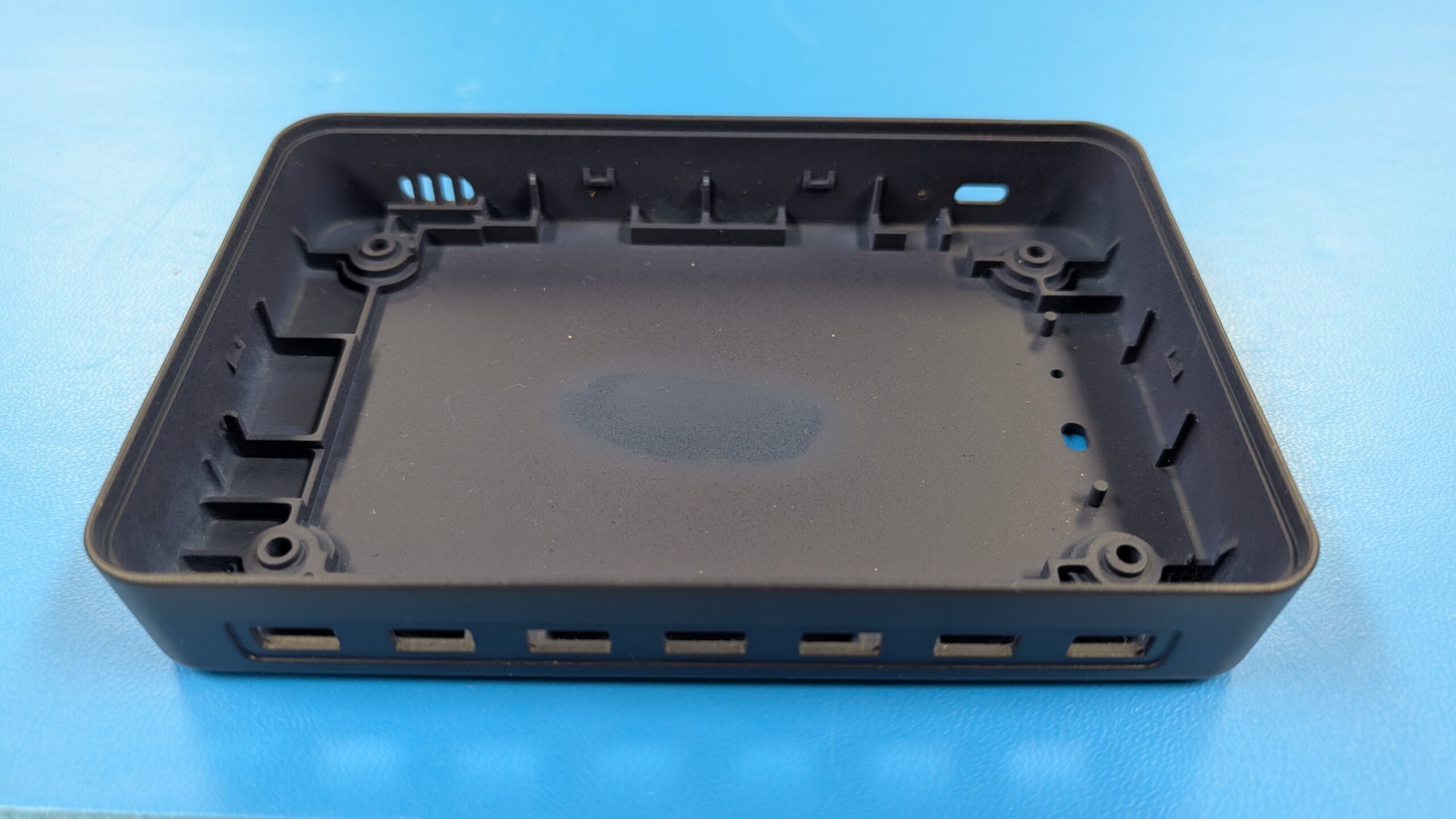
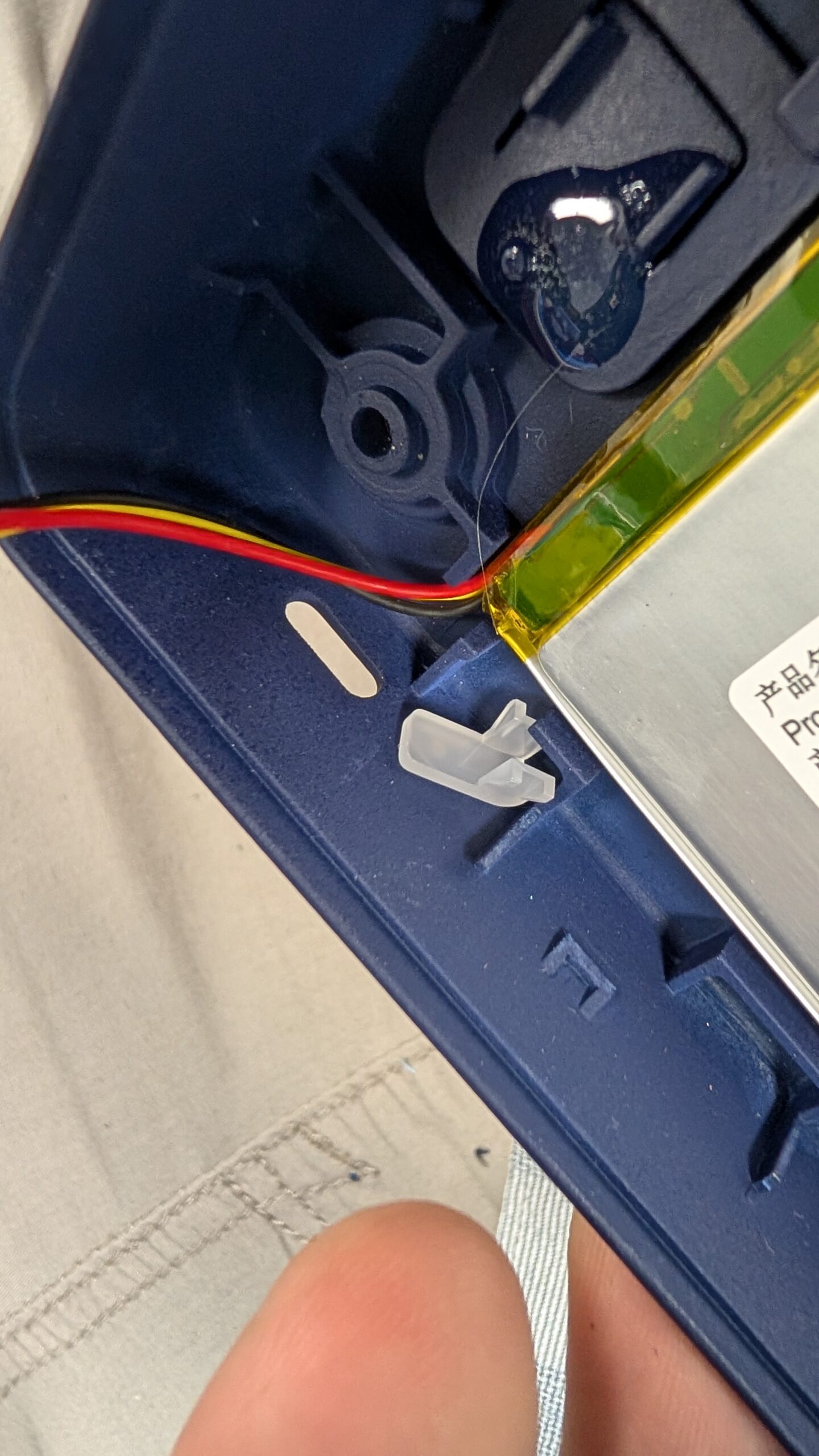
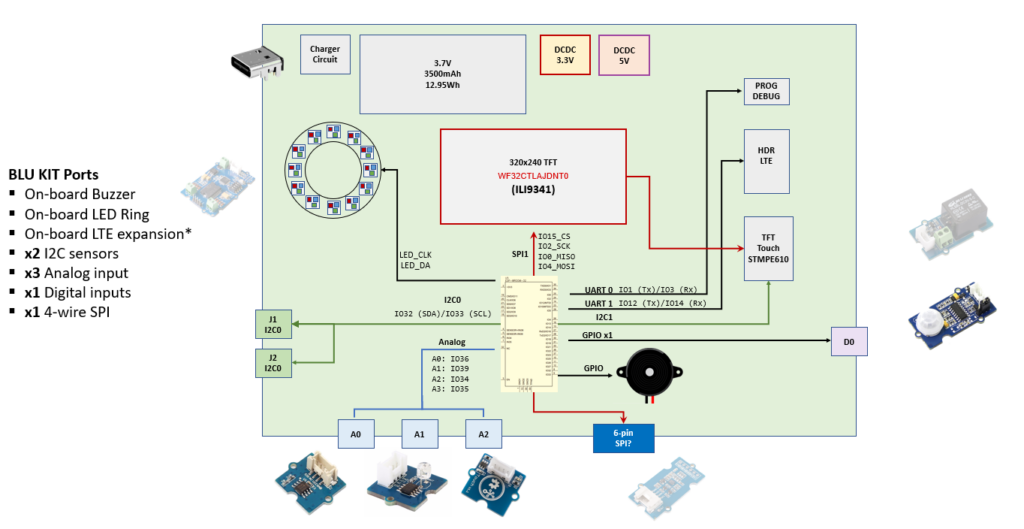
Packaging a touchscreen, LED ring, nine sensor ports, WiFi and LTE radios, and a rechargeable battery into a compact, classroom-durable enclosure required creative mechanical engineering.
3D Concept Render
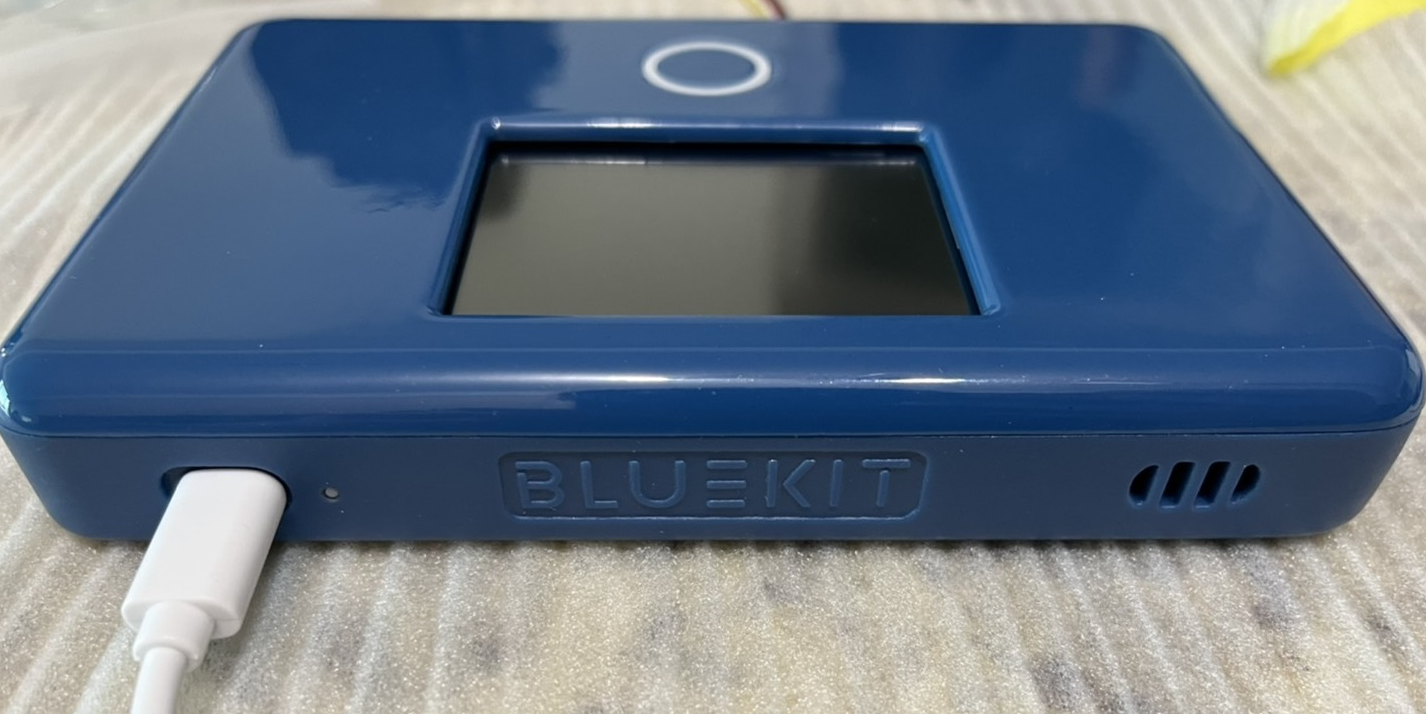
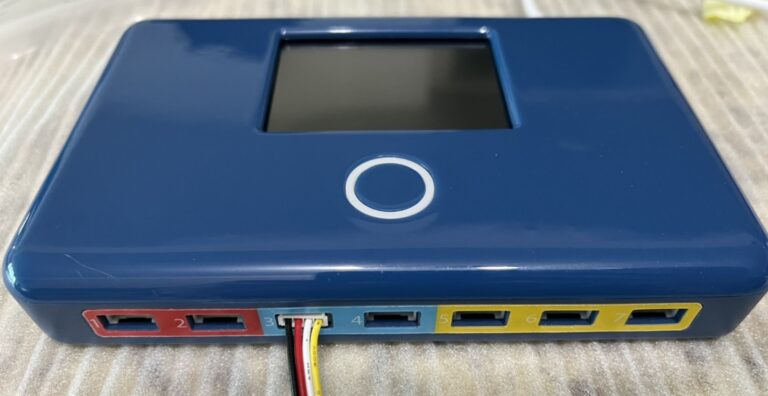
Pre-Production Prototype
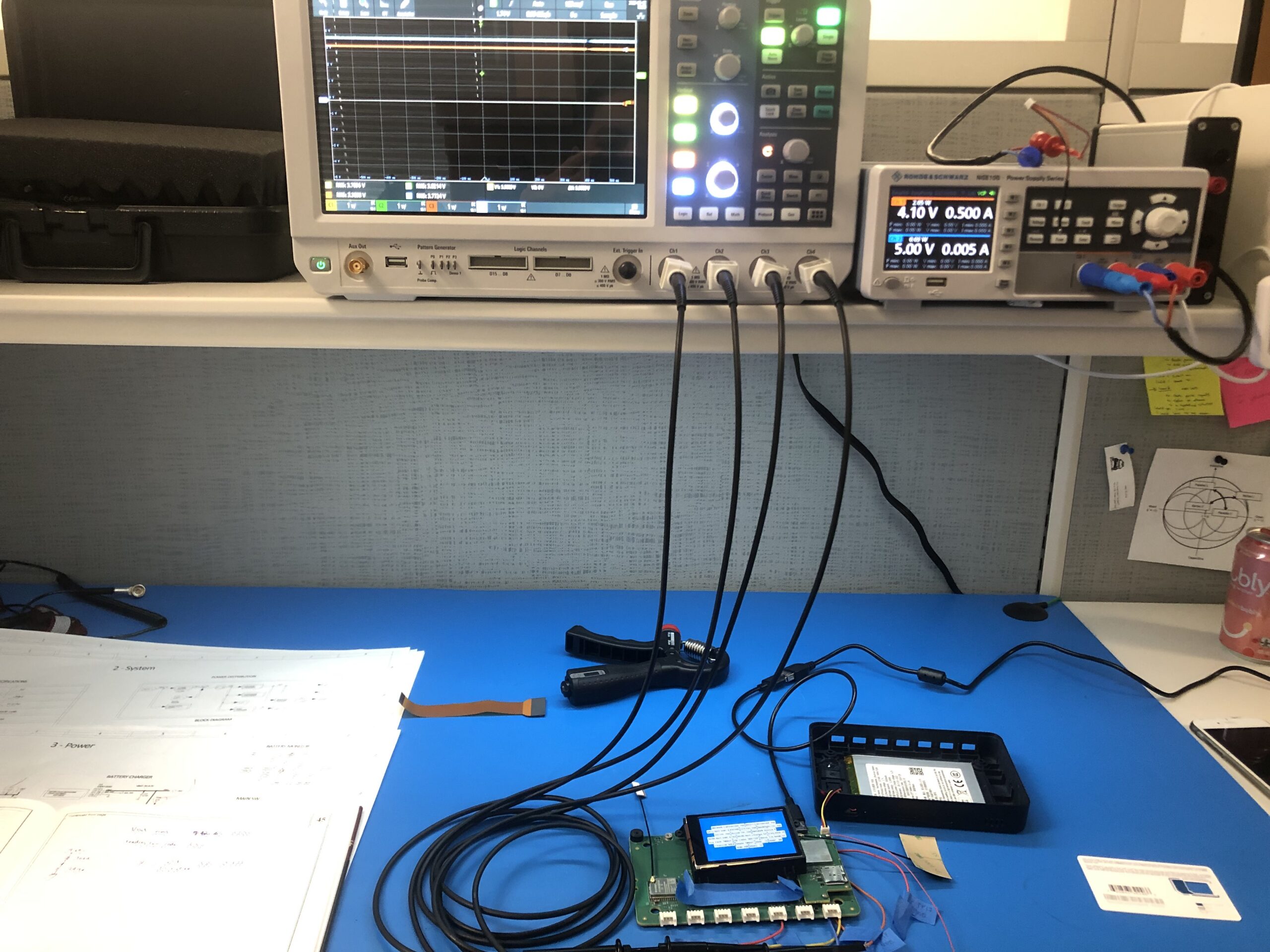
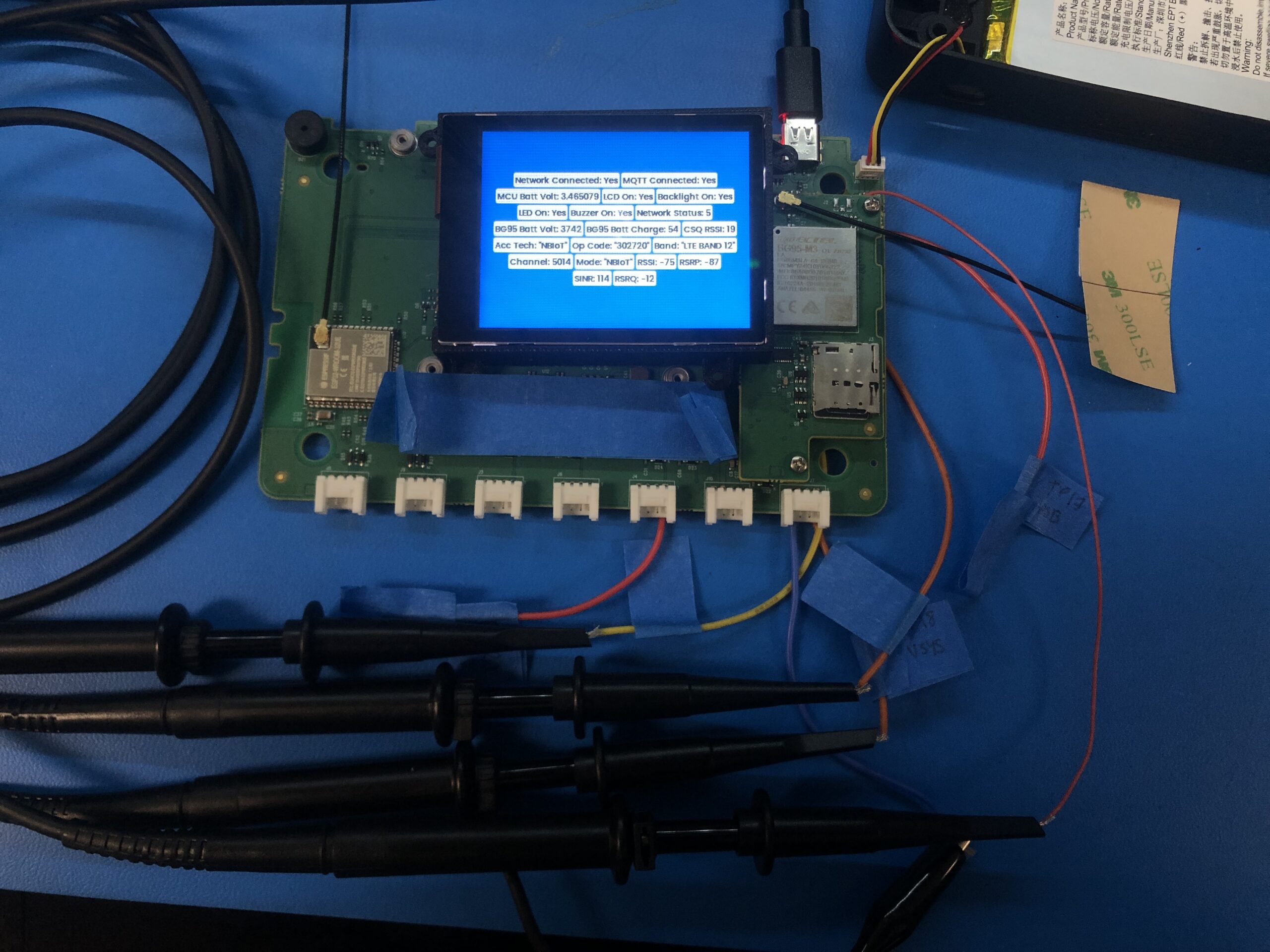
Testing BlueKit Preproduction unit

Electronics Engineering Challenges

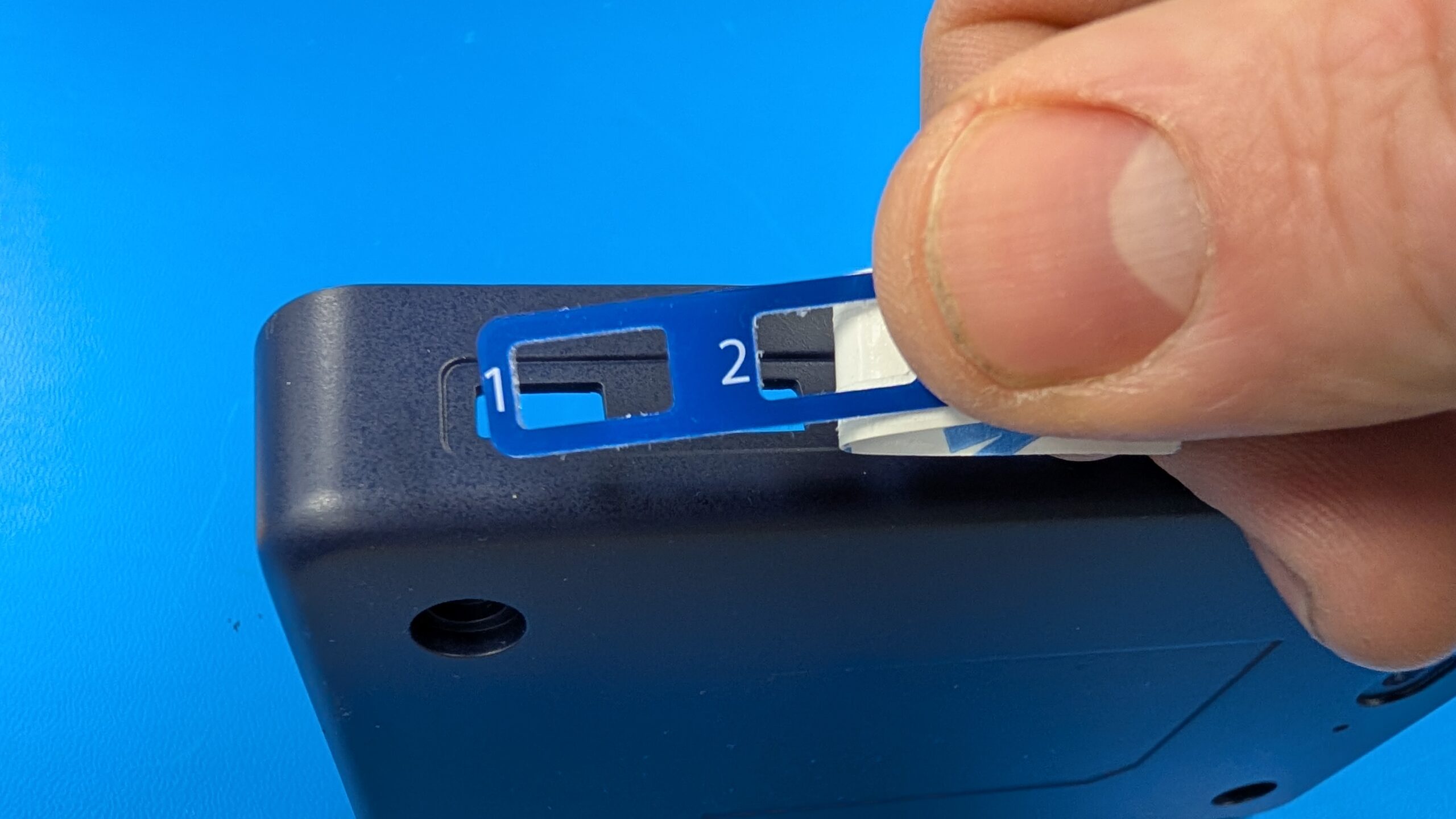
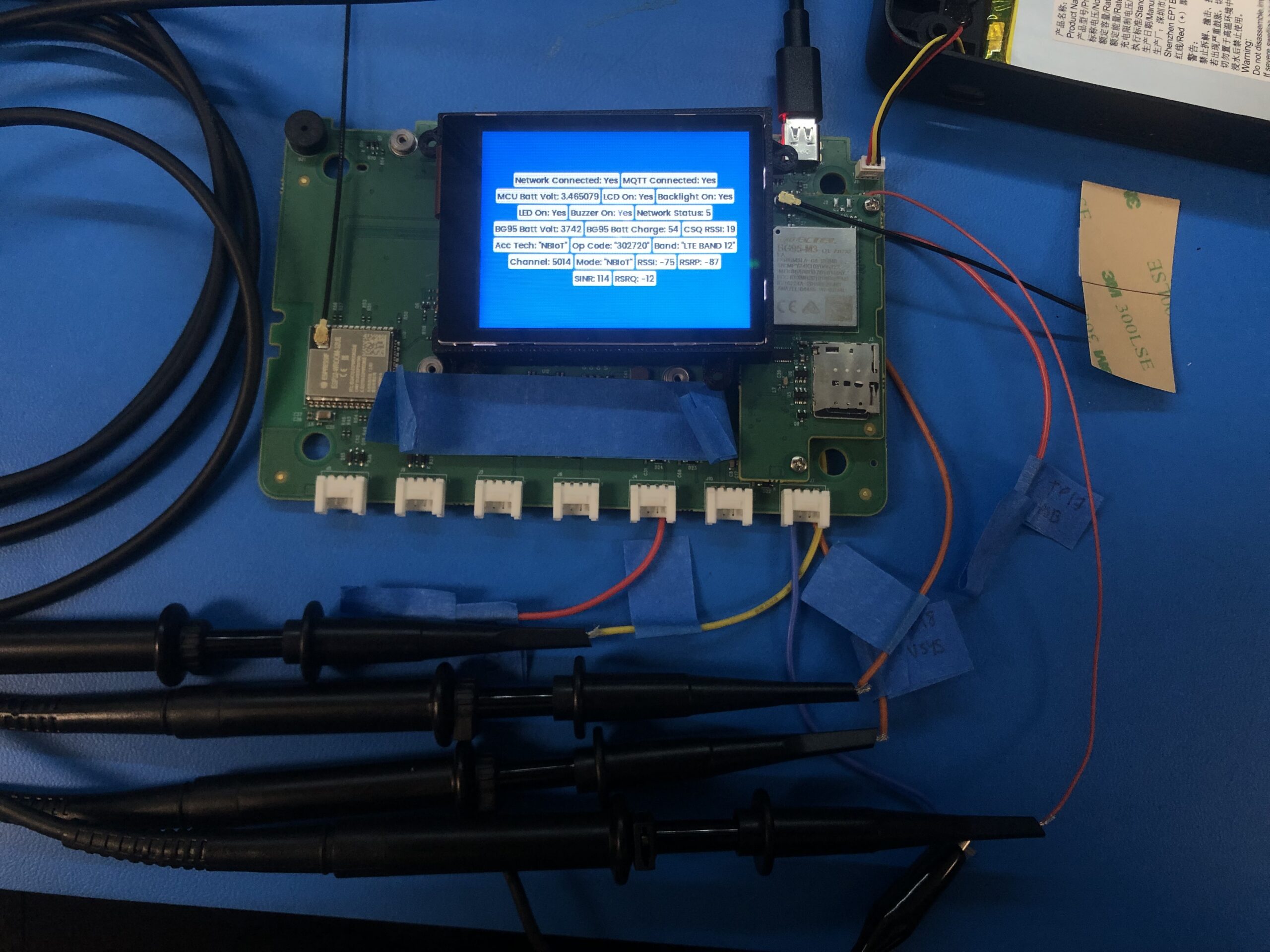
One of Design 1st’s first integrated cellular IoT devices to reach production, BlueKit required a custom electronics platform balancing connectivity, modularity, and classroom-grade durability.

Software Engineering Challenges

Deploying hundreds of IoT devices into school environments with varying network configurations required firmware that handles provisioning, connectivity, and updates autonomously.
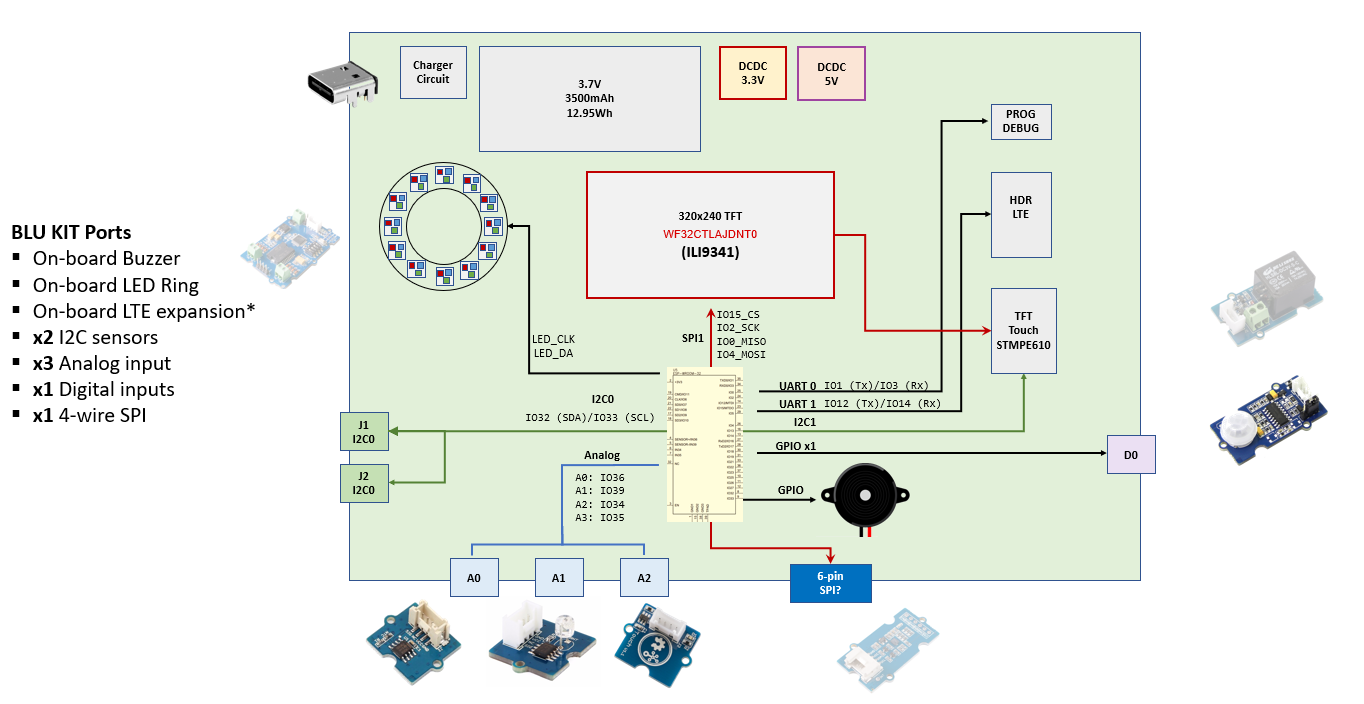
Block Diagram
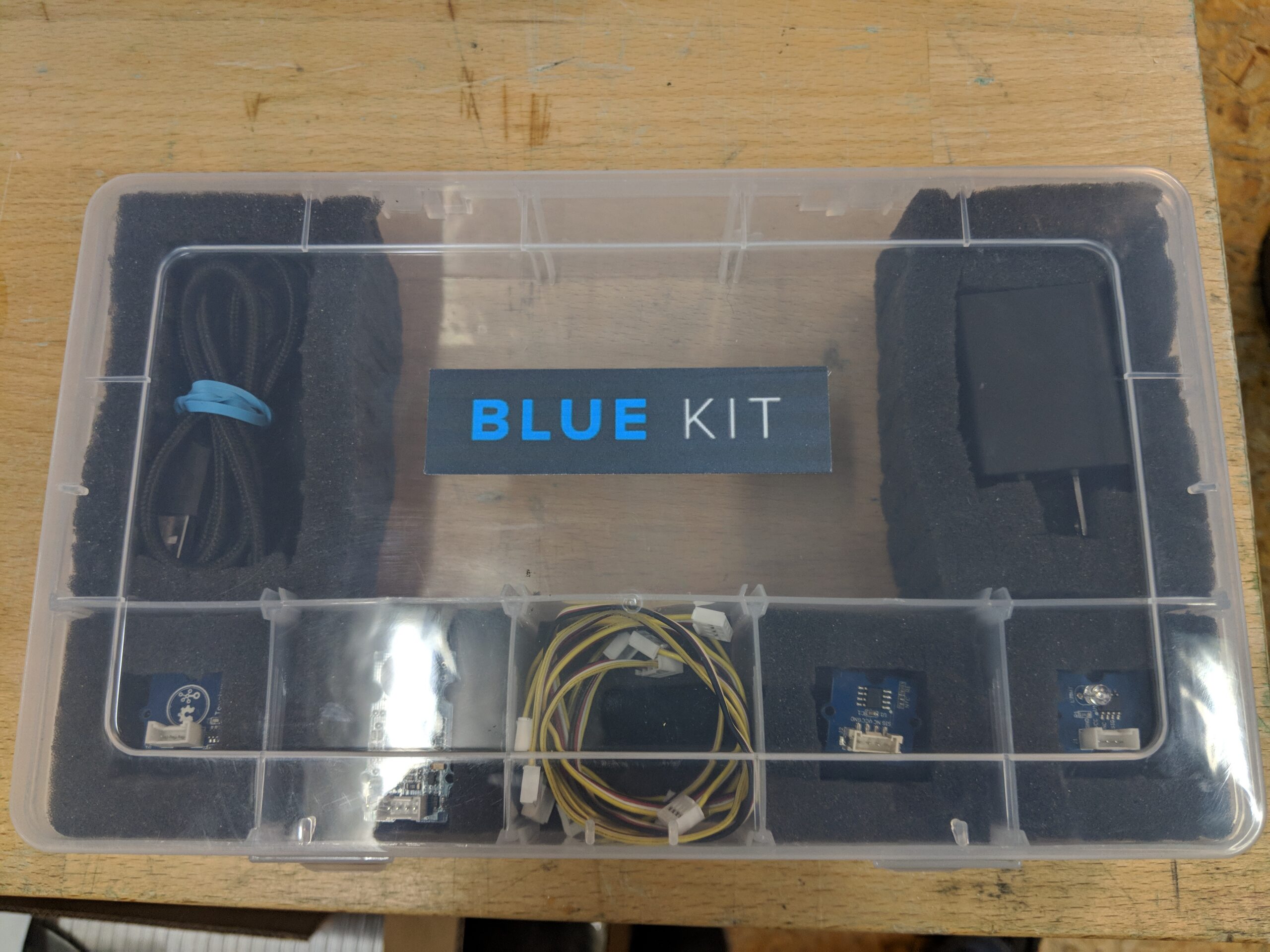
BlueKit Product Launch in the Classroom

Product Results

Following extensive product development by Design 1st spanning concept design, detailed engineering, prototyping, and manufacturing support, BlueKit evolved from an off-the-shelf Arduino prototype into a production-ready IoT education platform with patent-pending technology.

IoT education kit moves from Arduino prototype to production

What impressed me most was how Design 1st took the time to guide us through the hardware process, explain trade-offs, and help us make informed decisions. They delivered a production-ready cellular IoT device on schedule, and built our team’s capability to manage what comes next.

CEO, BlueKit Software

Published on: March 13, 2026